Slovenia with Adventures Abroad

Slovenia is not a European country on most traveller’s radar, but it should be. I had heard from people who had previously visited Slovenia that it was a hidden gem and they were absolutely right. In this post I’m going to give you 10 reasons why you need to visit this small, but mighty country. Alison and I visited Slovenia in May of 2026 with our friends Rob and Janet Purdy as part of Adventures Abroad’s Best of the Adriatic Tour which also included Croatia and Bosnia/Herzegovina. So without further ado let’s begin with a brief history of the country.
History of Slovenia
First off, let’s make it clear that Slovenia and Slovakia are two completely separate countries with different languages, geography and history. Slovakia is landlocked while Slovenia has a coastline on the Adriatic. Slovakia has the Carpathian Mountains while Slovenia has the Julian Alps.
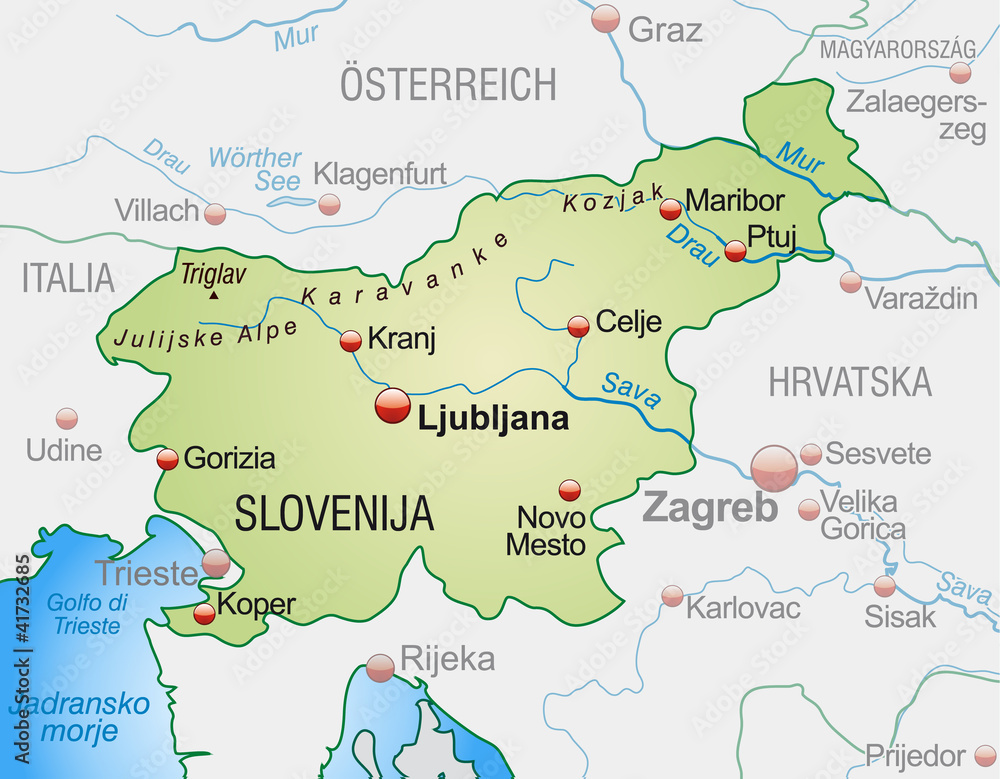
Here’s a map of Slovenia and you can see that it borders Italy, Austria, Hungary and Croatia, but not Slovakia. So let’s get that confusion out of the way.
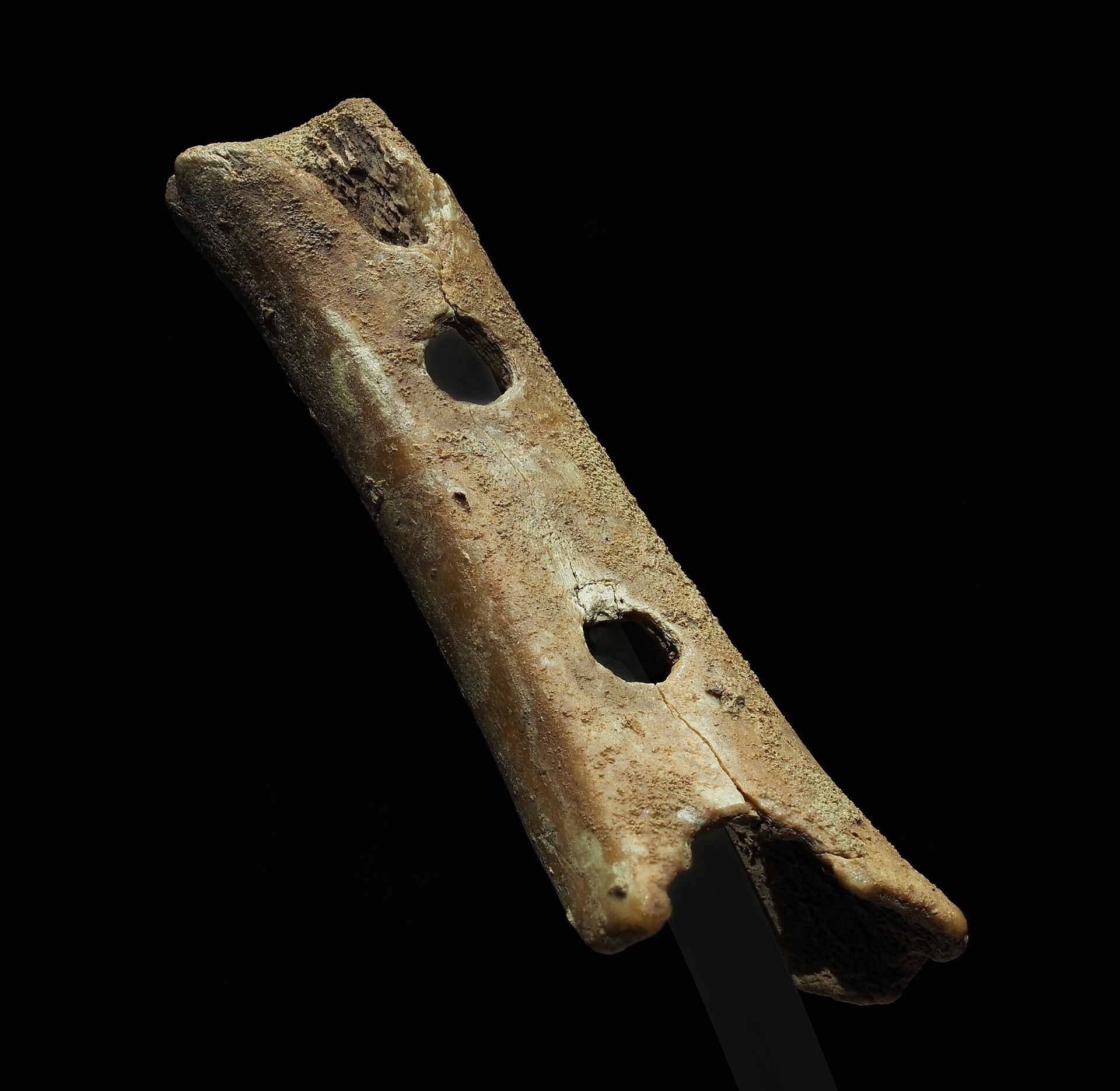
The land now known as Slovenia has a history of habitation dating back 250,00 years, well before the species known as homo sapiens first appeared there. It was the site of Neanderthal settlements up until 40,000 years ago and the world’s oldest musical instrument the Divje Babe flute was made by them from the femur of a cave bear. You can see it on display at the National Museum in Ljubljana.
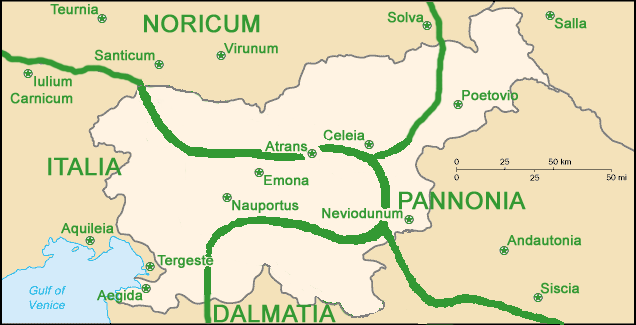
Another first in Slovenia is the world’s oldest wooden wheel, found in the Ljubljana Marshes and dated to 4,500 years ago, challenging the long held belief that the wheel originated in Mesopotamia. Moving forward, the area was occupied by Illyrian and Celtic tribes when the Romans arrived in the 1st century BCE and stayed for 500 years. This is a map showing how modern Slovenia was divided among a number of Roman provinces until the collapse of the empire in the 5th century.
The people we now call Slovenes where a combination of Slavic tribes that arrived in the area in the 6th century from both the north and south. Believe it or not they were first Christianized by Irish missionaries led by Modestus, aka the Apostle of the Carantanians as the Slovenes were then called. There followed a period of some 800 years when the area fell under the control of everyone from Charlegmane to Otto I to Henry the Quarreller to finally the Hapsburg Empire where Slovenia remained until 1918 with some notable exceptions like the incursions of the Ottoman Turks between the 15th and 17th centuries. Also the French under Napoleon ran the place from 1805 to 1813, bringing the ideas of the French Revolution to the land which did away with feudalism and increased literacy.
The Slovenes as a distinct people with their own language and culture date from the 16th century and while changes in boundaries were frequent, most of what we recognize as Slovenia dates from that time.
Slovenia was at the forefront of one of the bloodiest battlegrounds in WWI as we shall see when we visit Kobarid where the Italians and Austrians fought the Battle of Caporetto which left 600,000 people displaced and an entire area of the country destroyed.
By the end of WWI and the collapse of the Hapsburg Empire, the Slovenes had an infinity with other Slavic groups that included the Croats and Serbians that resulted in the establishment of the Kingdom of Yugoslavia in 1929. Slovenia was the most industrialized and western looking of the six separate entities that eventually became part of what was Yugoslavia right up until the disintegration in the 1990s.
During WWII Slovenia was invaded by the Germans and Italians and the citizens suffered immensely, which suffering continued after the war when Yugoslavia became a communist country and repeated much of the repression that marked Stalinist Russia. This continued right up until the 1980’s. Slovenia had 10% of the Yugoslav population, but produced 20% of the country’s GDP and 40% of its exports. This led to a feeling of exploitation by the rest of the country and by 1987 there were widespread calls for independence. It took another four years, but in 1991 Slovenia declared independence after a referendum in December 1990 saw 88% of the population vote to secede from Yugoslavia. It was the first of the six republics to do so and after a brief attempt by the Yugoslav government to stop it in the so-called Ten Days War, Slovenia became independent for the first time in its entire history.
Today Slovenia is a country of just over 2 million people with an GDP that puts it in the top 30 countries in per capita wealth and in the top 20 in terms of the UN Human Development Index. In other words, it is a wealthy, democratic country with little income disparity. You won’t be seeing homeless people on the streets of Ljubljana or any of the other Slovenian cities like you will in Canada or the US.
OK, let’s get to those top ten reasons for visiting Slovenia.
1. Ljubljana, Capital of Slovenia
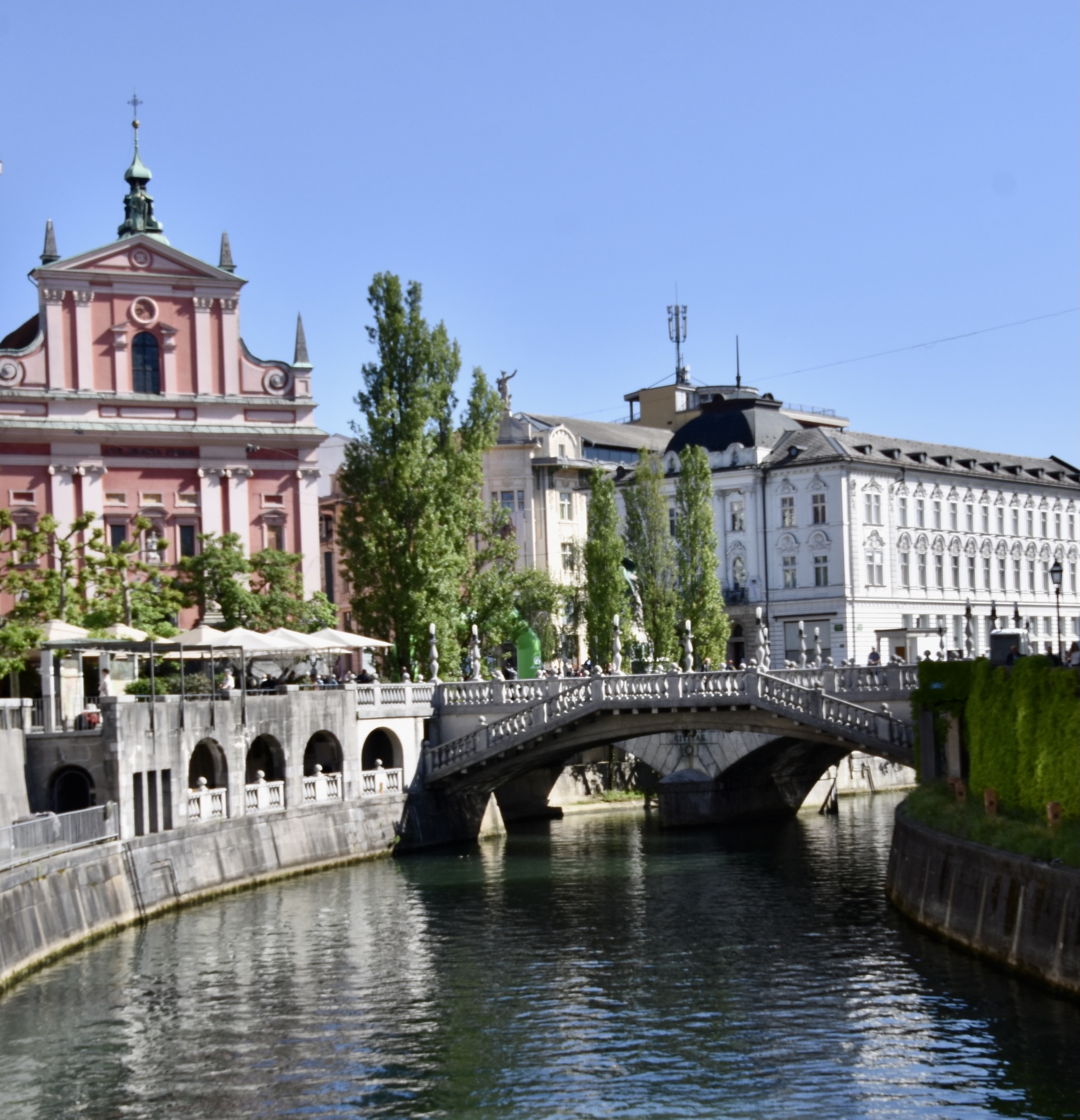
Pronounced Loo-blee-aa-nah, Ljubljana is simply one of the most delightful capital cities in Europe, or the world for that matter. With less than 300,000 inhabitants, many of whom are university students, it has a youthful and liberal vibe that just makes you feel good walking its streets or sitting in its riverfront cafes. Ljubljana Castle dominates the city from above, but not in any ominous or sinister way, like some places. You will definitely want to take in the view from up there as well as explore the many pedestrianized streets that line both sides of the river. This is a city that is built for the betterment of the people who live here and that translates into a great place for a tourist to visit.
2. Lake Bled & Bled Castle
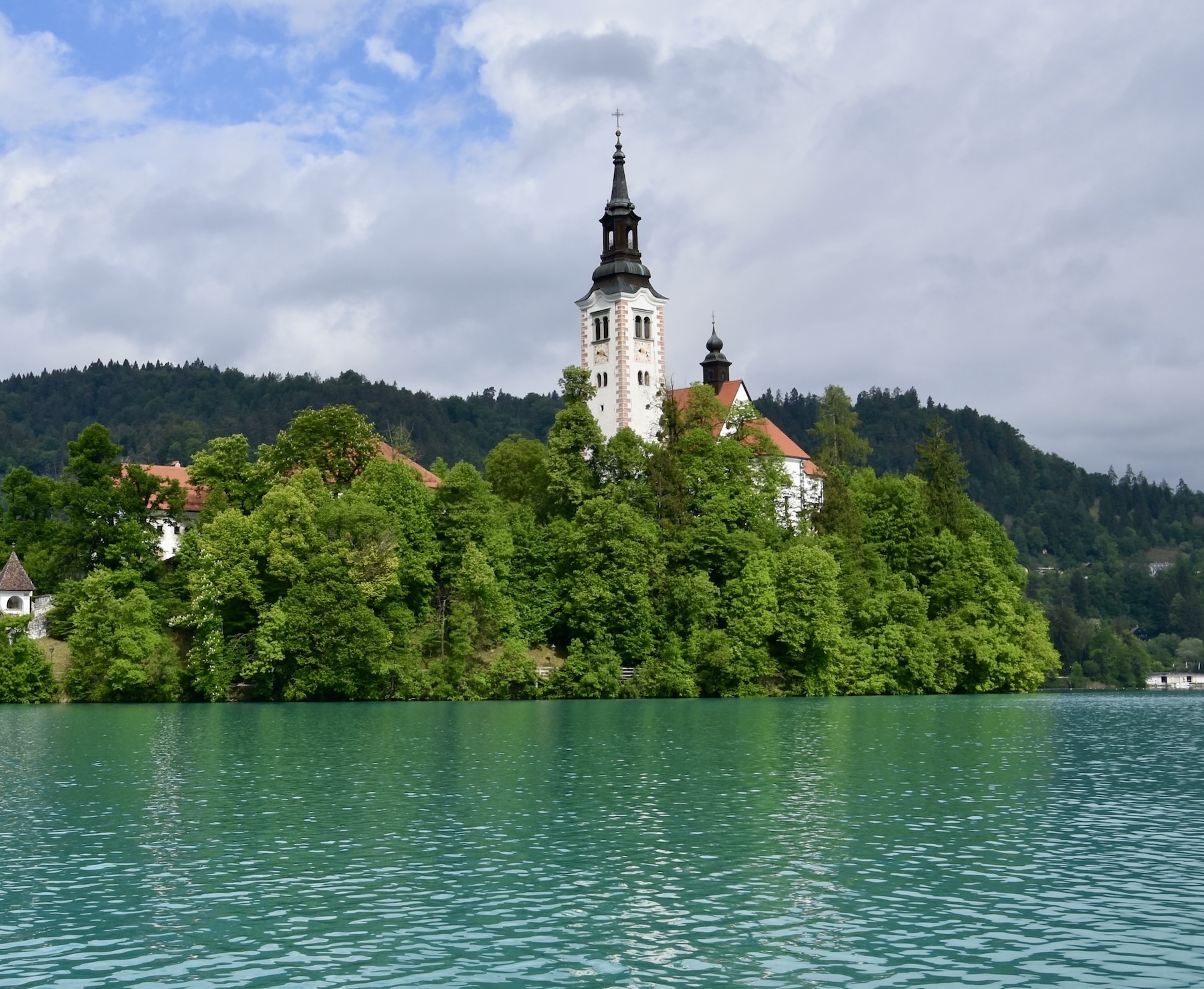
If you are a subscriber to Bell TV and almost 3 million Canadians are, including me, you will be familiar with a beautiful photo that appears on the screen when the service is not connected to any channel. The scene is a view of Our Lady of the Lake church on an island in Lake Bled, Slovenia and ever since first viewing it I have wanted to see it in person. On this trip I got the chance and it lived up to expectations in every way. It is simply one of the most idyllic locations on the planet and when you finally get there you will want to ring the church bell for good luck.
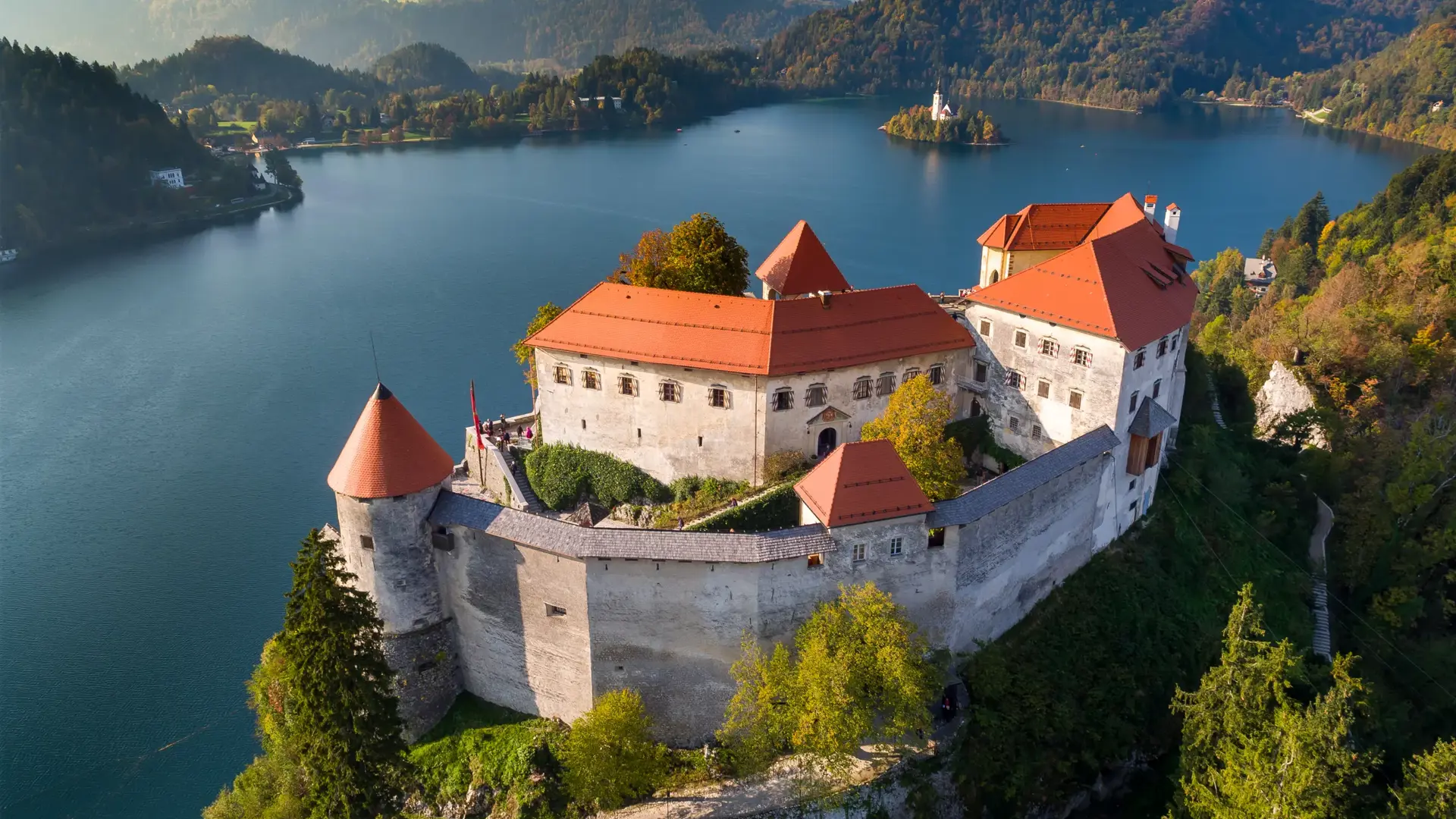
High above Lake Bled is Bled Castle which is also a must visit spot in Slovenia. Not only is exploring the oldest castle in Slovenia a lot of fun, but the views from up there are monumental as you can see from this photo I have taken from the castle’s website.
3. The Julian Alps
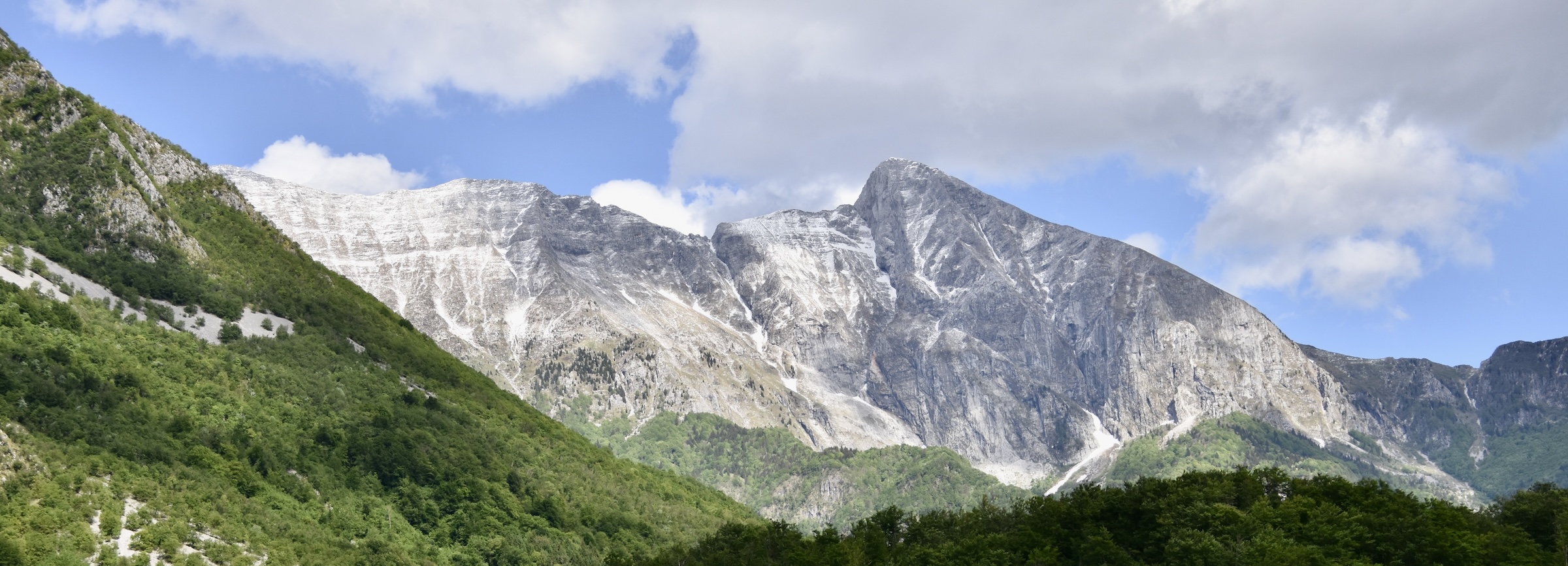
While not as awe inspiring as the much more famous Swiss Alps, the Julian Alps are nonetheless a treat for the eyes and a pleasure to drive through, especially Predil Pass which has been connecting Central Europe and the Adriatic for thousands of years. Julius Caesar came this way and ever since the mountain range has borne his name.
4. Lake Bohinj & the Church of St. John the Baptist
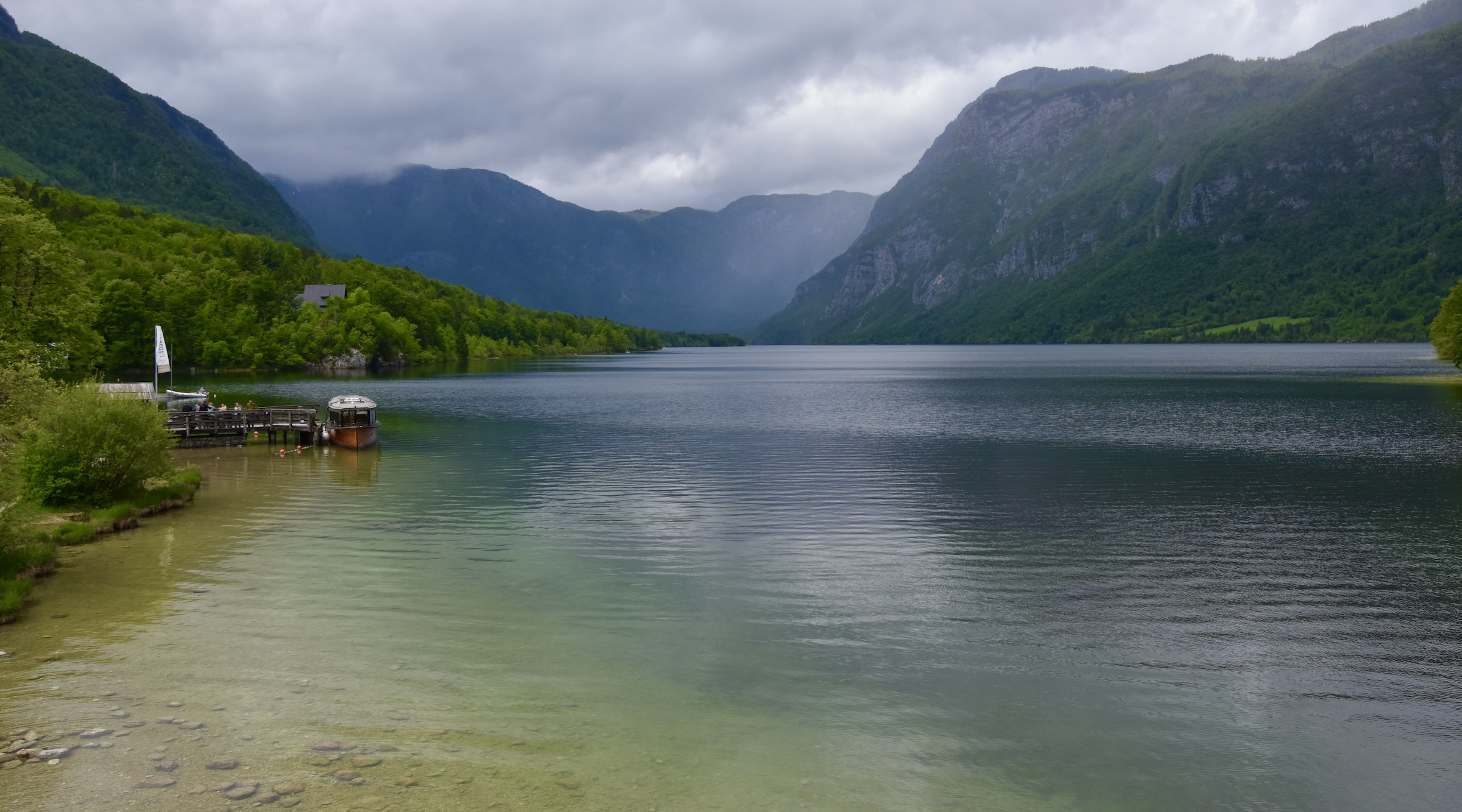
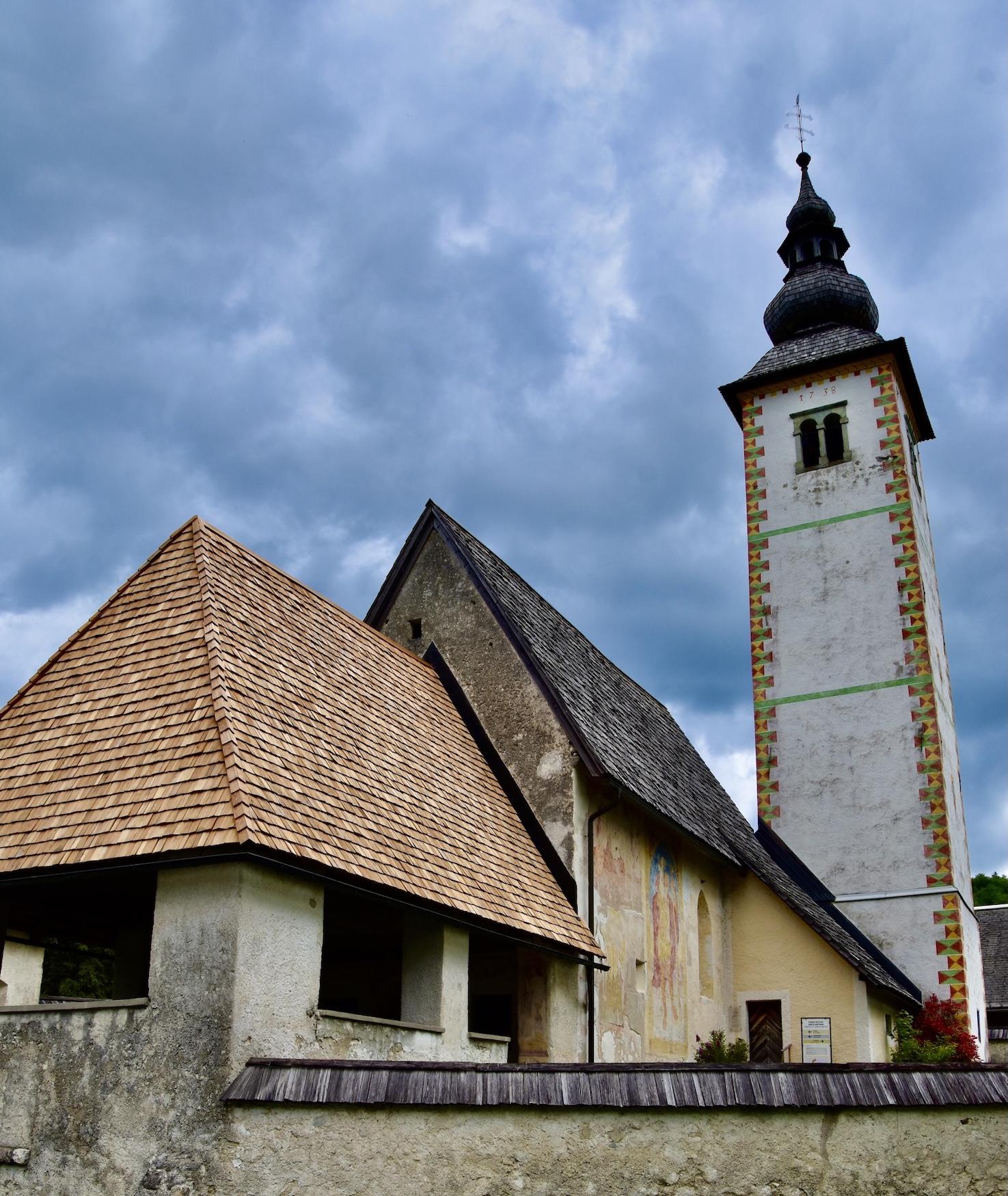
Another impossibly clear blue and turquoise alpine lake in the Julian Alps that also has a beautiful and historic church on its waterfront. The Church of St. John the Baptist is one the oldest in Slovenia and is renowned for its frescoes that include some of the strangest looking angels you will ever see.
An added bonus in the Lake Bohinj area is a tram ride near to the top of Mount Vogel from where the views of the Mount Triglav, the highest in Slovenia, and the lake below are breath taking.
5. Kobarid
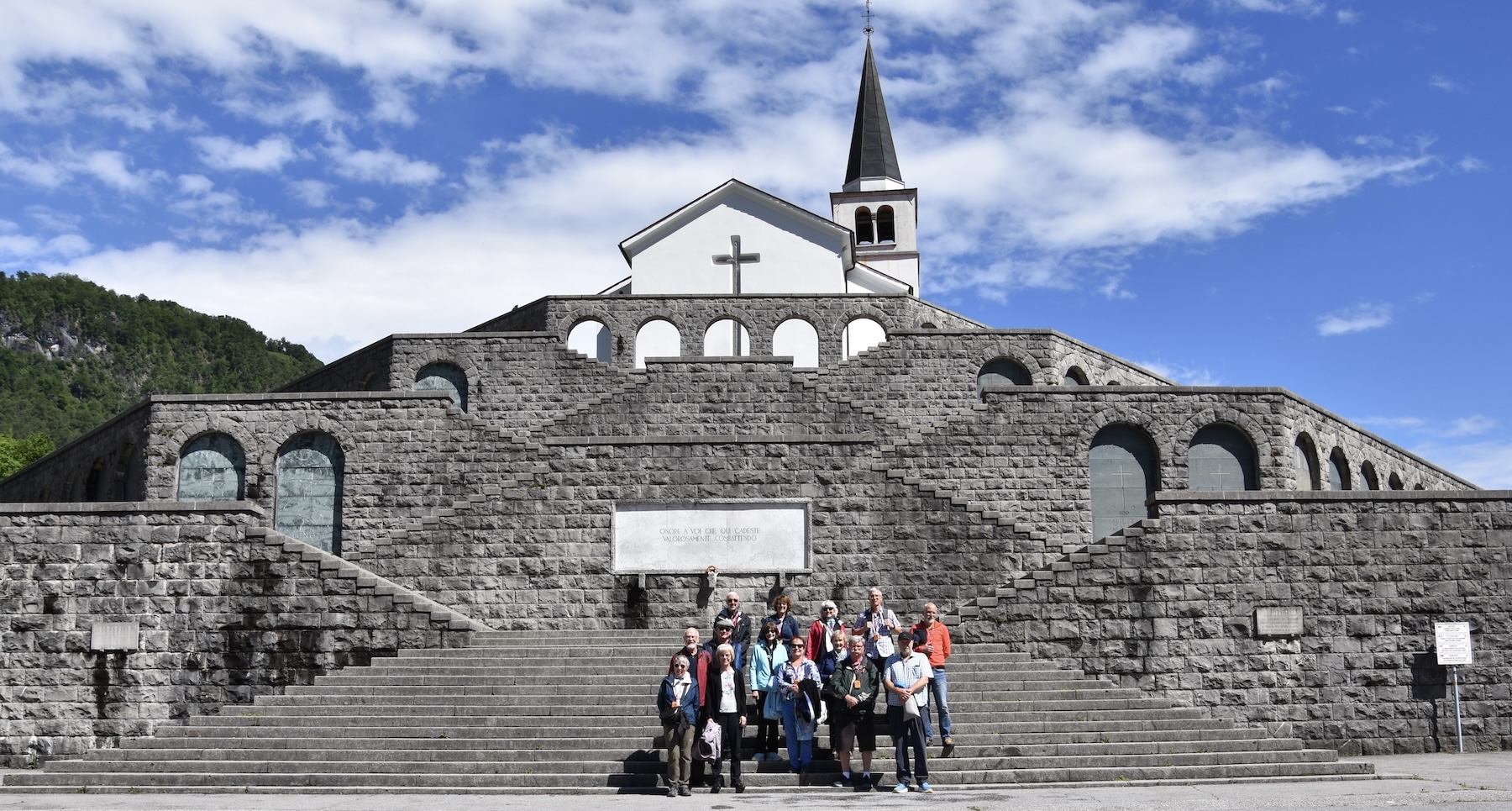
Now I won’t pretend that Kobarid will be the place that you will have the fondest memories of from your visit to Slovenia, but nonetheless you will come away with first hand knowledge of one of the most important battles of WWI, Caporetto. For Hemingway buffs like myself, this was also important for being the setting for one of his best and most important novels, A Farewll to Arms which had a profound effect on me when I first read it as a teenager. If neither of these things is of importance to you, just walking the streets of Kobarid or sitting in one of its sidewalk cafes will definitely have a calming effect on you soul.
6. Predjama Castle
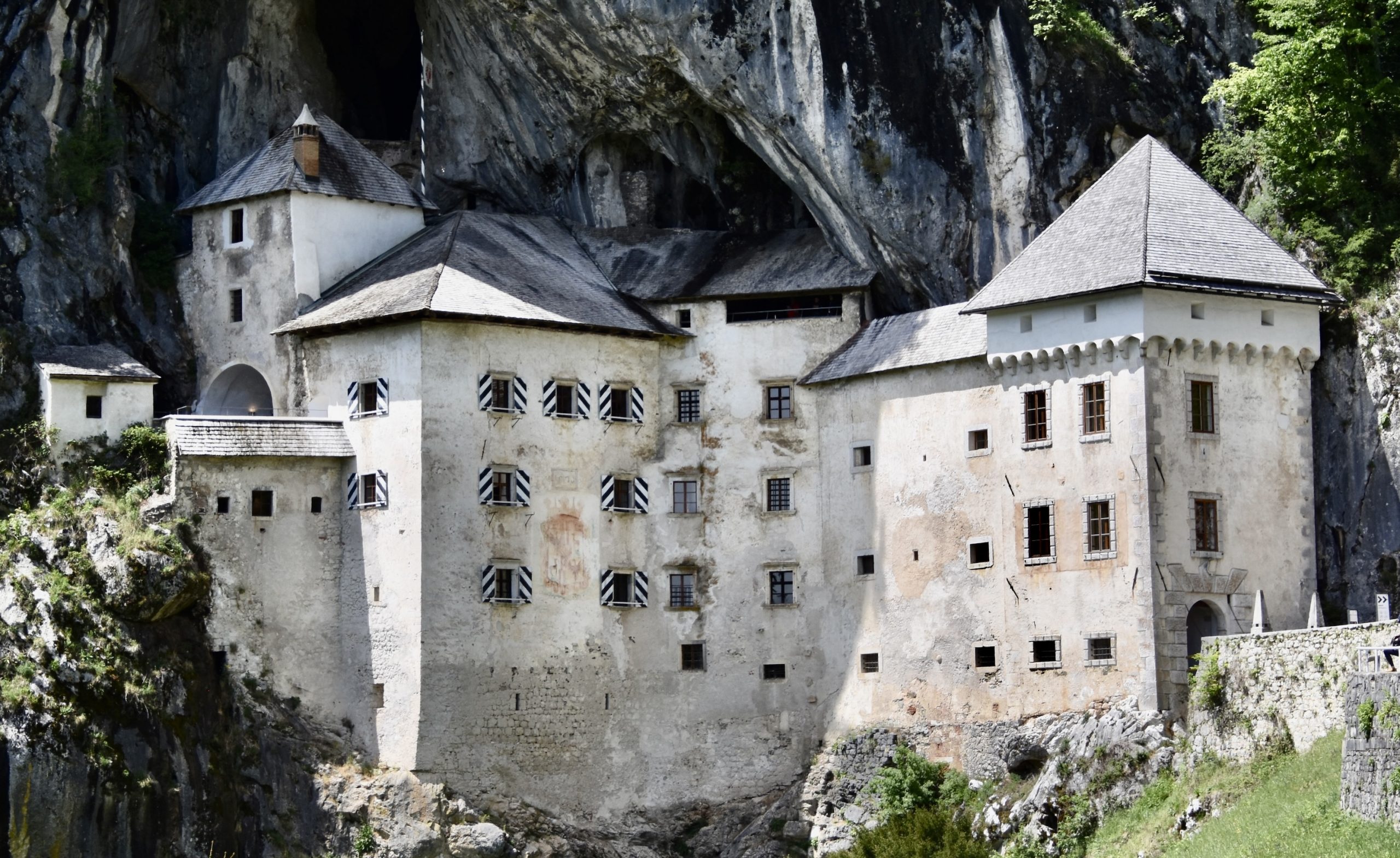
Predjama Castle has to be seen to be believed because it’s unlike any other castle you will ever visit. It is literally built into the side of a natural cave and has a history that is as interesting, blood soaked and full of unexpected twists as any European castle I’ve ever visited. I won’t ruin the suspense by providing more details, but trust me, you’ll love your time in this place.
7. Postojna Cave
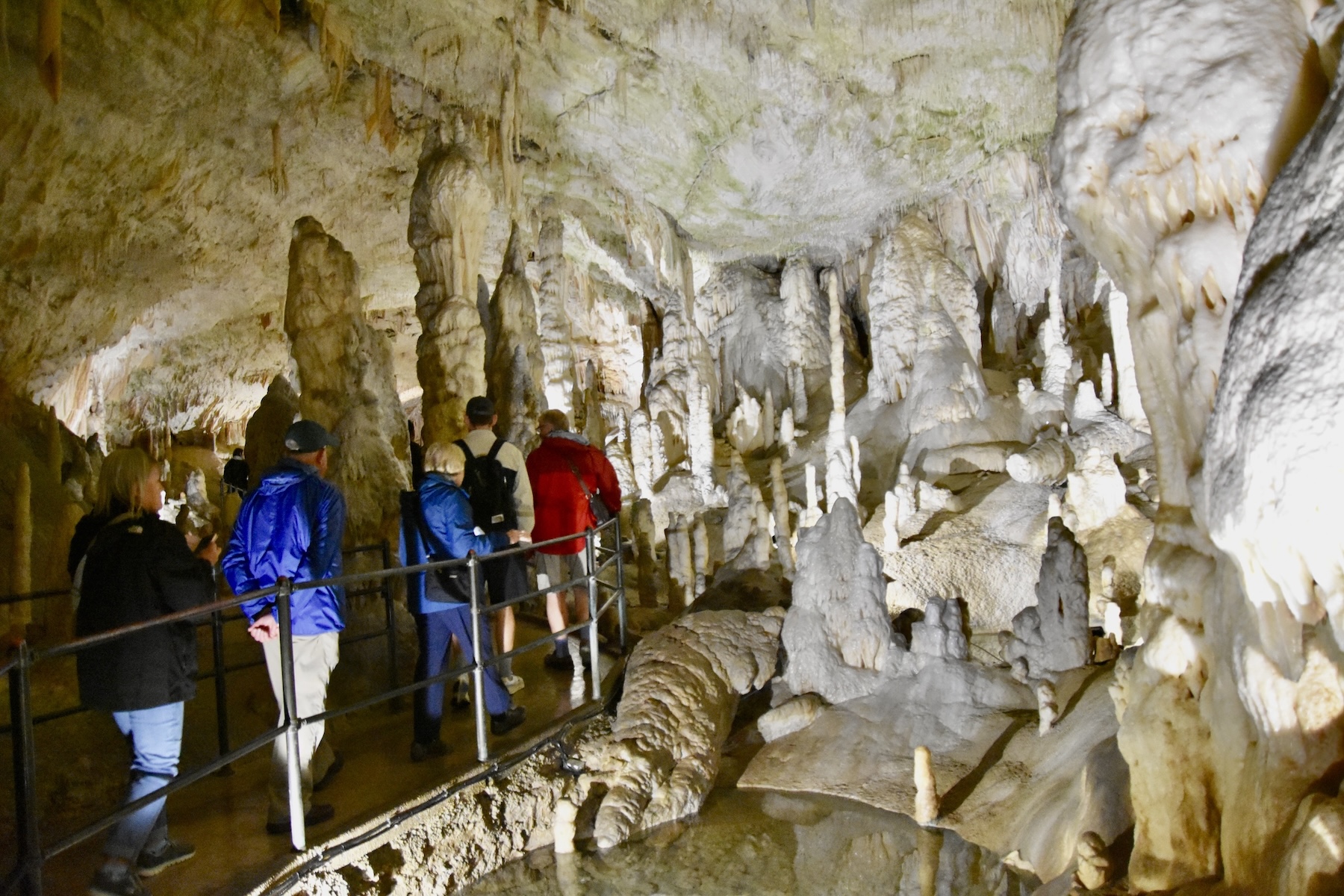
Postojna Cave is one of the largest in the world and the only way to appreciate its vast size is to take the 3.7 km. (2.3 mile) railway journey that first opened in 1872. Deemed ‘The Queen of the Underworld’ this cave has some of the best stalagmites and stalactites you’ll find anywhere.
9. Piran
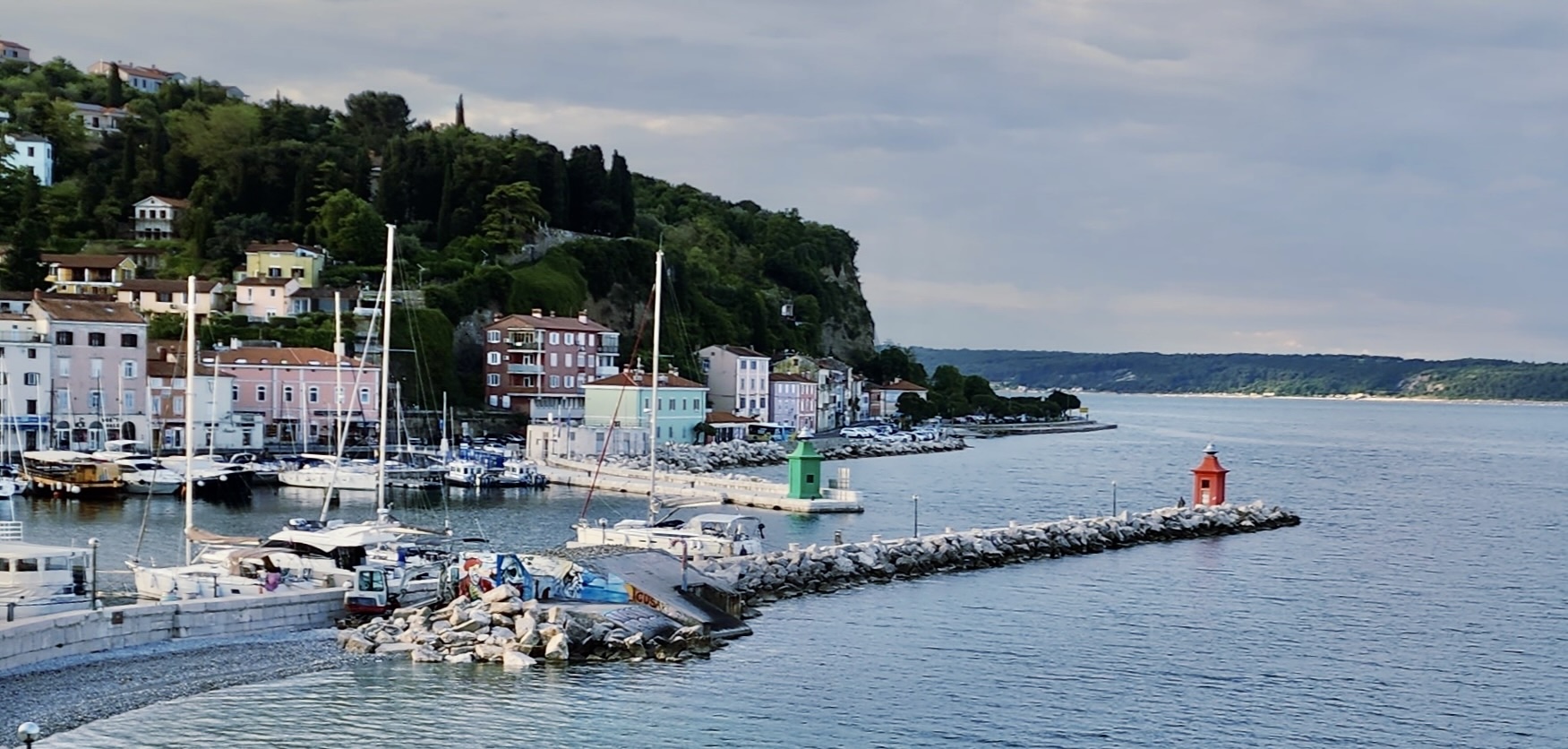
Slovenia has a tiny fraction of Adriatic coastline exemplified by the lovely seaport of Piran which only officially became part of Slovenia in 1975. For over 500 years it was part of the Venetian empire and the architecture reflects that. This is where your Best of the Adriatic Tour will start to have fresh seafood at every meal, a major blessing if you love it as much as I do.
10. Slovenia Food and Drink
For such a small country Slovenia has an amazing variety of regional dishes with no less than 24 gastronomic regions and an equal number of European Union protected food products that range from sausages, cheese, hams to honey. You will eat very well in Slovenia and drink some of the best beers on the planet. If wine is your preferred beverage there are over 28,000 wineries in Slovenia mostly producing very good dry white wines. Here is a gallery of food and drink I enjoyed in Slovenia and I’m sure you will too.
-
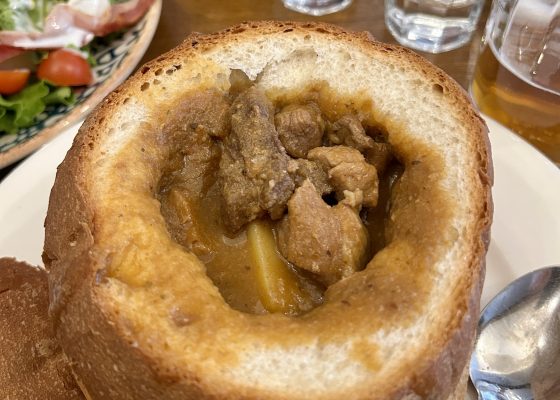
- Slovenian Stew
-
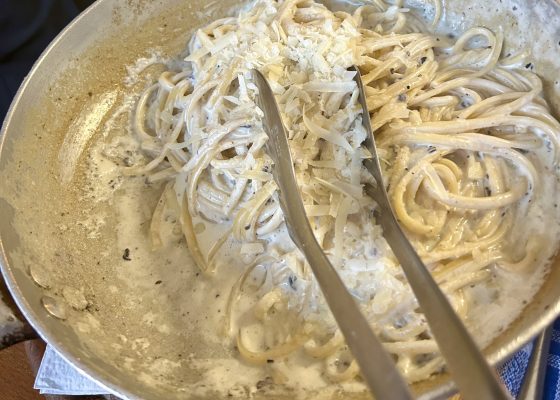
- Pasta with Truffles
-
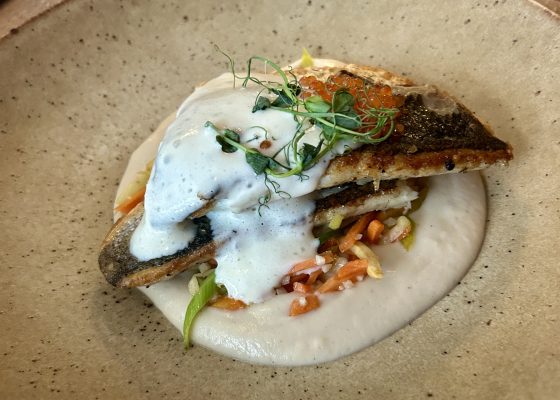
- Sea Bass with Beure Blanc & Cauliflower Mash
-
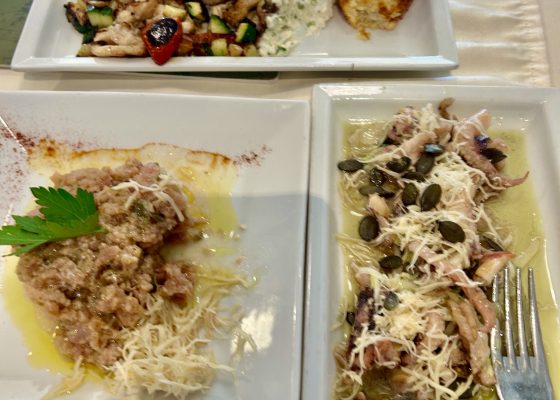
- Three Seafood Appetizers
-
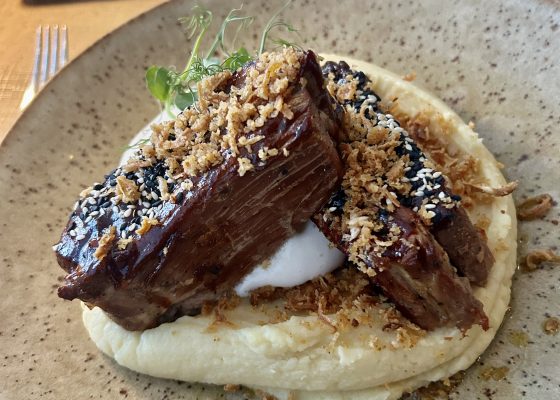
- Spare Ribs on Potato Puree
-
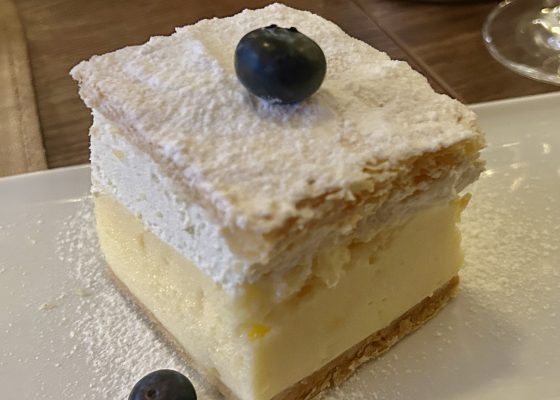
- Bled Cream Cake
-
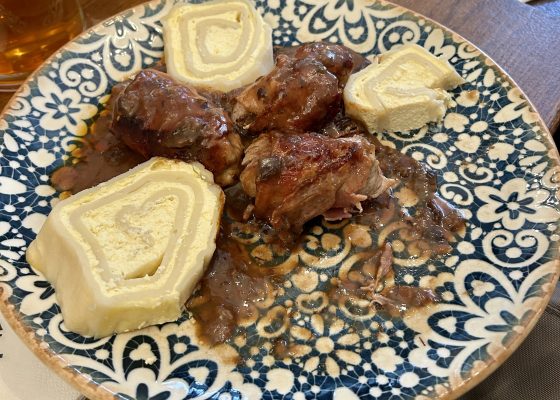
- Pork Tenderloin with Cheese Rolls
-
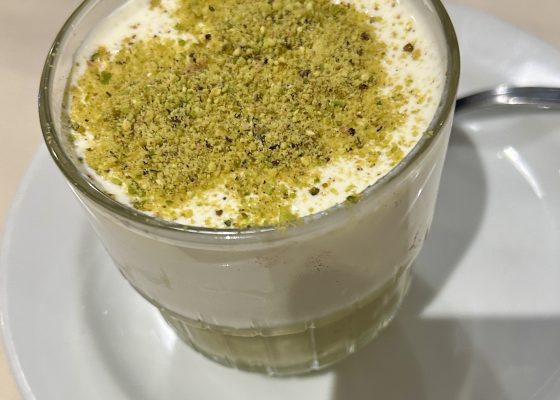
- Pistachio Cream
-
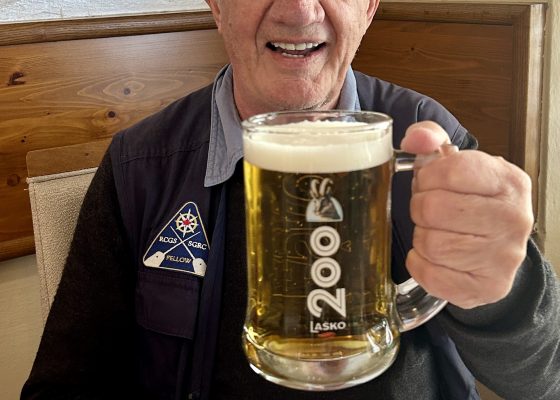
- Lasko Draft
-
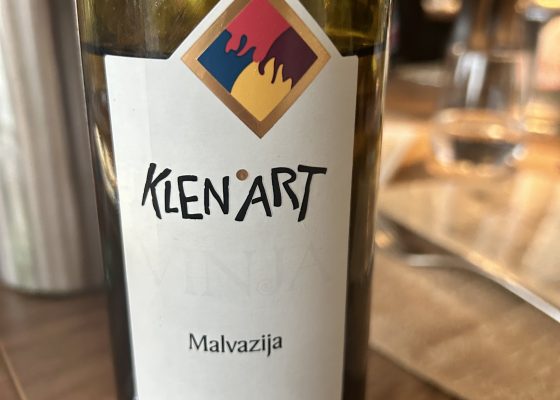
- Klen Art Malvazija
So those are ten reasons to add Slovenia to your bucket list, but there’s more you need to know and that’s the Adventures Abroad advantage. Alison and I have been travelling with this Canadian company for over 30 years and have never been disappointed.
Each tour is led by an experienced guide. In the case of this trip it was Rob Ogden from Deep Cove, North Vancouver. It was our first trip with Rob, but not our last as we had the pleasure of travelling with him to China in October, 2026. To say that Rob is unflappable would be an understatement. He handles every situation with aplomb, good humour and down to earth common sense. If you are on a tour with Rob, you know you are in good hands.
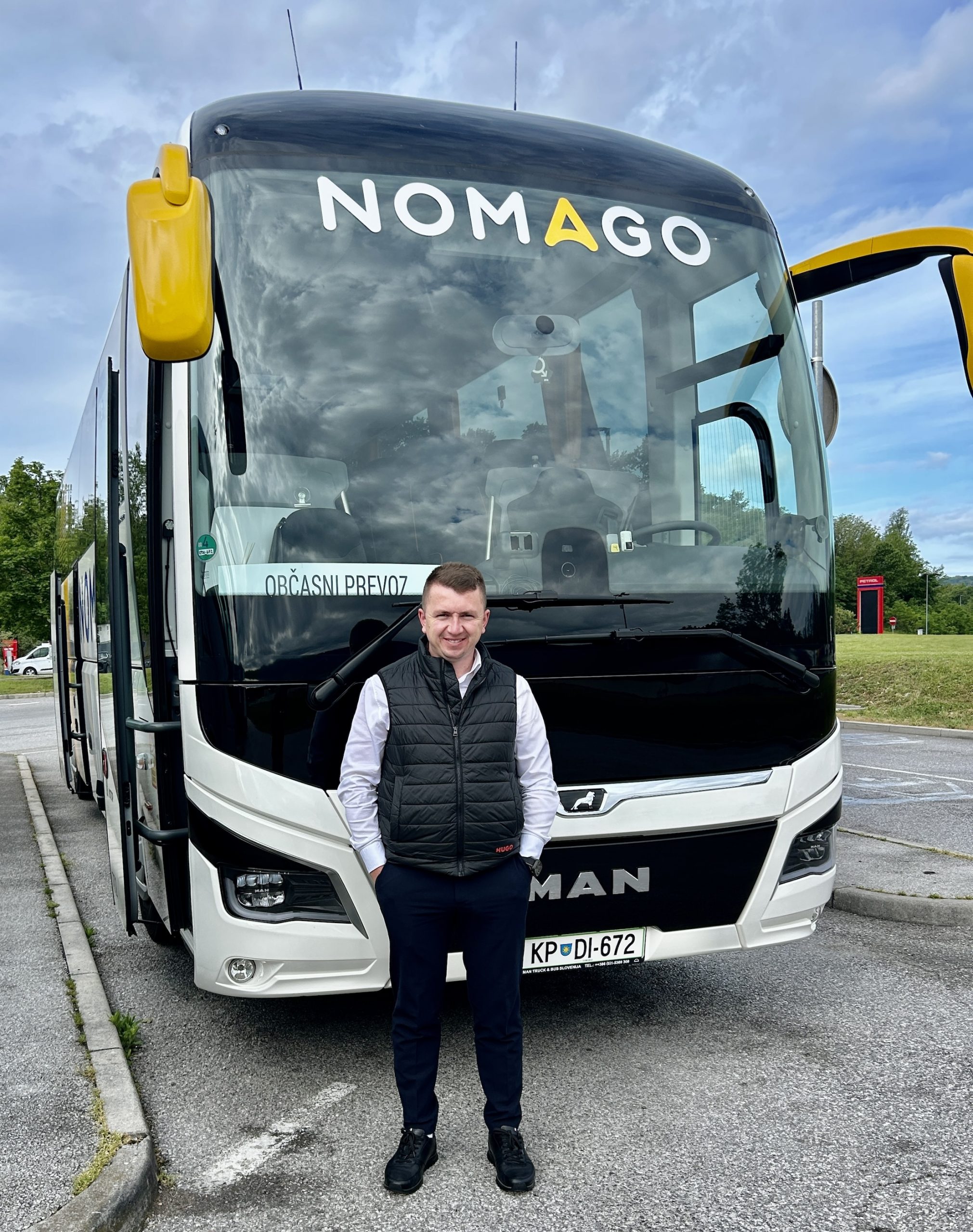
Every tour usually has a bus that is far larger than necessary to accommodate a group that never exceeds 18 and is often less. Such was the case on this Best of the Adriatic Tour. This was our bus and Slovenian driver Sban who was with us the entire way.
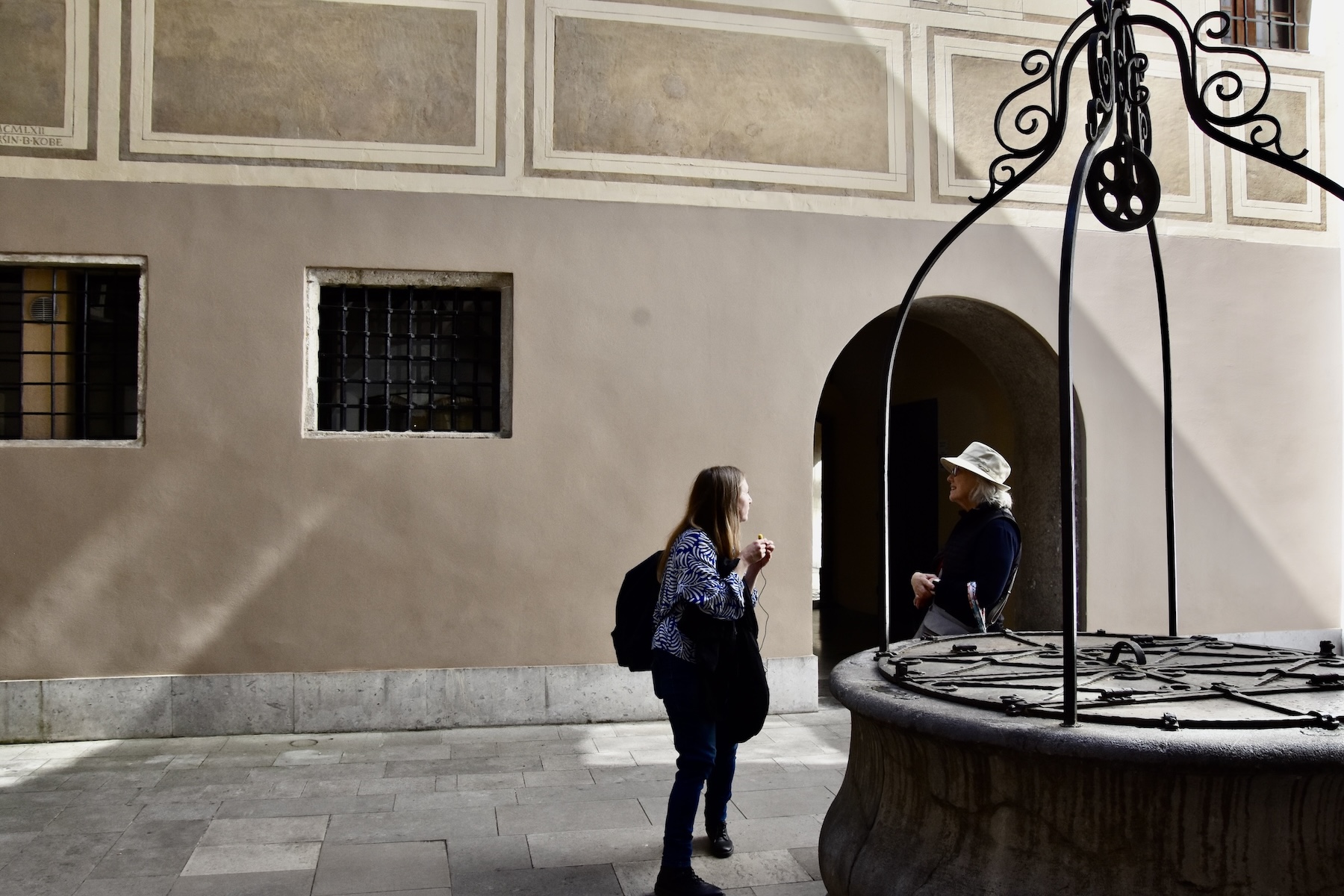
In addition to the tour leader and bus driver, Adventures Abroad employs local guides at all major attractions. For example this is Alison and local guide Tina having a quiet moment in Ljubljana. These local guides add tremendously to the overall experience.
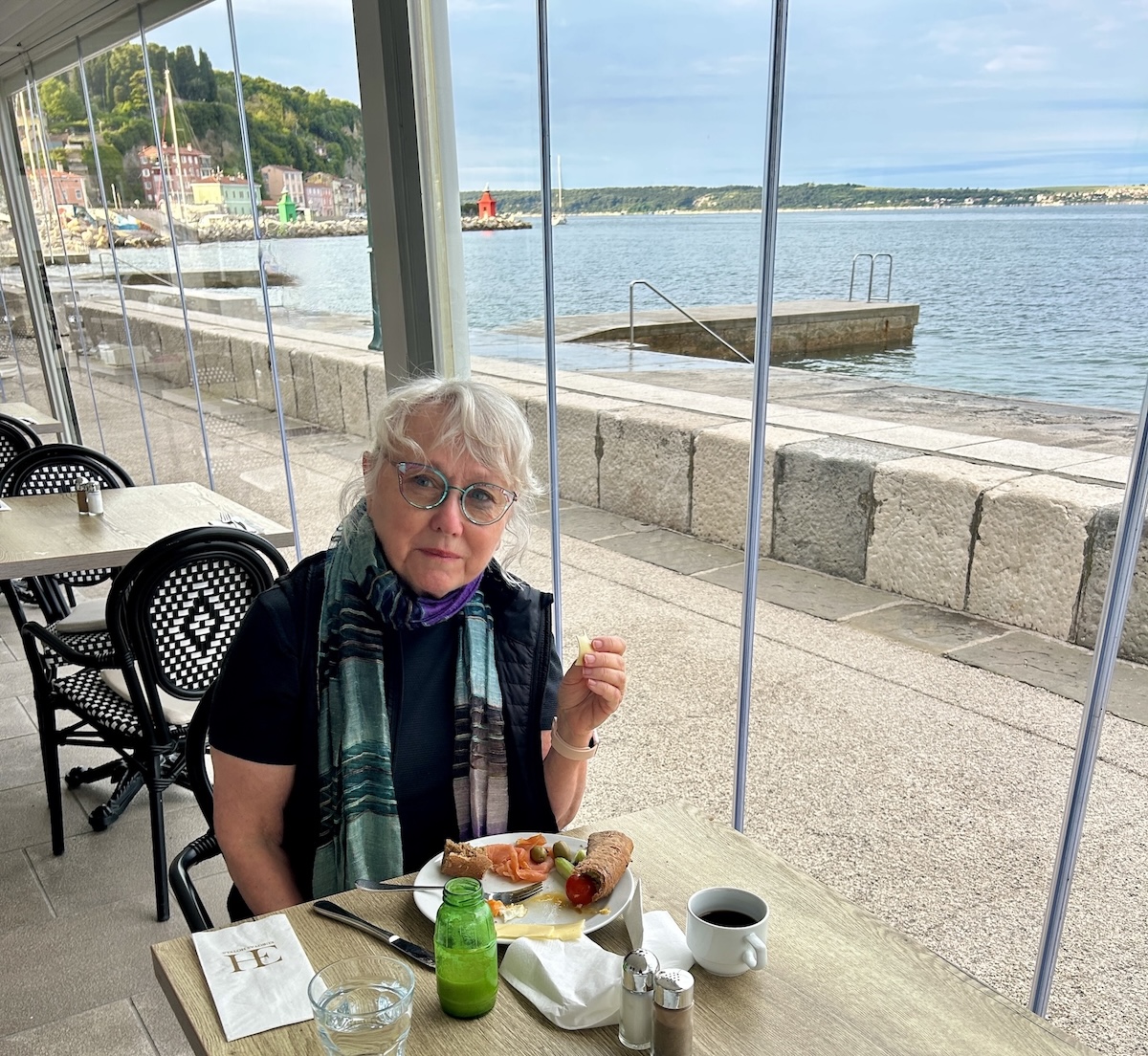
Lastly, the hotels that Adventures Abroad uses are usually 4 star and in great locations. The Hotel Piran in Piran was a great example. Located right on the waterfront it offered great views of the harbour and the breakfast room was bright and sunny, right beside the water.
Alison and I have been on about 25 Adventures Abroad trips and I have to say that this Best of the Adriatic tour was about the most relaxed and well paced one ever. There were no really early starts and no late arrivals. The advantage of Slovenia’s small size is that there is not a lot of driving between stops and more time to enjoy the places we visited. That same relaxed pace continued as we entered Croatia which I will describe in a future post.
I will be going into more detail about the places I have described in this post over the next couple of months. I hope you’ll look forward to reading more about Slovenia – I know I’ll enjoy doing the writing.