
National Field of Honour

Sometimes you stumble upon a place in the course of your travels that you can’t believe you didn’t know about before. Such was the case yesterday with my visit to the National Field of Honour in Pointe Claire, Quebec. Here’s how that came about.
My son Bruce and his family live in Beaconsfield and I was on my way to visit them when I noticed a sign for a National Historic Site on the exit before the one to their house. I couldn’t really make sense of what type of historic site it was from the signage. When I asked Bruce about it, he didn’t have a clue, even though it was only a few kms. from his residence. So I went on line and looked up the list of NHS’ for the Montreal area and found this website dedicated to the National Field of Honour which was designated as a National Historic Site in 2007. As a student of military history I knew I had to visit and the next morning that’s exactly what I did.
I can do no better than to take the description of what the National Field of Honour is than to quote directly from the website:
The Last Post Fund National Field of Honour reflects a tradition of military cemeteries in its uniform arrangement, the orderly placement of the graves, its monuments and its axial plan, all of which typify such principles as the equality of soldiers in death, military comradeship and discipline and perpetual remembrance. It constitutes a place of remembrance dedicated to the men and women who served under the colours, evoking some two hundred years of Canadian military history.
Opened in 1930, the cemetery was created in order to provide a dignified, honourable and respectful resting place for those who served their country and made incredible sacrifices. In 2009, the National Field of Honour was designated as a National Historic Site by the Historic Sites and Monuments Board of Canada.
The National Field of Honour is the first cemetery solely devoted to military personnel and their immediate relatives, to Allied Veterans who participated in major conflicts such as the World Wars, the Korean War and in Afghanistan as well as all police force members who served on any international mission.
The National Field of Honour is administered by the Last Post Fund’s Quebec Branch. It is a reminder of our gratitude to Canadian and Allied Veterans who served their country. Overlooking Lake Saint-Louis, the entrance is marked by the Gate of Remembrance, a medieval arch which has a little chapel in one of it’s towers.
The National Field of Honour is part of a much larger cemetery complex just off Elm Avenue in Pointe Claire. After passing a number of civilian cemeteries you arrive at the Gate of Remembrance.
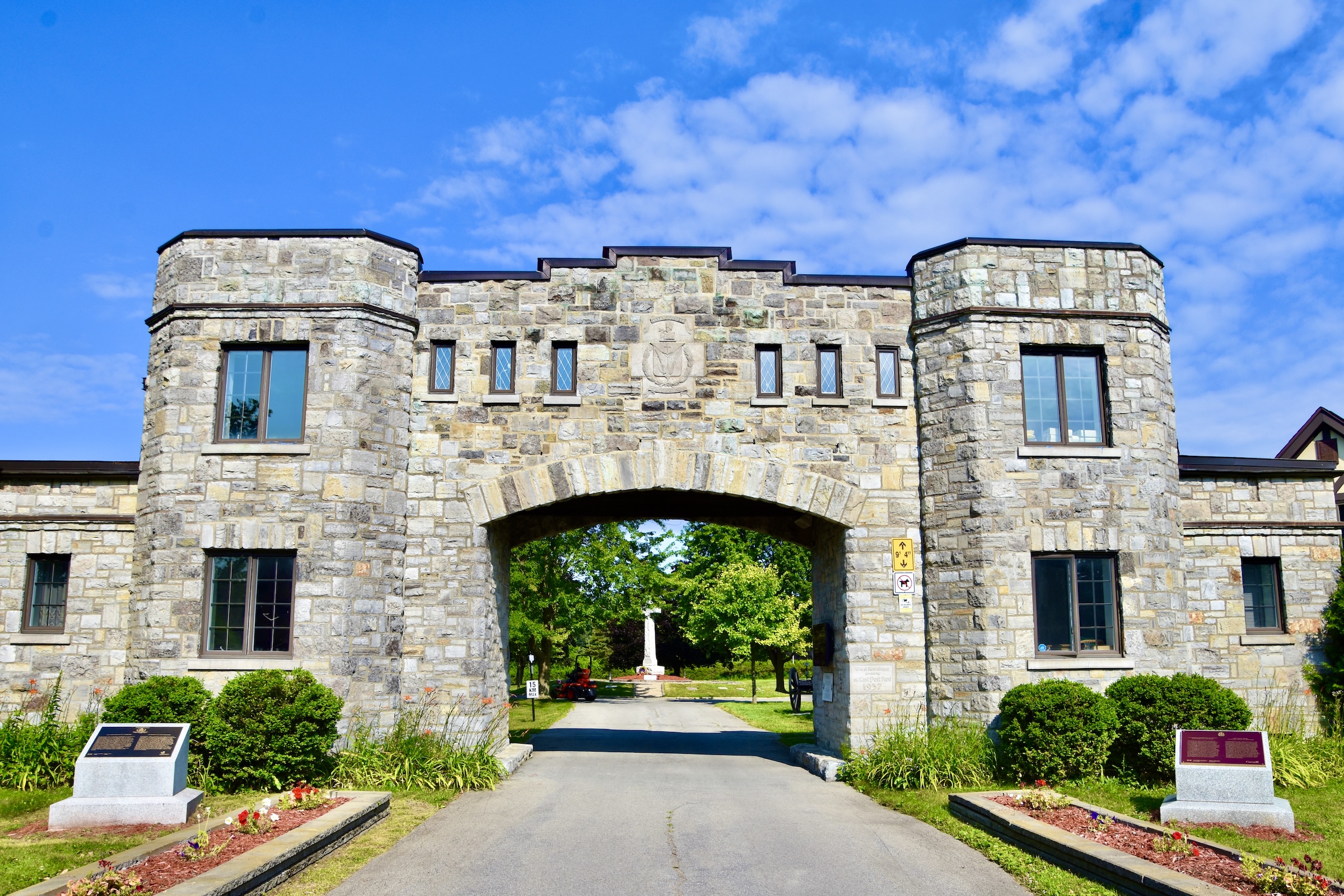
I passed through and parked in the small circle just past the gate and here’s where serendipity came into play. The place is vast and rather than headstones the burials are marked by plaques. It would be next to impossible to find any particular burial site just by walking around. As luck would have two gentlemen asked if I needed any help and it turns out they were Lech Kwasiborski who is one of the persons in charge of the Last Post Fund that administers the National Field of Honour and Rick Cartmel, the President of the Churchill Branch #91 of The Royal Canadian Legion. When I told them I’d never heard of this place despite my interest in military history they offered me a guided tour.
Some Highlights from the National Field of Honour
Here are some of the highlights.
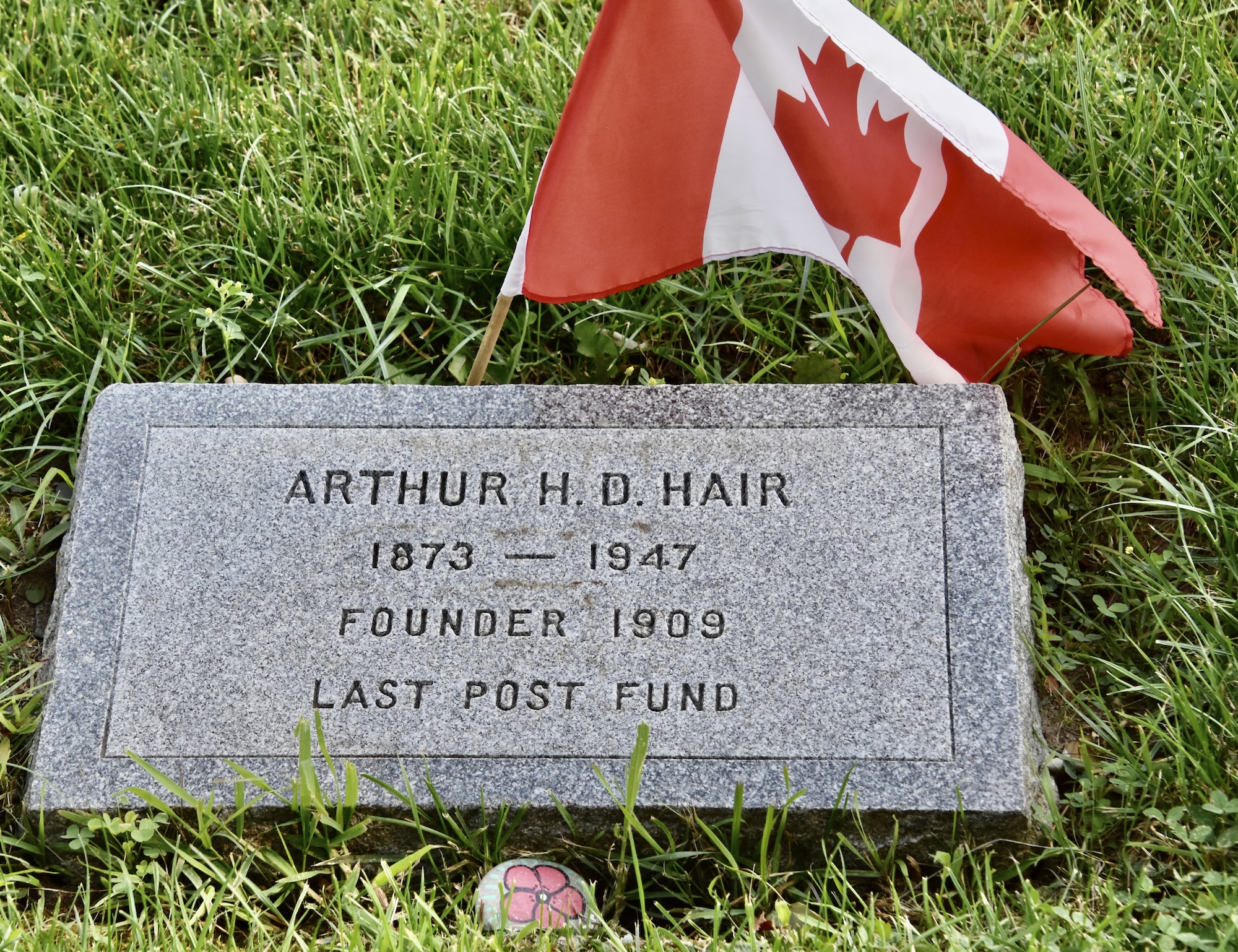
This is the final resting place of Arthur Hair who founded the Last Post Fund in 1909 after finding a dying homeless man on the streets of Montreal in 1908. It turned out the man, James Daly, was a veteran of the Crimean War. You can read the rest of the story about Arthur Hair and his amazing accomplishments by following the link.
Lech told me there are veterans form over two dozen countries buried in the National Field of honour and all told over 22,000 interments. He took me to a few of the more notable ones including a man that Montrealers at once both hated and admired.
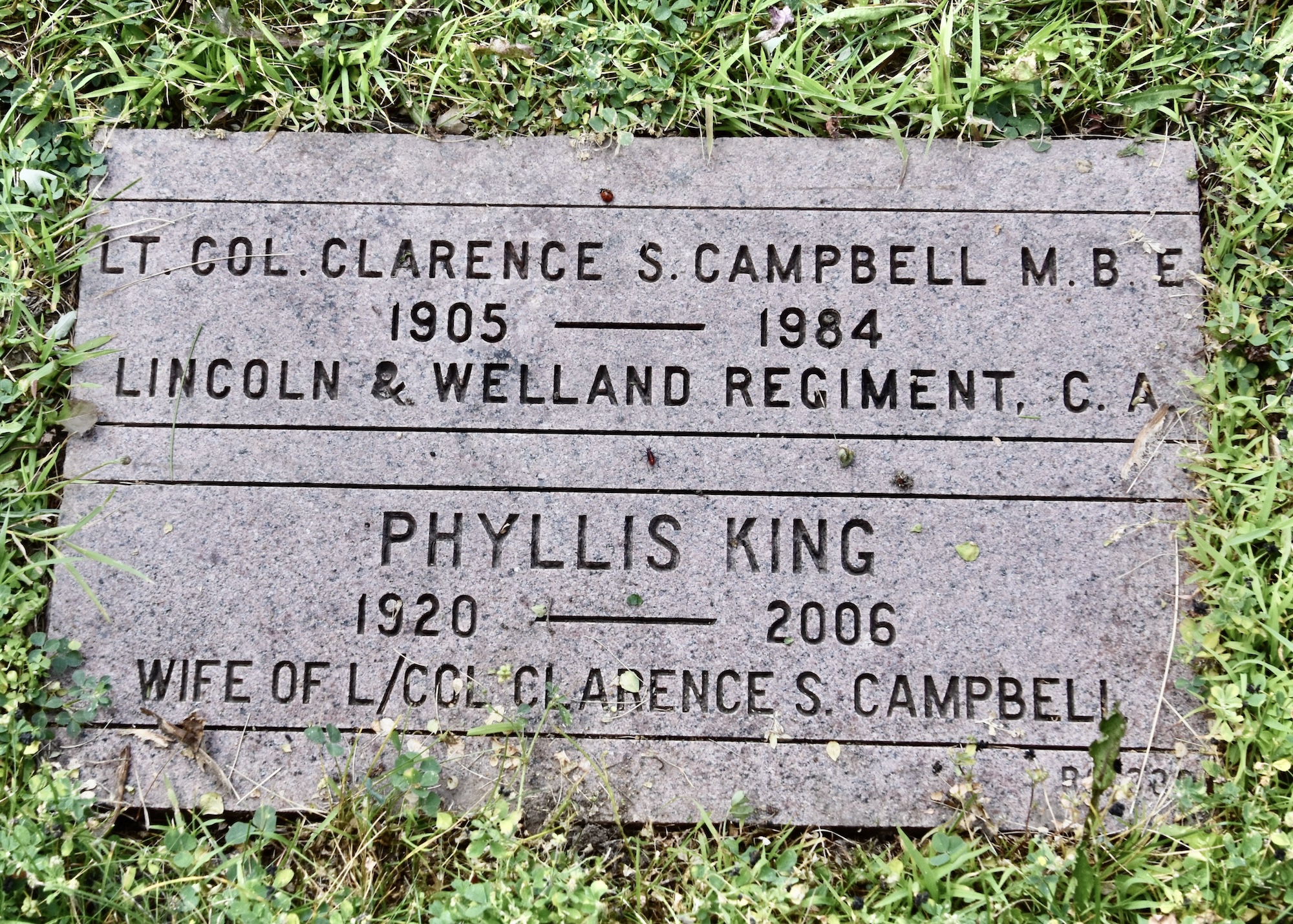
Yes that’s the Clarence Campbell who presided over the NHL for over 30 years and was instrumental in expanding the league to 12 teams in 1967. His suspension of Rocket Richard for punching a linesman in 1955 led to the infamous ‘Richard Riot’ on St. Patrick’s Day. I was impressed that it was more important for him to be buried with his fellow vets rather than be remembered for his hockey exploits.
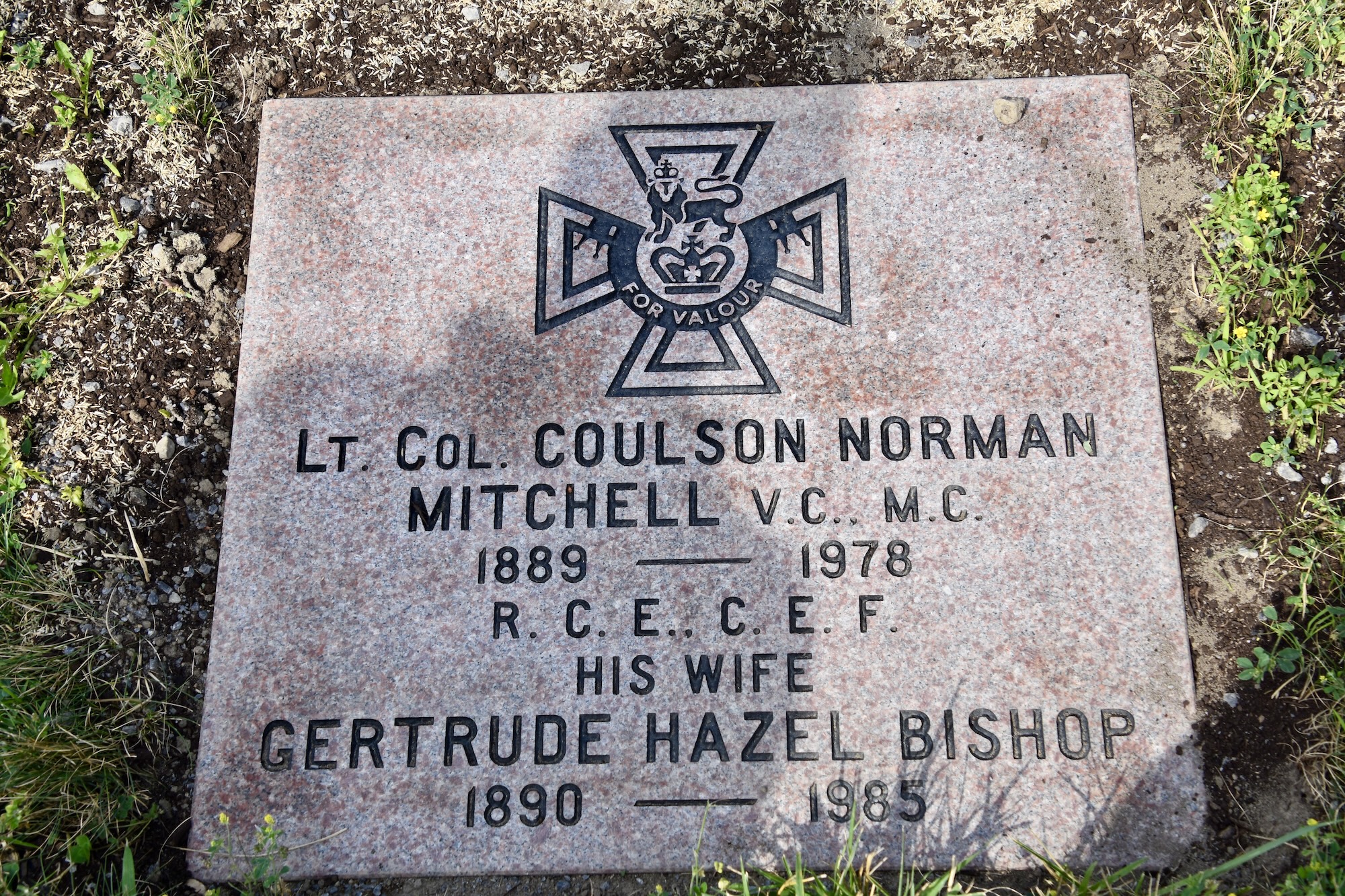
This is the grave of Lt. Col. Coulson Mitchell who earned a Military Cross at Ypres in 1916 and then a Victoria Cross at Cambrai in October, 1918, the last Canadian to be awarded a VC in that conflict.
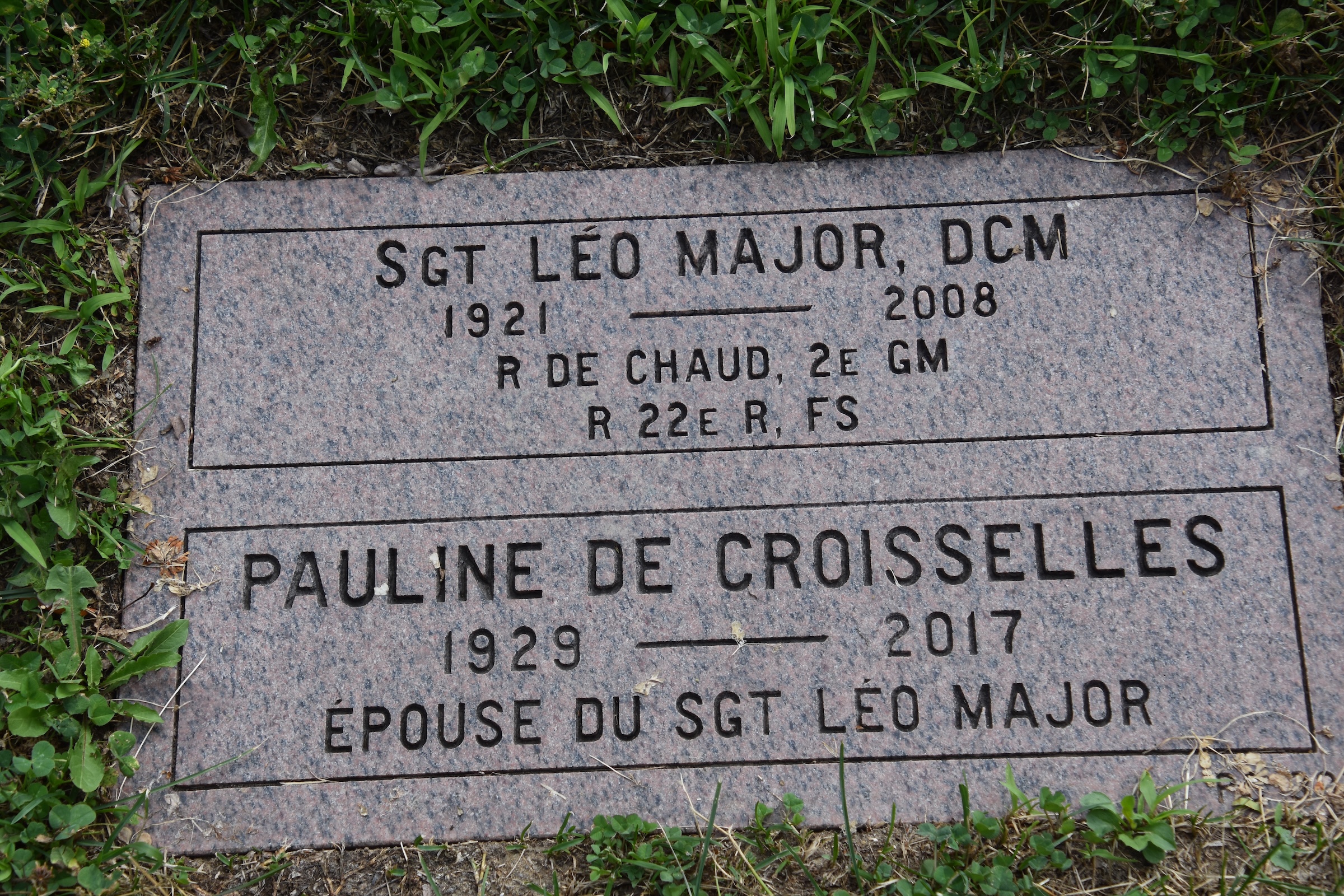
This is the grave of Sgt. Leo Major, often alled the ‘Rambo of Quebec’ a revered figure among the Quebecois for his fighting prowess in both WWII and the Korean War.
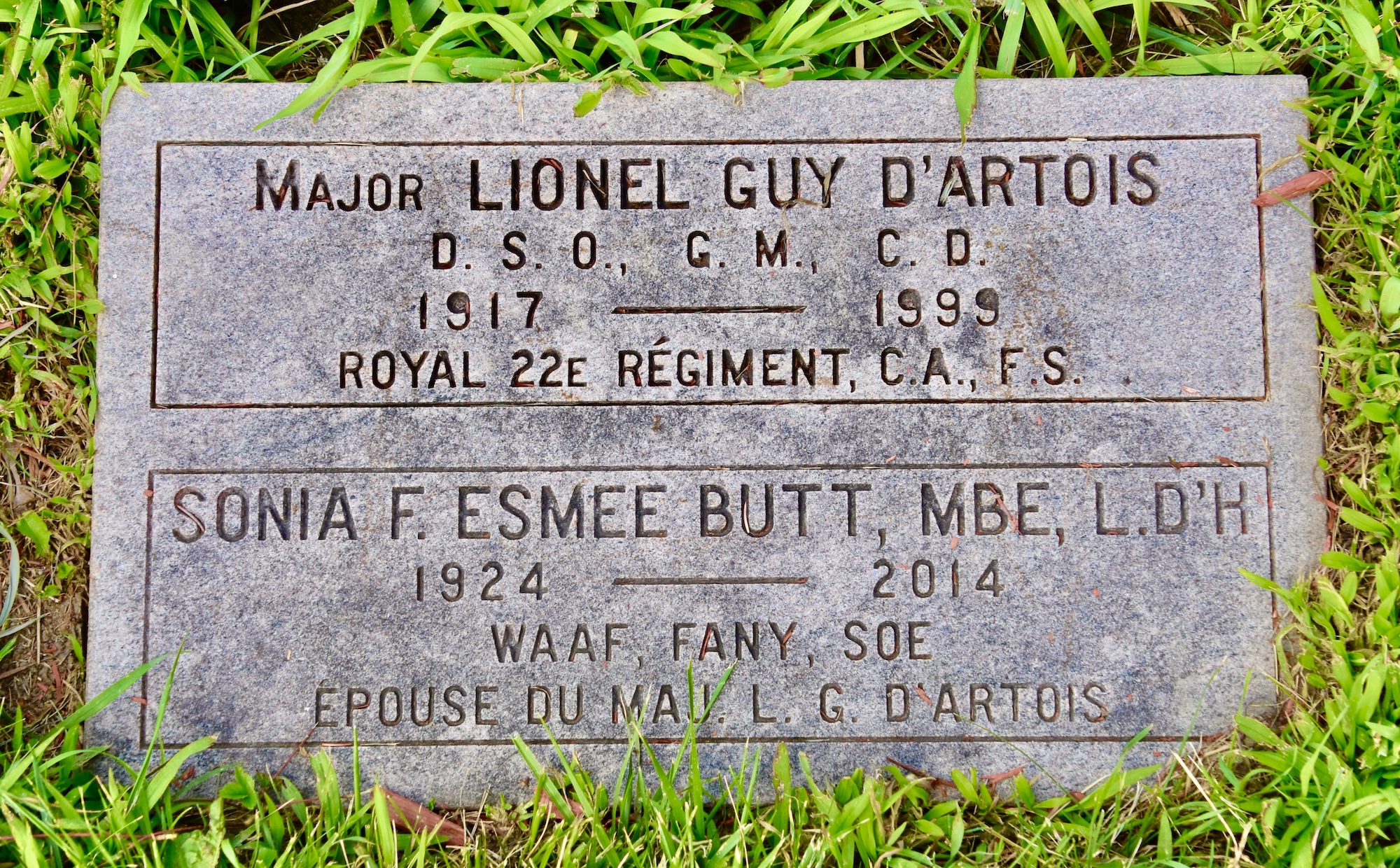
These are the graves of one of the most celebrated and decorated couples to ever fight behind the enemy lines in WWII. Both were special ops agents who parachuted into France and worked with the underground in possibly the most dangerous non-combat missions in the war. Read more of their story by following this link.
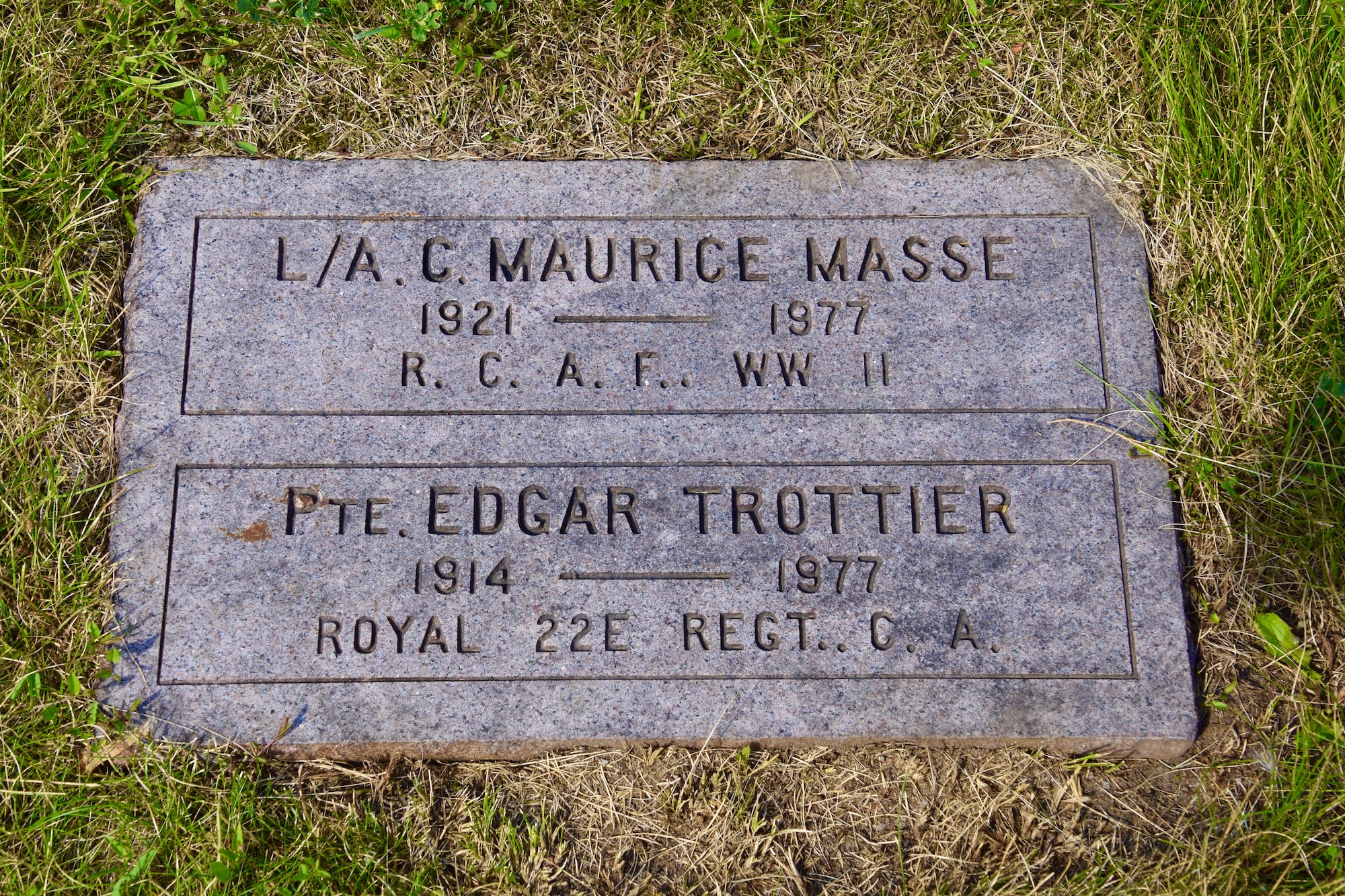
The final grave I’ll highlight from the National Field of Honour is a tragic story ending in death, but not in combat. Edgar Trottier was a homeless WWII vet with severe alcoholism. On the night of February 6, 1977 at around 4:AM he was lying in the middle of a road in Montreal when he was struck and killed by the Premiere of Quebec, Rene Levesque. While Levesque faced no charges, it did ruin his marriage because he was in the company of his long time secretary.
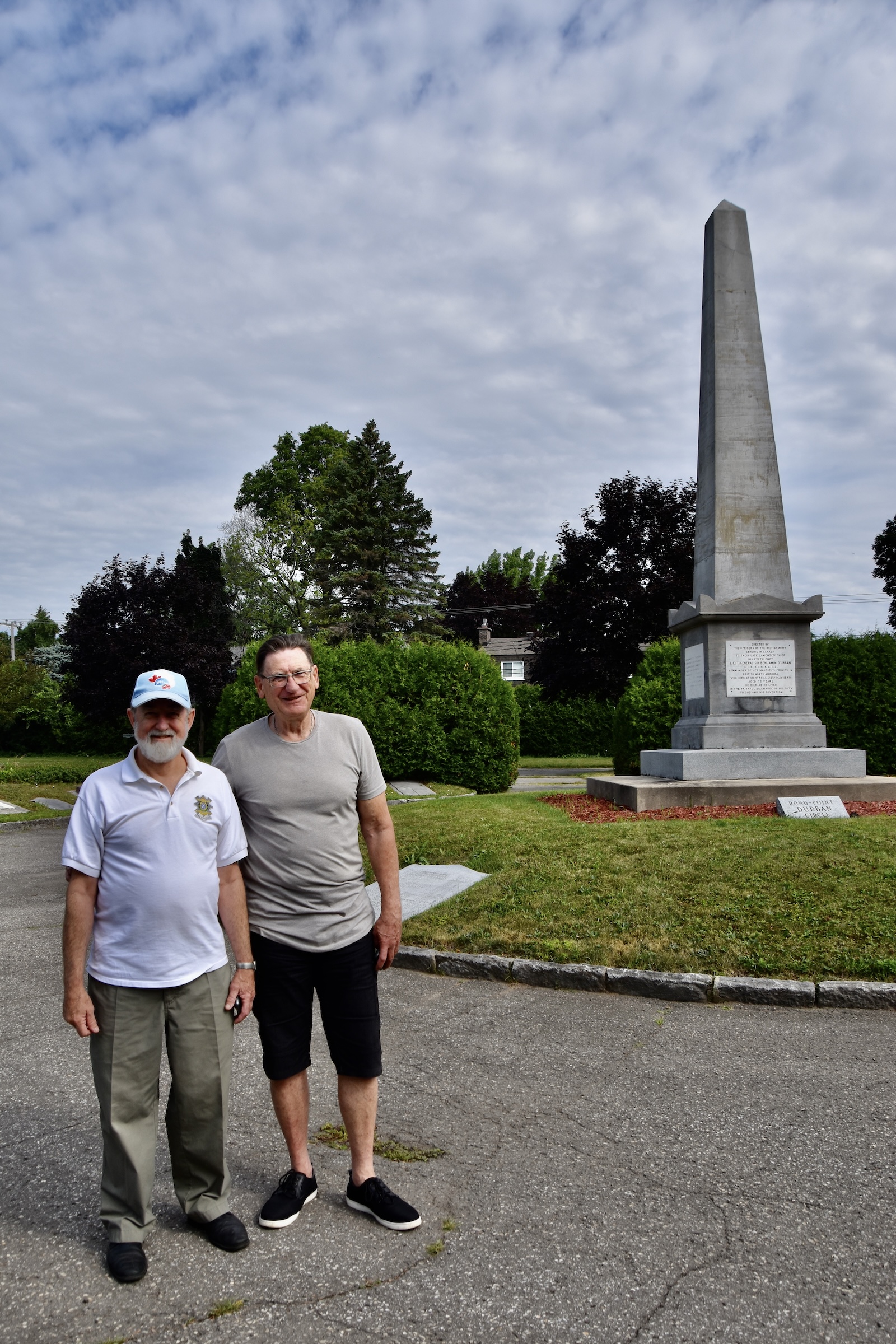
This is a photo of Rick and Lech standing near the obelisk dedicated to Sir Benjamin d’Urban Commander of the British Forces in North America who died in Montreal in 1849. He had fought in the Napoleonic Wars and later as an administrator in South Africa where the city of Durban is named after him.
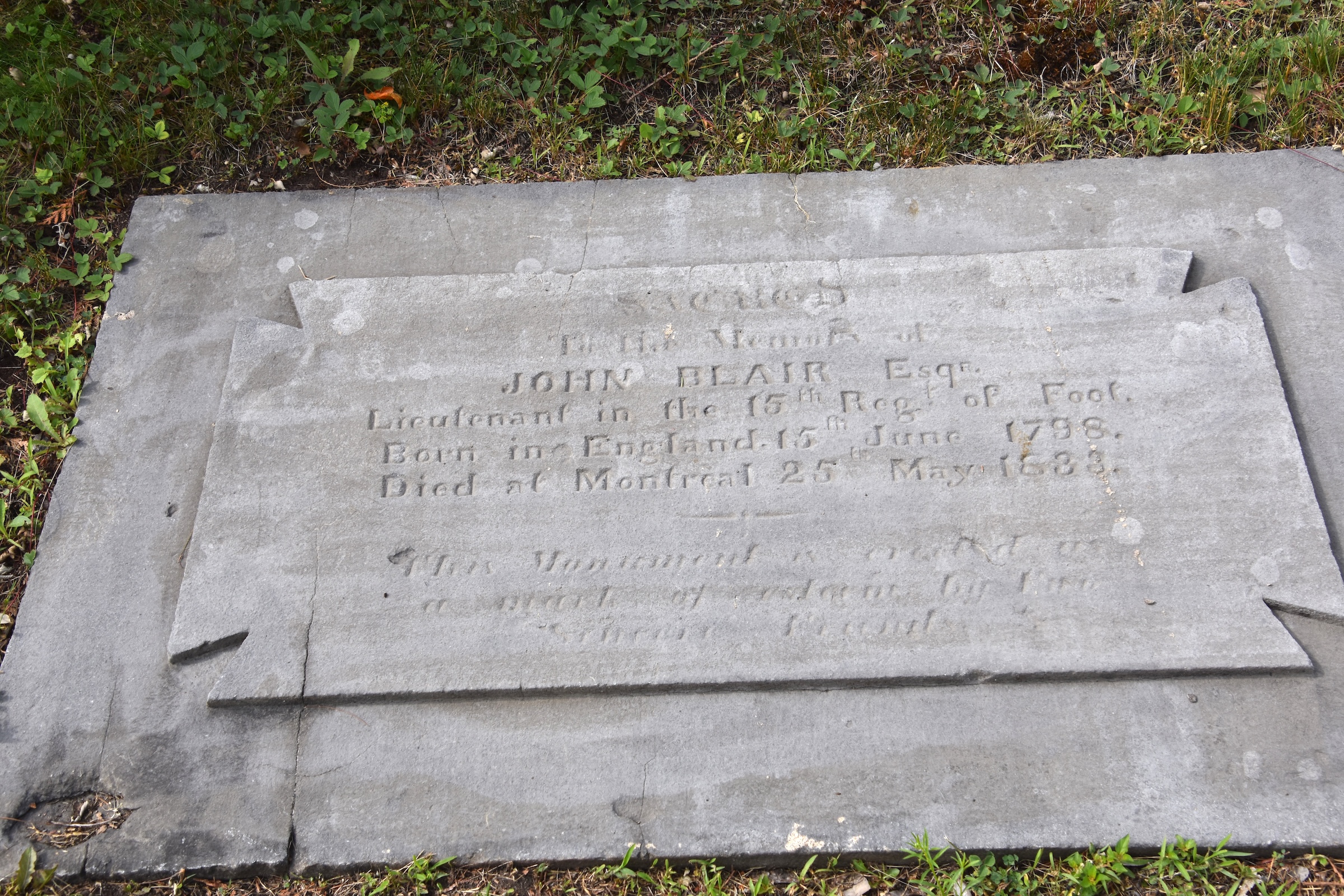
Surrounding him are the oldest graves in the National Field of Honour and include veterans from the Battle of Waterloo, the War of 1812 and the Fenian raids. They were moved here from the Papineau Cemetery in 1943 which was directly in the path of the soon to be constructed Jacques Cartier bridge.
Here is just one of these relocated burials.
If you can’t get to Europe to visit some of the Commonwealth War cemeteries I’ve written about like Calais or Cabaret Rouge, then at least make an attempt to get to the National Field of Honour to pay homage to the men and women who have been protecting this country for well over 200 years.
In the next post I’ll visit another National Historic Site in the Montreal Area, the Lachine Fur Trade NHS.