
Ballestas Islands – Peru’s Offshore Birding Paradise

In the last post we got the Adventures Abroad Kingdoms of the Andes tour off to a great start with a fly over of the mysterious Nazca Lines. In this post we’ll stay in the Paracas area, but take a boat rather than a plane to explore the birding haven of the Ballestas Islands where I hope to add some life listers including Inca terns, Peruvian boobies and if I’m really lucky, Humboldt penguins. Even if you are not a birder you’ll want to come along for the trip to these fascinating islands.
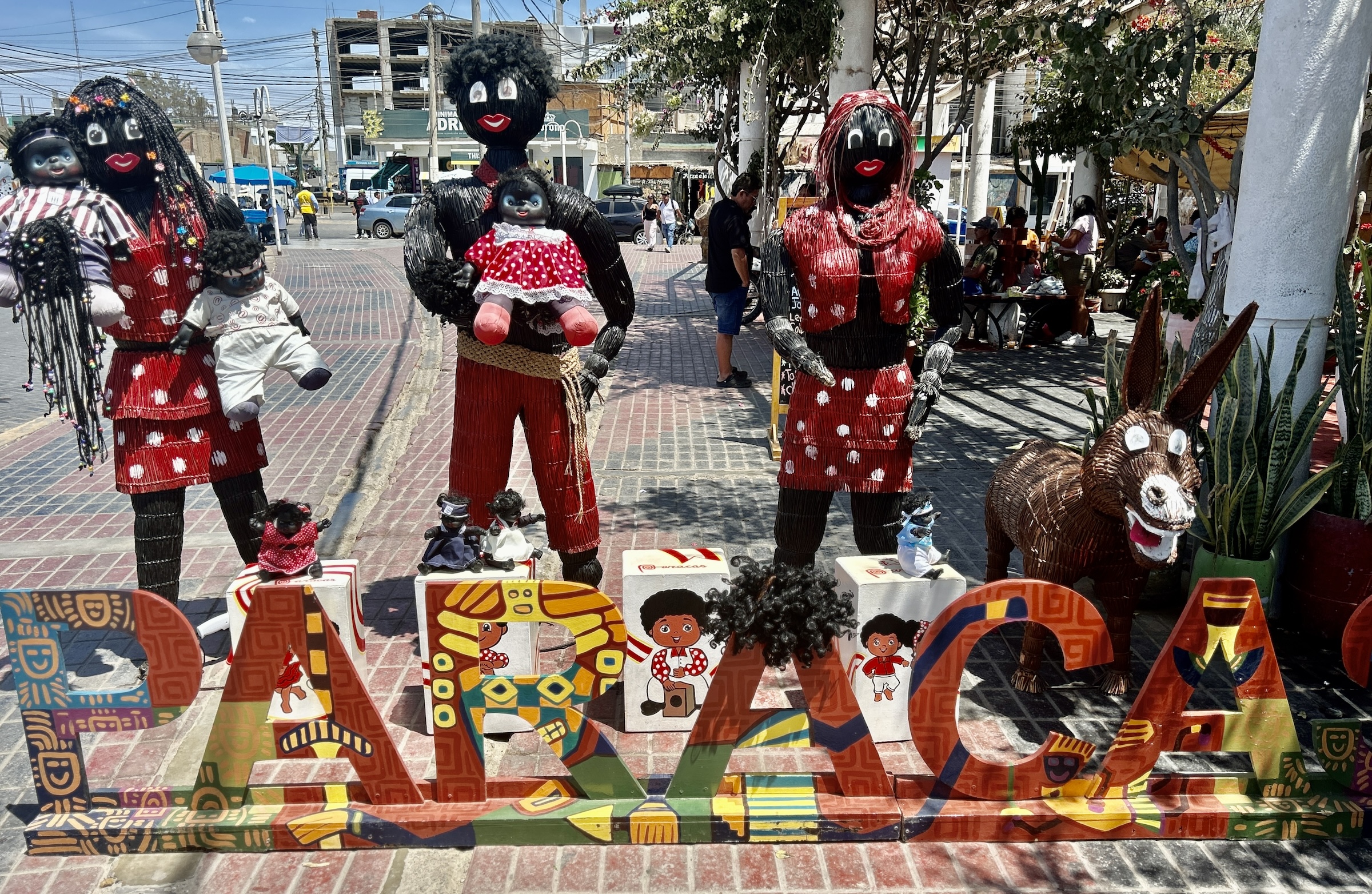
After we finished our Nazca lines flyover we headed to the small tourist town of Paracas and checked into the Casa Andina for two nights. The town is the namesake of the Paracas culture that flourished in the area from roughly 800 to 100 BCE before morphing into the Nazca culture. Later on this tour we will see artifacts from the Paracas and Nazca cultures in museums in Ica and Lima. Also of interest in Paracas is its connection to Afro-Peruvian culture as demonstrated by this welcome to Paracas display.
However, the reasons why there are so many tourists in the Paracas area are its great climate and as the departure point for trips to the Ballestas Islands. So bright and early the next morning we are headed for our own Ballestas Islands boat tour.
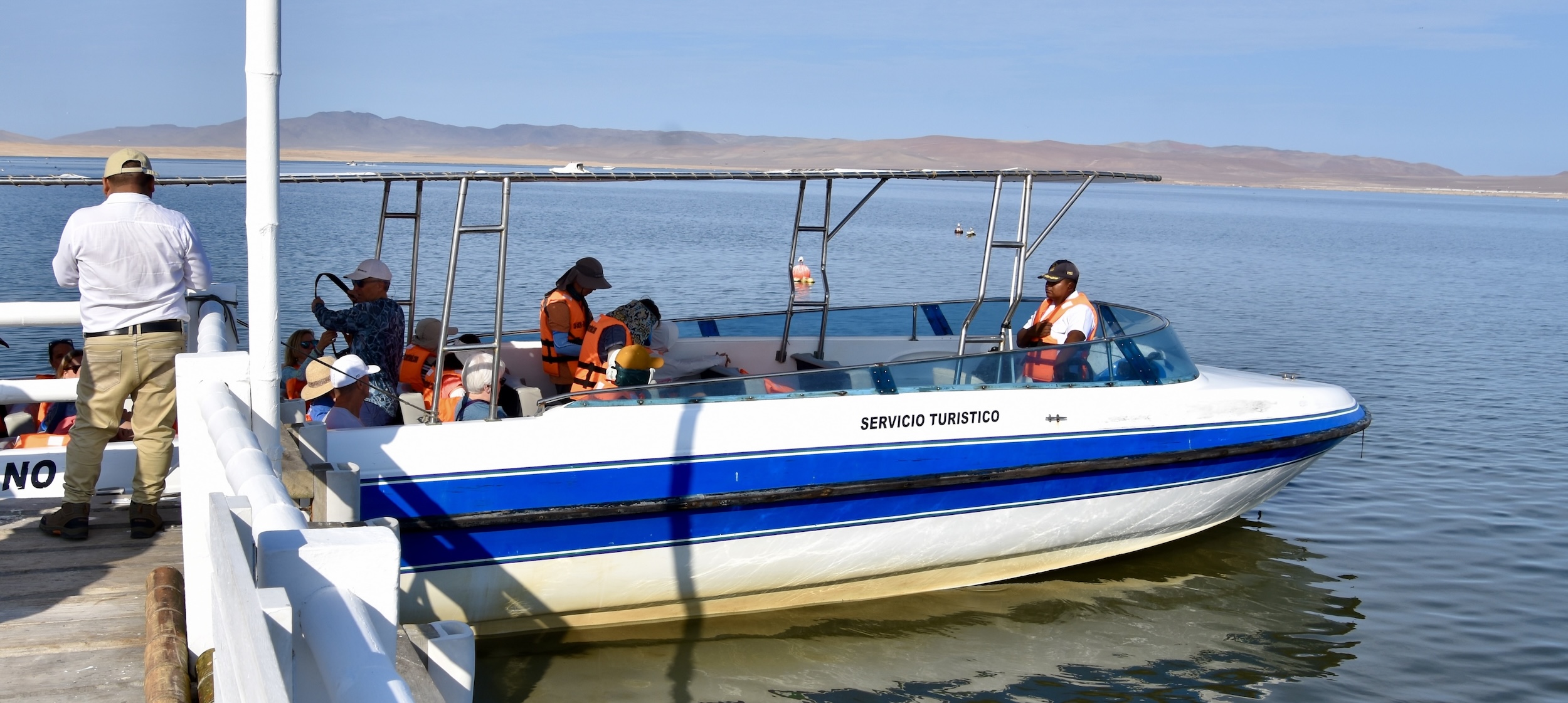
As you can see it’s not a particularly large boat, but the waters in Paracas Bay and around the Ballestas Islands are noted for their relative serenity. There were absolutely no issues with sea sickness or discomfort on this trip.
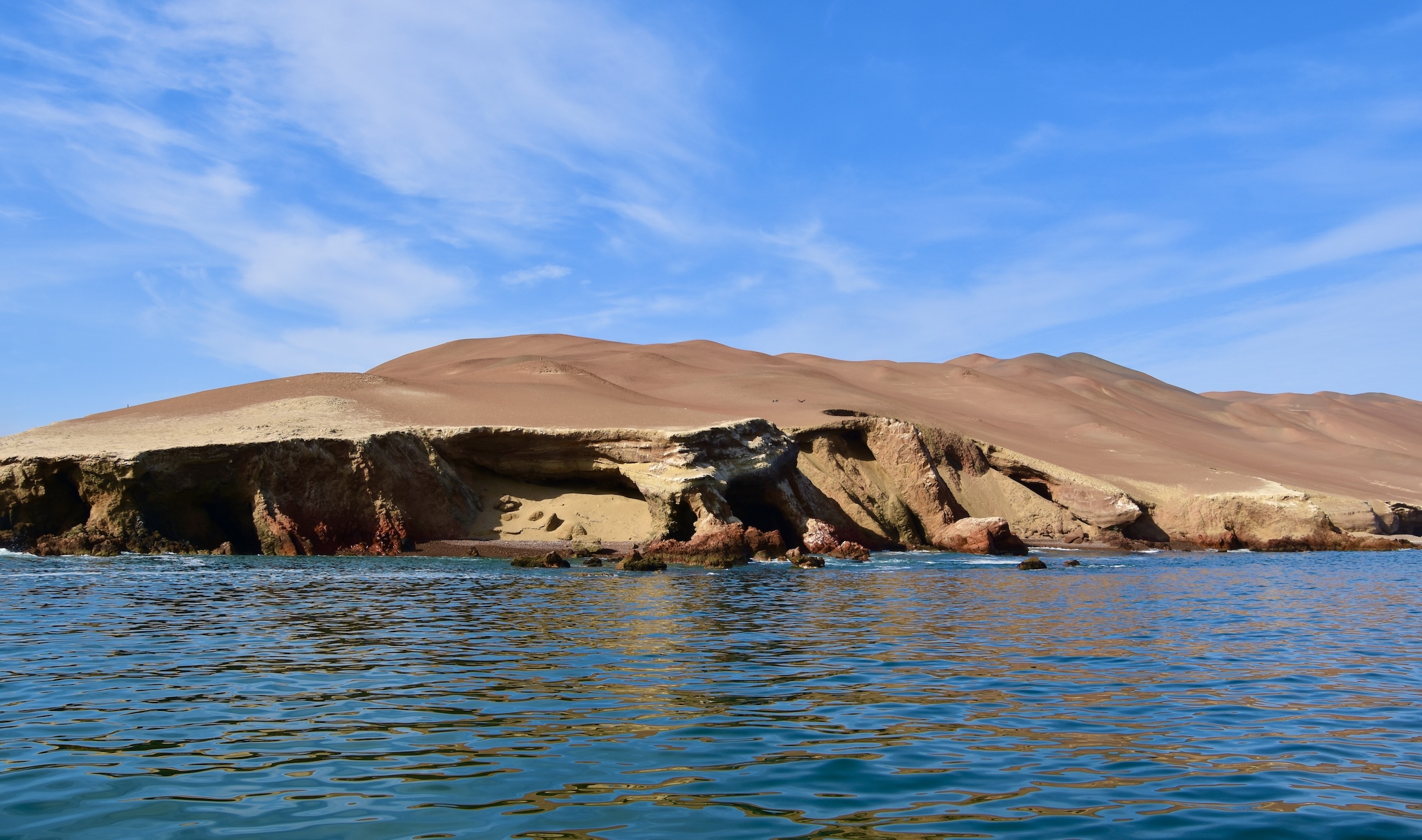
The Ballestas Islands and much of the coastline around Paracas is part of the massive Paracas National Reserve which preserves 335,000 hectares (827,000 acres) of mostly desert like land that comes into view almost immediately on leaving the harbour. The photo also shows how calm the water is.
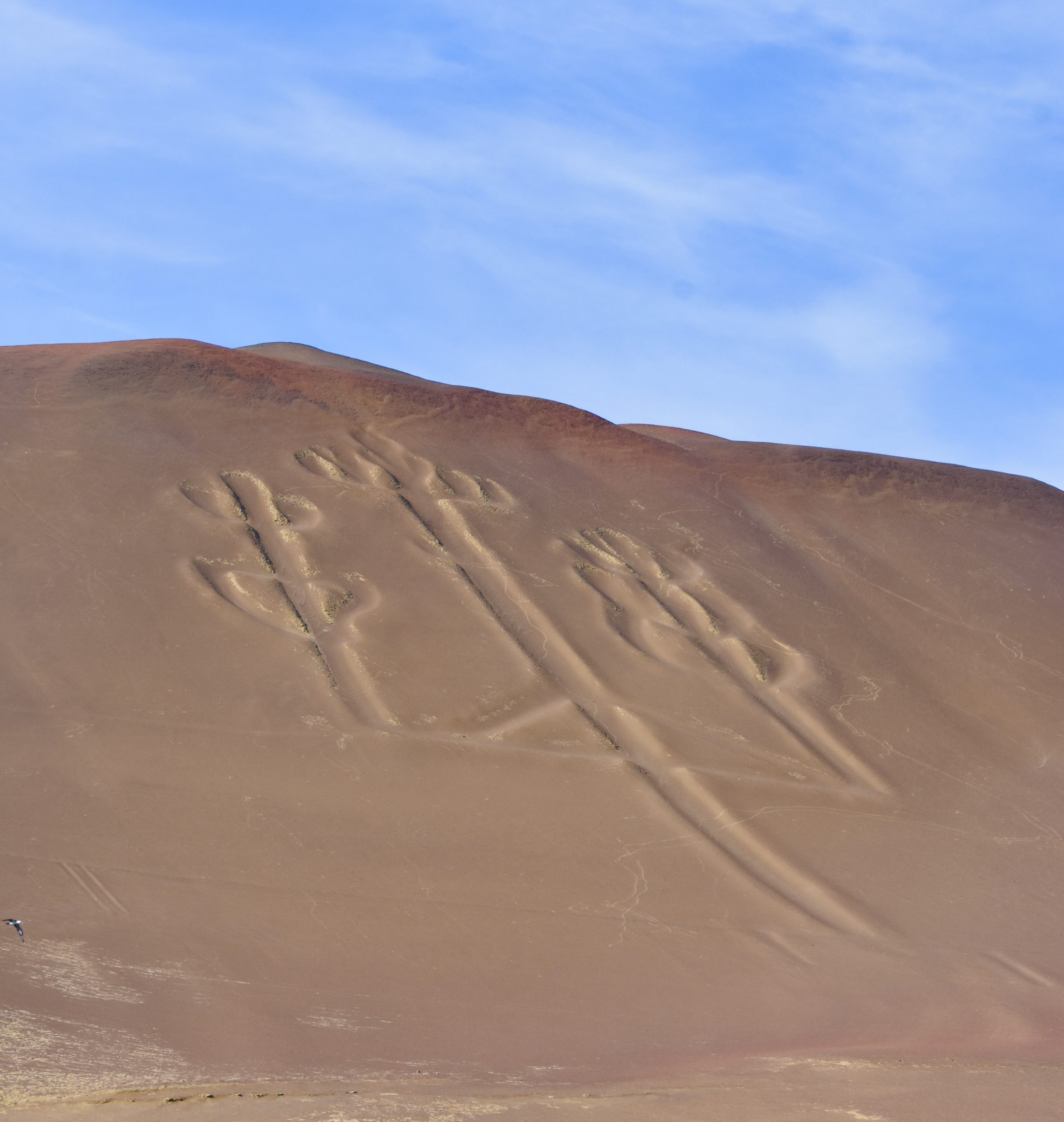
An added bonus on this Ballestas Islands tour is getting a good look at another one of Peru’s great mysteries – the Paracas candelabra. Believed to date back as far as 200 BCE no one knows for sure why it was built and what is means. Like the Nazca lines, it is a geoglyph with two feet of soil being removed to form the indentations that do look like a candelabra, but that is almost certainly not what it was meant to portray. Your guess is as good as mine.
After turning our backs on the candelabra we get our first look at the Ballestas Islands.
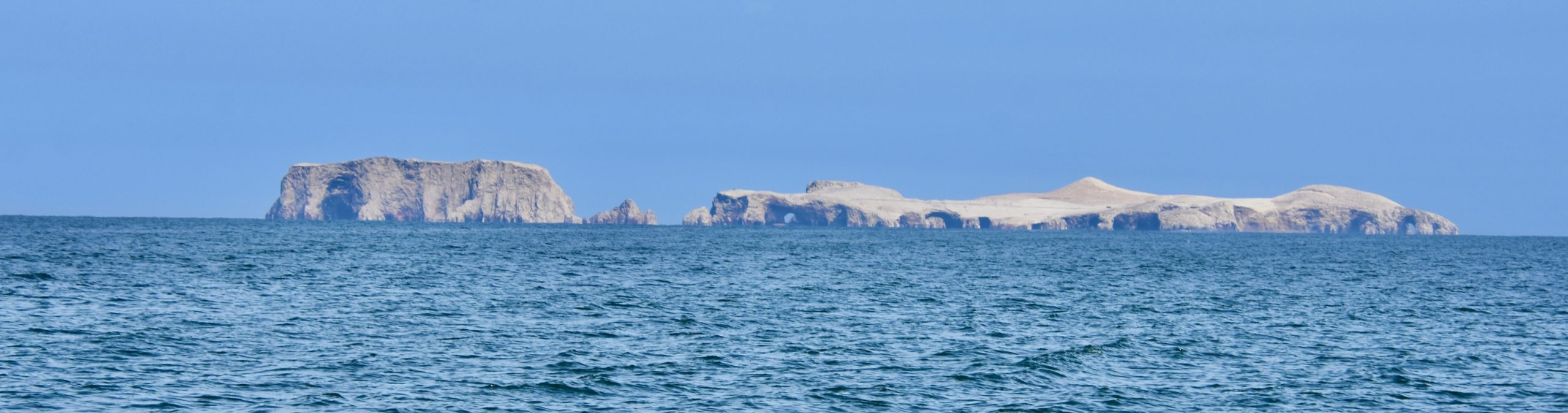
The Ballestas Islands are composed of three main islands and many smaller islets or rock outcrops. At one time the islands were covered in literally hundreds of thousands of tons of bird excrement known as guano which has been used as an excellent fertilizer since ancient times. Known as ‘white gold’, it quite literally sparked two wars in the mid 1800s with Spain, Peru, Chile, Ecuador and Bolivia all participating at one time or another. After these wars, the guano mining industry became a major economic driver of Peru’s economy lasting well into the 20th century when the guano on the Ballestas and other offshore islands was finally exhausted. Today the birds that produce this guano, primarily cormorants, boobies and pelicans, are left in peace although their poop is still gathered in a controlled process every decade or so.
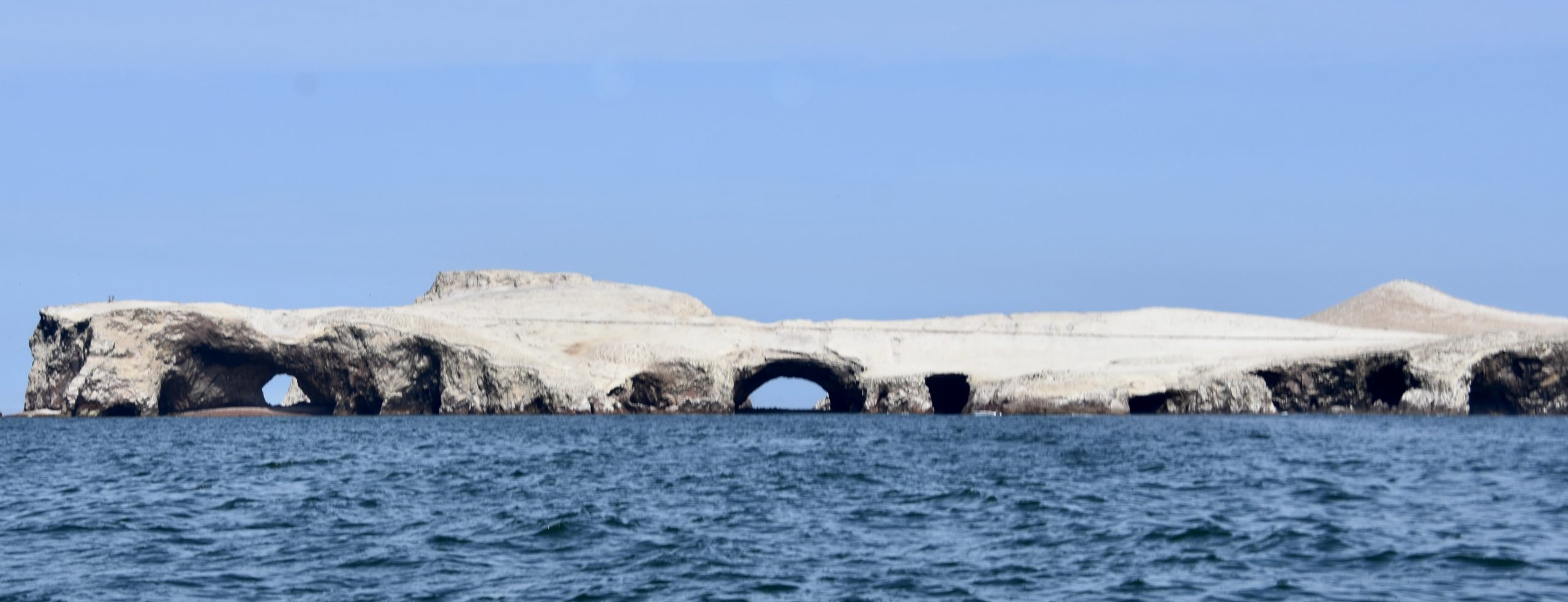
As we approach the first of the Ballestas Islands I can see that it has a couple of see arches that almost look like eyes staring at us.
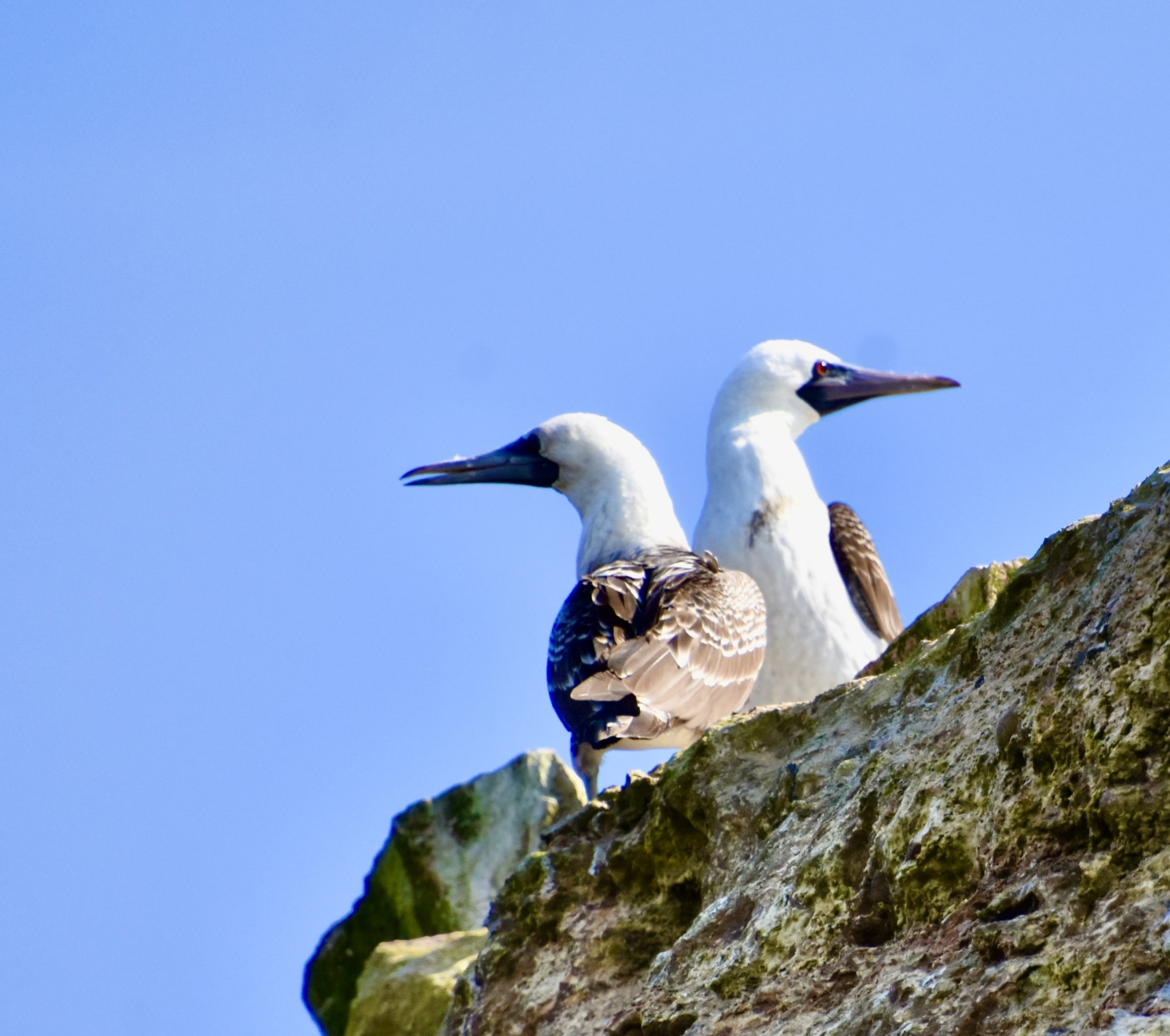
As we get closer the first boobies come into sight and they are indeed Peruvian boobies, a first for me and I suspect most others on this tour. They are differentiated from other booby species by their ling grey bills and grey feet.
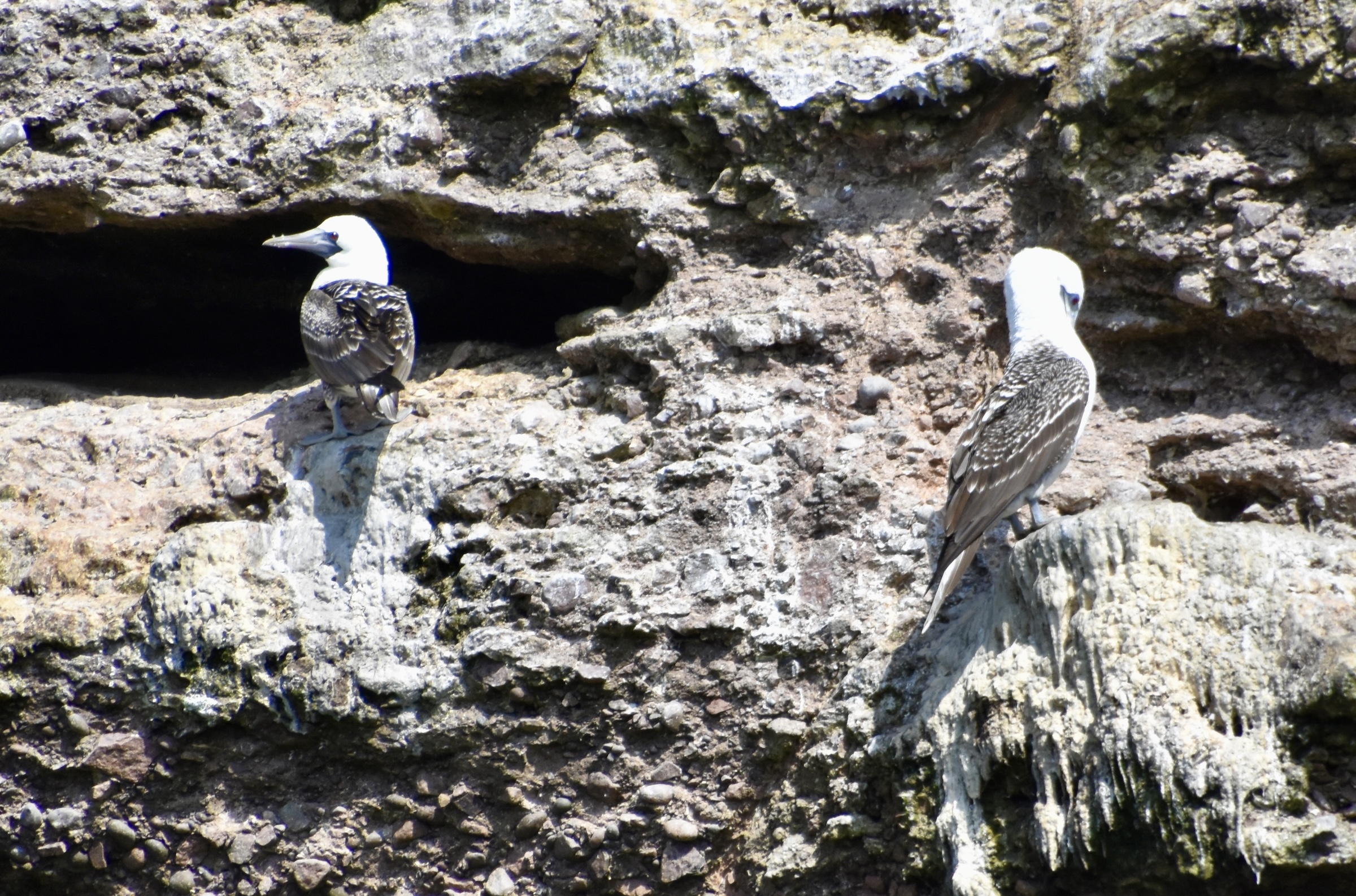
Here’s another one.
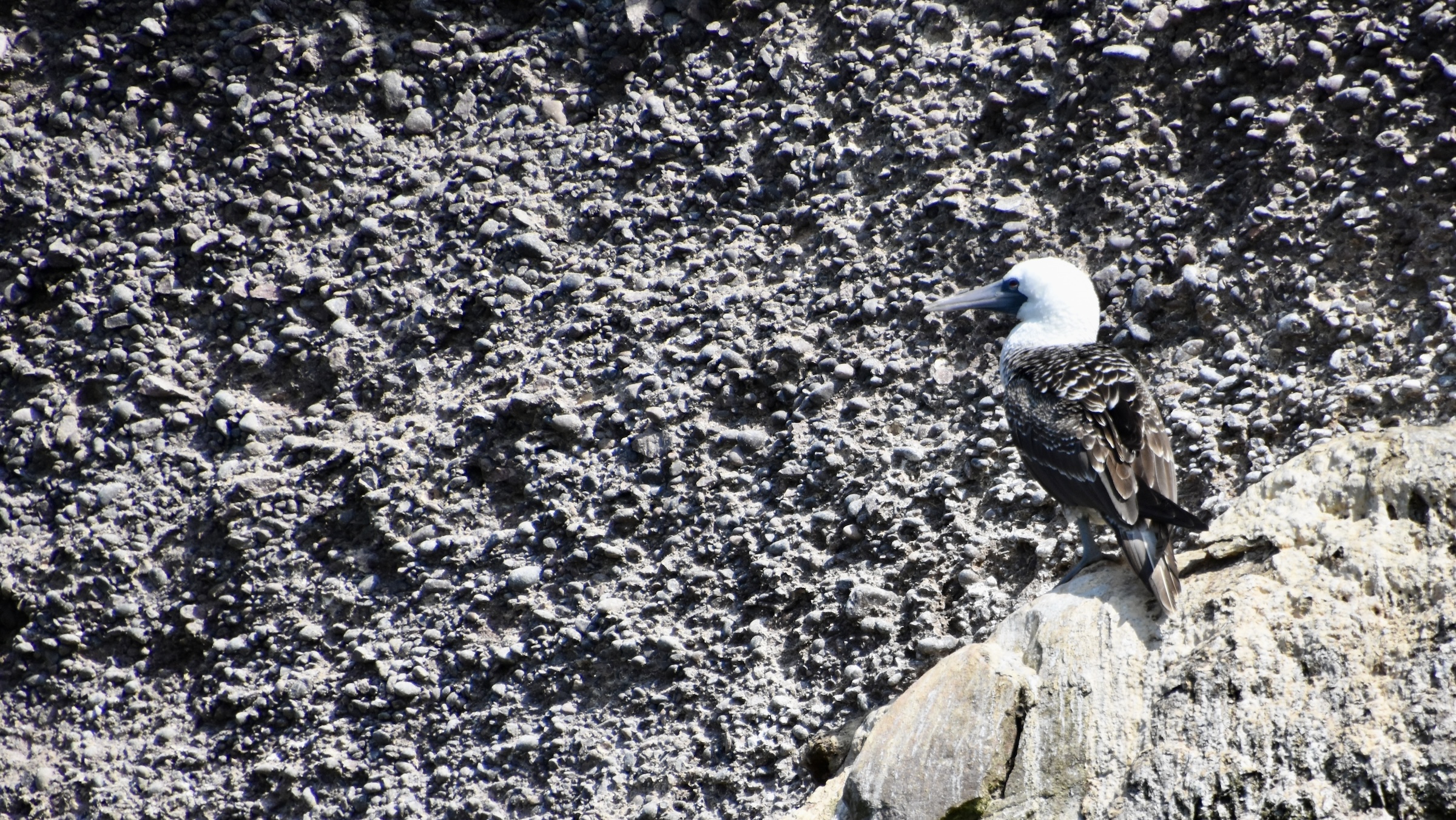
But these are not the only species of booby we spot today.
This is a blue-footed booby with a juvenile beside it – the feet are a dead give away even if it refuses to lift its head.
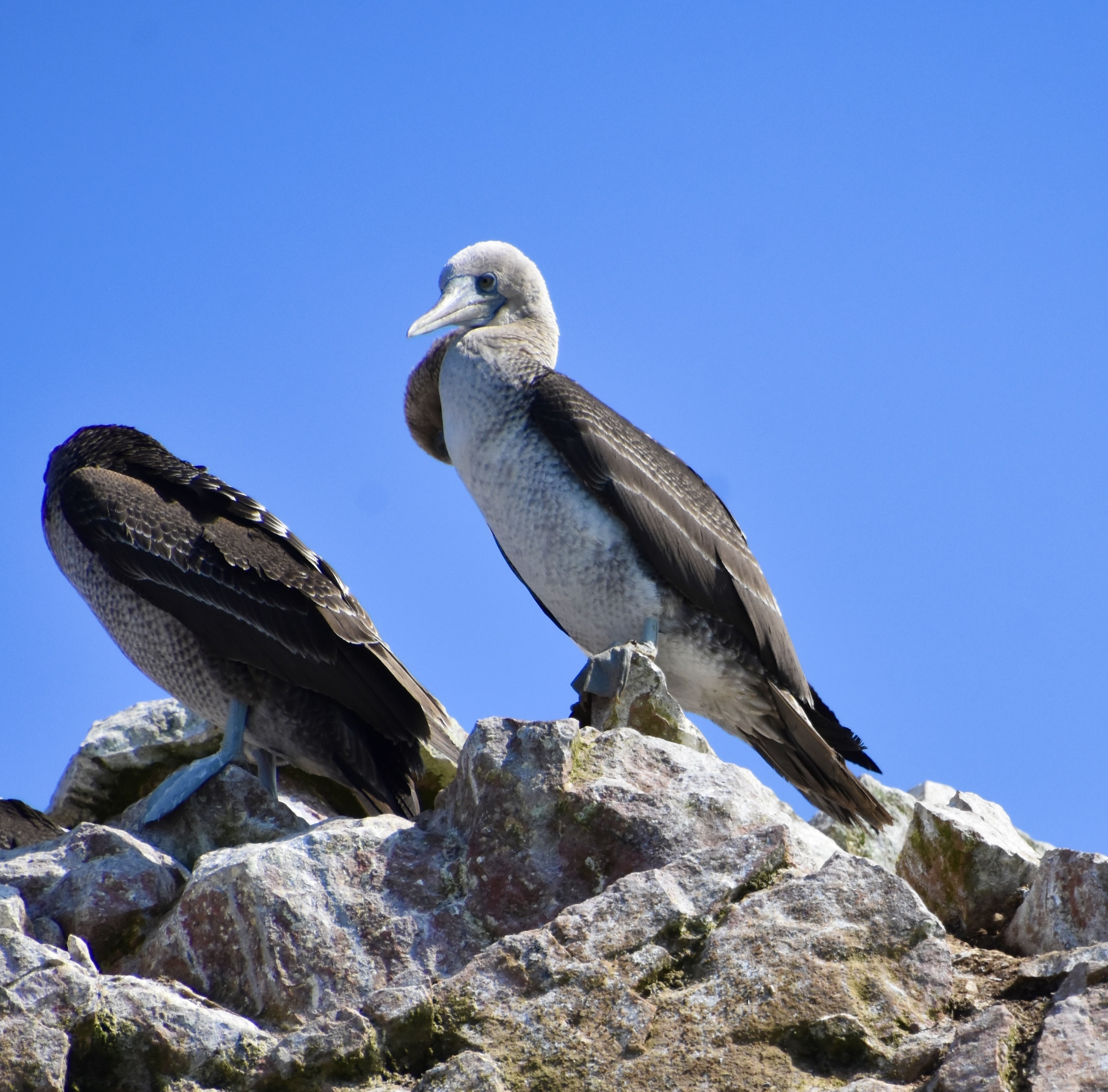
This photo is a good example of how the sunlight can affect the apparent colour of a bird’s feathers. Although the feathers appear brownish in this photo, these are definitely Peruvian boobies.
As we approach the apparent hole through the island it becomes clear that there is actually a beach underneath the arch and not open water. We can hear the barking of sea lions, but not get a good look at them because of the dark shadows. We’ll have to wait until we get to the other side for a better look.
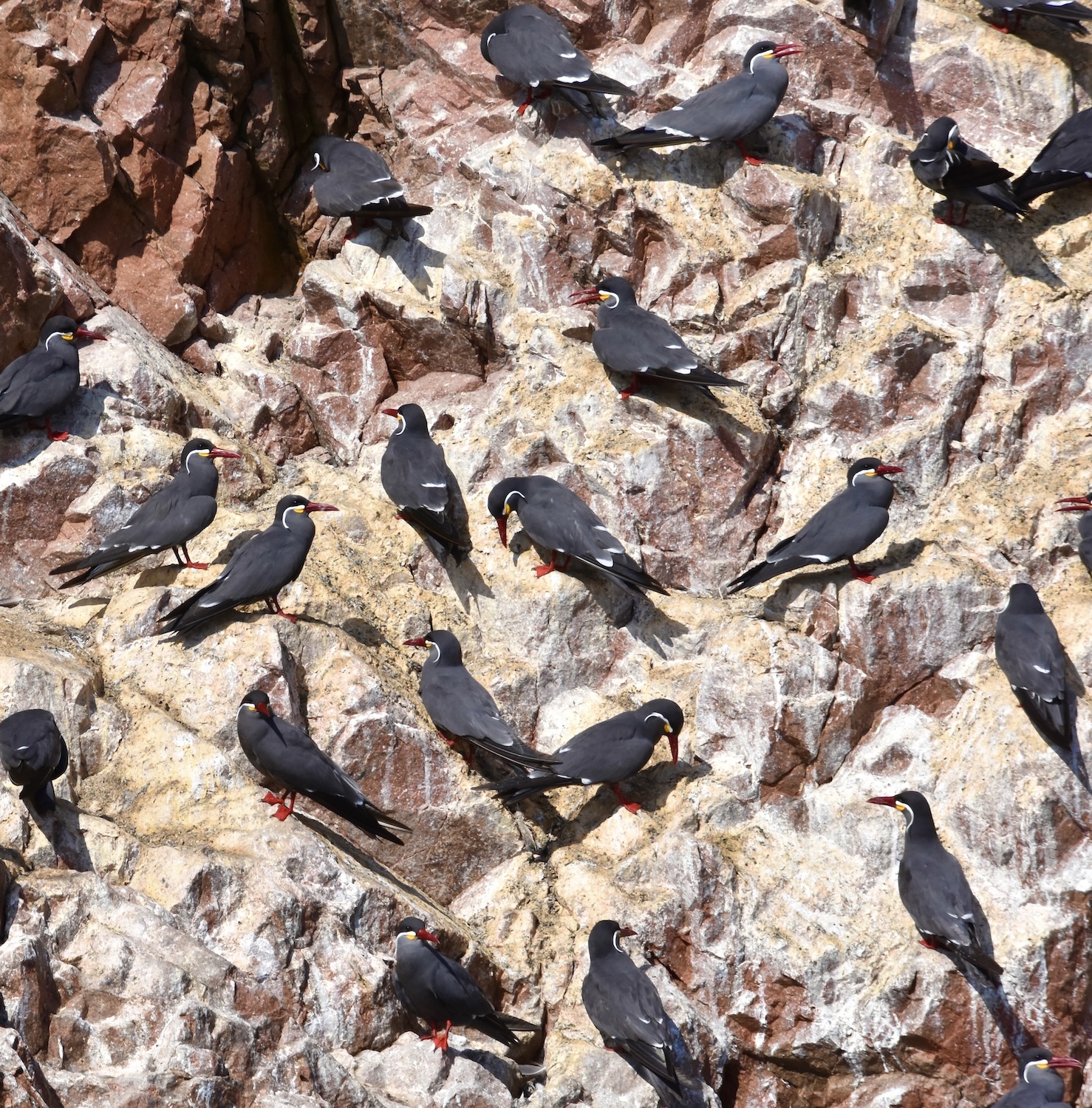
Next up on the bird list is, in my opinion, the prettiest of the birds that nest on the Ballestas Islands, the Inca terns. Like the Peruvian boobies their range is pretty well restricted to where the cold Humboldt Current flows northward along South America’s Pacific coast. They are a near threatened species with the Ballestas Islands being an important breeding ground. These beautiful birds are another first for me and reason alone to take this boat trip.
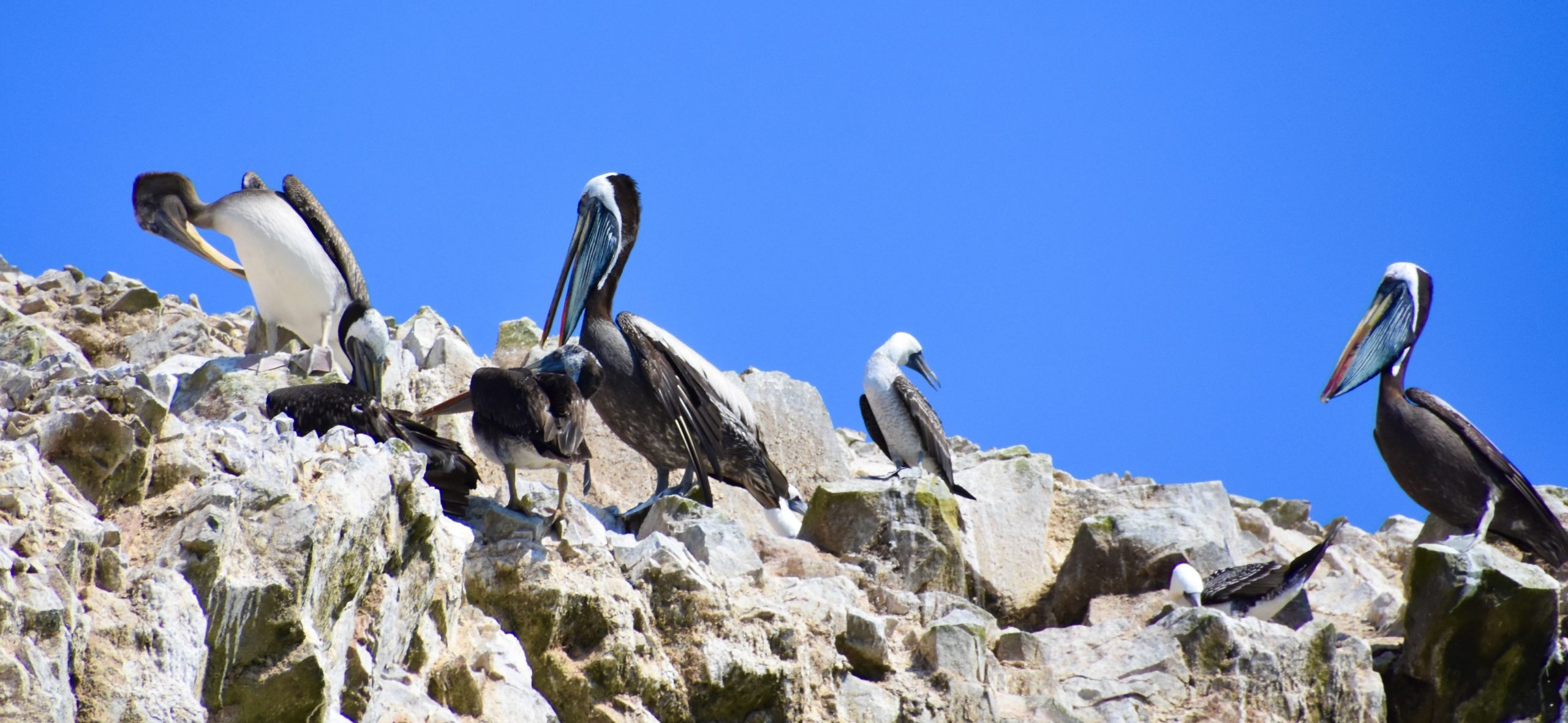
The last of the Ballestas Islands bird species that are restricted to the Humboldt Current zone are the Peruvian pelicans which tend to occupy the highest ground. They are really large birds, dwarfing the boobies which are not squirts by any means. So, three new life listers in a matter of minutes. Not bad. I didn’t see any Humboldt penguins, a good reason to return for a second look.
However, I would be remiss in letting you think that the Ballestas Islands are only about the birding. In fact, for most of our group it was the sea lions that attracted the most attention and photographs.
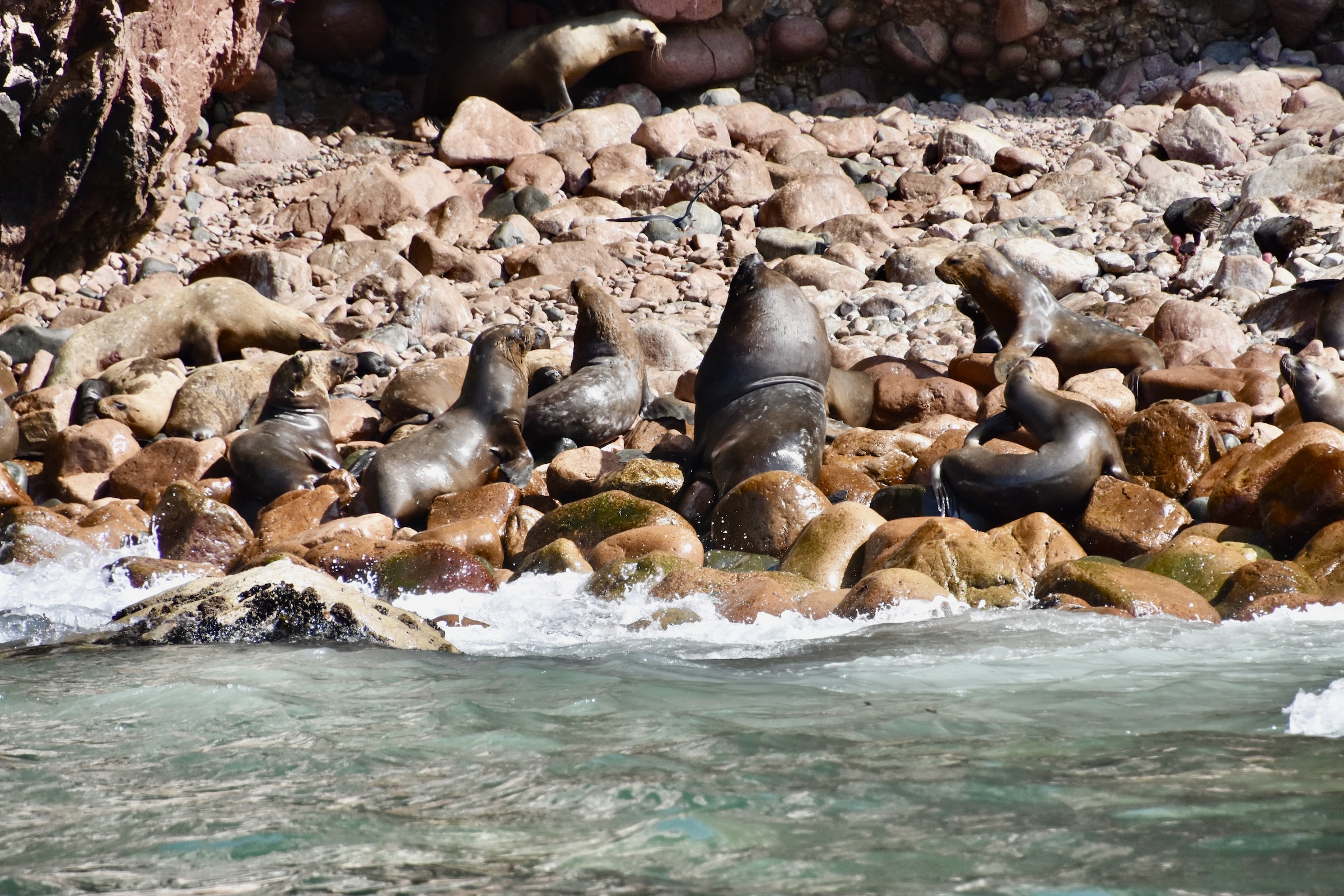
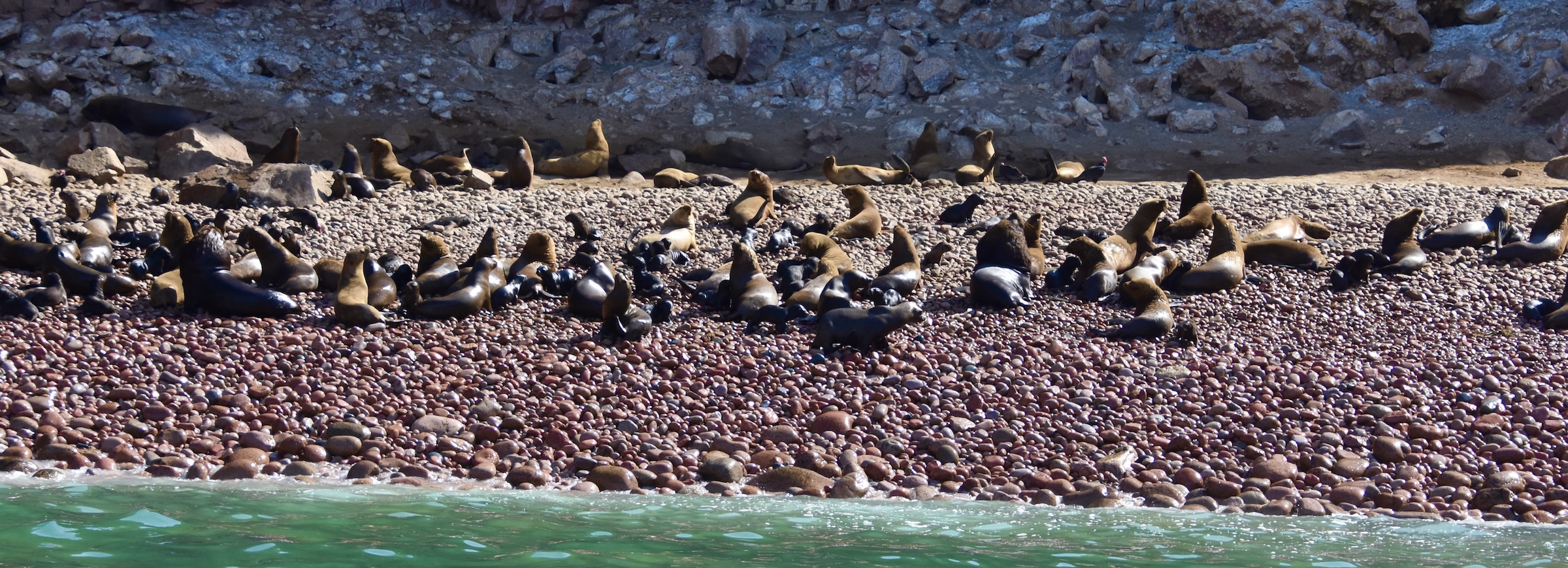
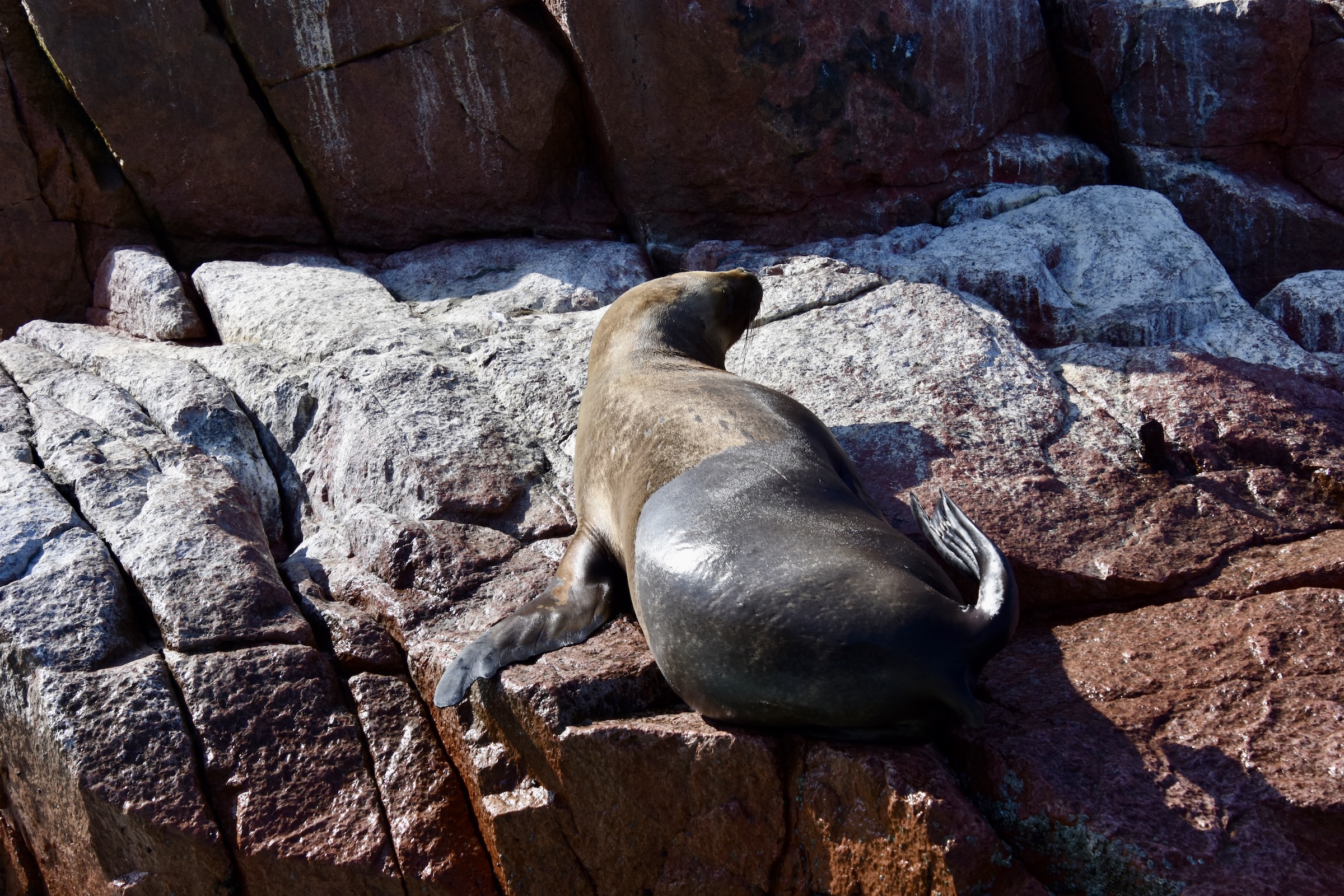
There are also remnants of the guano industry.
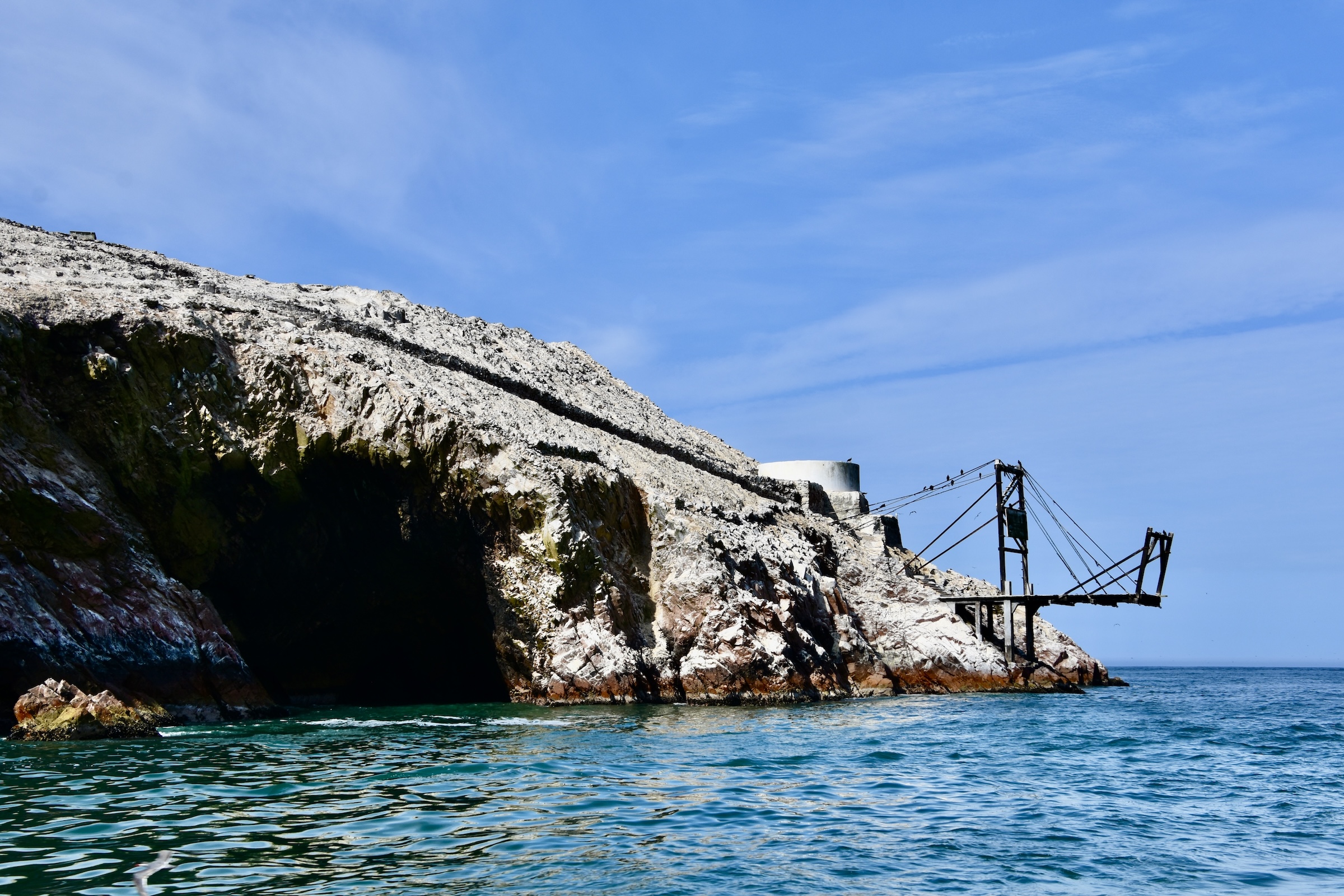
And some interesting land forms.
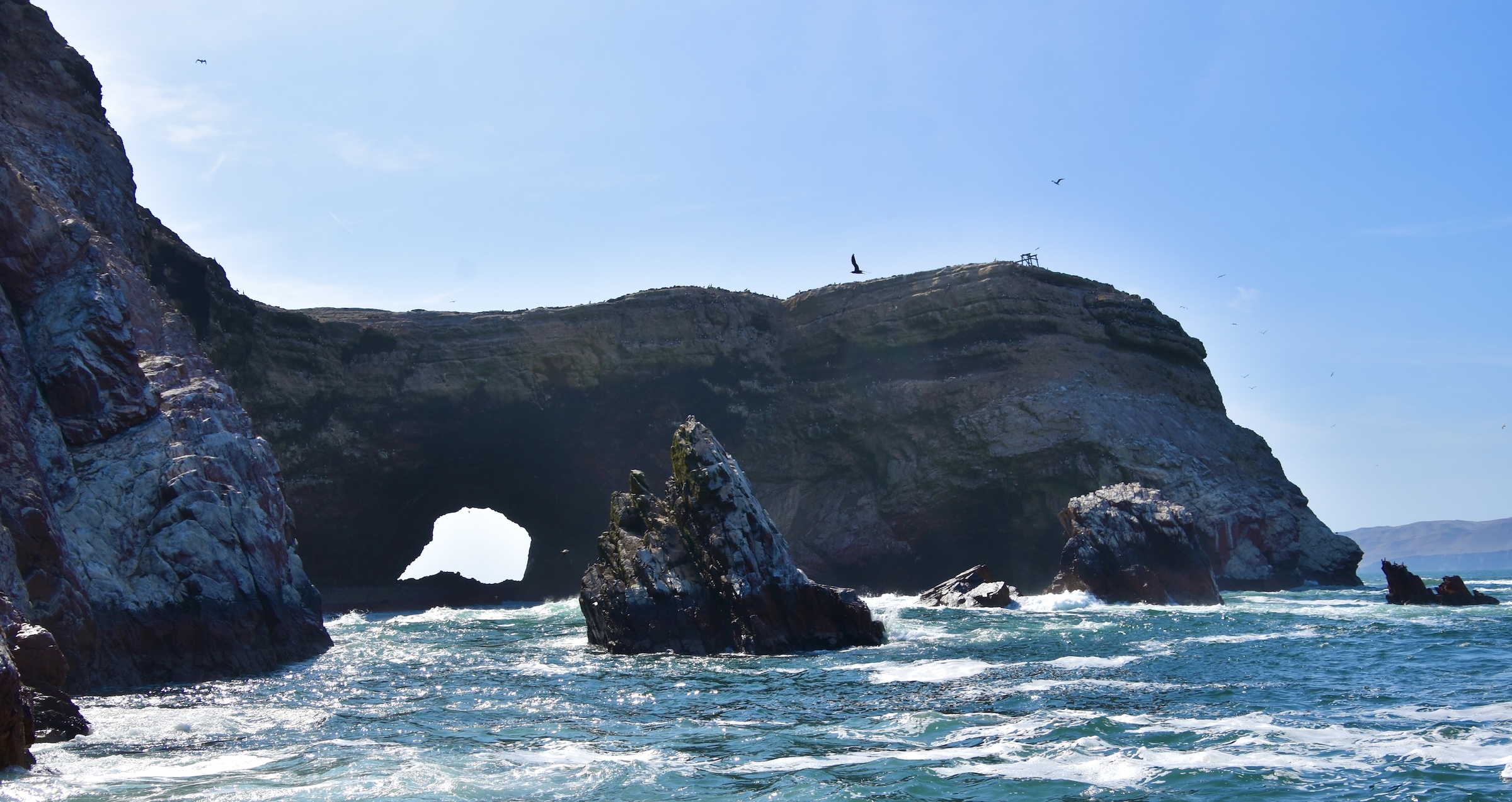
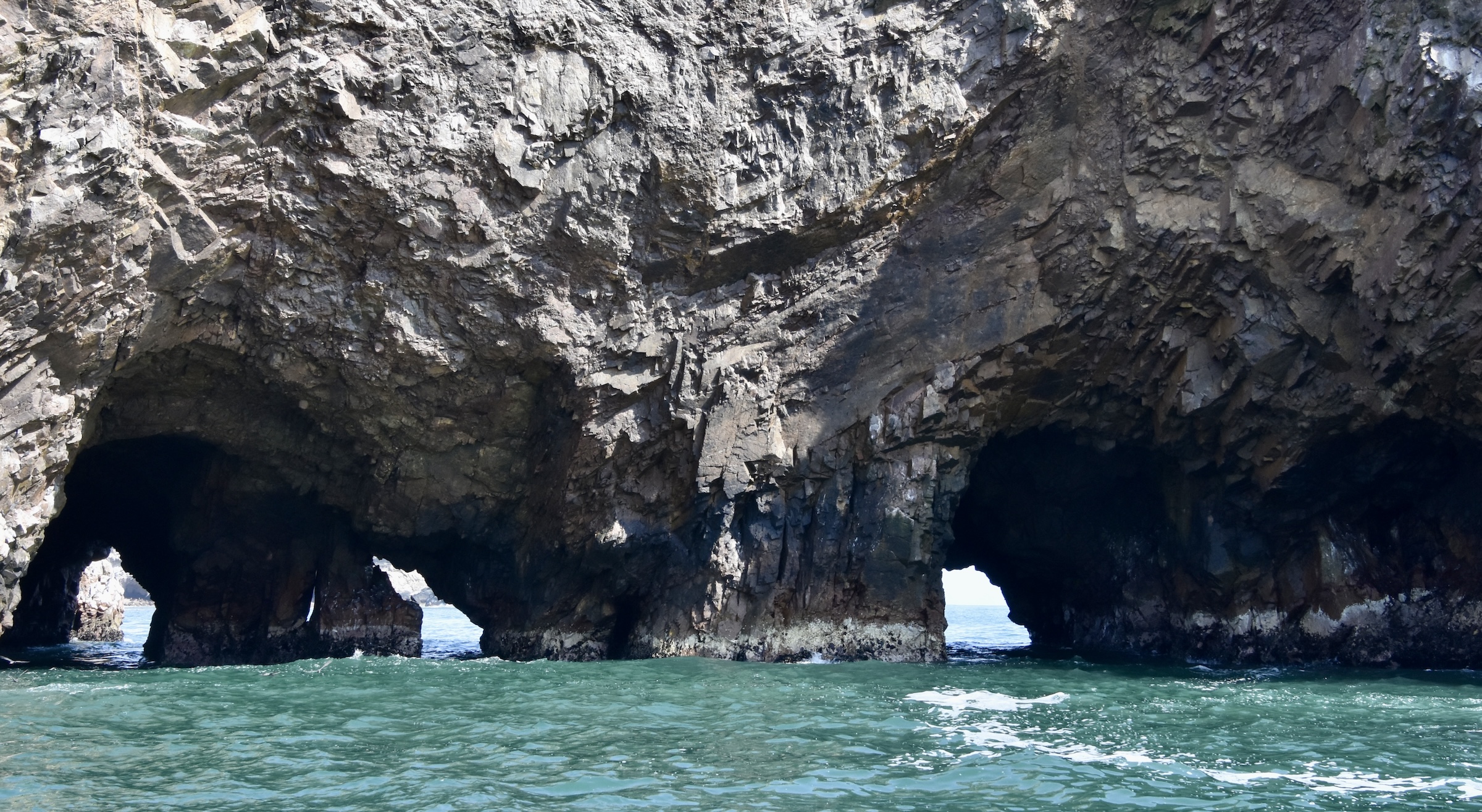
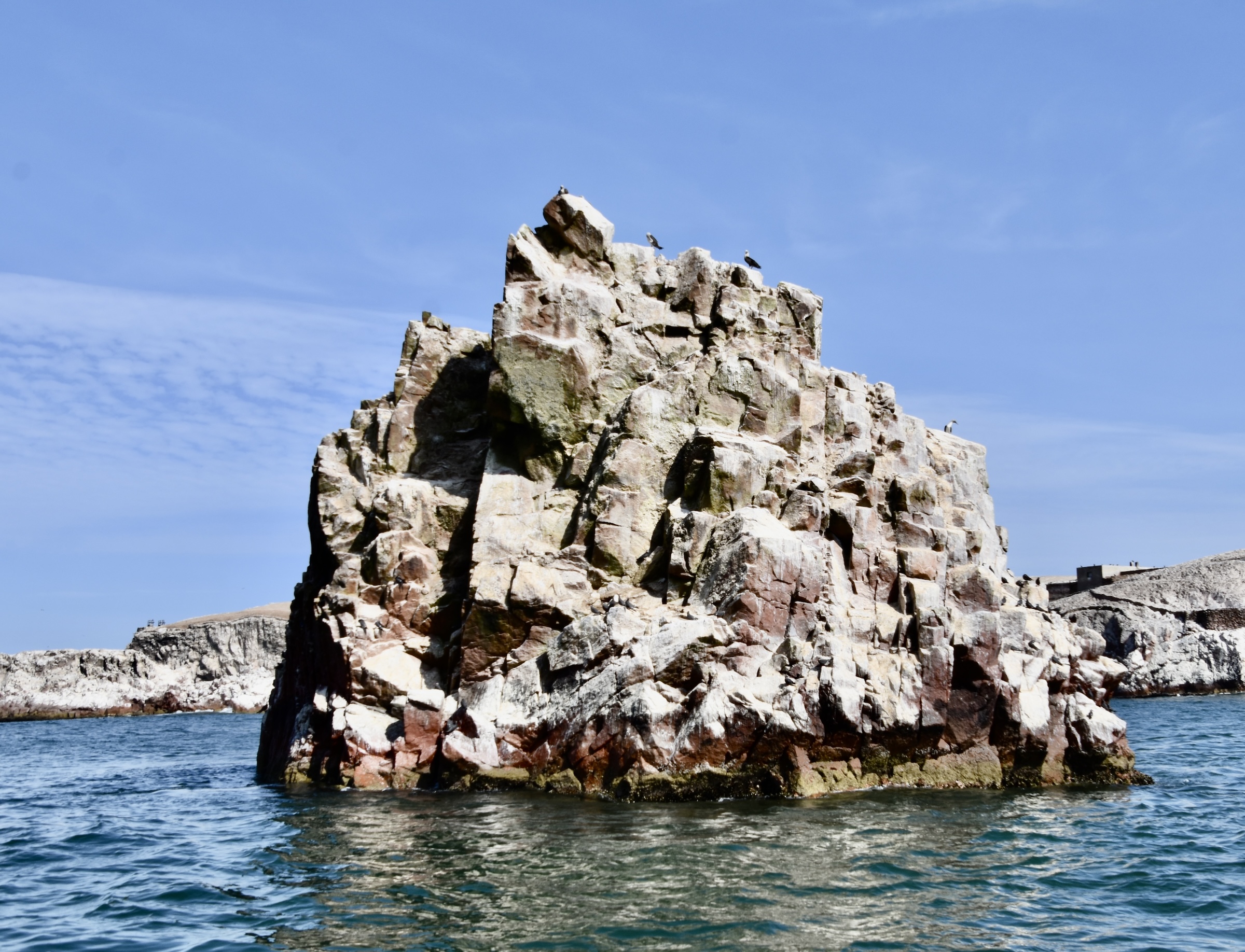
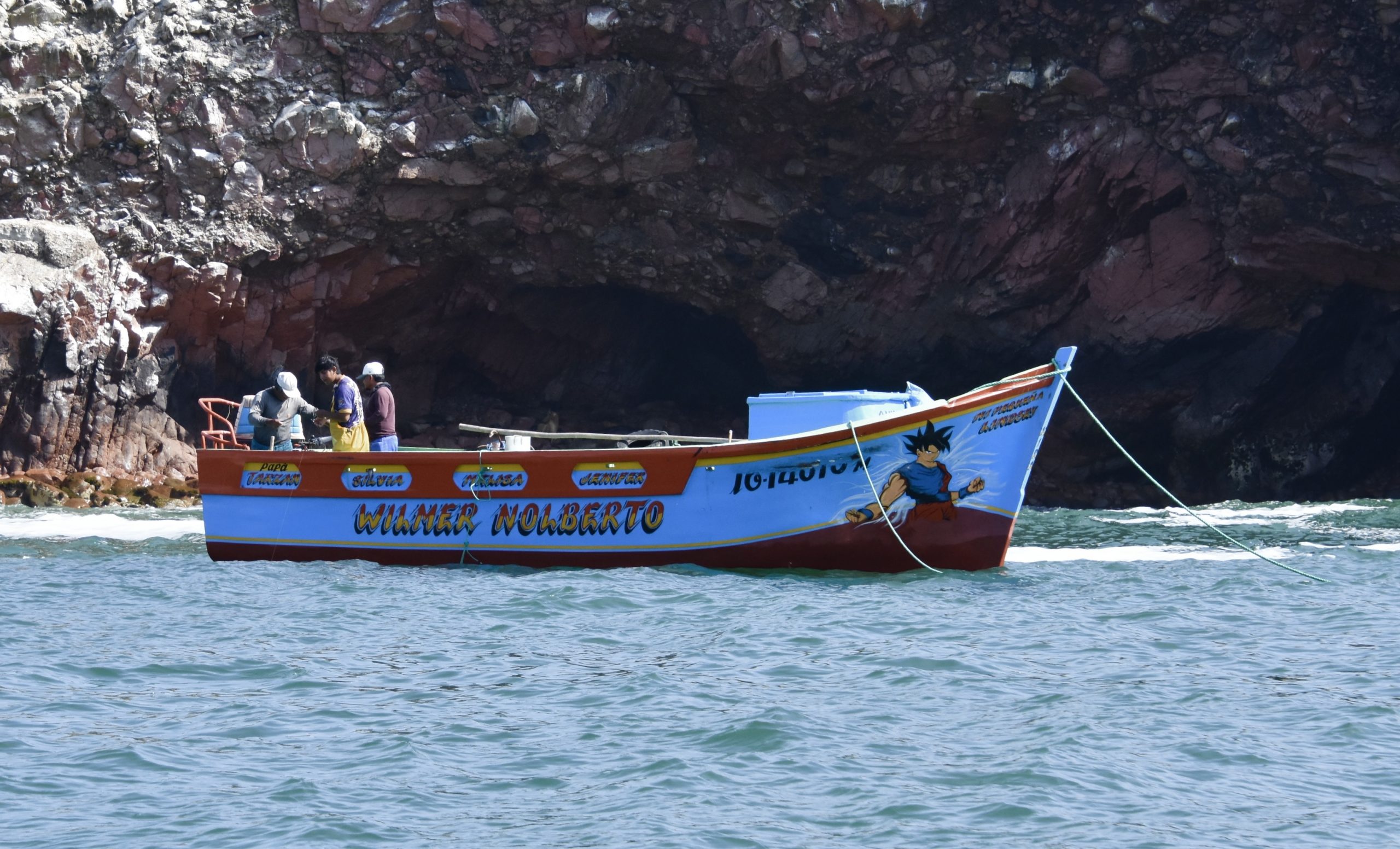
Not surprisingly the fish rich waters of the Ballestas Islands attract more than just birds and sea lions. Local fisherman ply their trade here as well.
After circling all three main islands, it is time to head back to Paracas to continue our Adventures Abroad exploration of this area of Peru. In the next post we’ll visit the city of Ica where we’ll visit the oldest winery in the Western Hemisphere. I hope to see you there.