
Melbourne Redux – Outside the Central Business District

This is my second post from the great city of Melbourne and please forgive the title Melbourne Redux, but Google throws a fit if you use the same keyword twice, thus the addition of redux. I’ll try not to overuse it. In that first post I gave a history of Melbourne and then embarked on a tour of many of the Victorian buildings that made this city more British than any in Great Britain. In this post we are going to go a little further abroad and visit the Royal Botanic Gardens, the Shrine of Remembrance, the Melbourne Museum and finally the famous Brighton Beach bathing boxes. As in the first post, I’ll combine visits that Alison and I made on our own with those that we made with the Adventures Abroad group as part of the 17 Day Australia Tour led by fellow Nova Scotian Brandi McCarthy. So without further ado let’s get this Melbourne redux tour underway.
Royal Botanic Gardens & King’s Domain
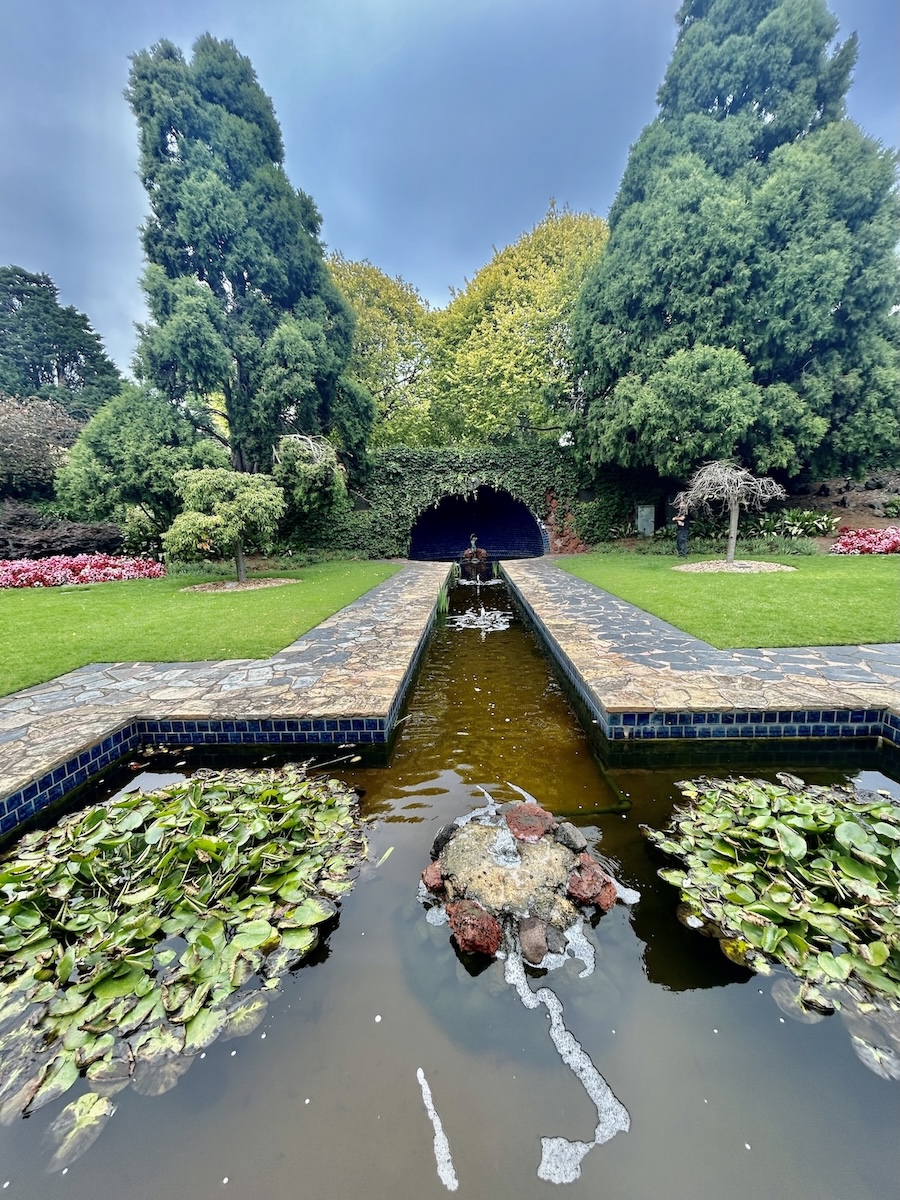
Our Melbourne redux tour begins with the Royal Botanic Gardens which were created in 1846 when far sighted city officials set aside a large tract of land on the opposite side of the Yarra River specifically to create a green space that everyone could enjoy at no expense. You can say a lot of negative things about the British Empire, but few can deny the wisdom of establishing public gardens in almost every colonial city including my own beloved Halifax Public Gardens.
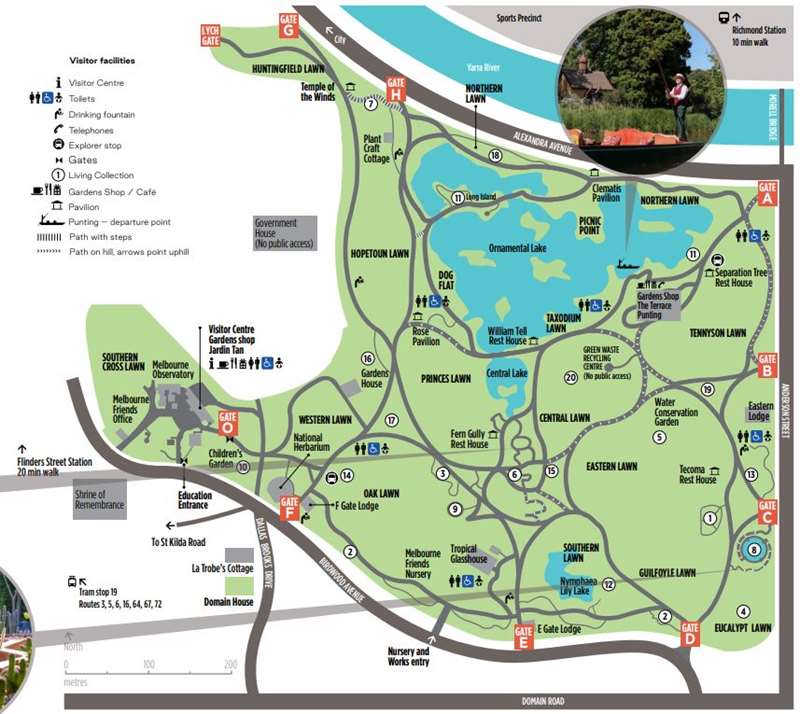
The Melbourne gardens are huge and feature over 8,500 different species. As this map shows you could spend days wandering the various paths.
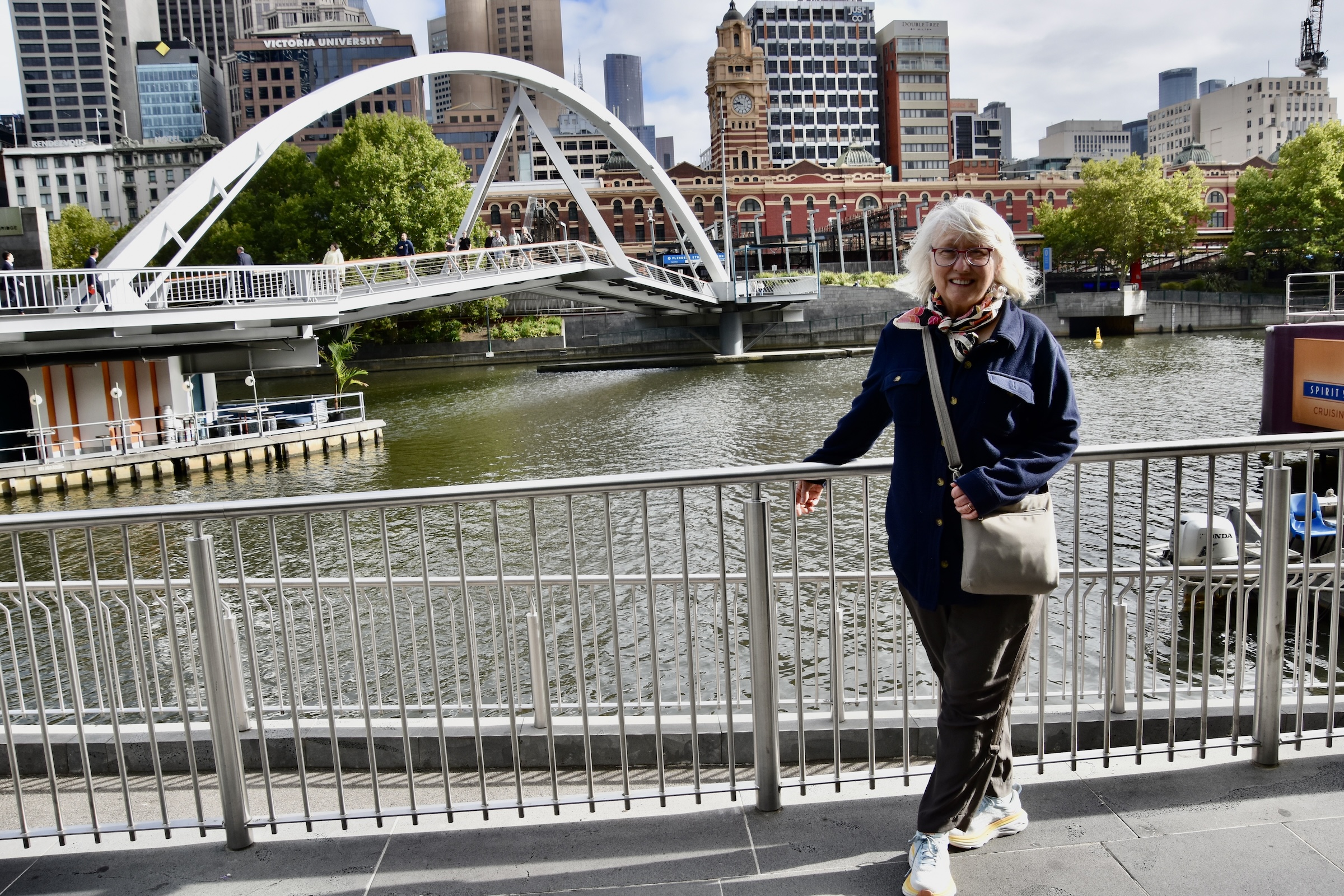
It’s a very pleasant walk to the gardens from the Melbourne CBD which will take you across the Yarra River.
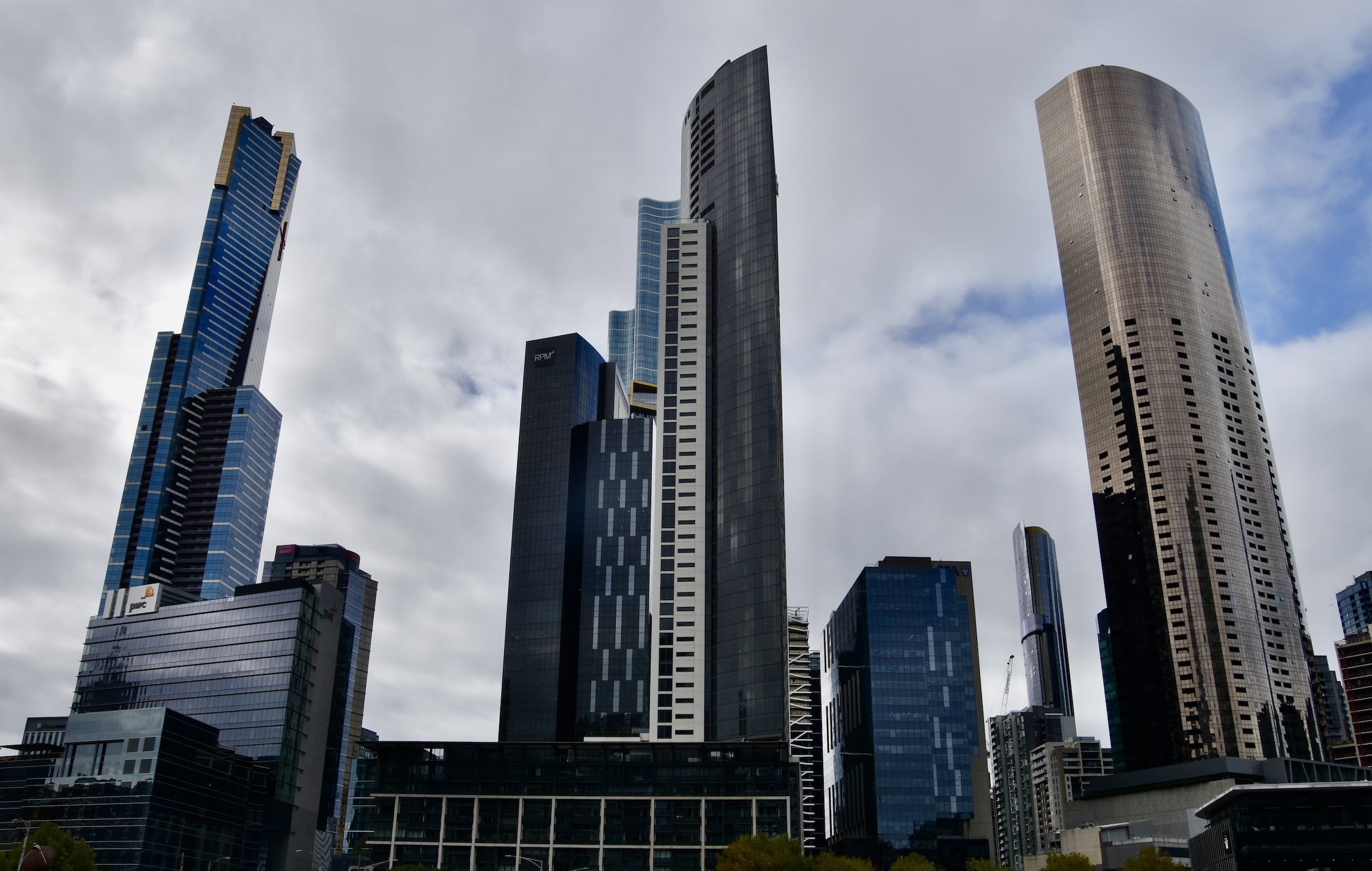
It will also take you past some of Melbourne’s most modern buildings and the very impressive modern skyline.
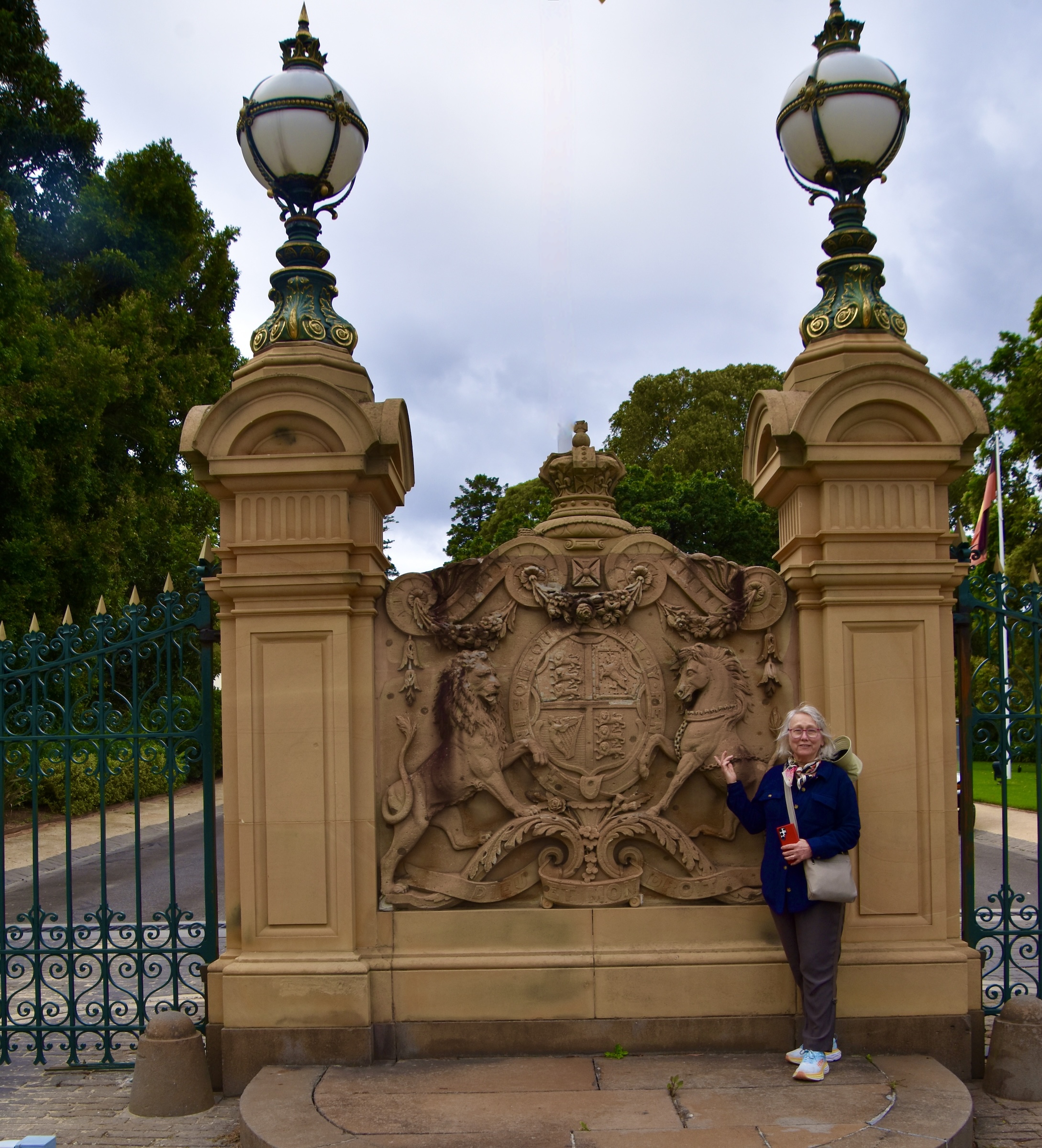
Not far from the hustle and bustle of the scene above you come to the quietude of the gardens and the parkland that surrounds it, King’s Domain. Just as every Canadian province has a Lieutenant-Governor so does each of the states of Australia. The Victoria Lieutenant-Governor’s residence is located in a fenced off area adjacent to the Royal Botanic Gardens. The general public is not allowed inside, but you can get your picture taken at the ornate gates.
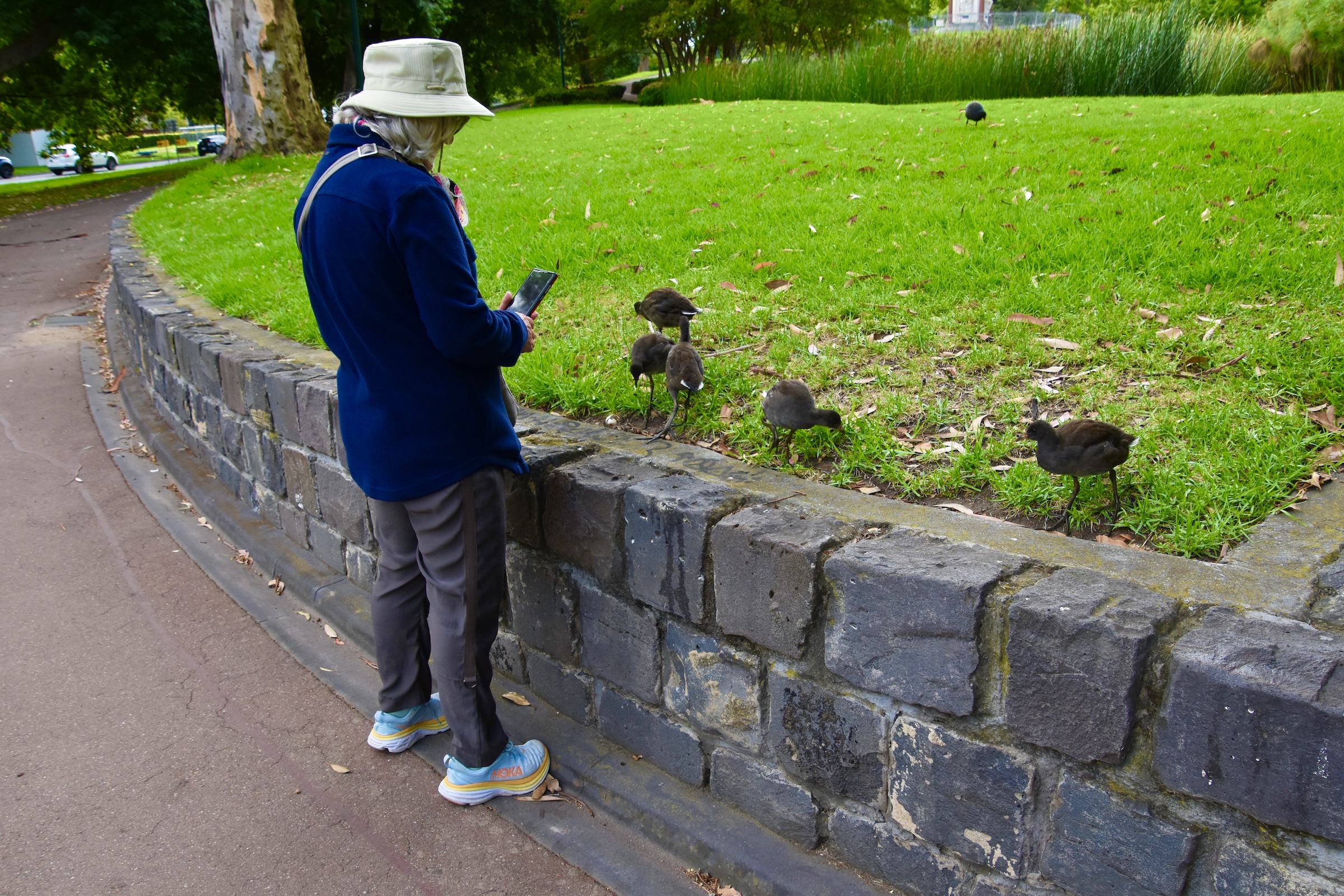
Not far from here we were accosted by five dusky moorhen chicks whose mother was negligently gorging herself fifty feet away.
One of the things about the botanic gardens that was a real delight to us was the number of birds that were in the trees, on the ground and on the water. Here is a small gallery of a few of them. Double-click to open and double-click again to enlarge.
-
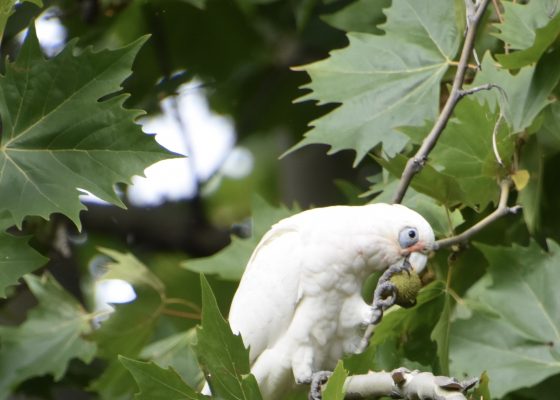
- Little Corella
-
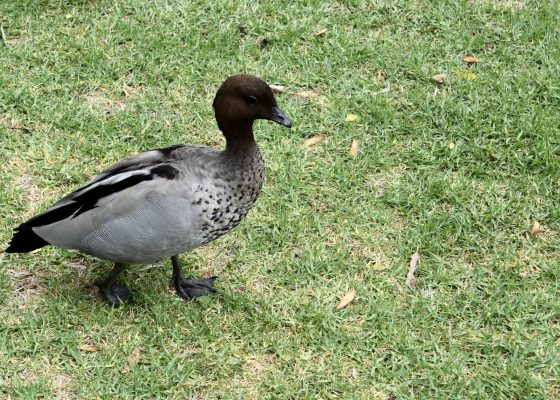
- Australian Wood Duck
-
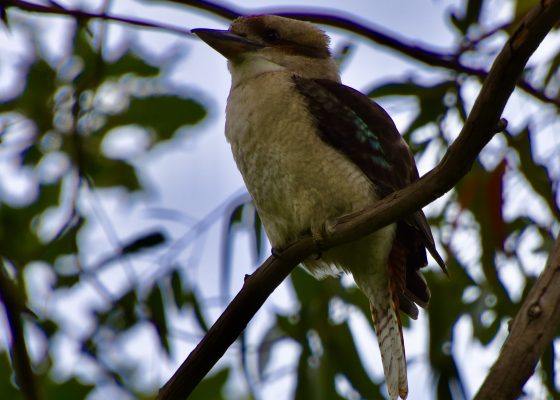
- Kookaburra
-

- Magpie Lark
-
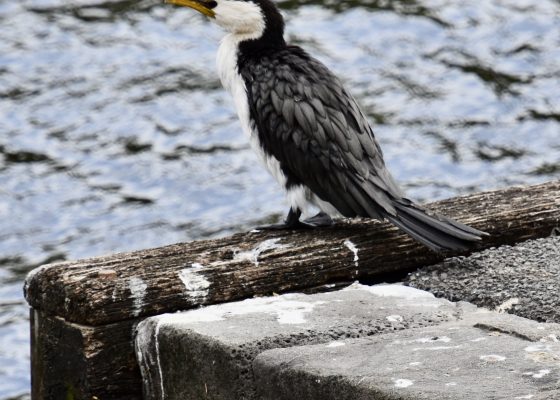
- Pied Shag
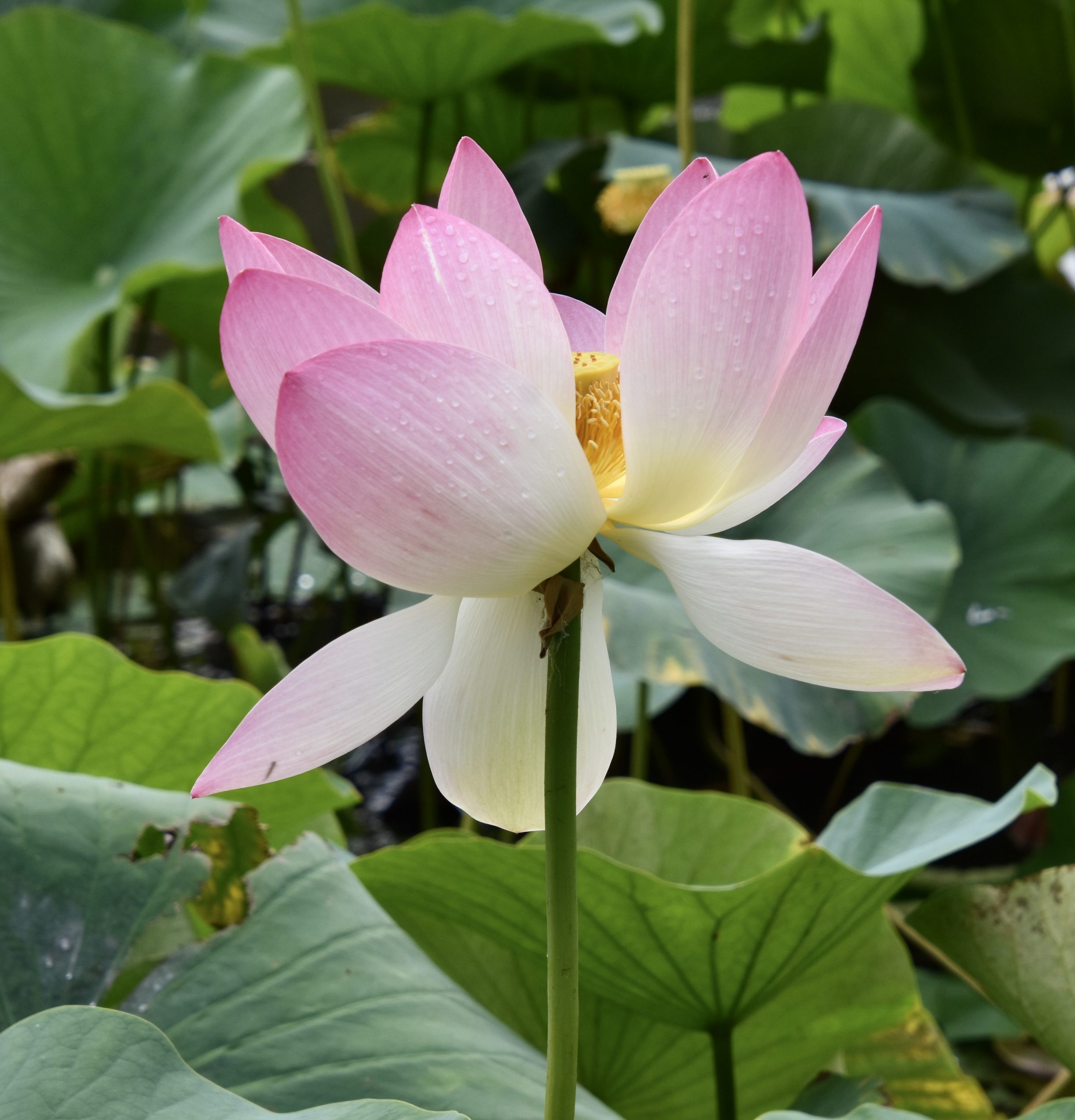
Obviously there were some great flowers as well such as this giant lotus.
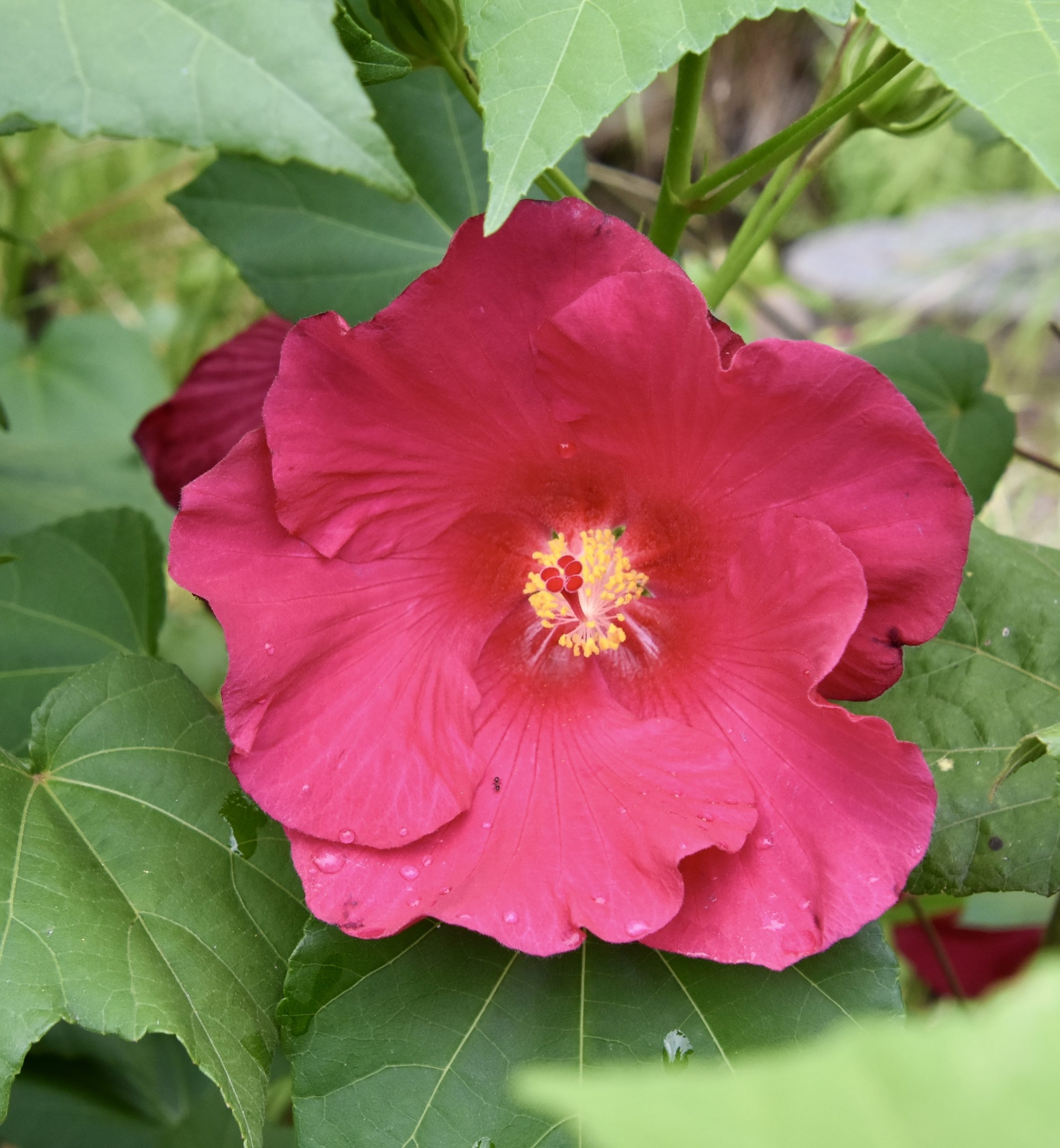
Or a confederate rose.
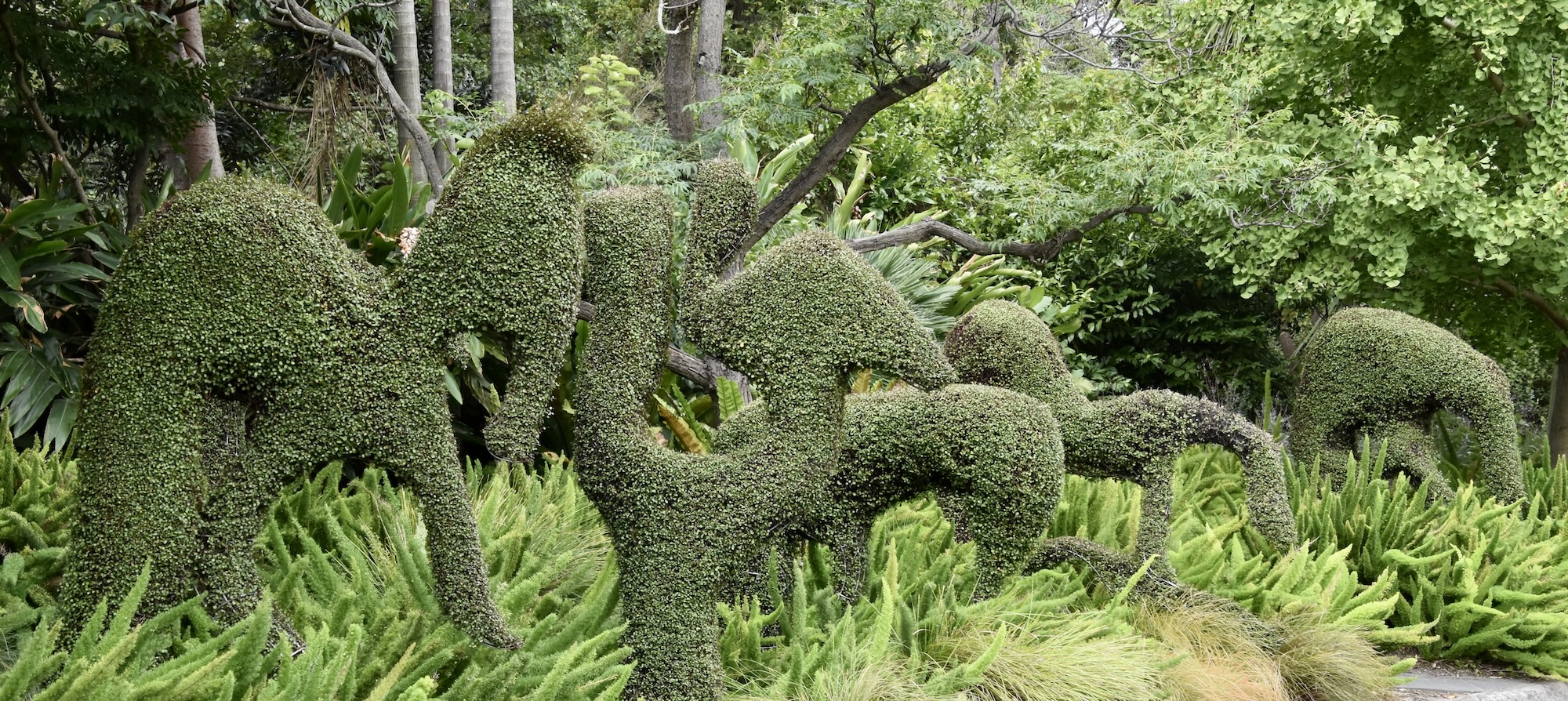
The topiary gardens was also very interesting.
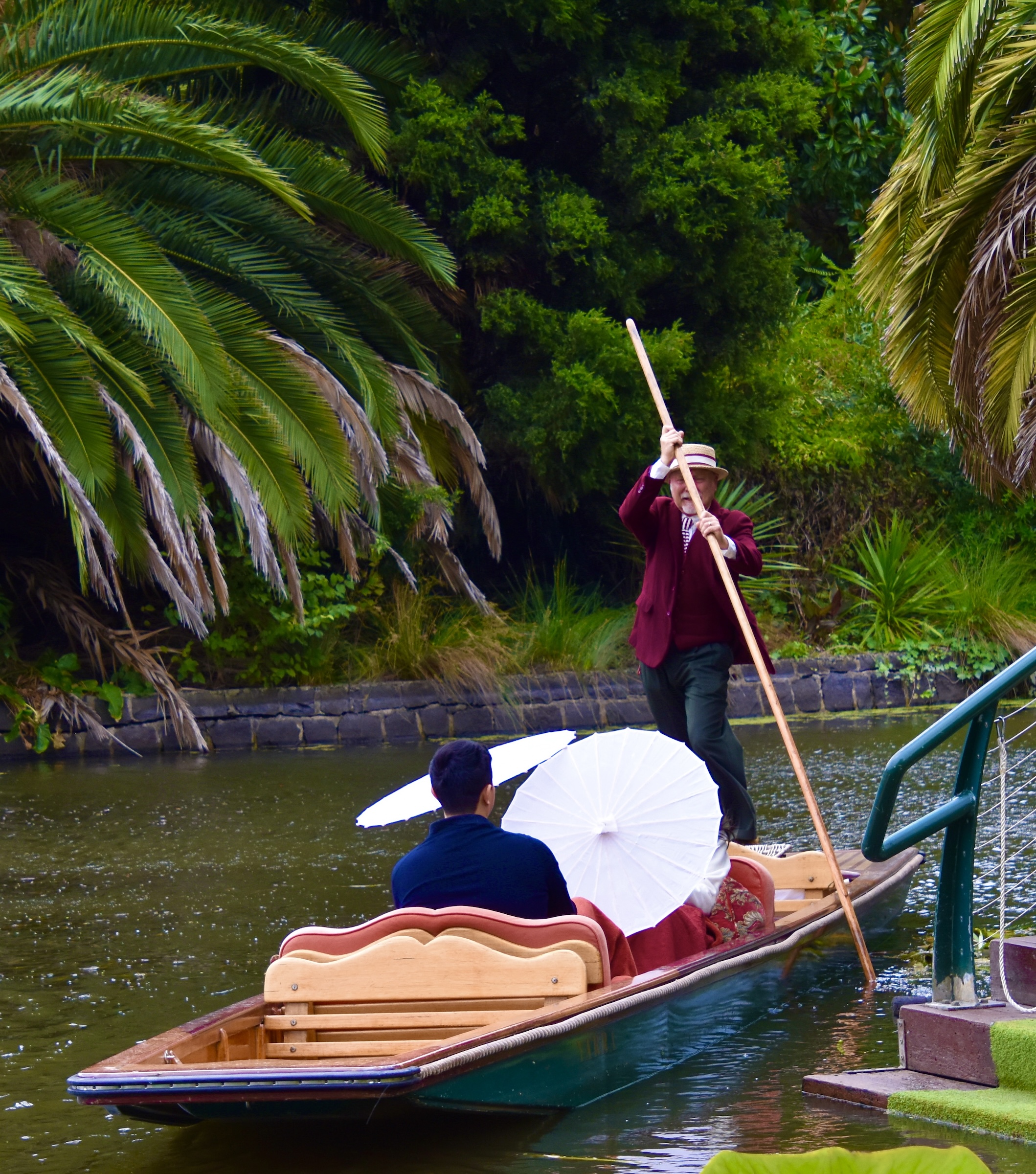
Aside from just strolling the gardens you can take a tram tour which we did just after entering the place. That way we did get to see most of the important sections with a commentary and decided which ones we wanted to go back to on foot. Another thing you can do, which we didn’t, but looked like great fun, was to take a ride in a punt.
In short, if you love gardens and green space then the Royal Botanic Gardens has to be on your Melbourne bucket list.
Melbourne Redux – The Shrine of Remembrance
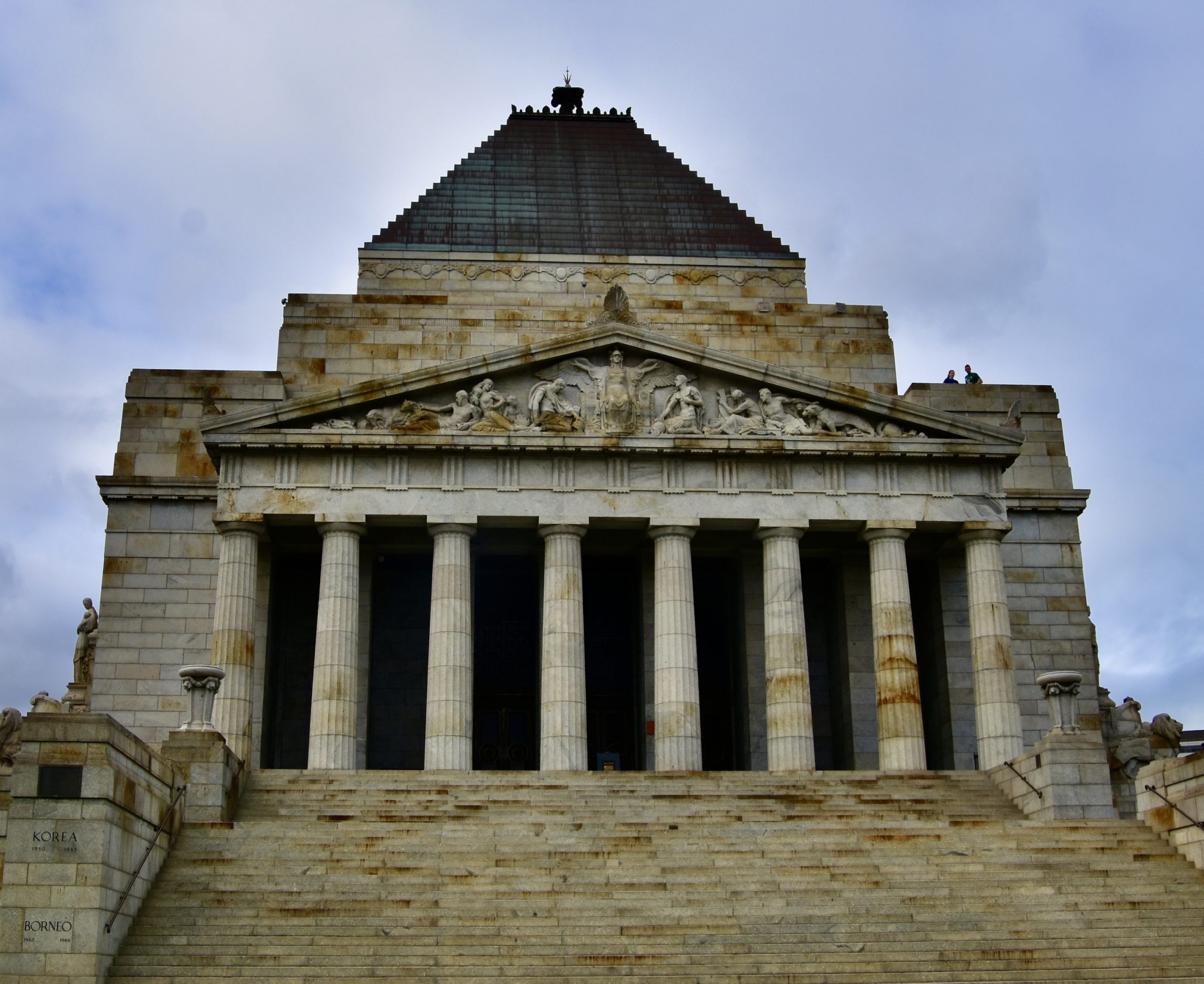
The Melbourne redux tour continues to a place that will not bring the joy that the gardens did, but all the same will leave you feeling that you have made a visit to a very important place in Melbourne’s fabric and identity.
The Shrine of Remembrance or just ‘The Shrine’ as most locals call it, was opened on November 11, 1934 after being in the planning stages almost from the end of WWI. If you look at it from the front some elements of it might look familiar. The first are the pillars and pediment that are very similar to that of the Parthenon. The second is the ziggurat style structure that rises behind the entrance and is a direct allusion to the Mausoleum of Halicarnassus, one of the Seven Wonders of the Ancient World.
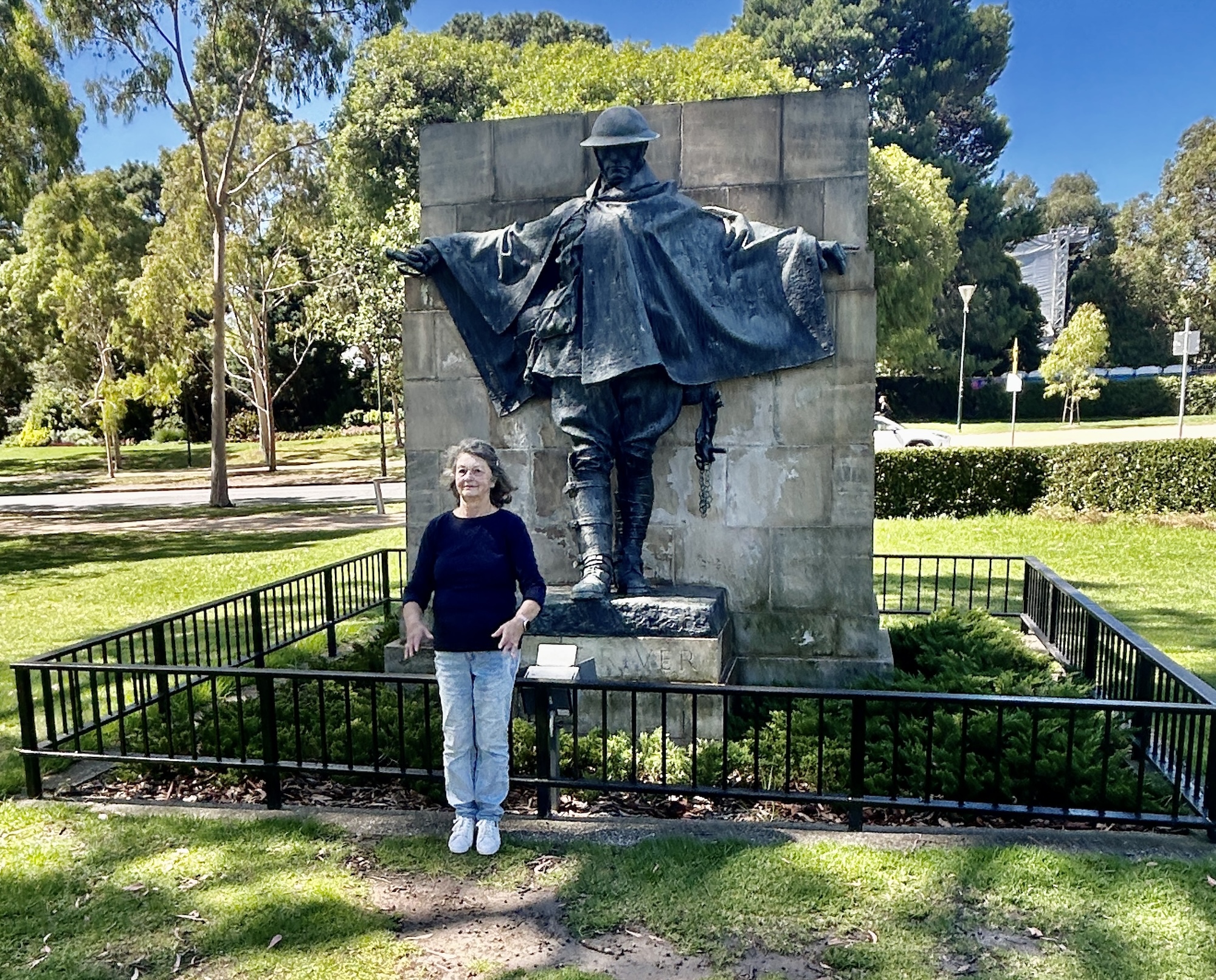
We visited here both on our own and later with the AA group and a local guide. Here she is standing by the statue of a World War I Driver, a copy of the original in Hyde Park, London by WWI vet and sculptor Charles Jagger. It is meant to commemorate the men who took car of the horses at the Battle of Passchendaele where 38,000 Australians were killed or wounded. My grandfather was there as a driver so this sculpture is of special importance to me and all Canadians as well. My post on Passchendaele features the Canadian flag surrounded by the Australian and New Zealand flags on each side indicating the pivotal role all three countries played in that horrific battle.
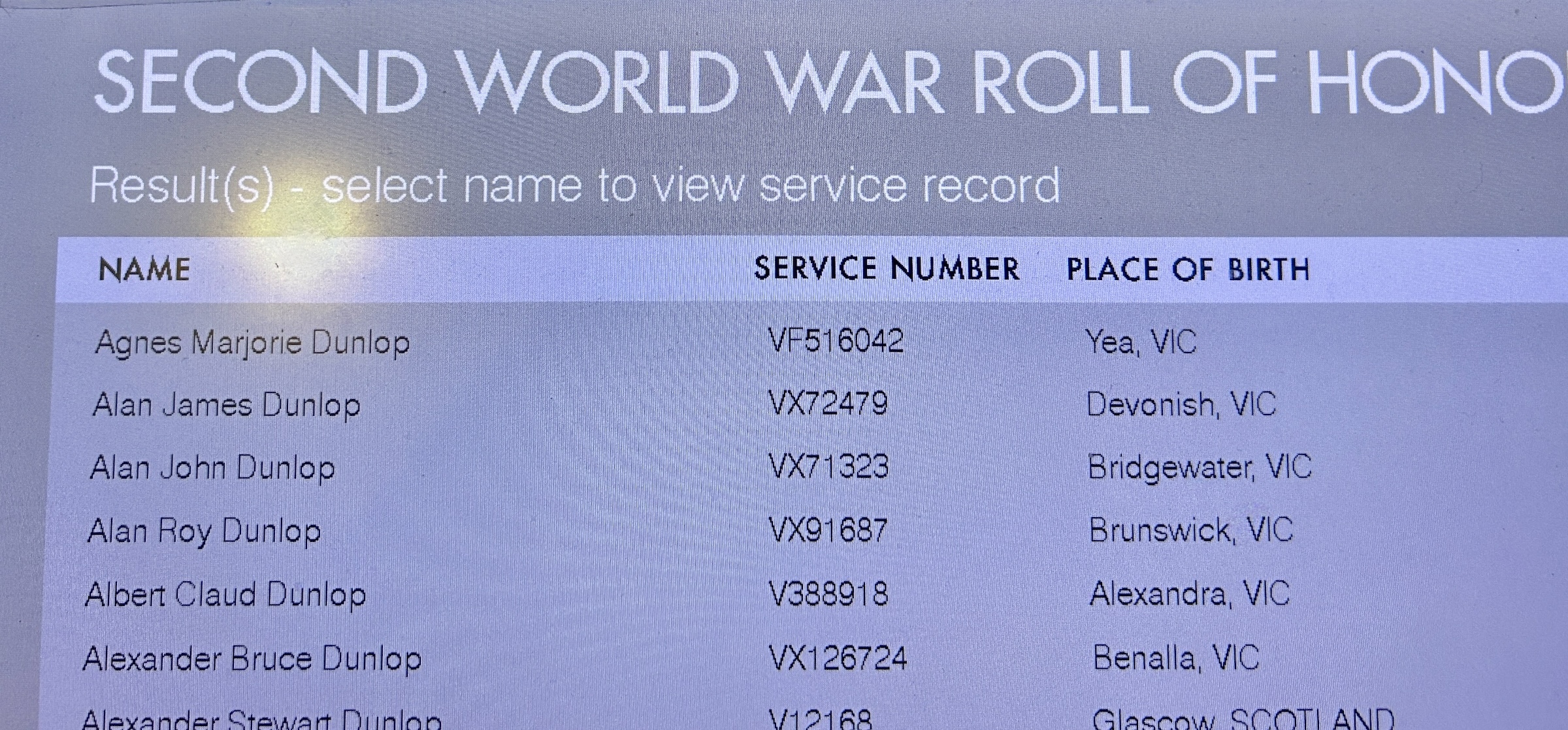
The interior of the Shrine has a number of features worth looking into including the Roll of Honour which contains the list of Australians killed during both world wars. There is a digital copy where you can look up names which I did and found one, Alexander Bruce Dunlop which is the exact name of one of my sons. It kind of sent a chill down my spine.
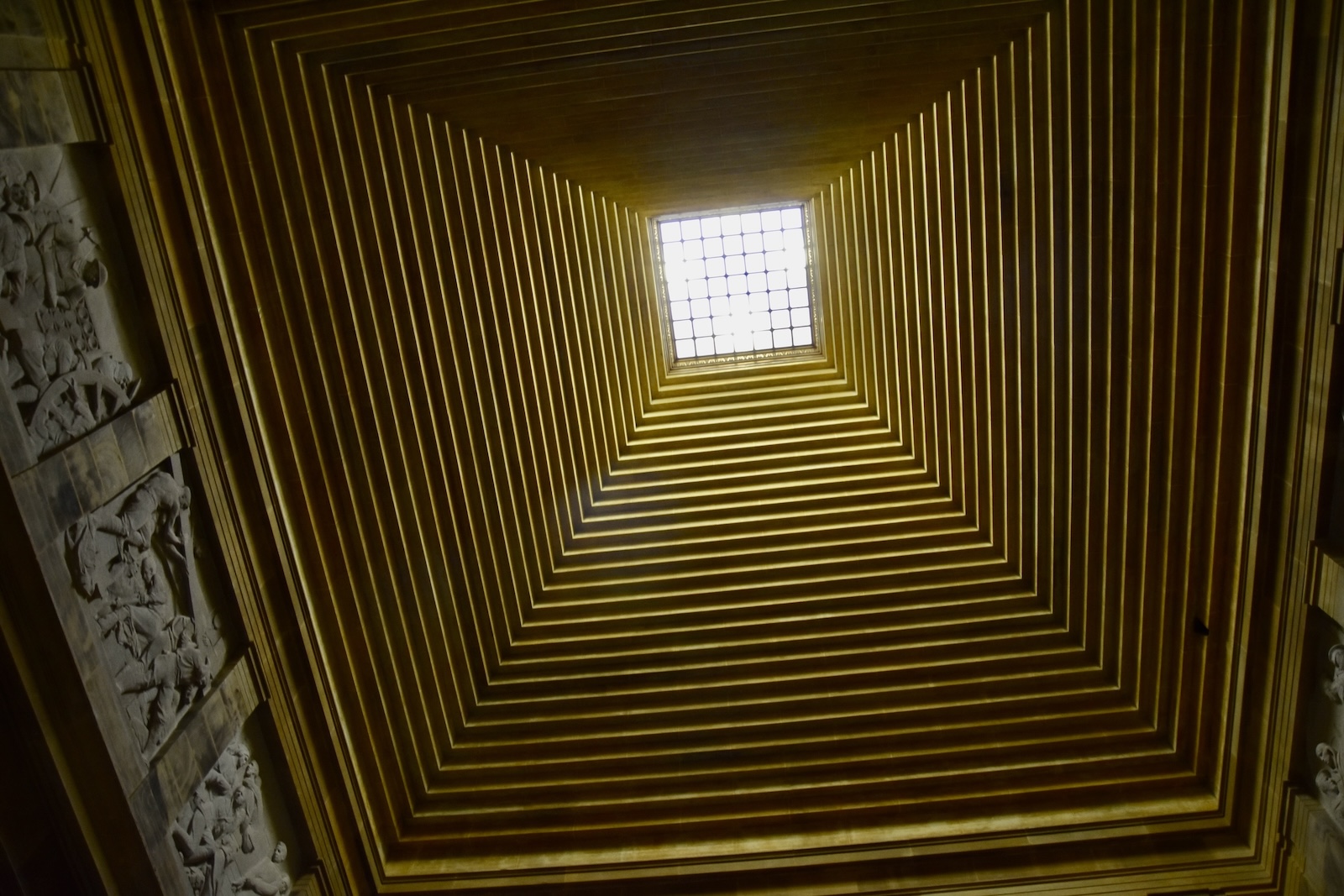
One of the things that many ancient monuments and buildings have in common is their alignment along astronomical planes that create special effects at certain important times of the year, usually associated with one of the solstices. Stonehenge is probably the best known example. Well lest you think this type of building alignment went out of fashion thousands of years ago, the Shrine will set you straight. This is looking up at the small opening at the very top of the roof.
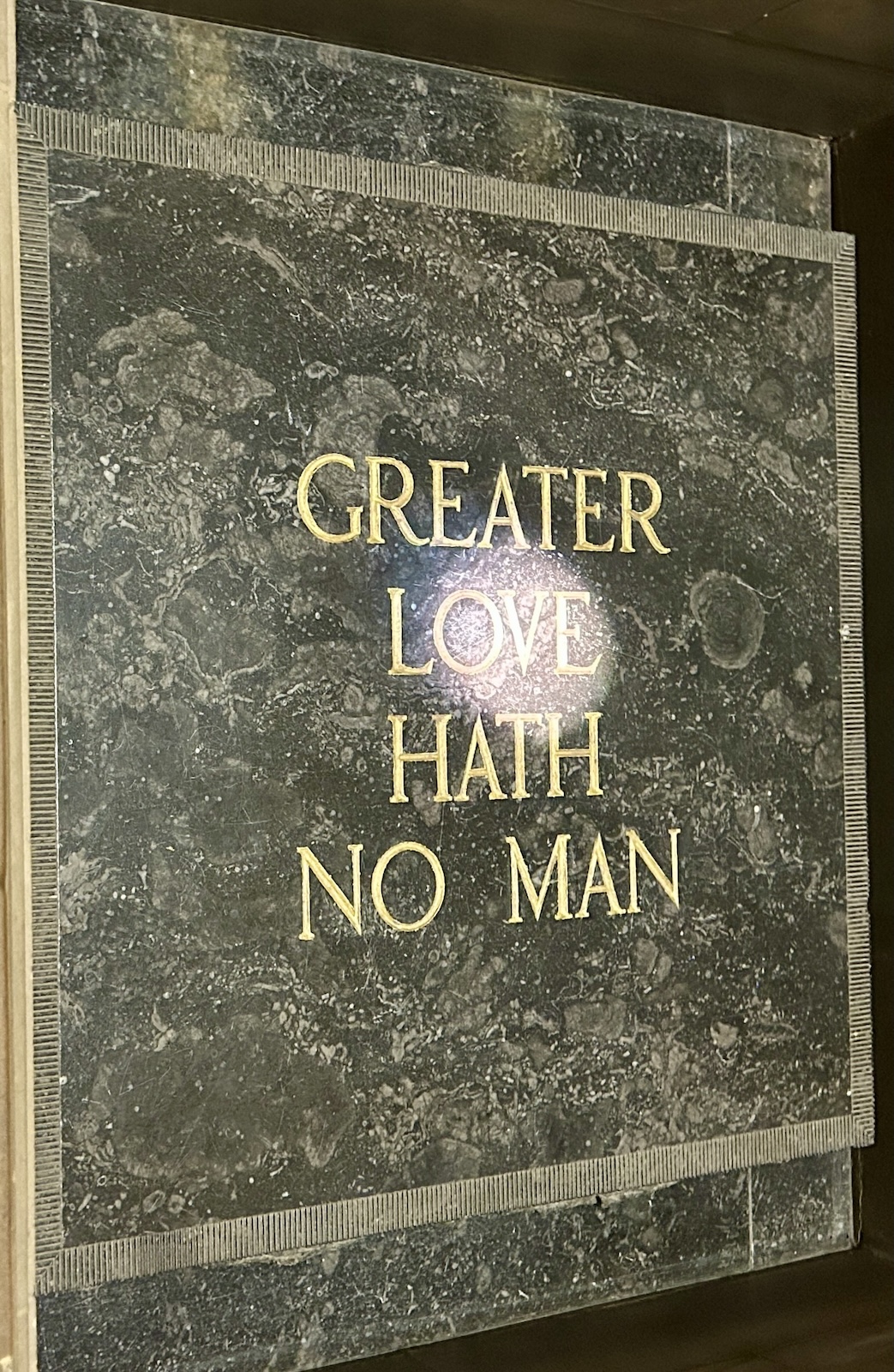
Directly below it on the floor there is this small marble stone with the words, Greater Love Hath No Man, which comes from John 15:13 when Jesus spoke it at the Last Supper. The full quote is, Greater love hath no man than this, that a man lay down his life for his friends.
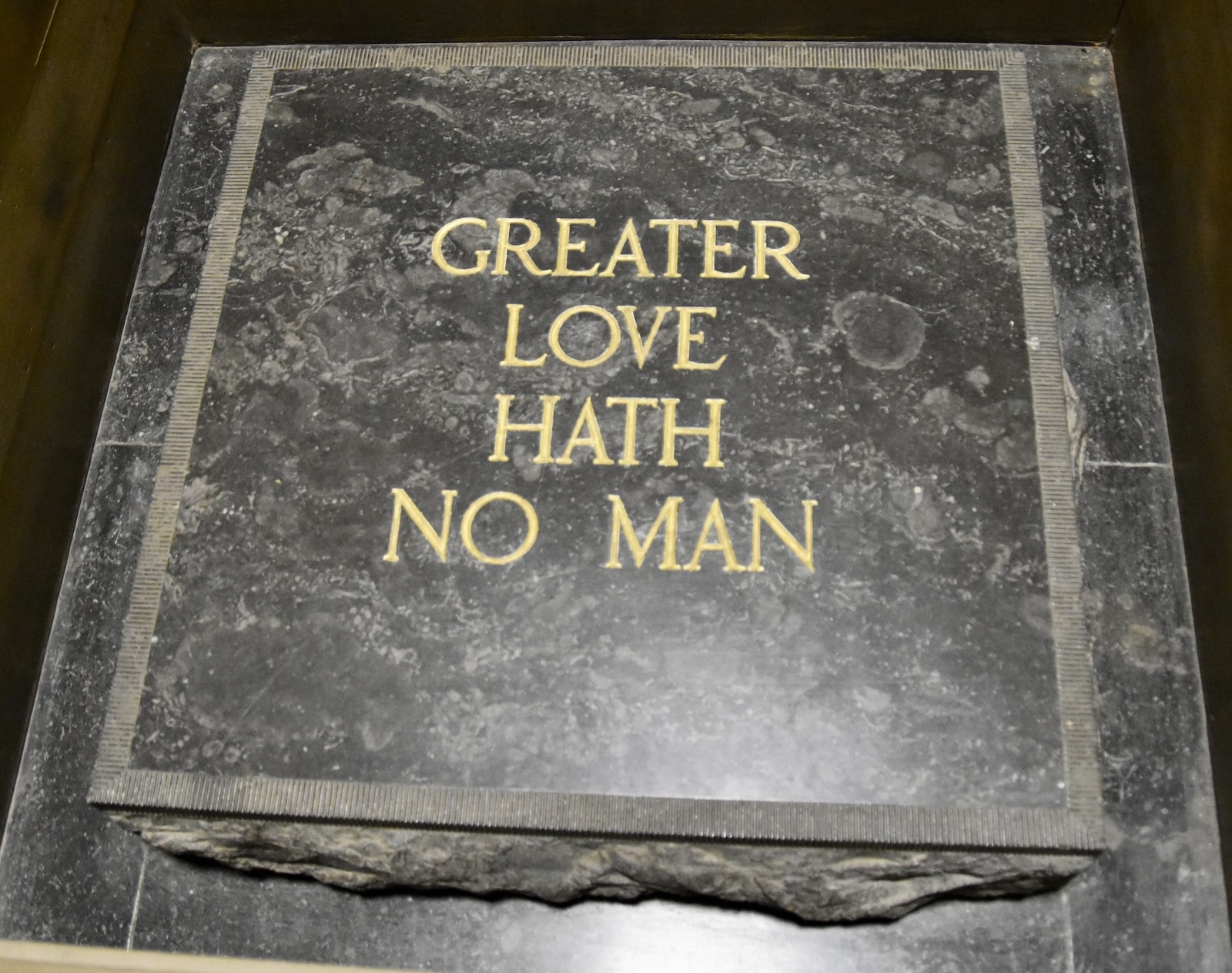
Somehow this massive building is so well aligned that at the 11th minute of the 11th hour on the 11th of November the sun’s rays shine directly on the word Love. We were given an artificial demonstration of this phenomena that draws thousands to the Shrine on the actual day when this really happens.
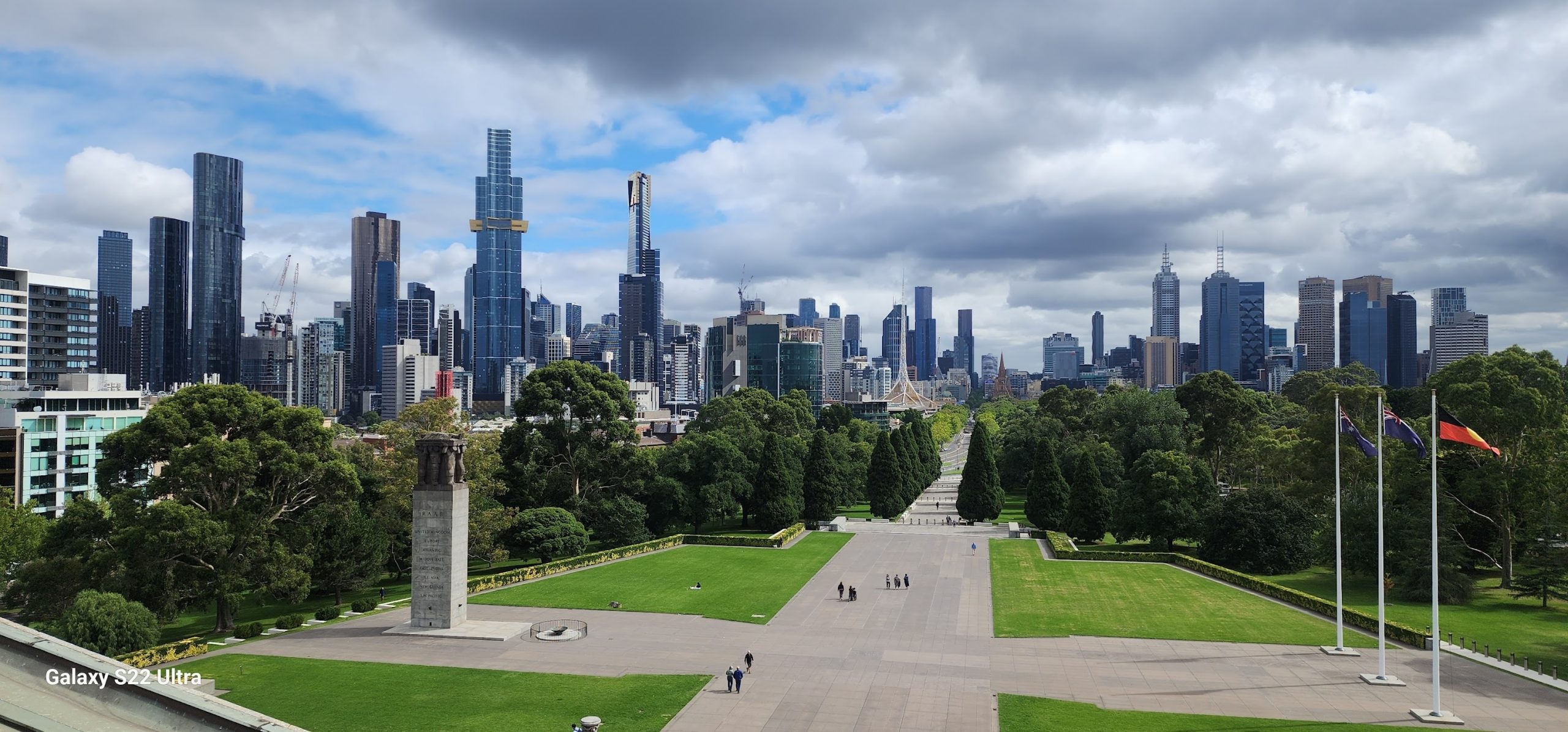
Another reason for visiting the Shrine is to climb up to the open air part near the top for the wonderful views of Melbourne.
Melbourne Redux – The Melboune Museum
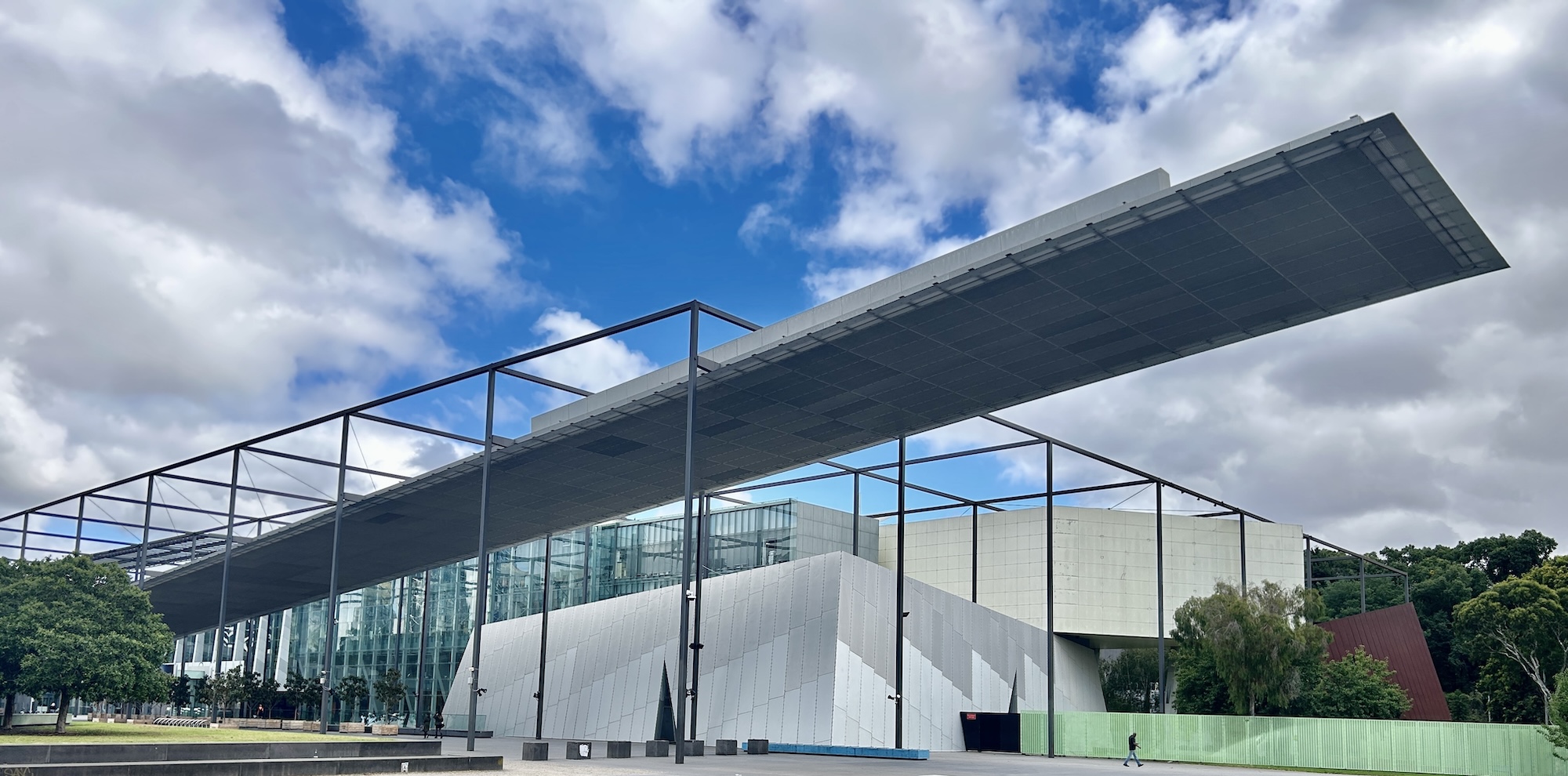
Our next stop on this Melbourne Redux tour is the Melbourne Museum which is located within this ultra modern building that opened in 2000. It’s actually right beside the Royal Exhibition Building, but I didn’t think it belonged in the Victorian era theme of the first Melbourne post. It’s essentially a natural and cultural history that has something for everyone, whether it be dinosaurs, minerals, animals, you name it. Here’s a gallery of a few of the more interesting exhibits.
-
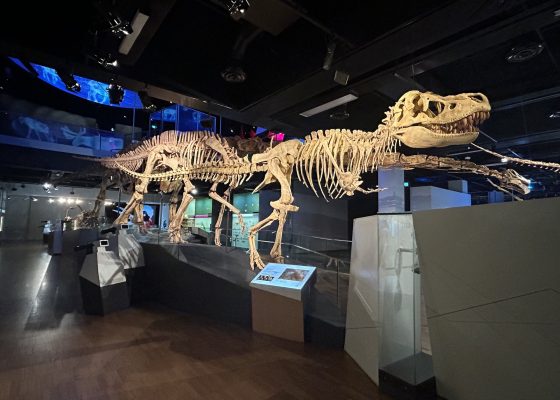
- Dinosaur Room
-
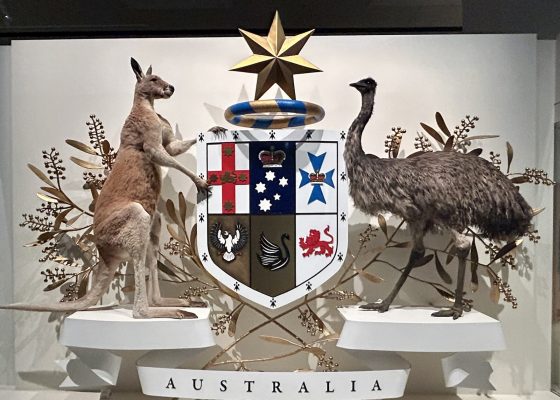
- Australian Coat-of-Arms
-
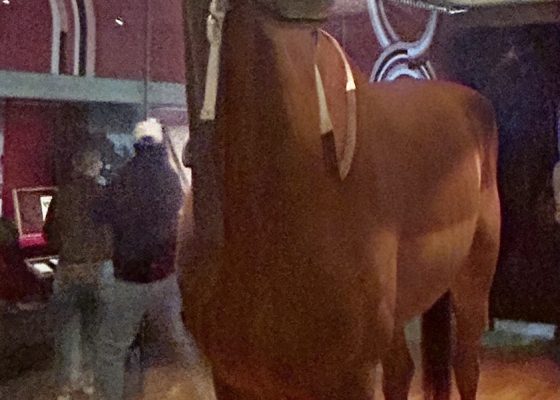
- Phar Lap
-
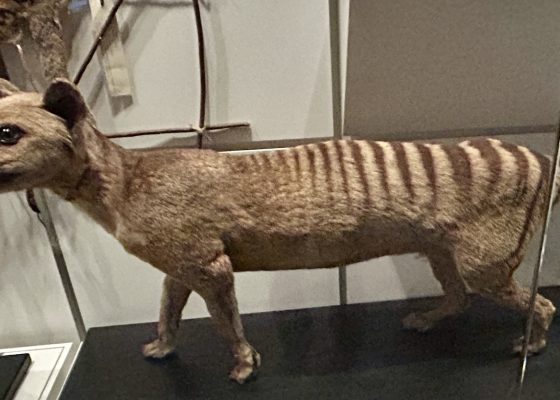
- Thylacine
-
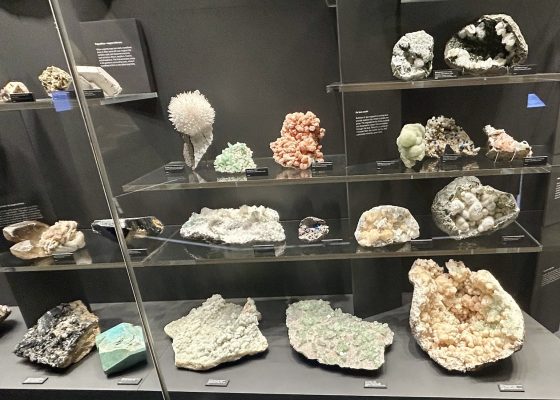
- Mineral Display
-
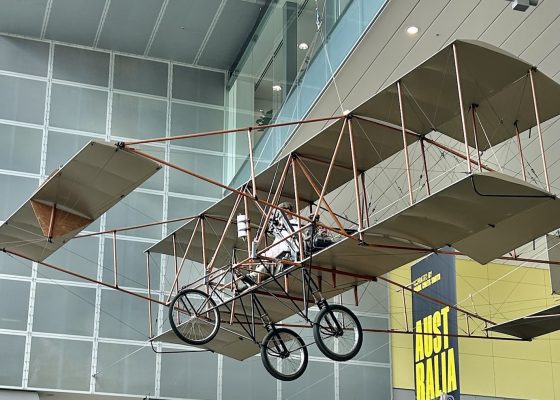
- First Australian Plane
Two from the above that are particularly noteworthy are Phar Lap and the thylacine. We first encountered the great racehorse Phar Lap in the Te Papa Museum in Wellington where his complete skeleton is on display. In this museum his hide is on display. If you want to learn more about the amazing rise to greatness of this horse and his tragic demise I highly recommend watching the 1983 Australian movie Phar Lap. The fact that two countries want to preserve his remains is testament enough to his greatness.
The thylacine aka Tasmanian tiger is another story that has a tragic ending. It once roamed throughout much of Australia and New Guinea, but was extirpated everywhere but Tasmania once dingos arrived around 3,600 years ago. When Europeans began ranching in Tasmania the last stronghold of the only marsupial apex predator was doomed. They were hunted to extinction by bounty hunters, a move that today is looked back on with profound regret as the thylacine is now considered a Tasmanian icon. What is really upsetting is that there were numerous species in zoos around the world including the National Zoo in Washington and with some foresight the species could have been preserved. People still hold out hope of finding one alive somewhere in the wilds of Tasmania, but that’s unrealistic. It’s another classic case of one generation’s stupidity leading to remorse for all succeeding generations.
Brighton Beach Bathing Boxes
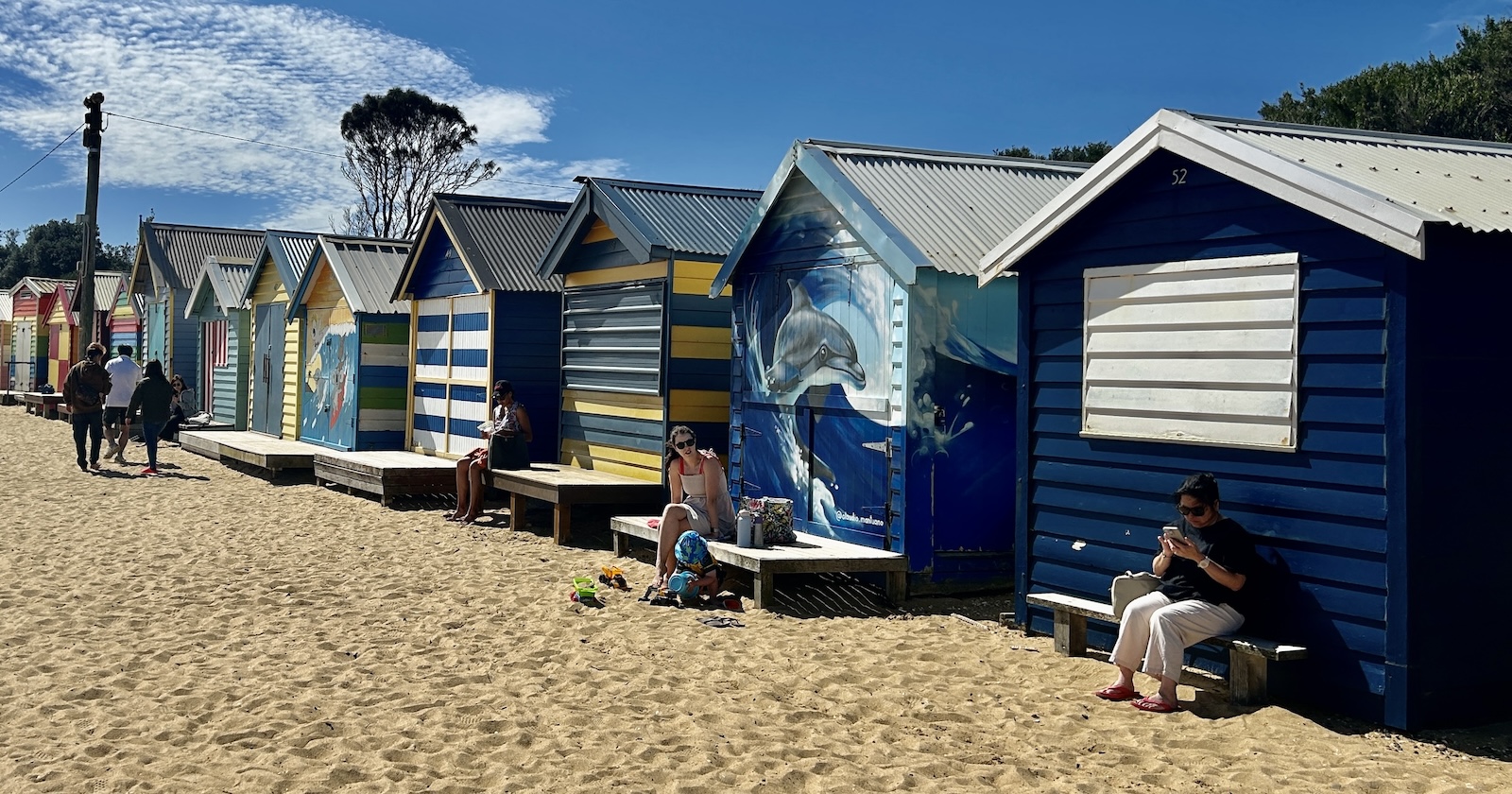
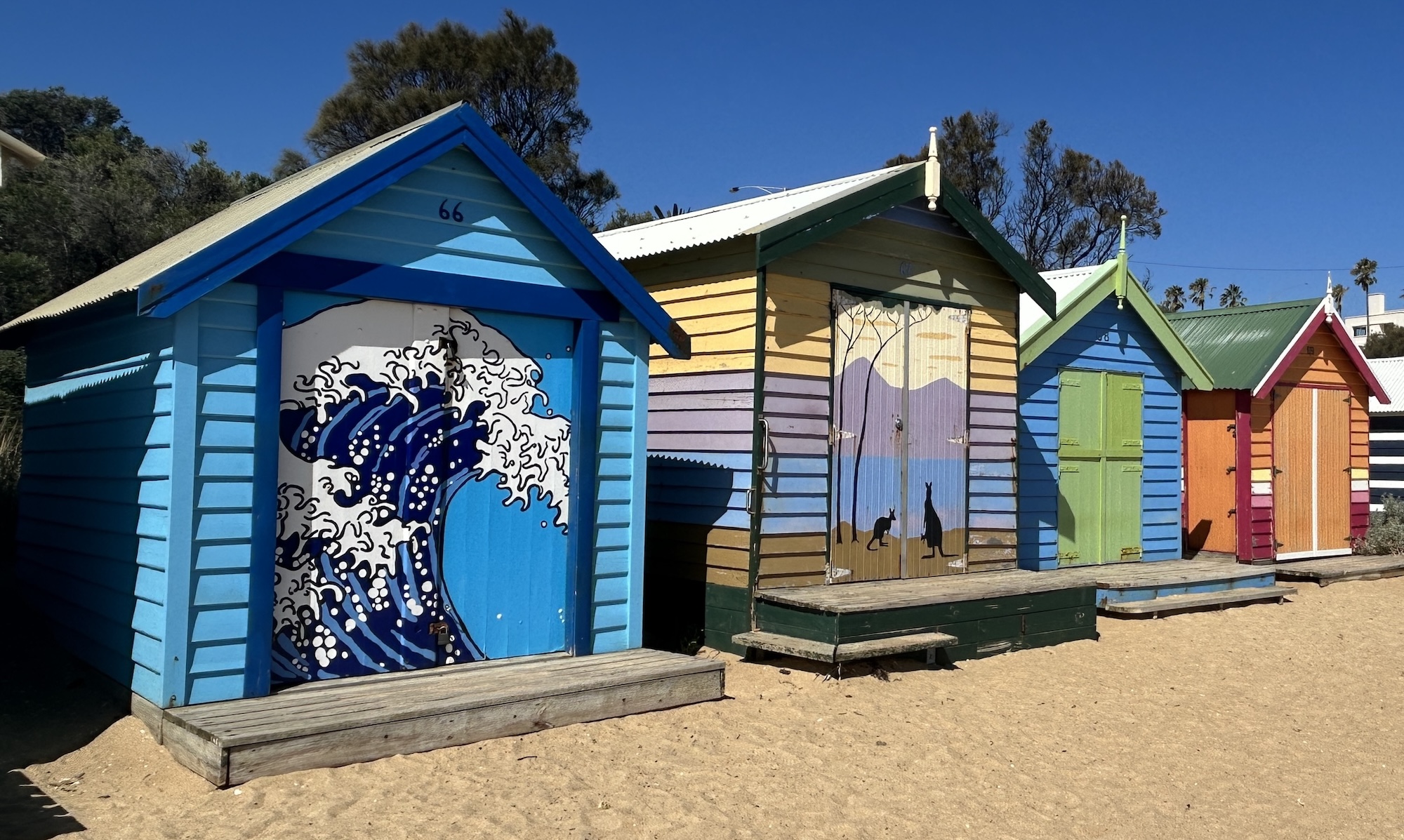
Our final stop on this Melbourne Redux tour takes us to the suburb of Brighton Beach which is famous for its colourful bathing boxes. They date back over 100 years and were originally used as changing rooms for women, but have since become status symbols that can cost as much as $200,000.00.
They are indeed very photogenic and instagramable.
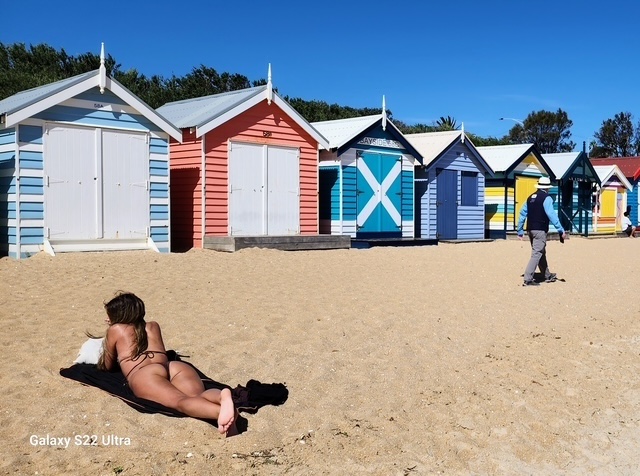
There are other things to see as well at Brighton Beach, but somehow I walked right by this one without even noticing.
Well that concludes our Melbourne Redux tour. In the next post we’ll head out to explore Australia’s famed Great Ocean Road. I hope you’ll join us.