
Peru & Bolivia with Adventures Abroad

I have just completed a 17 day tour of Peru and Bolivia with Adventures Abroad, in my opinion Canada’s leading tour operator for 50+ travellers. In this post I’ll explain why Peru and Bolivia should be on every ardent traveller’s bucket list, why Adventures Abroad is the company to travel with and the things you don’t need to worry about and a few that you do. So please join me in this overview of these two great countries.
Why Peru and Bolivia?
Good question. There are now 195 recognized countries on this planet we call Earth and visiting even a fraction of them is going to eat up a lot of time and money so most of us need to be a bit picky about the destinations we choose. After all once you hit 50 which I did some time ago, the clock is ticking. First and foremost in terms of travel considerations is one word – safety. As I write this, Mexican cartels are creating lockdowns in such previously safe destinations like Puerto Vallarta and Guadalajara, demonstrating that things can change in a flash.
Safety considerations contain many elements including crime, government stability, disease, environmental degradation, food safety and more. So let’s examine Peru and Bolivia in regard to those standards.
Thirty years or more ago Peru had a horrendous reputation for thievery. I remember reading reports from knowledgable travellers that if you took a decent camera or wore any time of jewelry, expect it to be stolen. However, things have changed dramatically and I can say without fear of contradiction that Peru is now one of the safest countries in South America for tourists. Not once on this tour did I feel any sense of trepidation or unease. Part of that might be attributed to the fact that we were always with knowledgable local guides plus our tour leader, but only part. Overall I found the people of Peru and Bolivia welcoming, friendly and eager to show the best of whatever community or attraction we might be visiting. So we can strike crime off our list of reasons not to visit.
In terms of government stability, both countries are functioning democracies. Bolivia’s last revolution was in 1952 and Peru’s last military coup was in 1968. While the government leaders may change frequently (the President of Peru was voted out while we were there), it is done by ballot and not at gunpoint.
What about the chances of getting sick or worse? One of the most common afflictions for North American travellers to what are incorrectly referred to as Third World countries, is traveller’s diarrhea. I made no bones about the fact that it was an issue in Morocco, my previous AA trip. I am glad to report that not a single person on the Peru/Bolivia tour had any issues with the food we ate. In fact food preparation standards were generally high and as I’ll describe in more detail later, the food was fabulous. In the areas AA visits on this tour none of the infectious or insect borne diseases like cholera, malaria or yellow fever are present. So we can strike fear of getting sick off the list.
You will find next to no beggars in either Peru or Bolivia and the few that you do see are usually older women. I would see more people with their hands out in one trip down Spring Garden Road in Halifax, than I would on this entire trip. Also, the vendors in both countries are not aggressive and will not hound you like they do in India, Turkey and Egypt among other places. They are actually quite pleasant to deal with and most are selling wares that they have made themselves.
What about pollution or environmental degradation? I’ll be honest that Peruvians and to a lesser extent Bolivians are derelict in their attitude towards roadside litter. While in many places like the Miraflores district of Lima, La Paz in general and tourist towns like Machu Picchu, litter is not an issue, elsewhere it is. Yes, it’s an eyesore, but that’s about it. There was no issue with smog in any of the cities we visited and while you might need to look where you’re stepping in some places to avoid doggy doo, it was no worse than many North American and European cities I could name. So, not perfect by any means on the environment issue, Peru and Bolivia are miles ahead of India and many other popular destinations.
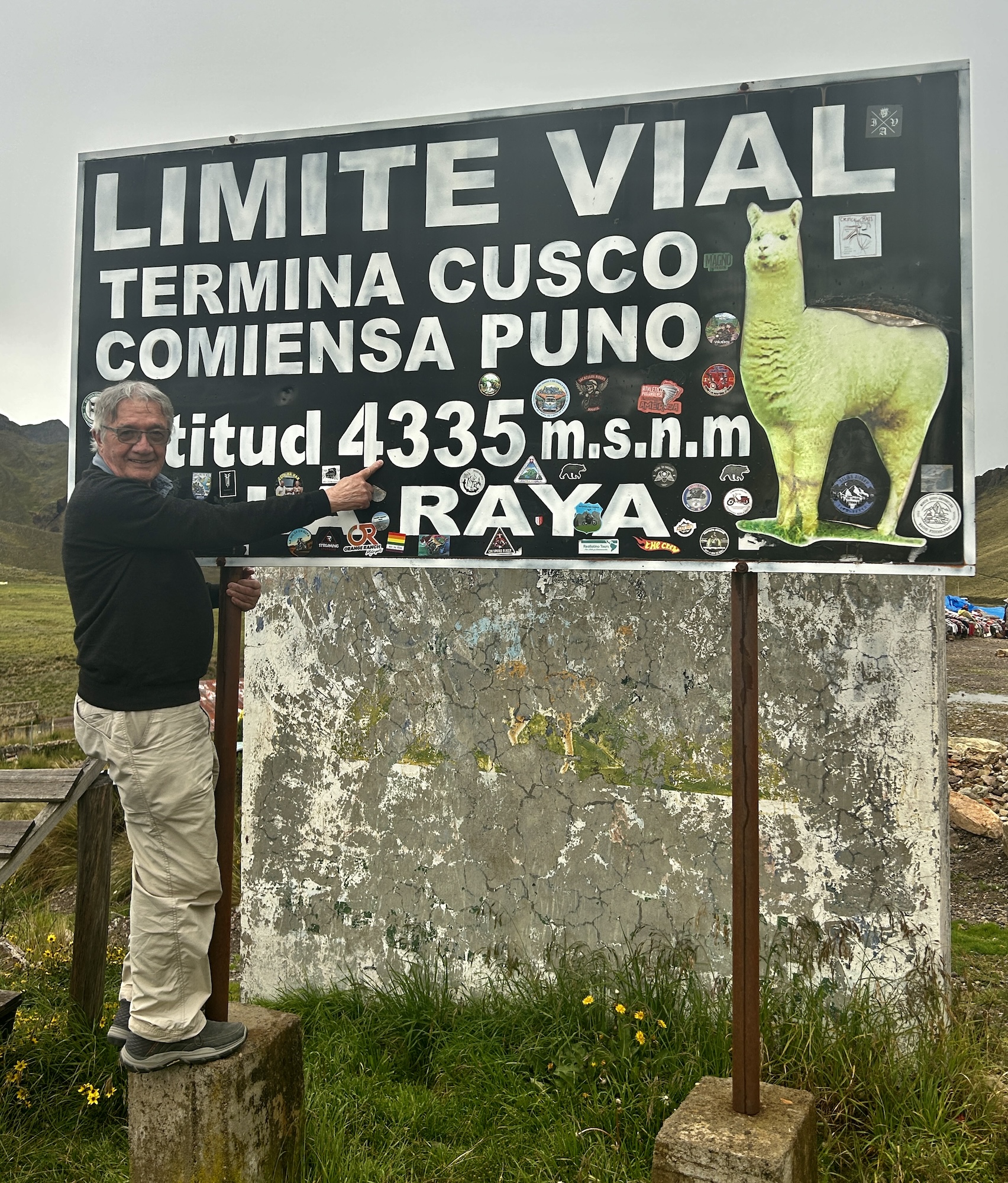
So are there any other concerns that might affect one’s decision to visit Peru and Bolivia? Yes, one in particular – altitude sickness. This tour reaches elevations as high as 4,335 metres (14,222 feet) and you will spend a number of days at altitudes consistently above 3,800 metres (12,500 feet). Most of the people on the tour did have some effect from the altitude that required taking some oxygen, but before you panic at that, not one person missed a single event on this tour because of altitude sickness. For some reason altitude, at least at these levels, doesn’t bother me and you might be one of those as well. The fact is you won’t know until you go and at all times you’ll be in good hands. Both Peruvian and Bolivian hotels are used to dealing with altitude sickness and have oxygen readily available. In conclusion, I would not let fear of altitude sickness deter you from taking this tour.
OK, I’ve covered the reasons traveller’s might avoid a certain destination and both Peru and Bolivia have passed the test. Now let’s focus on the positive reasons for making this trip starting with Peru.
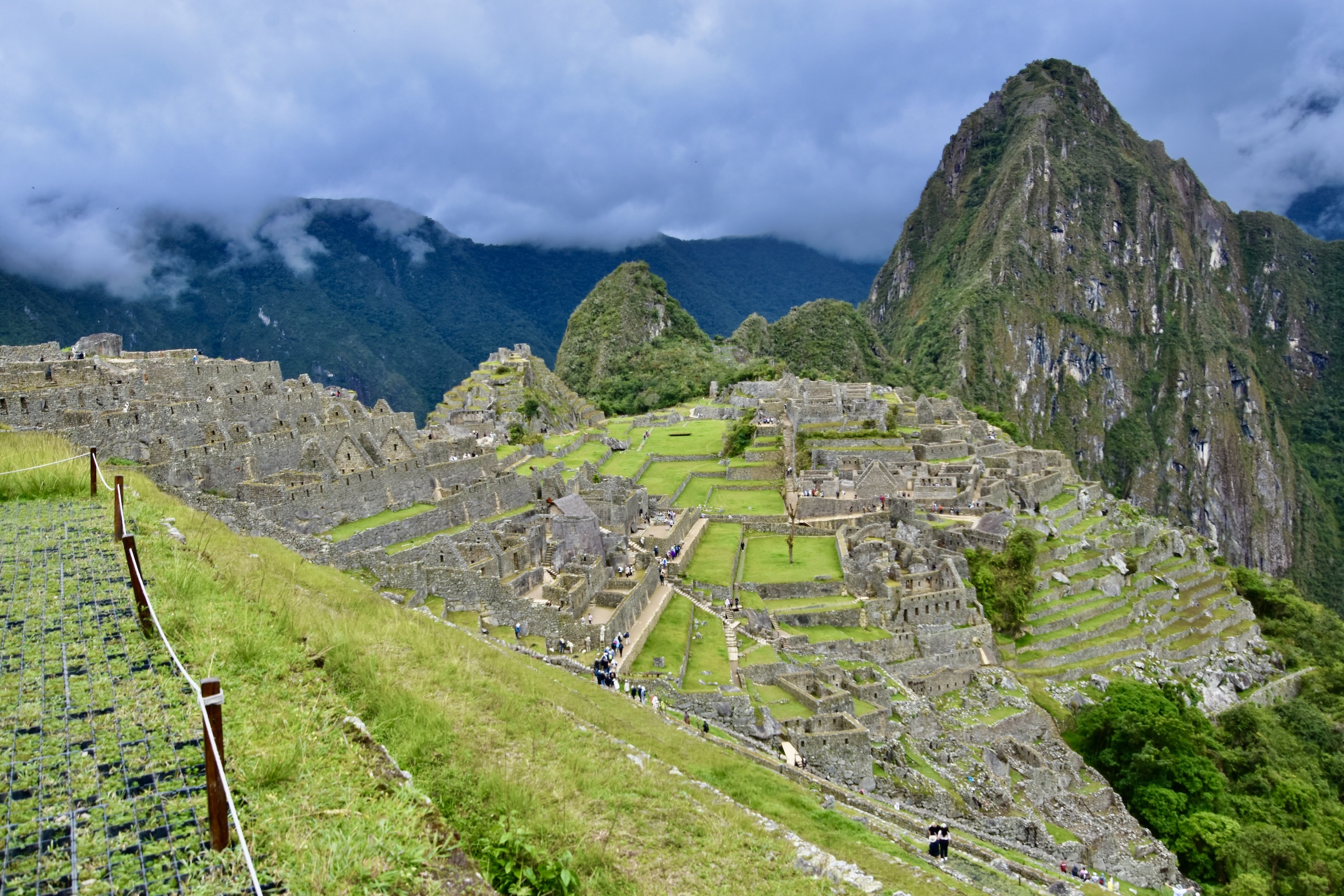
First and foremost – Machu Picchu, Machu Picchu, Machu Picchu. I cannot emphasize enough just how unique, beautiful and absolutely stunning this place is. If there was nothing else to see in Peru but Machu Picchu, it would be worth making the trip. The place really lives up to its hype and getting there is half the fun.
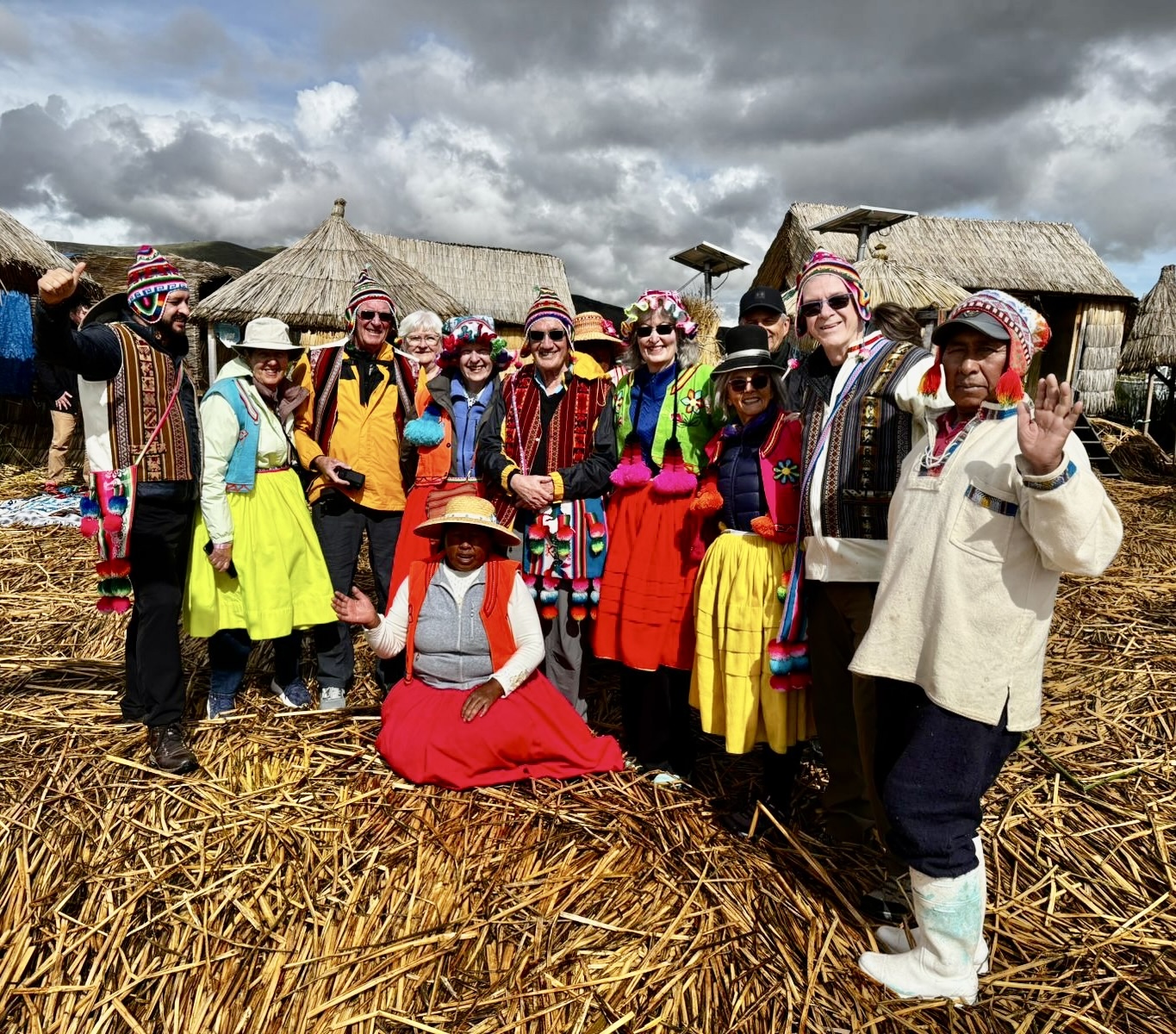
Lake Titicaca – this one scores for both Peru and Bolivia and the tour spends time on islands in both countries. On the Peruvian side you’ll visit the very touristy, but absolutely must visit, floating islands as well as the island of Taquile where the men do the knitting.
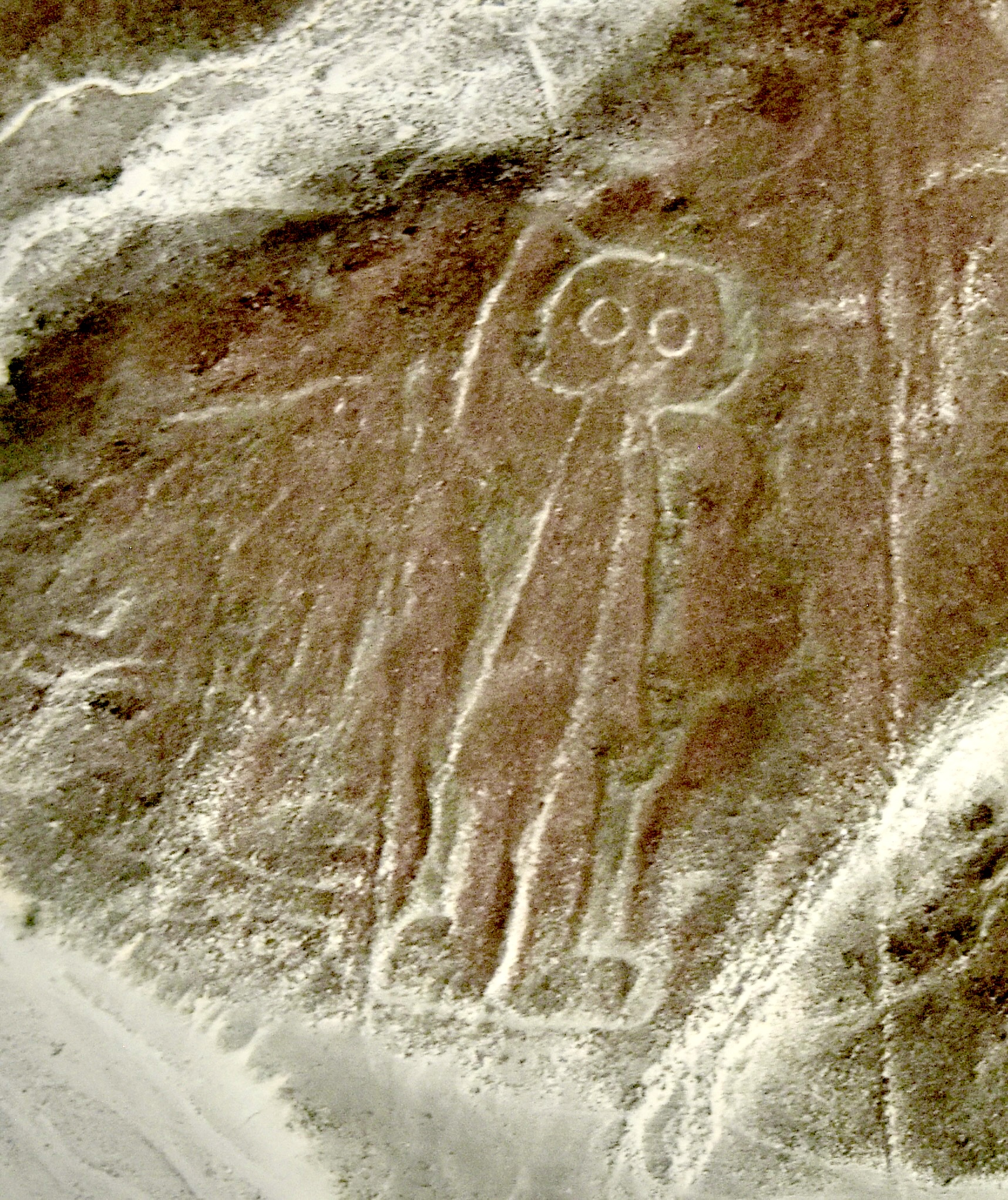
The Nazca Lines; were they built by aliens? On this trip you can make your own mind up about that.
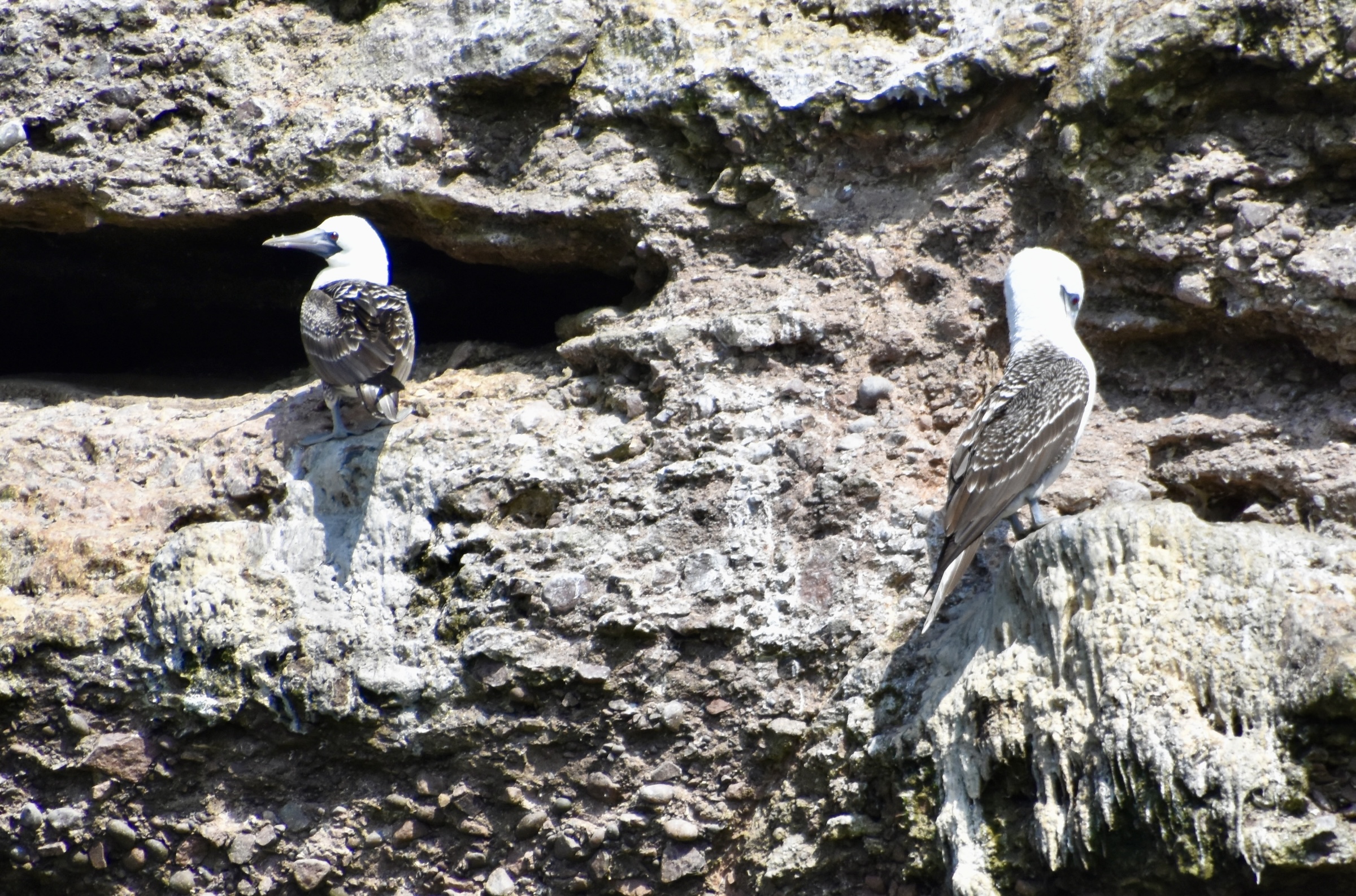
The Ballestas Islands were a huge draw for birders like me. Add some life listers like Nacza boobies and Inca terns as well as observing a sea lion colony during pupping season.
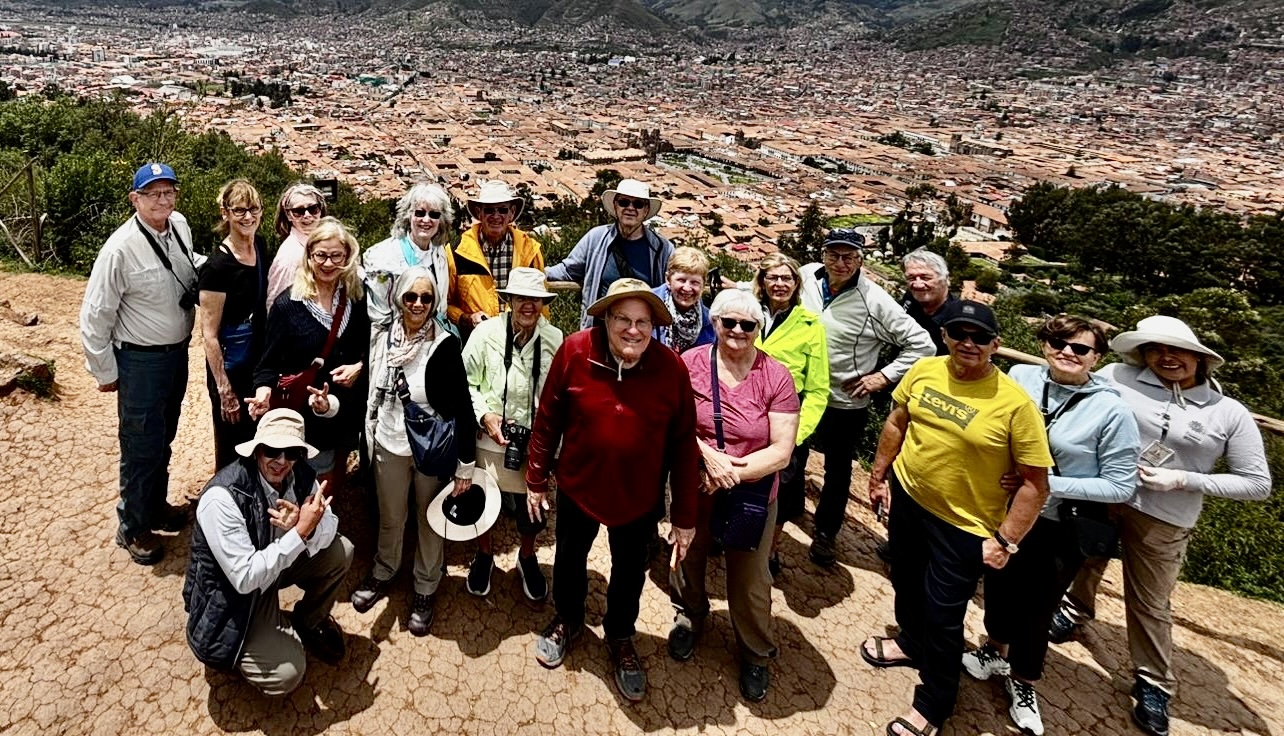
Cuzco was the capital city of the Incan Empire and is now an amazing Spanish colonial city built atop of the ruins of the Temple of the Sun.
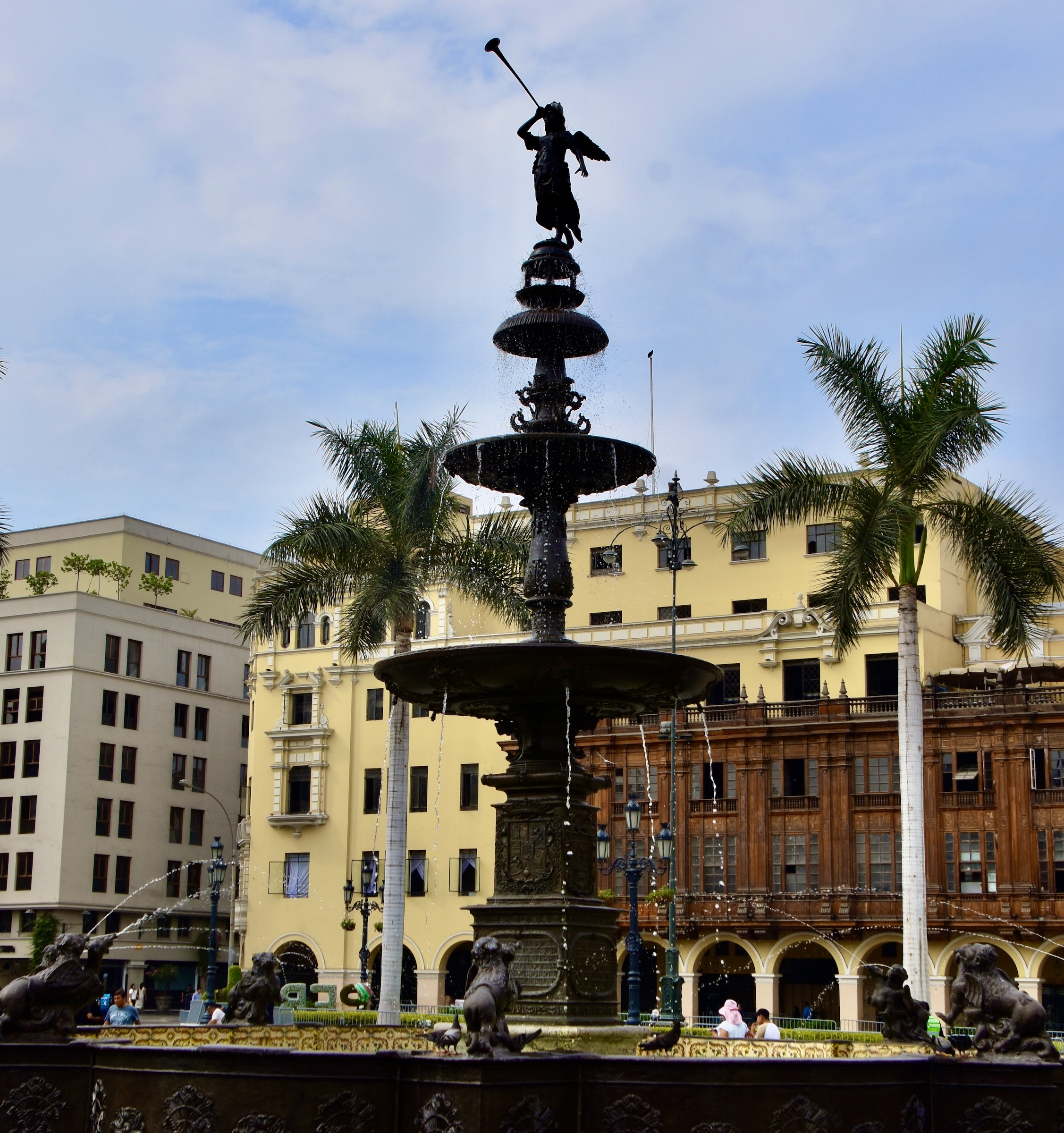
Lima’s Plaza Mayor is one of the finest in all of Latin America featuring the oldest fountain in the New World.
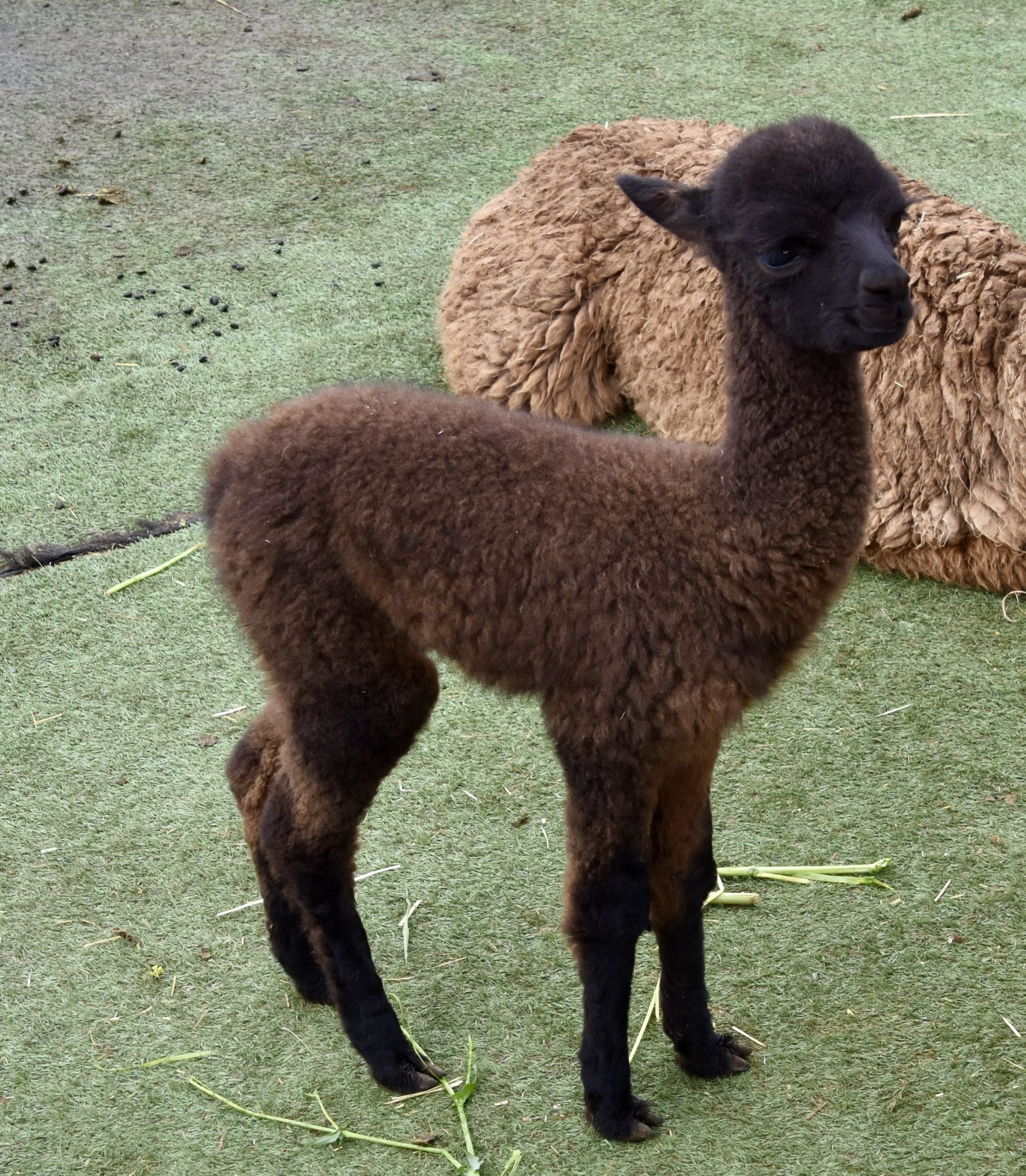
Nothing is quite as cute as a baby alpaca. On this trip you’ll get to see a lot of them, plus llamas galore and even guanacos and vicunas. You’ll also get a chance to purchase some of the finest wool textiles in the world made from the first cut of these little creatures.
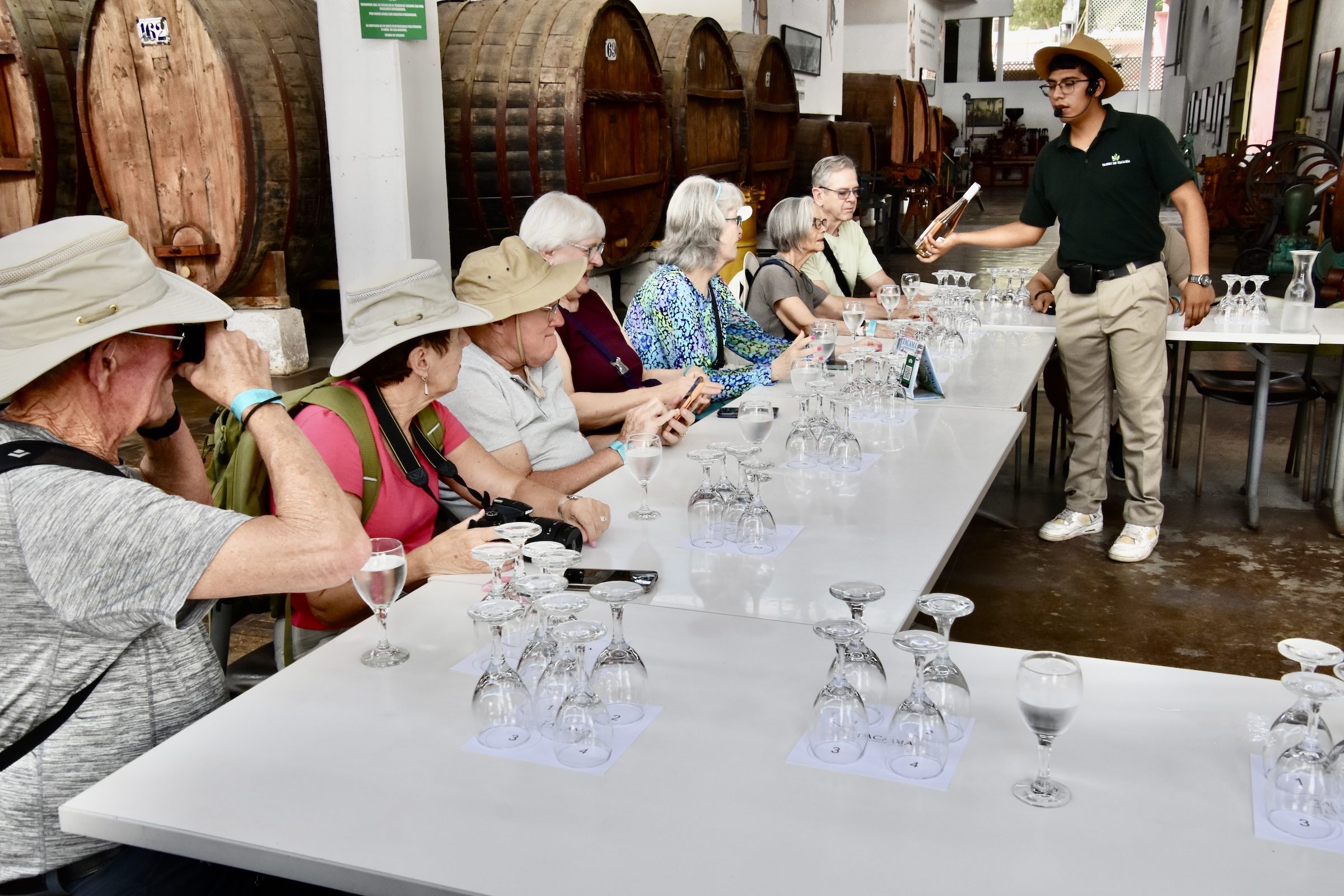
While Chile and Argentina get all the kudos, they can’t beat the fact that Peru has the oldest winery in the New World which dates back over 400 years. You’ll get a chance to sample and purchase some of the unique wines produced by the Tacama winery.
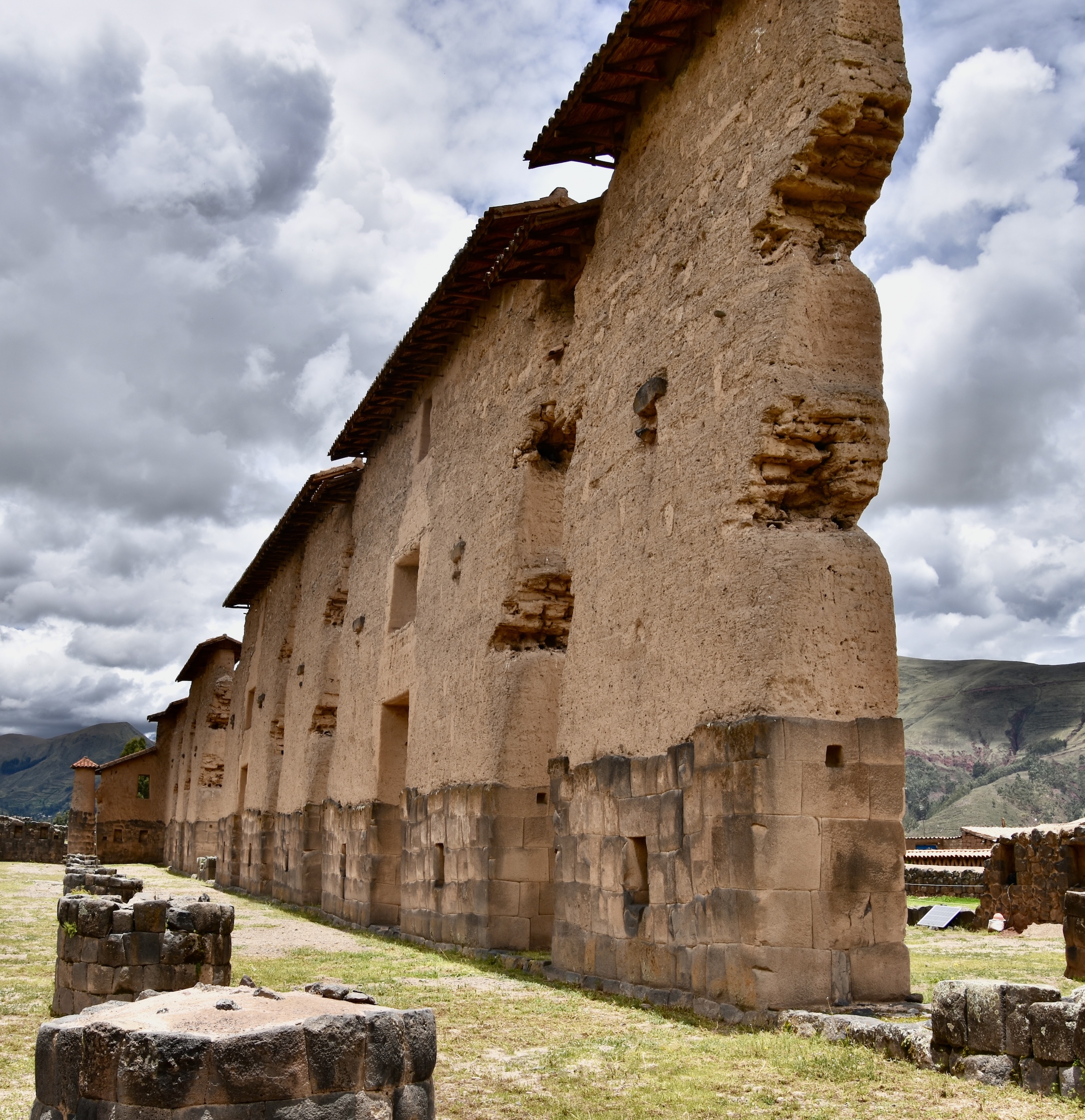
Machu Picchu is not the only archaeological site of note you’ll visit on this tour. For me the most impressive was Raqcui with it’s massive Temple of Wiracocha.
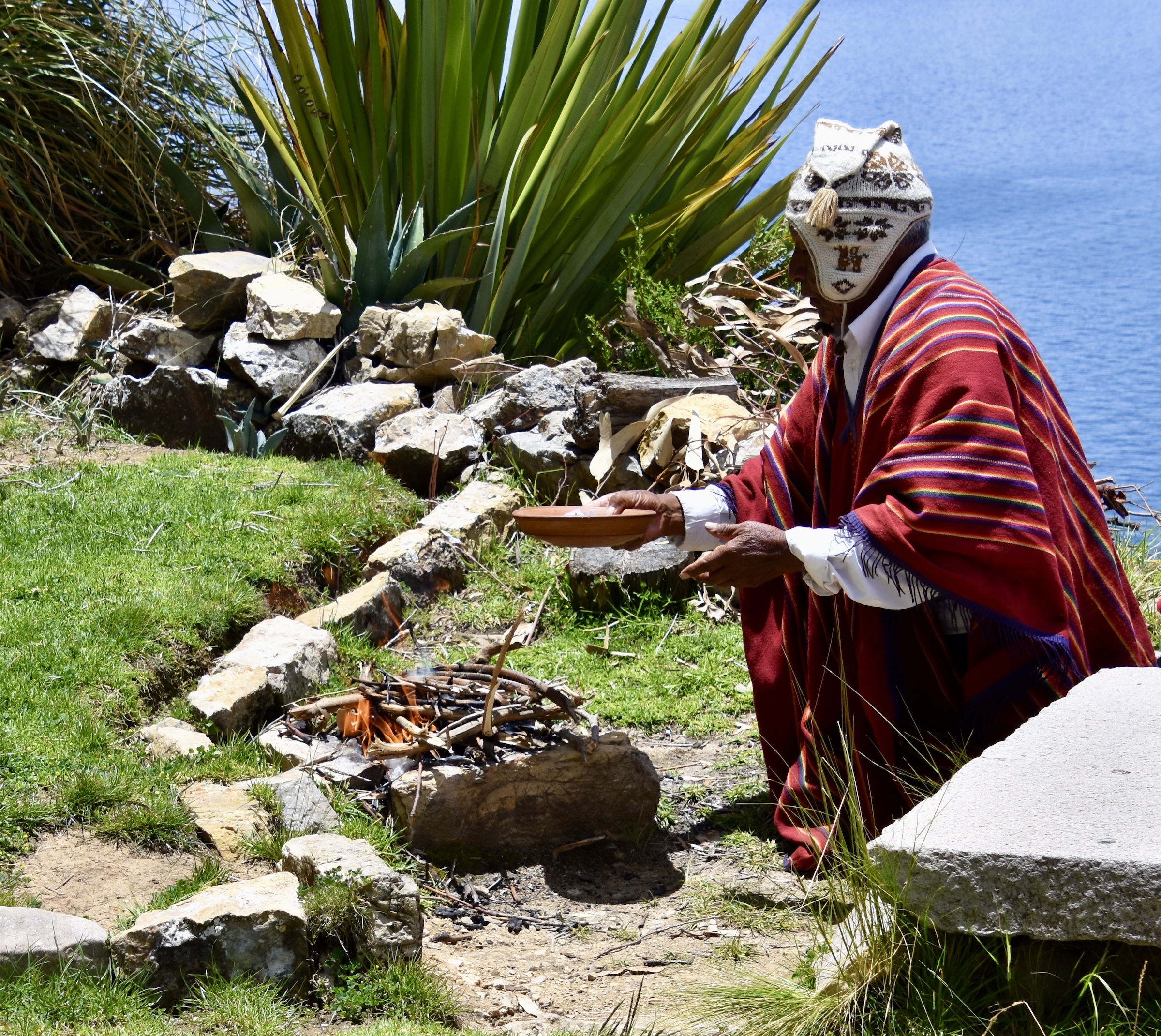
There’s a lot more, but let’s give Bolivia a chance starting with the fascinating Isla del Sol in Lake Titicaca which the Incas believed was their ancestral home and shaman’s still make sacrifices to the ancient gods.
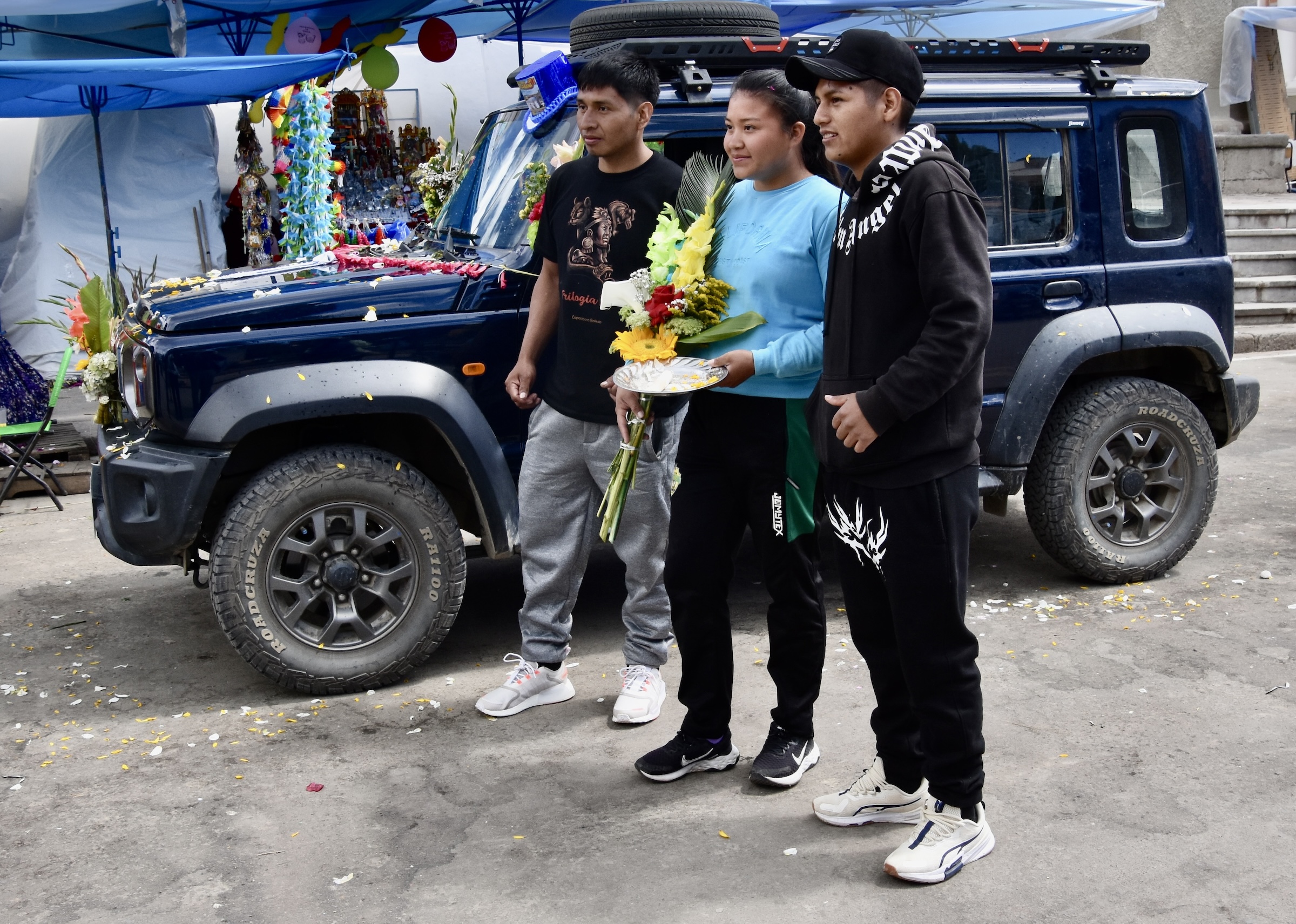
The Shrine of the Virgin of Candelaria, the patron saint of Bolivia in Copacabana draws hundreds of thousands of pilgrims every year to pray before her statue for miraculous cures and to bless their new car purchases. Really!
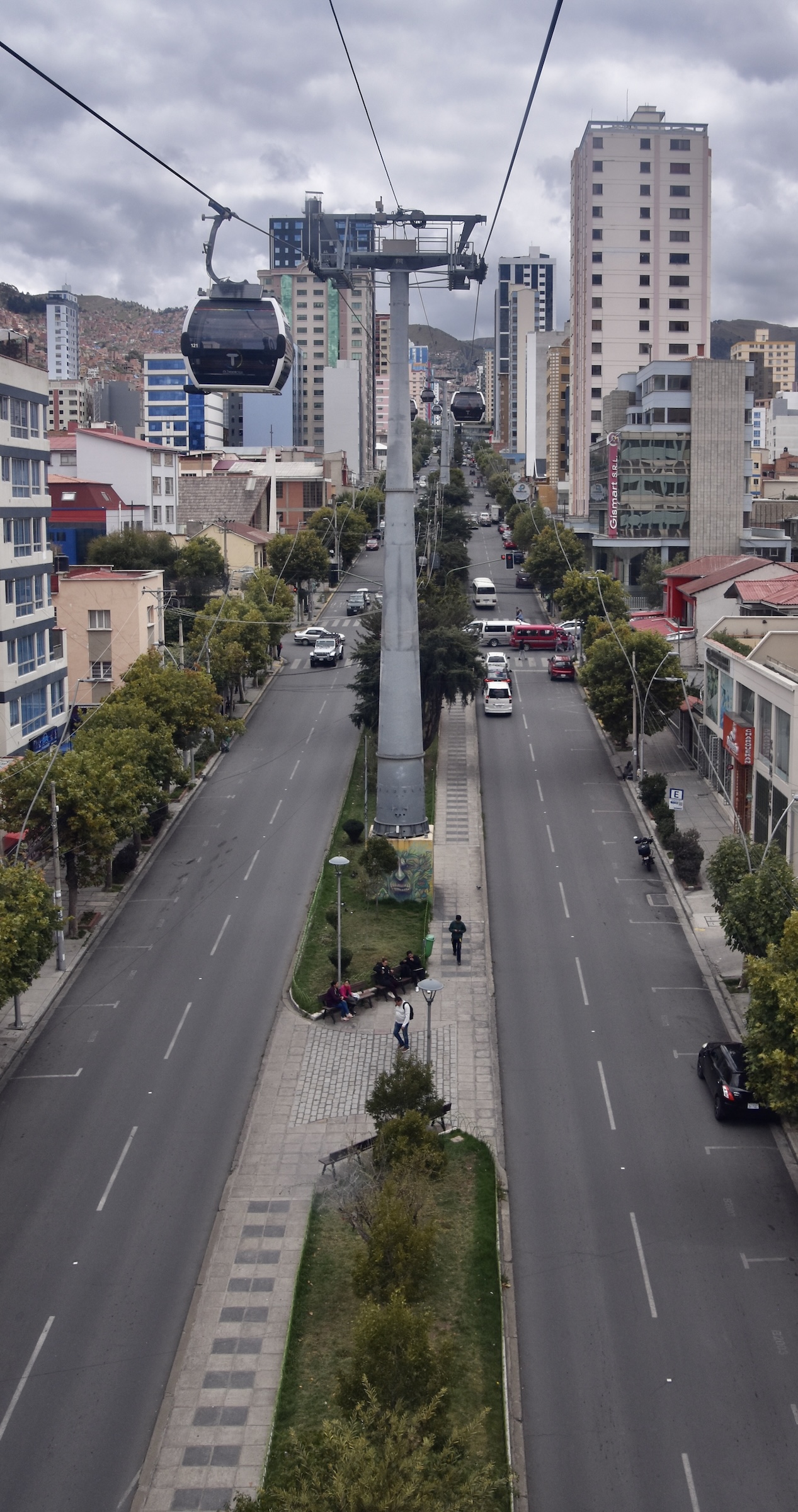
Did you know that La Paz has an aerial version of a subway? Neither did I until our AA group took a tour of La Paz using four different gondola lines.
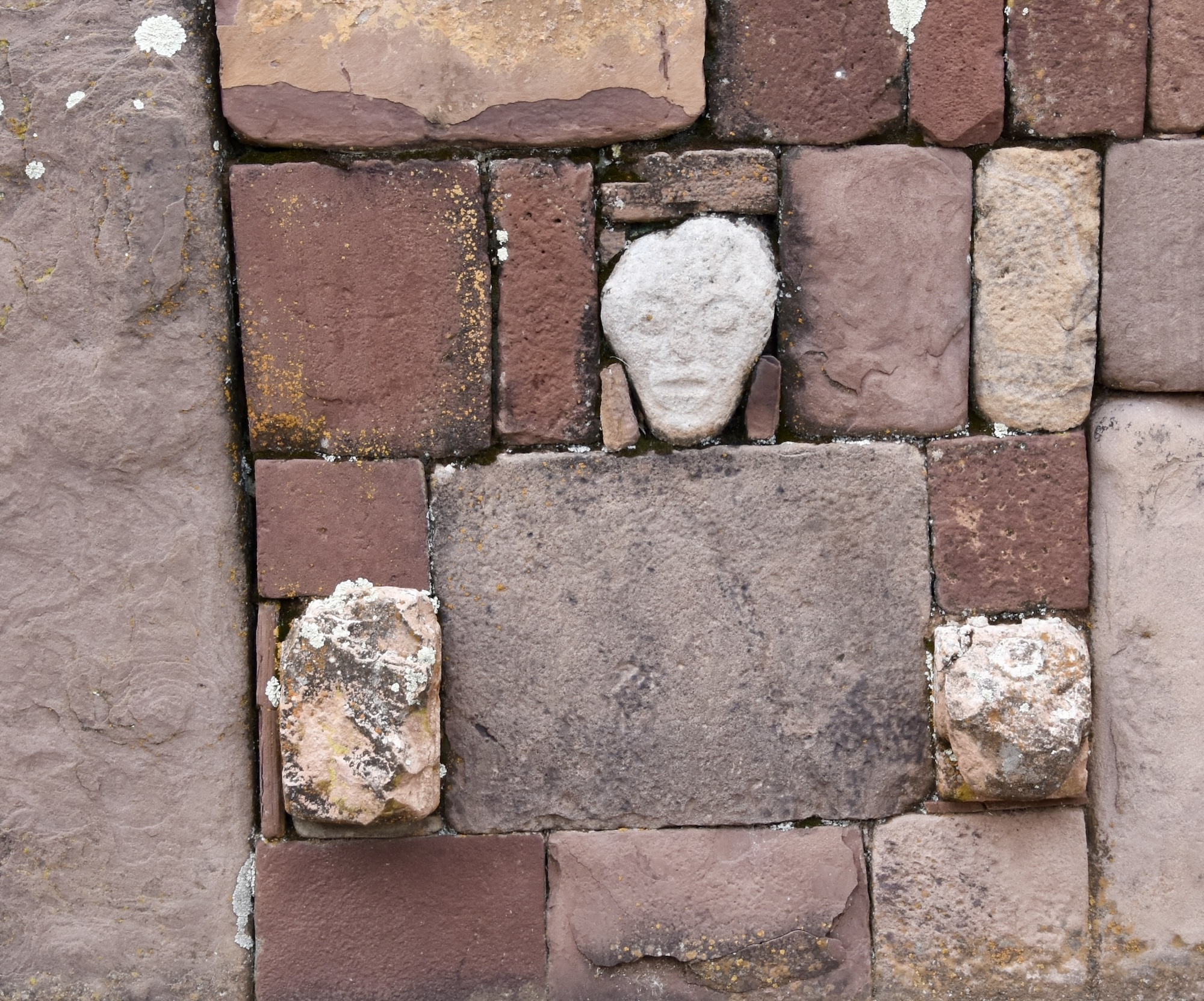
If you are convinced that aliens created the Nazca Lines then you probably think they visited Tiahuanaco as well. Who else could this be but an ET?
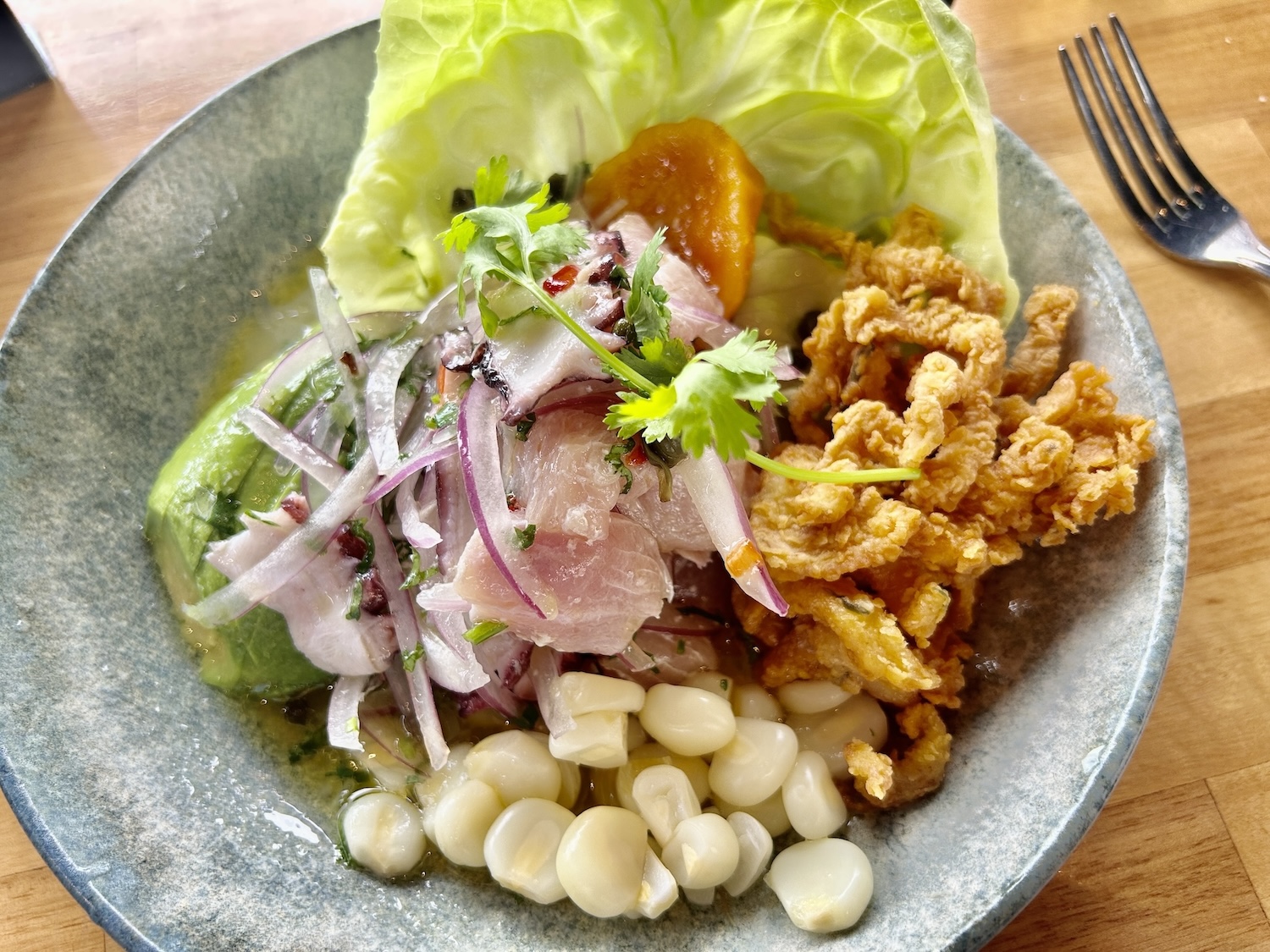
Once again I’m leaving a lot out, but let’s move on to, for me, one of the most important reasons for choosing a destination – the food and drink. Frankly in the case of Peru I would come to sample, over and over again, one of my all time favourite preparations – ceviche. It originated in Peru and I couldn’t wait to try it it here and I was not disappointed. This version from Popular Restaurant in Lima features marinated fish and octopus along with some fired fish bits and avocado. Away from the sea we had many different versions featuring the trout that is grown in Lake Titicaca.
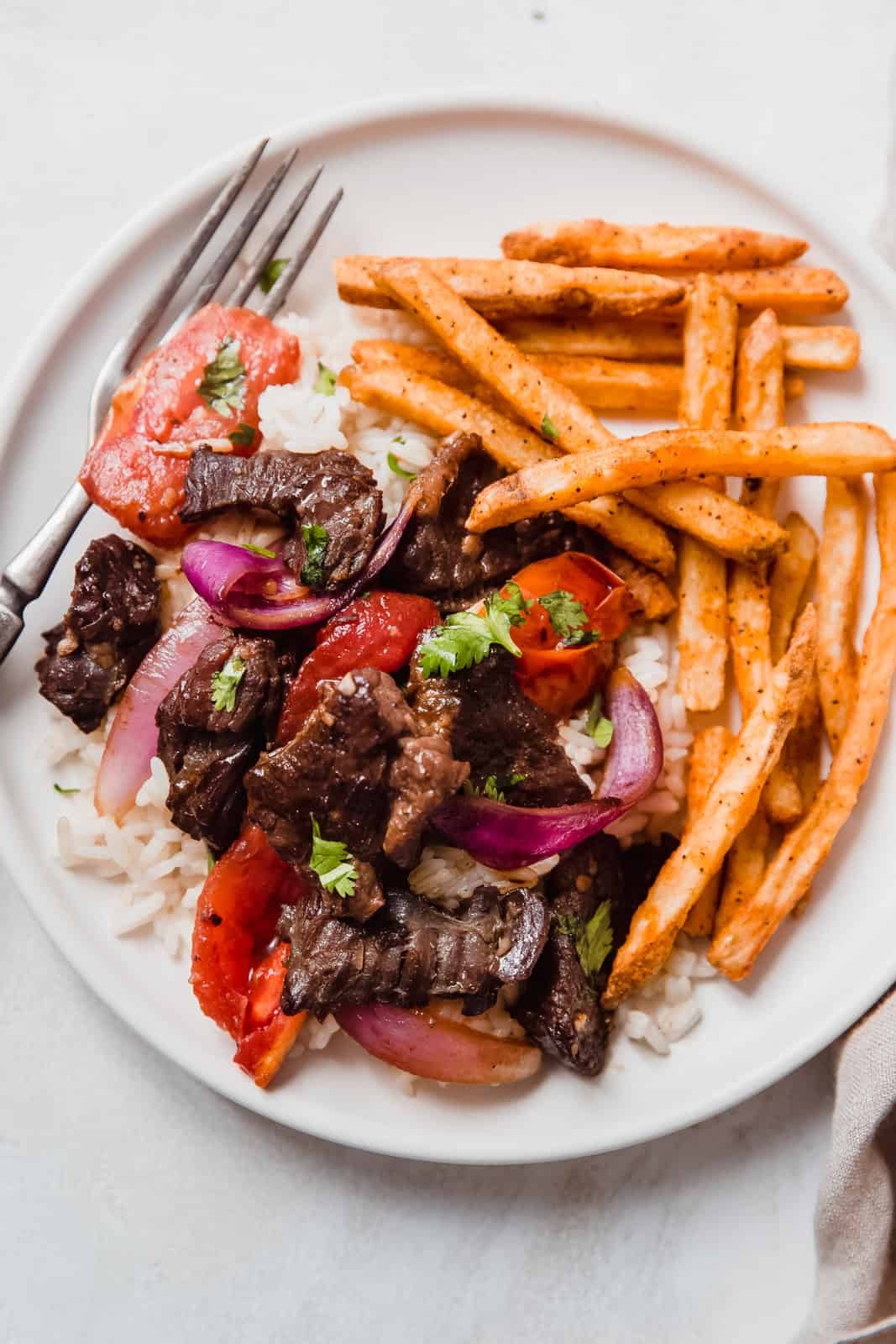
Surprisingly ceviche is not the national dish of Peru; that is Lomo Saltado, A Peruvian version of a beef stir fry.
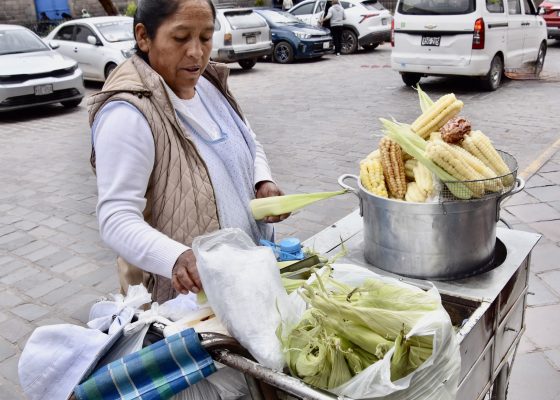
Here is a gallery of just a few of the items I enjoyed on this trip. Double click to open and double click to enlarge. For the more daring cuy aka guinea pig, alpaca and llama were on the menu. For the more conservative, the lasagnas and pasta dishes were excellent.
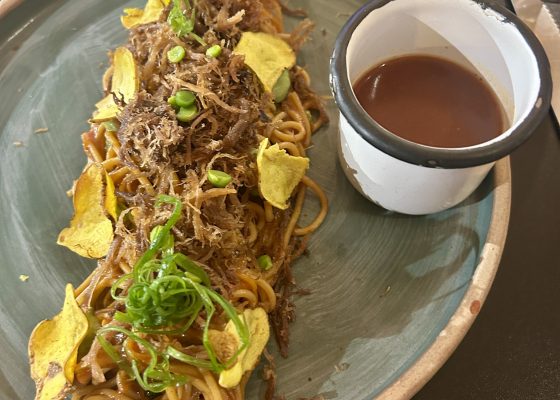
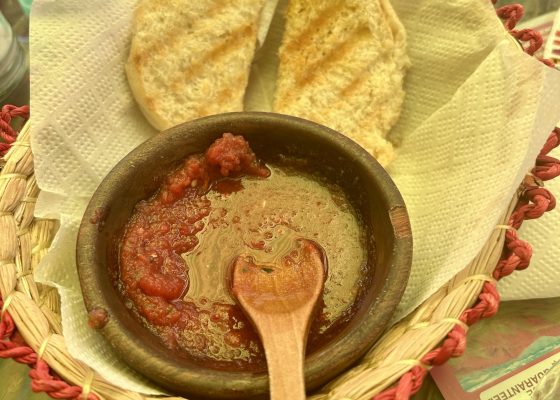
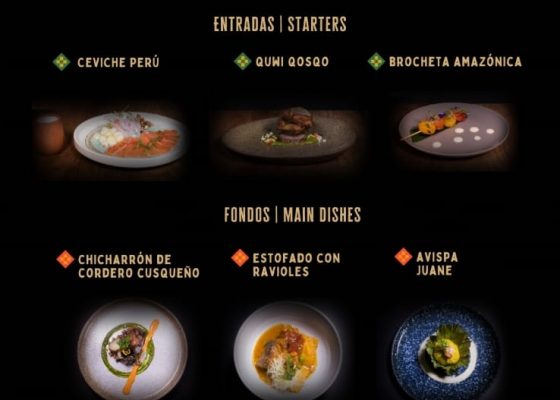
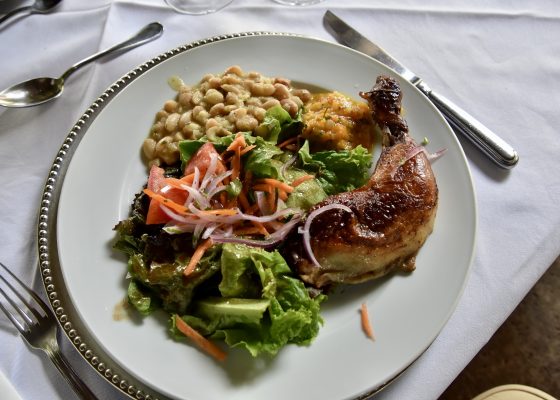

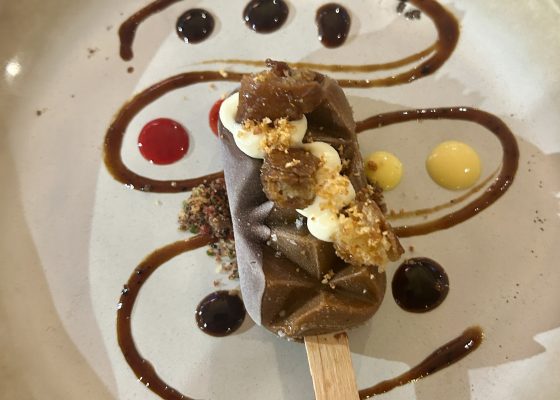
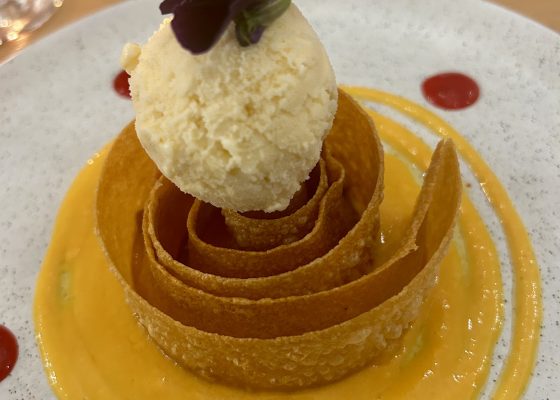
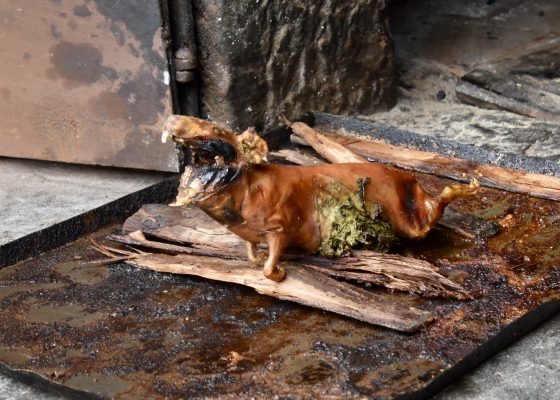
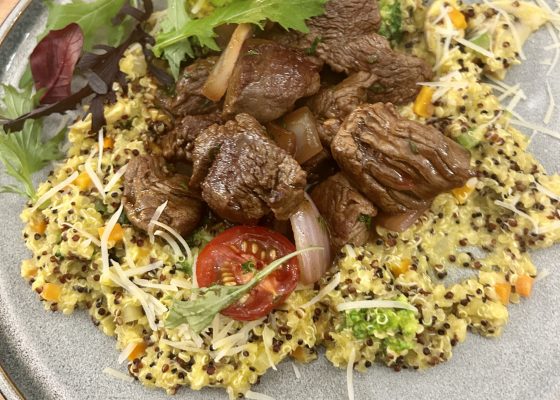
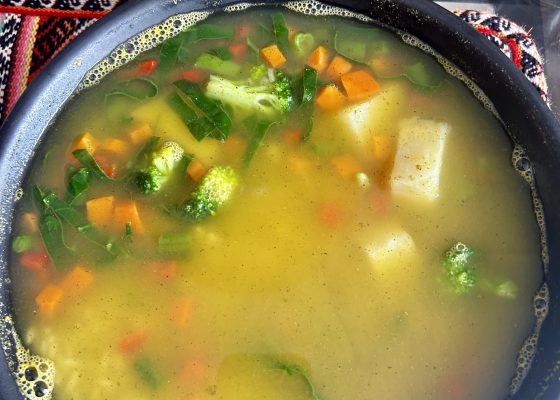

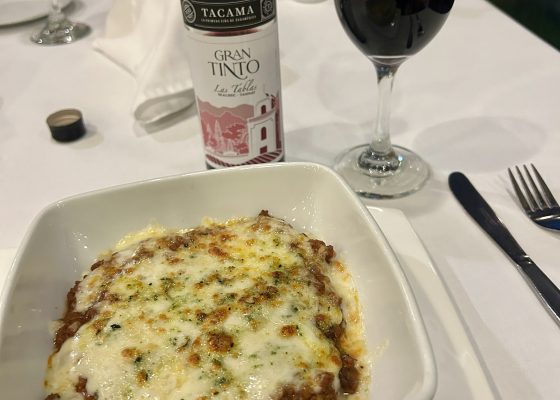
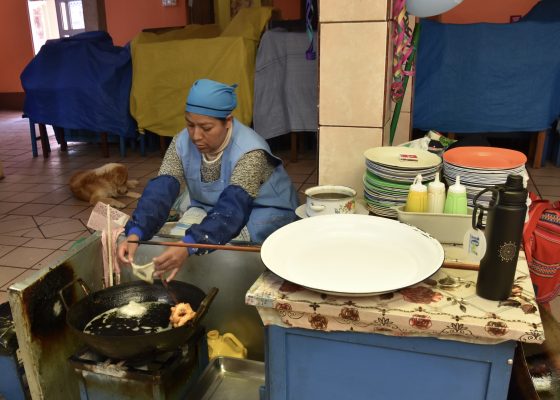

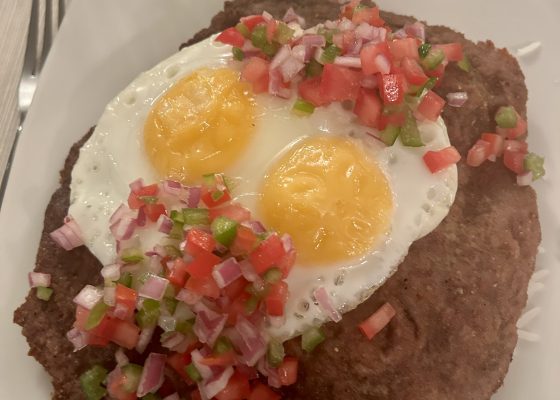
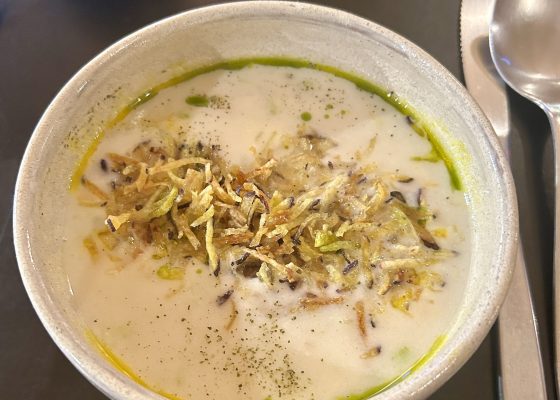
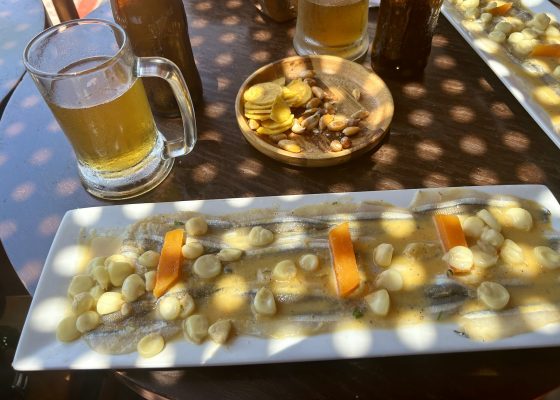

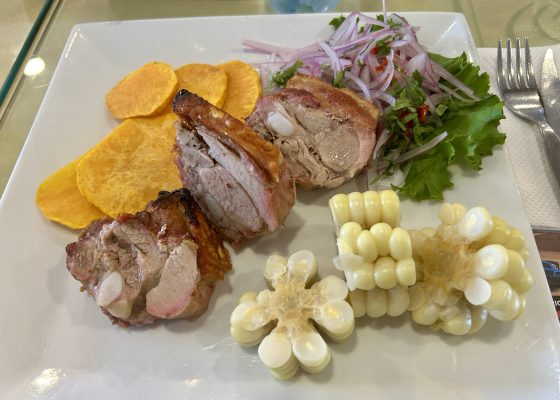
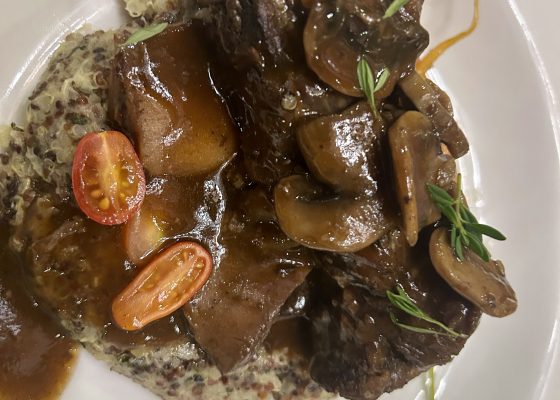

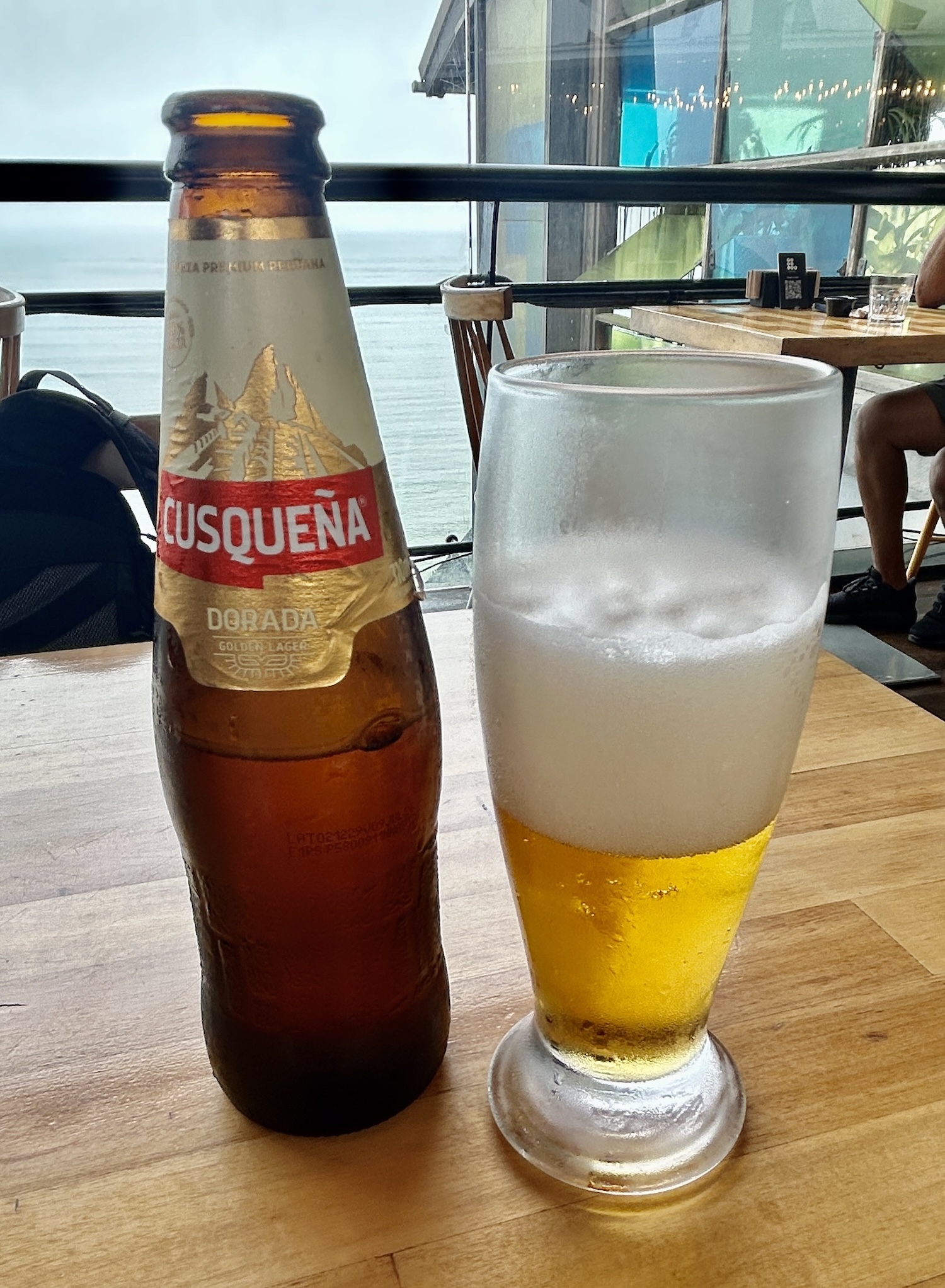
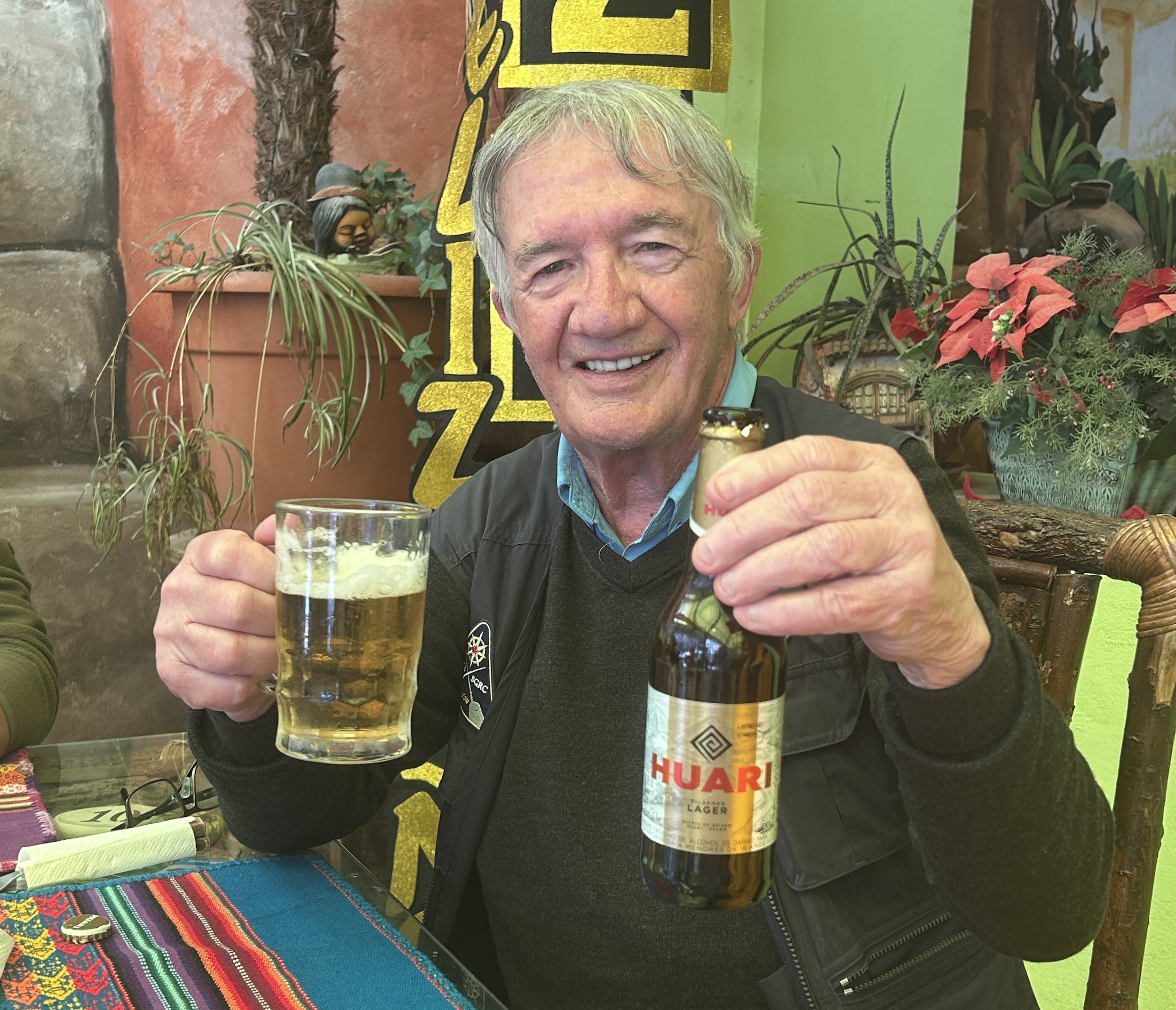
OK, so the food was great, what about the beer and wine, always a priority for me. The two national beers, Cusquena Gold for Peru and Huari for Bolivia were fine light lagers.
As mentioned, Peru has the oldest winery in the New World and Peruvian wines were widely available and very decent. However, in terms of alcoholic drinks the piece de la resistance is undoubtedly the Pisco Sour, an absolutely irresistible cocktail made from Peru’s signature grape based spirit, pisco. Straight pisco tastes awful, but when made into a sour, wow! I had my first one at the JW Marriott in Lima and it was love at first sip. There will be umpteen places to try this Peruvian signature cocktail and you should look forward to trying it.

Ok, I’ve gone over the reasons why you should add Peru and Bolivia to your travel list, but why go with Adventures Abroad?
First and foremost it is the AA guides that I think sets them apart from many other companies. The tour leaders are almost always seasoned vets who have been with the company for years. They know their way around and how to avoid situations and if those do arise, how to best navigate them. There really were none on this trip except for the altitude sickness remedies which mostly involved getting some oxygen.
Our tour leader on this trip was Diego Vidal who is the AA South American principal guide. I had not travelled with Diego before, but came away impressed with his professionalism, sense of humour and level headedness. By the end of the tour I think we all considered Diego as a friend and I would travel with him again in a heartbeat.
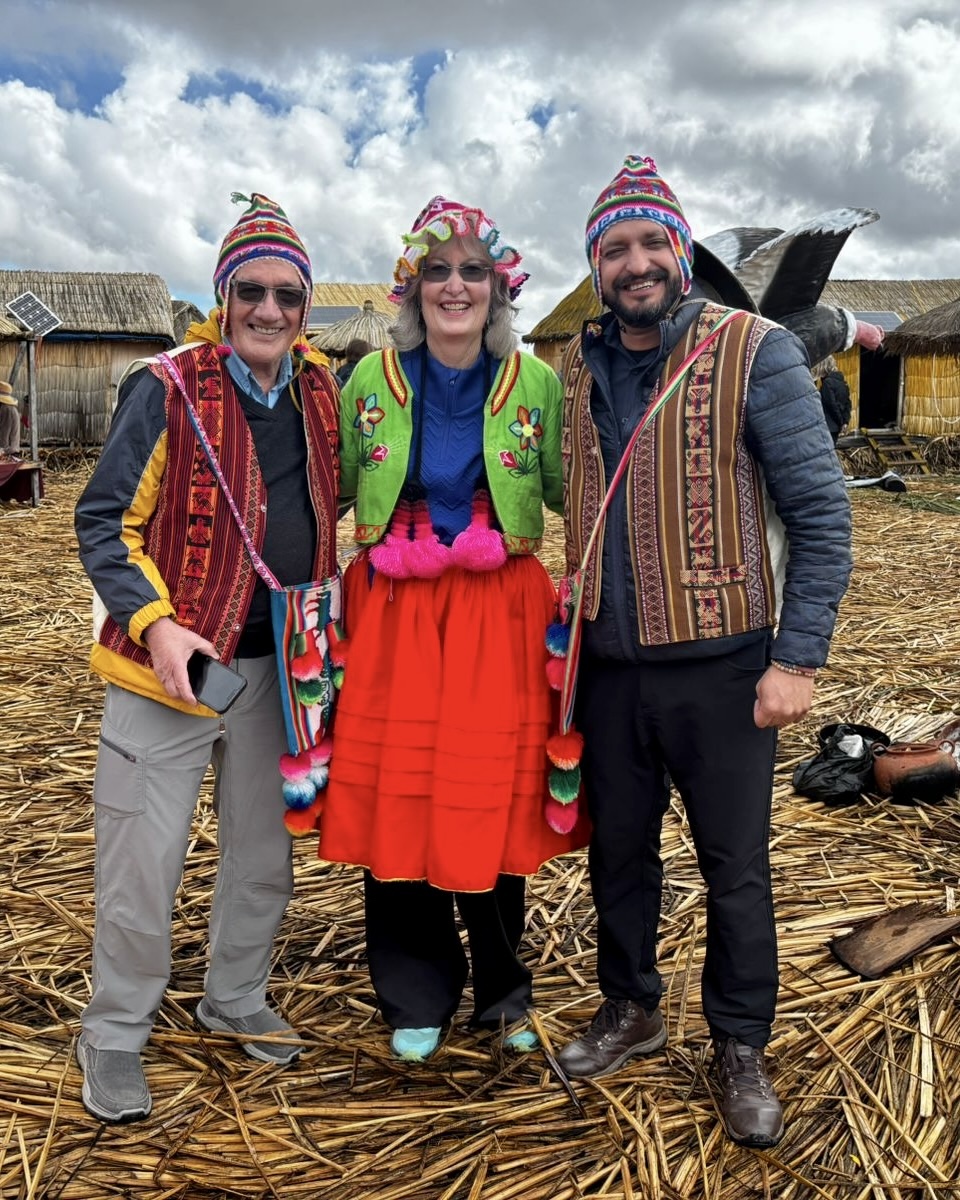
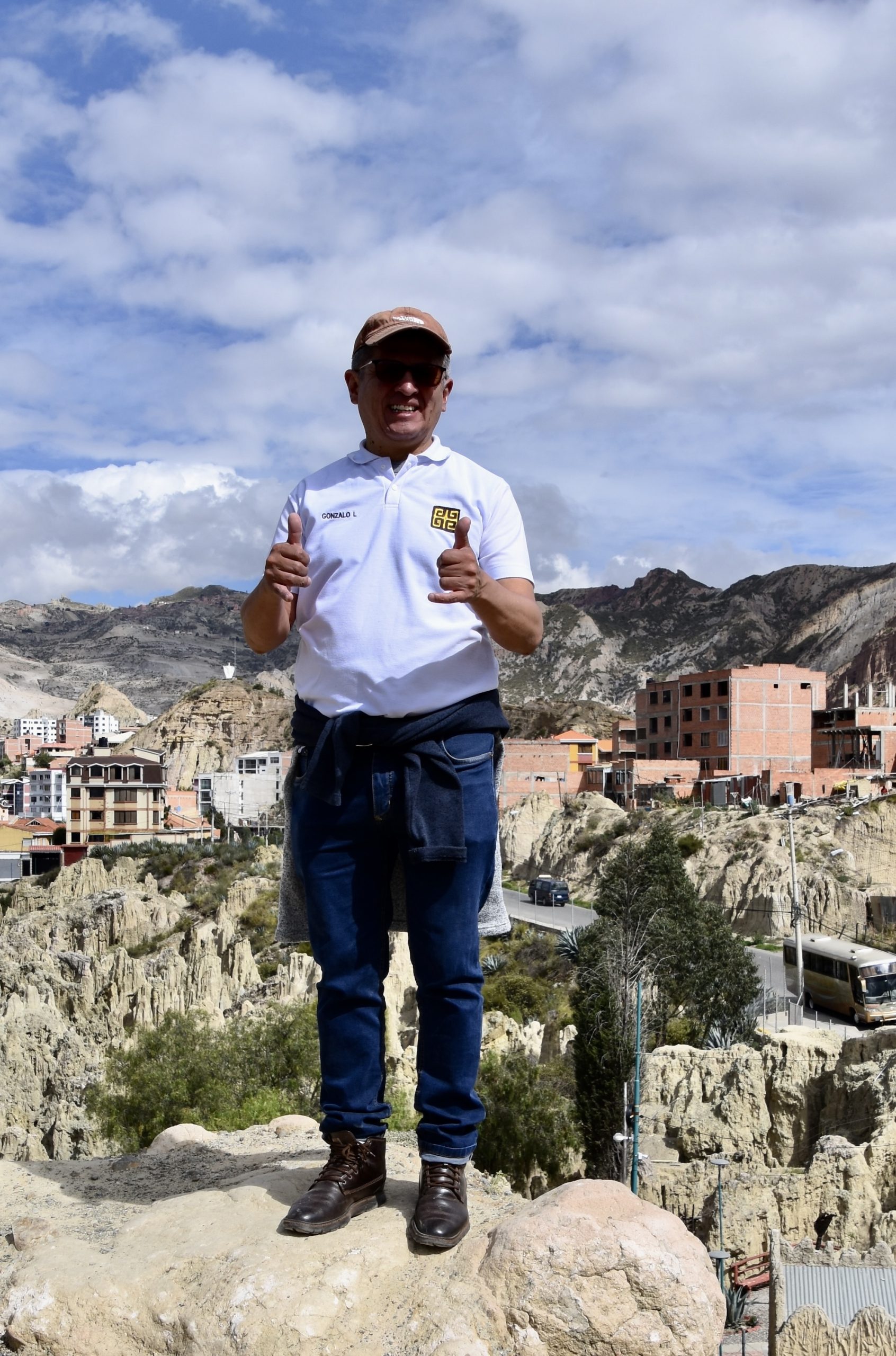
AA also makes a habit of hiring really good local guides and on this trip we had some very knowledgable and fun ones, including Carlito for the Andean portion of the Peru tour.
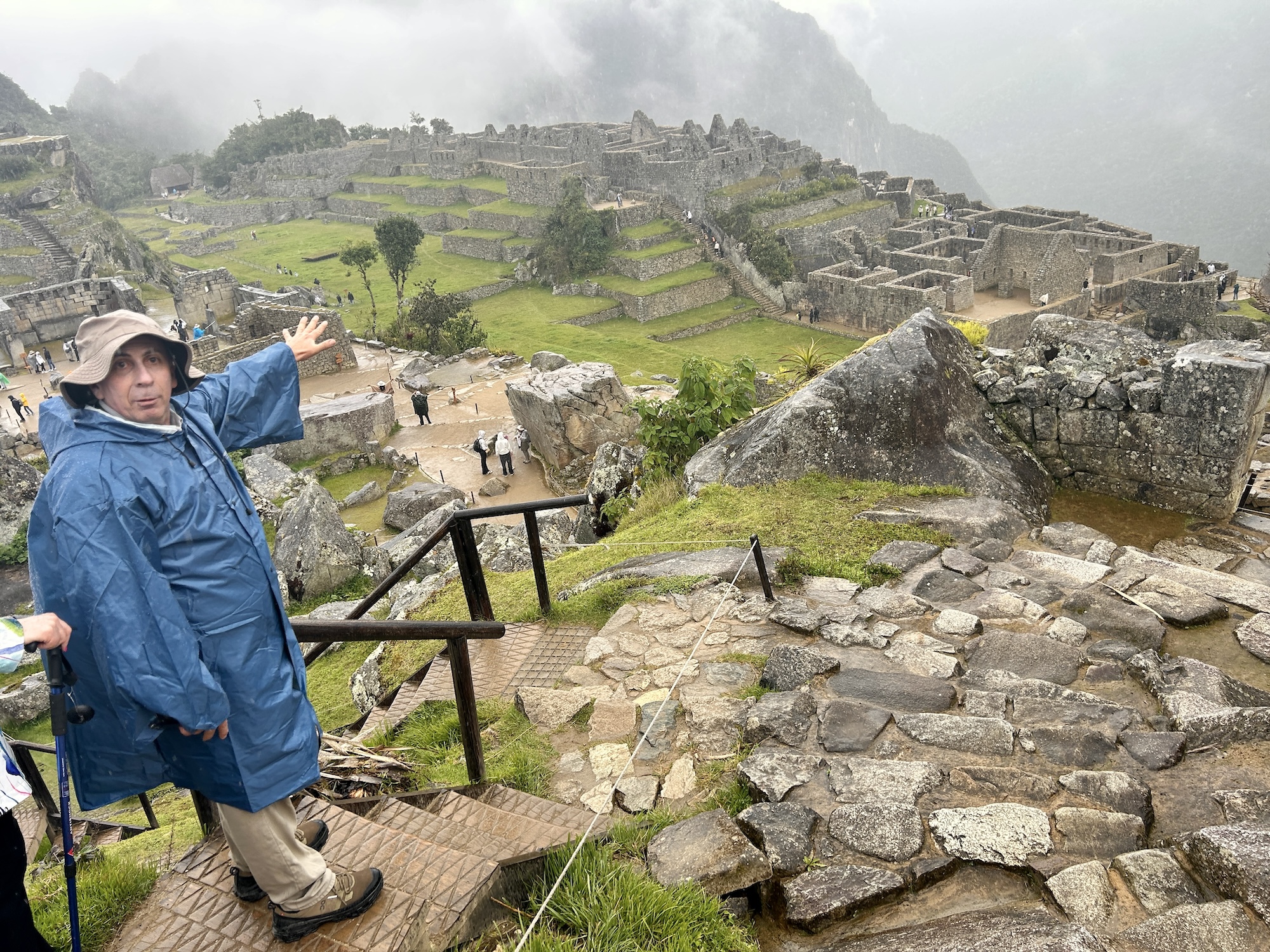
Gonzalo aka G in Bolivia.
And Jose Luis on the Nazca Extension.
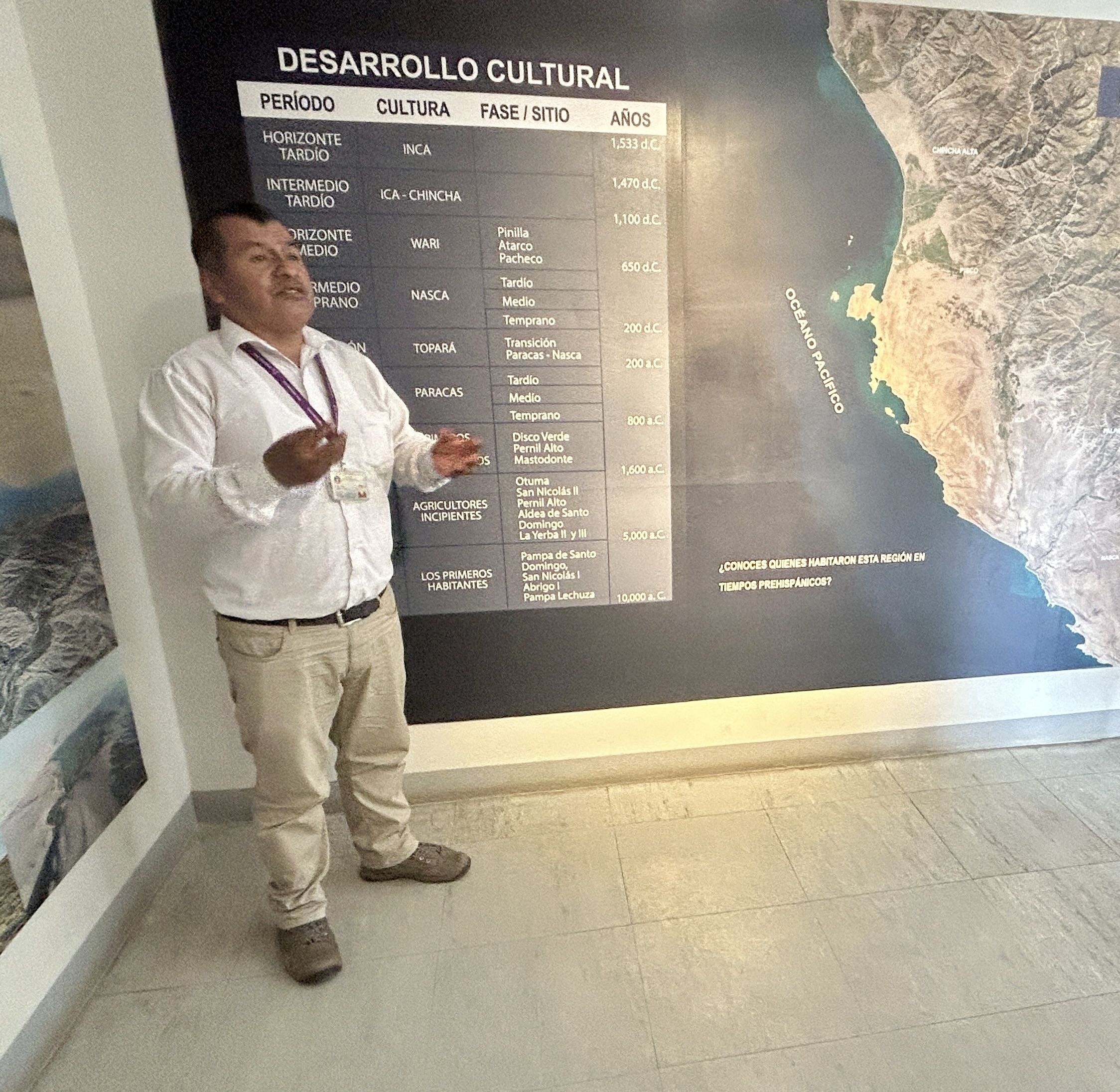
These guys all knew their stuff, spoke good English and added immensely to the overall experience.
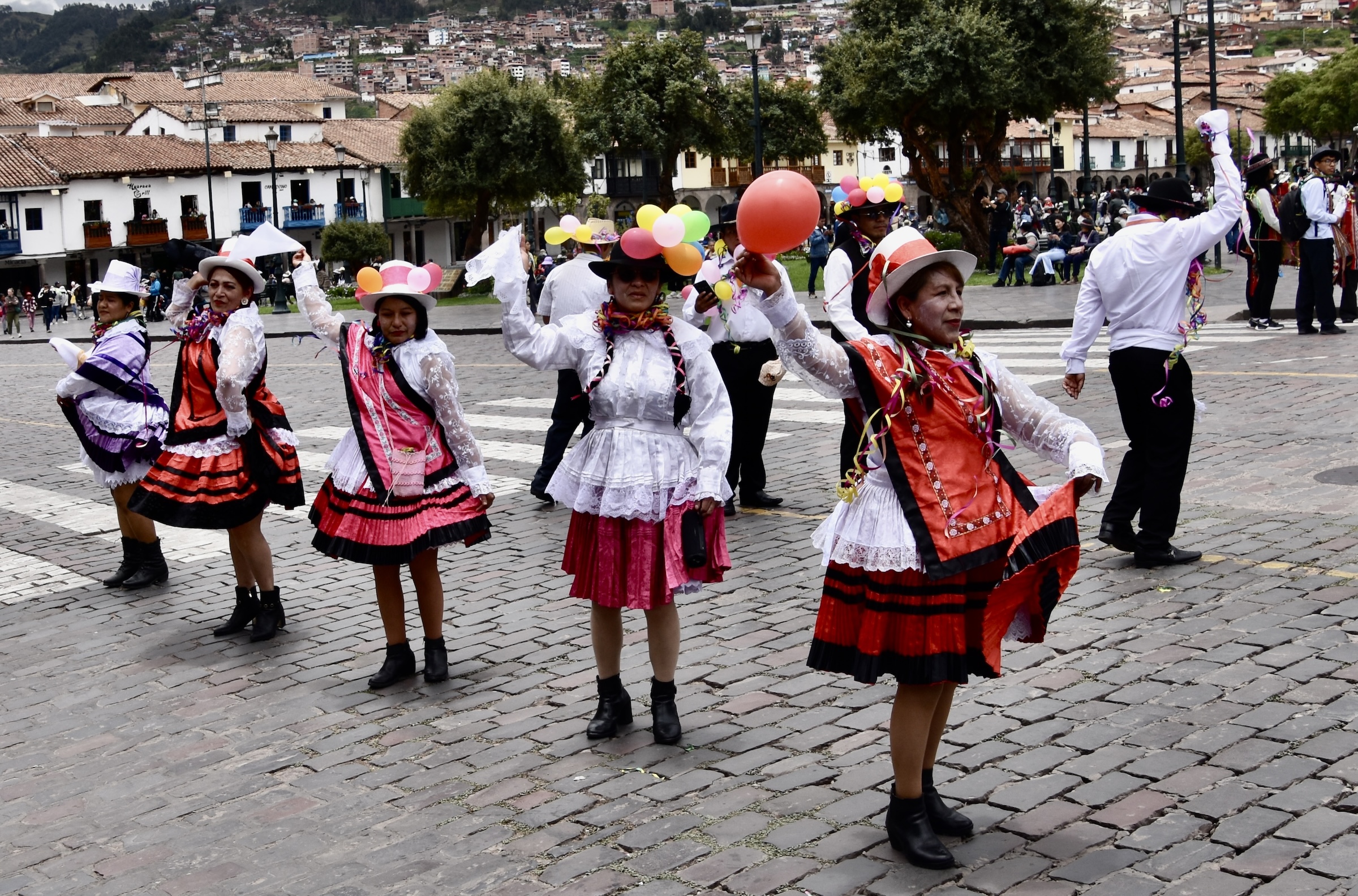
Speaking of experience, every AA trip I have ever been on involves both planned and unplanned experiences that really are the essence of immersive travel. In terms of an unplanned experience we had a couple. This was carnival time Peru and Bolivia and the people were in a celebratory mood before the advent of Lent. We stumbled across a huge and colourful parade in Cuzco.
However, the really unexpected experience was the tradition of water fights in the small town of Pisaq, Peru where everyone from one to eighty-one was involved in one giant soak fest involving foam spewing canisters and water balloons. These girls were heading for the shoot out fully armed.
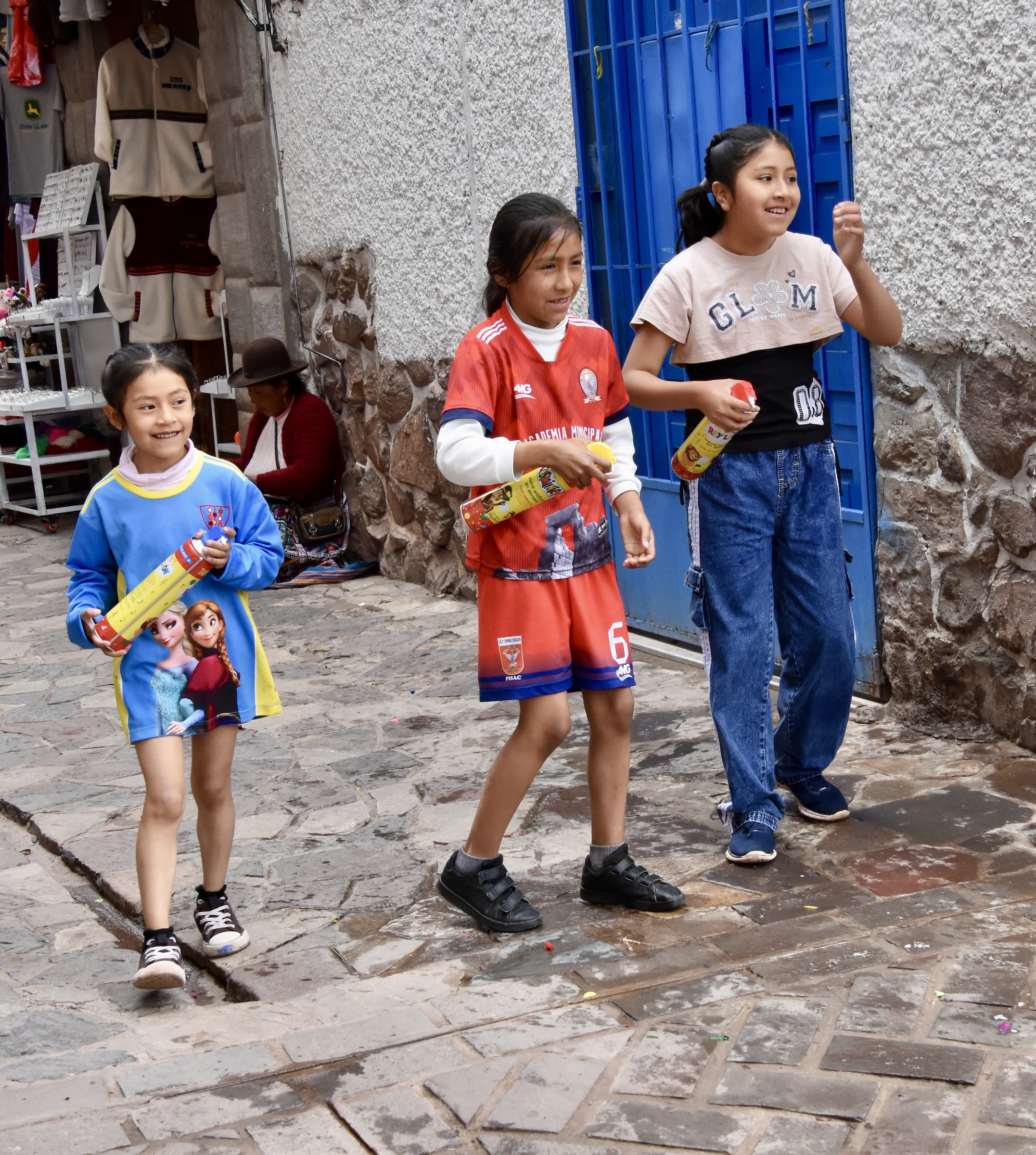
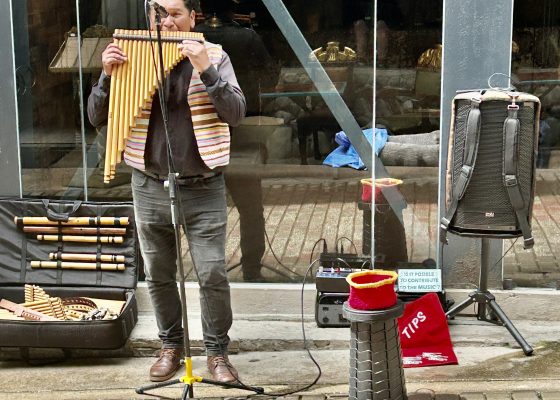
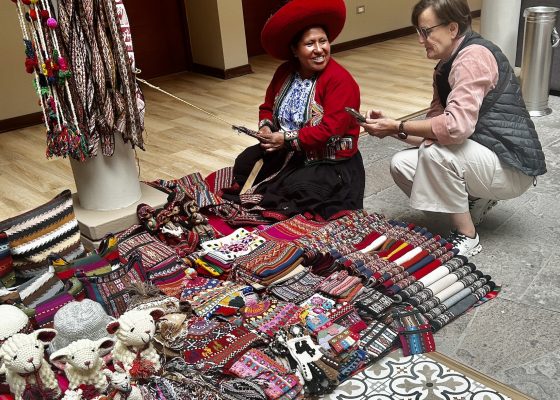
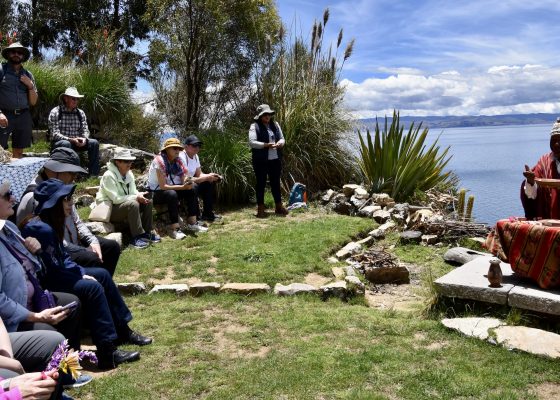
Here is a gallery of some of the other experiences we enjoyed on this trip.
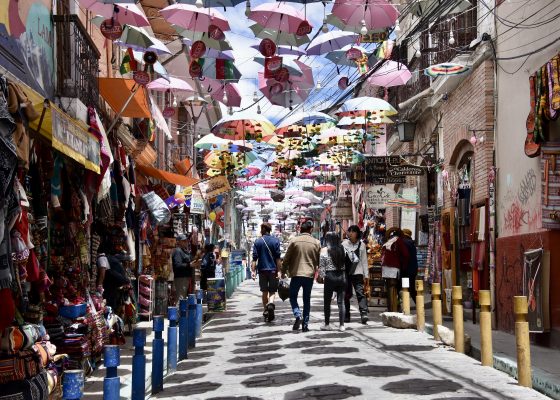
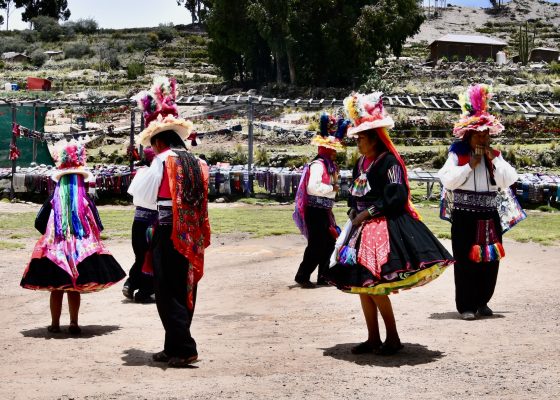
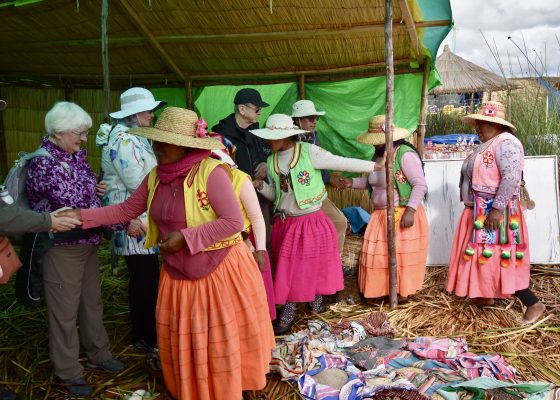
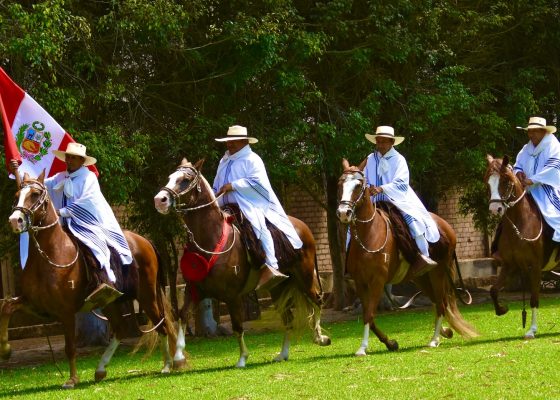
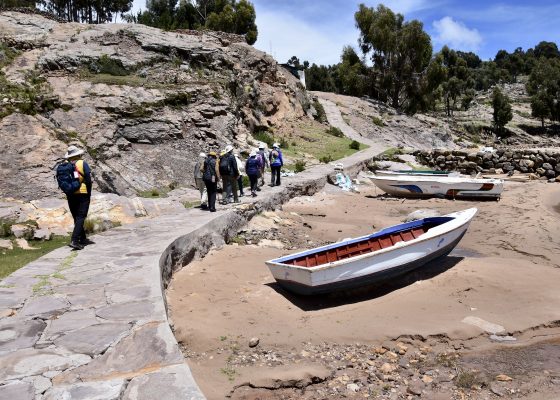
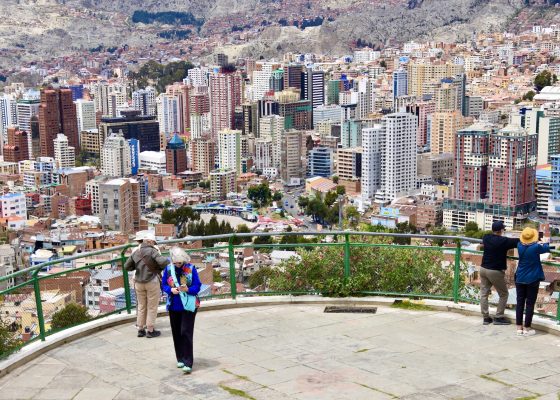
Another thing Adventures Abroad excels at is taking advantage of as many different forms of transportation as possible. Here is a gallery of various ways we got around Peru and Bolivia. As you can see, we spent a lot of time on the water.
-
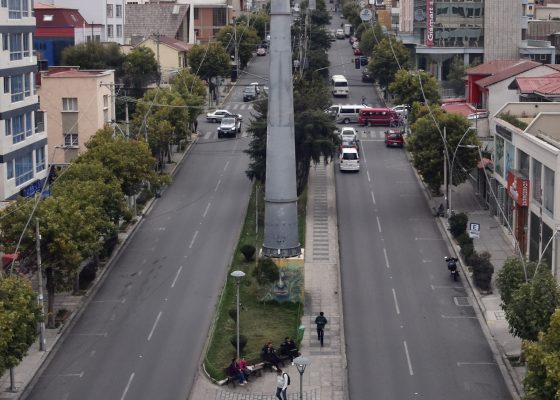
- La Paz Aerial System
-
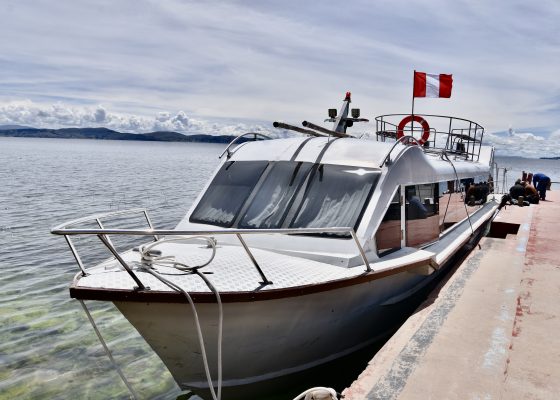
- Lake Titicaca Transport
-
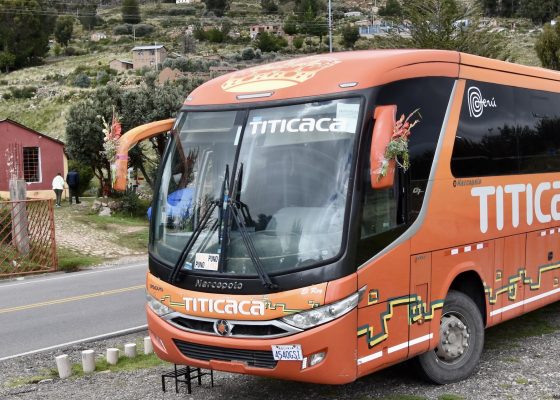
- Our Ridiculously Big Bolivian Bus
-
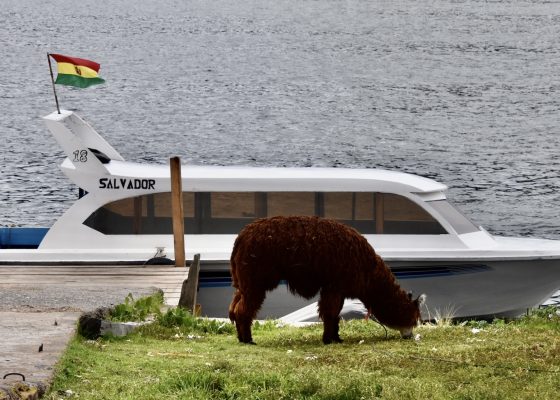
- Small Passenger Ferry
-
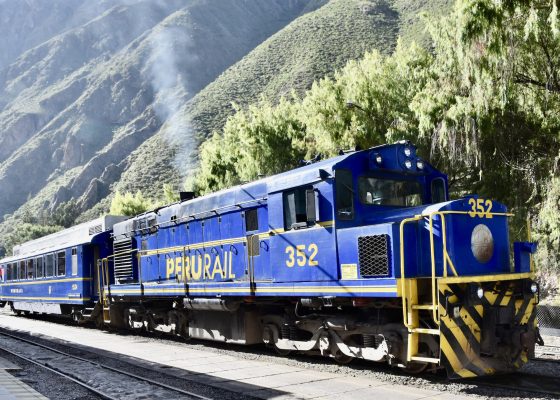
- Peru Rail Diesel
-
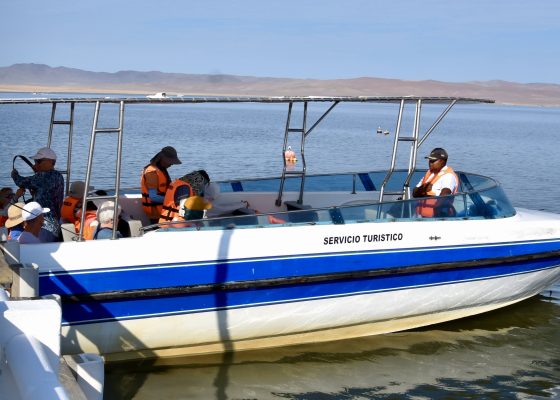
- Ballestas Islands Boat
-
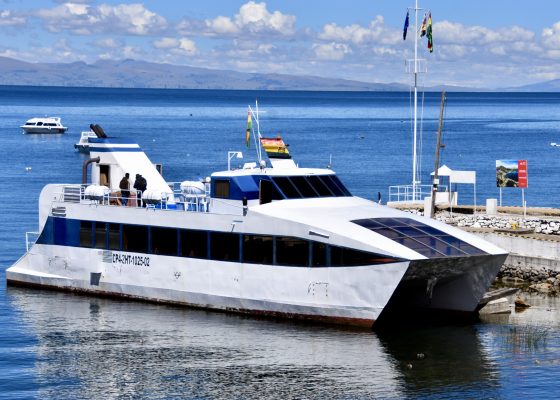
- Our Isla de Sol Catamarab
-
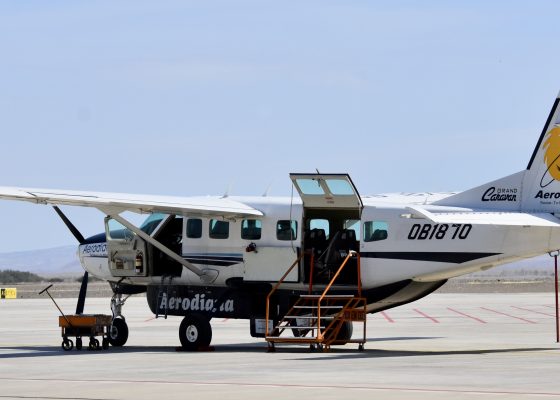
- Our Nazca Lines Plane
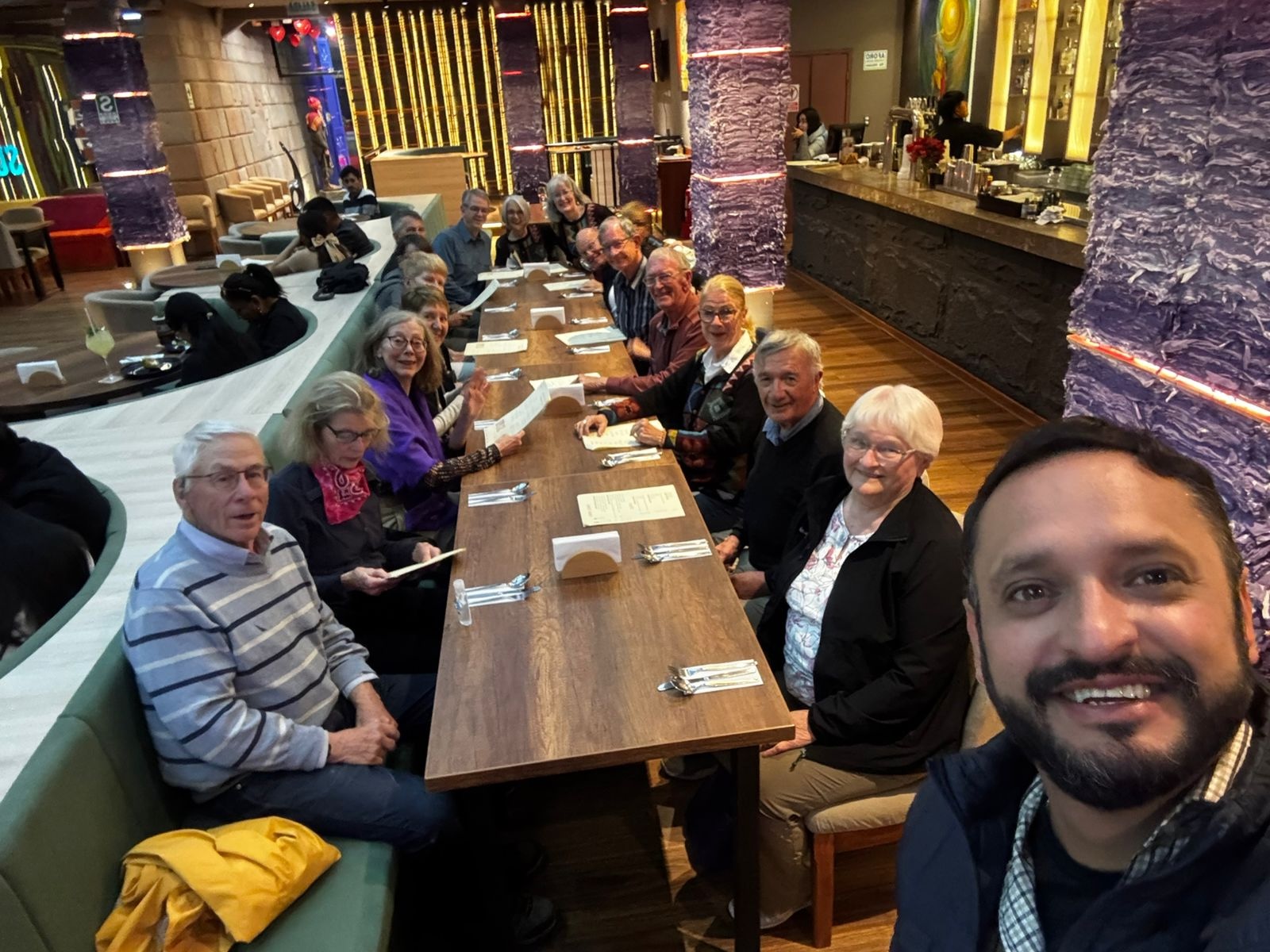
Another thing AA does that most tour companies do not, is including the evening meal. Every company includes breakfast and people stumble in at various times, while lunch is generally on your own dime. However, as Greg, an American doctor on this trip told me, it was the communal meal at the end of the day where true friendships were made and a sense of camaraderie develops that lasts well beyond the end of the trip.
I haven’t mentioned the weather, which is a good thing, because overall it was incredible. Even at the higher altitudes it was often shirtsleeves weather. I came prepared with lined pants, lined sweater, gloves and a toque and never used any of them. Supposedly summer in Peru and Bolivia is the rainy season, but while it did rain it was almost always at night or late afternoon. It did not interfere with our schedule in an way. Now here’s what makes AA different. They offer this trip in the rainy season which is also the warmest time of year. Most other companies do not. The result was that about the only other tour groups we ran into were mostly locals on their summer vacations. Machu Picchu was, by anyone’s standards, virtually deserted. There were many signs at key points telling groups not to stop and keep moving, which told me just how crowded it must get at times. Those times are during our summers and their winters.
If you take any advice from me in this post let it be to take this trip in February. Maybe we just got really lucky with the weather, but even so, the fact that we had almost every place we visited almost to ourselves makes it worthwhile.
A brief word or two about the accommodations – they were uniformly very good with some standouts like La Casona de Yucay where Simon Bolivar was once a guest.
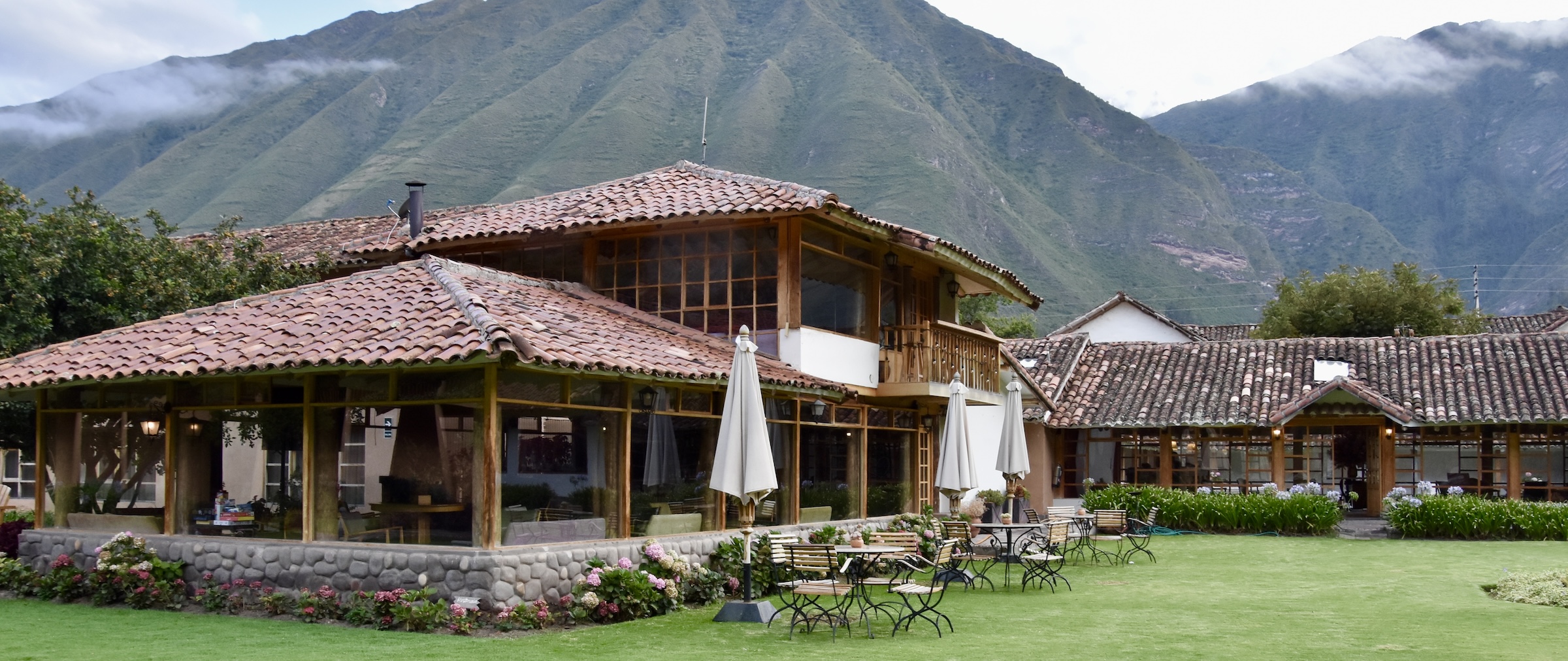
Most of them had swimming pools which I don’t use, but some of the others were avid swimmers.
An unexpected bonus is that you don’t need an adaptor for either Peru or Bolivia. They both run on 110V or 220V just like in North America. However, you do need to bring your own face clothes.
In my many years of travelling with Adventures Abroad I’ve learned to expect and receive very good rooms and if on occasion you get one you don’t like, the tour leader will do all he/she can to get you a better one.
Finally there are some little things Diego did on this trip that made things go very smoothly. There was only one internal flight – from Lima to Cuzco. Diego arranged to not only get our boarding passes the night before, but also our luggage tags. All we had to do next morning was hand the luggage over and proceed through security.
At the end of the trip leaving La Paz for Lima you needed to digitally fill out an exit form by taking a photo of a QR code. While that worked fine for most, for some reason my phone would not open it. Diego then convinced the lady at the gate who was checking to see that you had completed the form, to use her phone to complete my form. Not speaking Spanish, I’m not sure what I would have done had I been here on my own.
Speaking of being here on your own, I strongly encourage anyone taking this trip to arrive at least one day early to enjoy the Miraflores district of Lima. It really is a wonderful spot as I’ve set out in this post.
I also encourage everyone not to just take the basic 7 day Peru tour, but to add the Nazca extension at the beginning and the Bolivia one at the end. It makes for a much more fulfilling experience.
Well if I haven’t convinced you to visit Peru and Bolivia with Adventures Abroad by now, I’ll try to do it with cute animals.
-
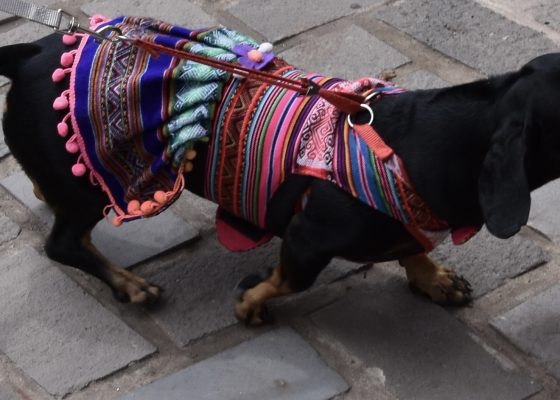
- Dressed up Daschund
-
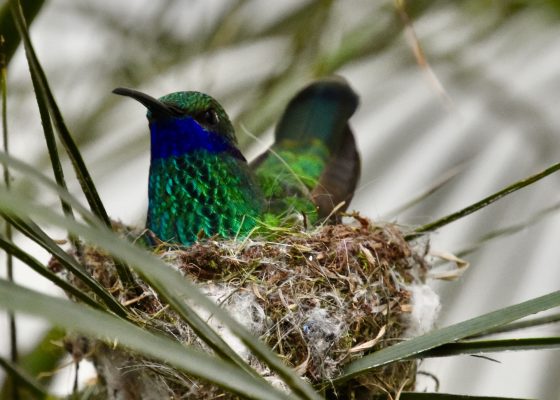
- Spakiling Violetear
-
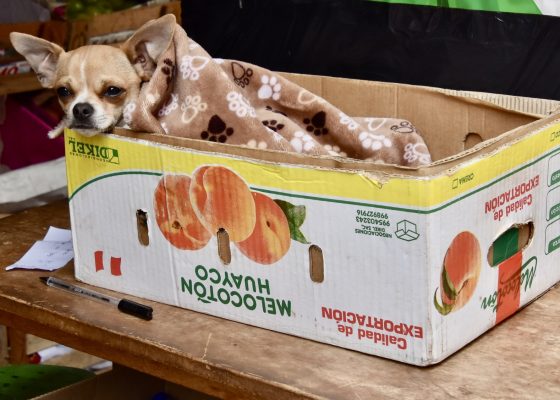
- Chihuahua in a Box
-
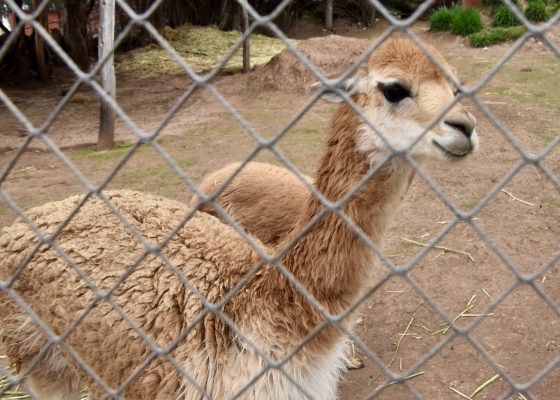
- Vicuna
-
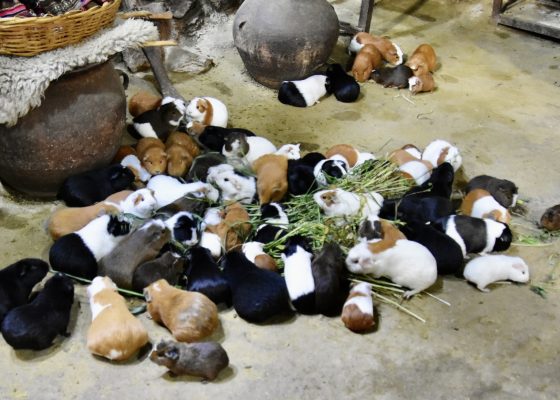
- Guinea Pig Pigout
-
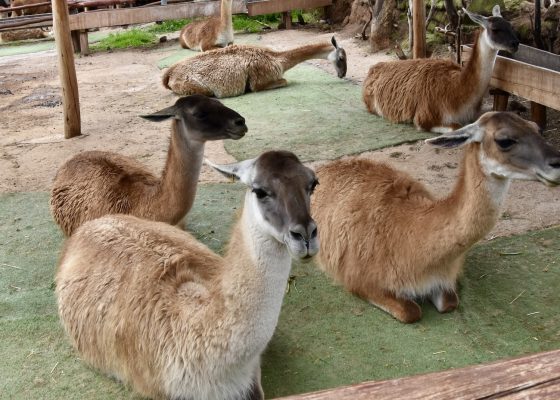
- Guanacos
-
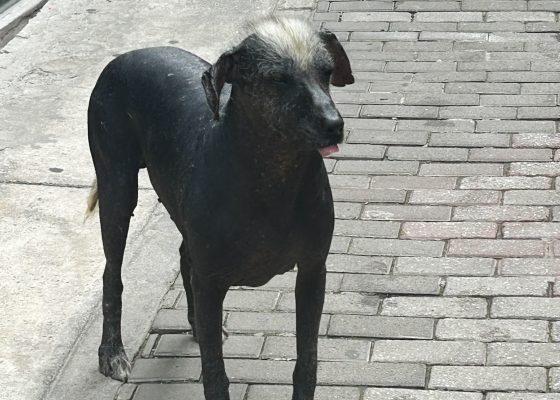
- Peruvian Hairless Dog
-
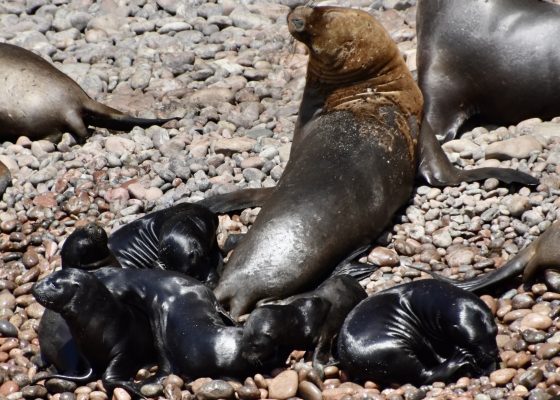
- Sea Lion Pups
-
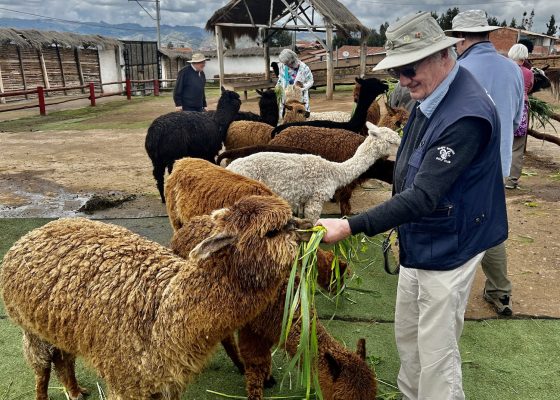
- Feeding an Alpaca
In the next post I’ll start getting into details starting with those ever so mysterious Nazca lines. See you there.