
Raqchi and Tambomachay

In the last six posts from the February 2026 Kingdoms of the Andes tour by Adventures Abroad our group has been exploring the heartland of the Inca Empire including Cusco, the Sacred Valley, Machu Picchu and enjoying a Carnival celebration in Pisac. Looking back it really has been an exceptional few days that I will never forget. However, it’s now time to move on and head for the next greatly anticipated stop, Lake Titicaca. On the way we’ll have three quite interesting stops, Tambomachay aka the Three Fountains, Raqchi an Incan archaeological site completely different from anything we’ve seen so far and a stop at the highest altitude we’ll reach on this tour before descending down to Puno on Lake Titicaca. It promises to be quite a day so I hope you’ll join us.
Tambomachay
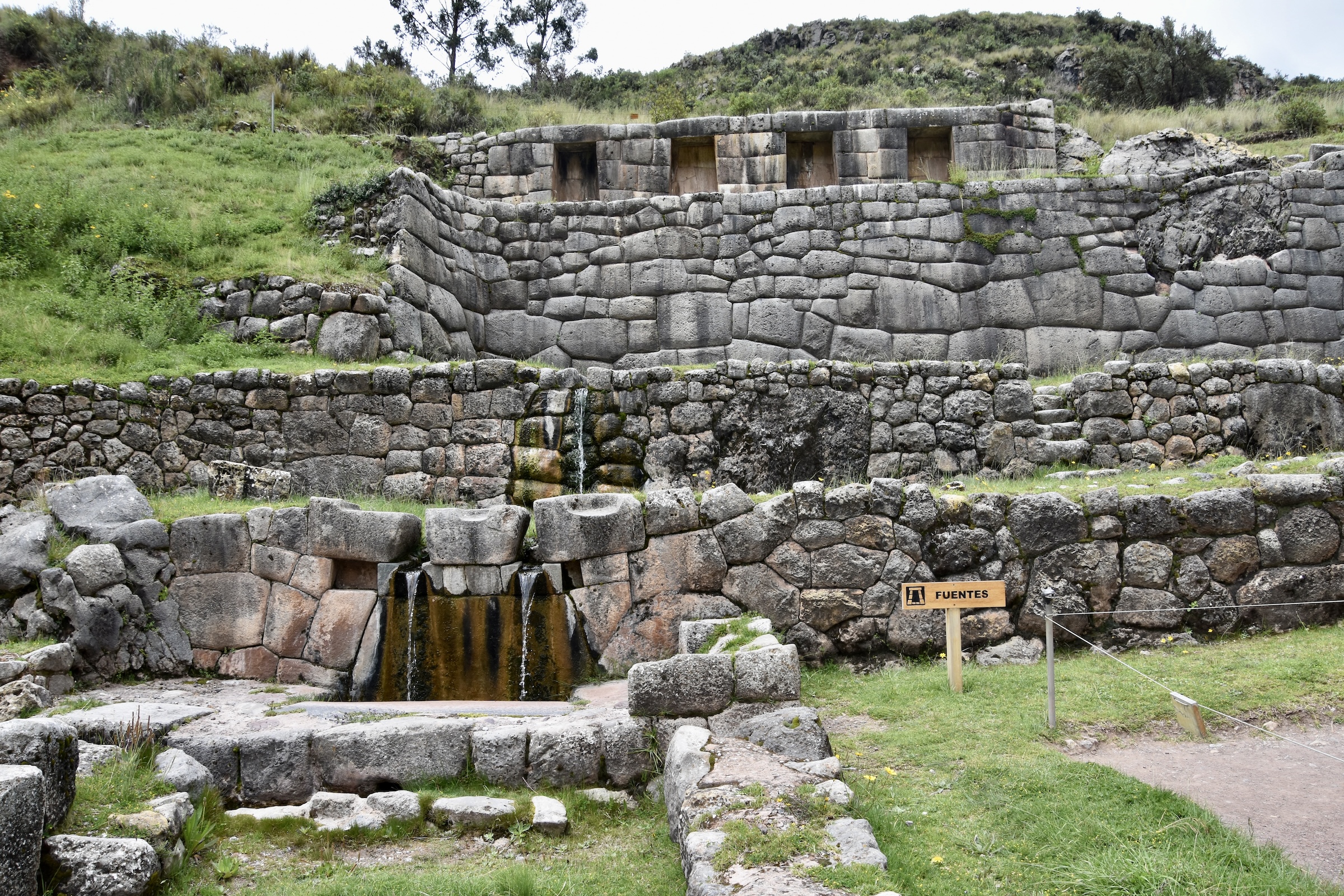
As I’ve indicated in previous posts, I’ve taken some literary license with the AA itinerary in terms of when we actually visited certain places because I think it makes for a better narrative. Such is the case with Tambomachay which we did visit on our day on the outskirts of Cusco, but we could just as easily stopped by on our way to Raqchi and Lake Titicaca.
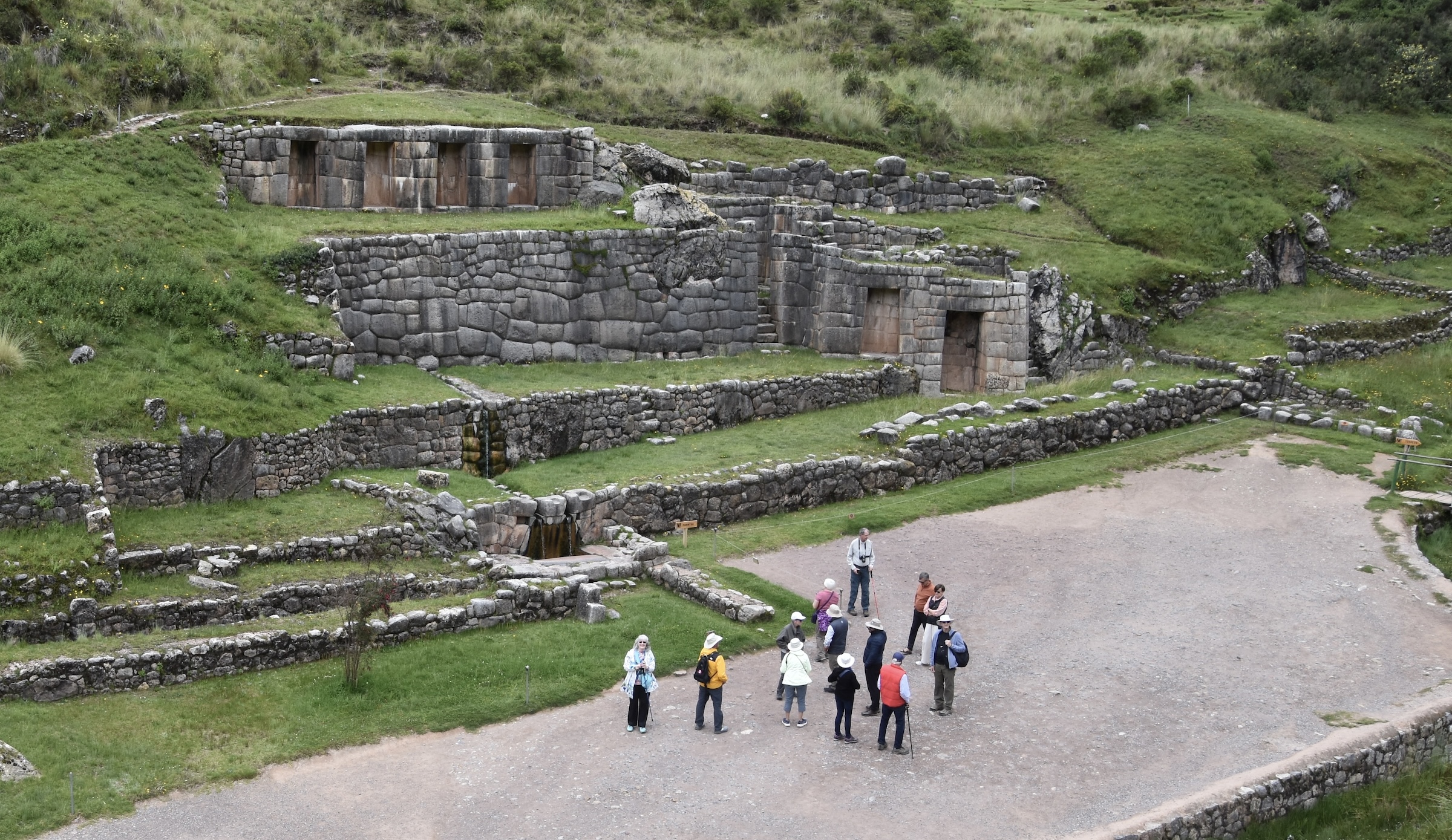
Tambomachay, also known as the Three Fountains is believed to have been the Incan version of Roman baths or a modern day spa. Located not far from Cusco it is a marvel of hydraulic engineering that would have impressed the Romans who were masters of moving water. Built over 600 years ago it continues to produce a steady flow of water to this day. As you can see from the photo, it has the classic Incan pattern of interlocking rocks that in this case is designed to not only be practical, but pleasing to the eye.
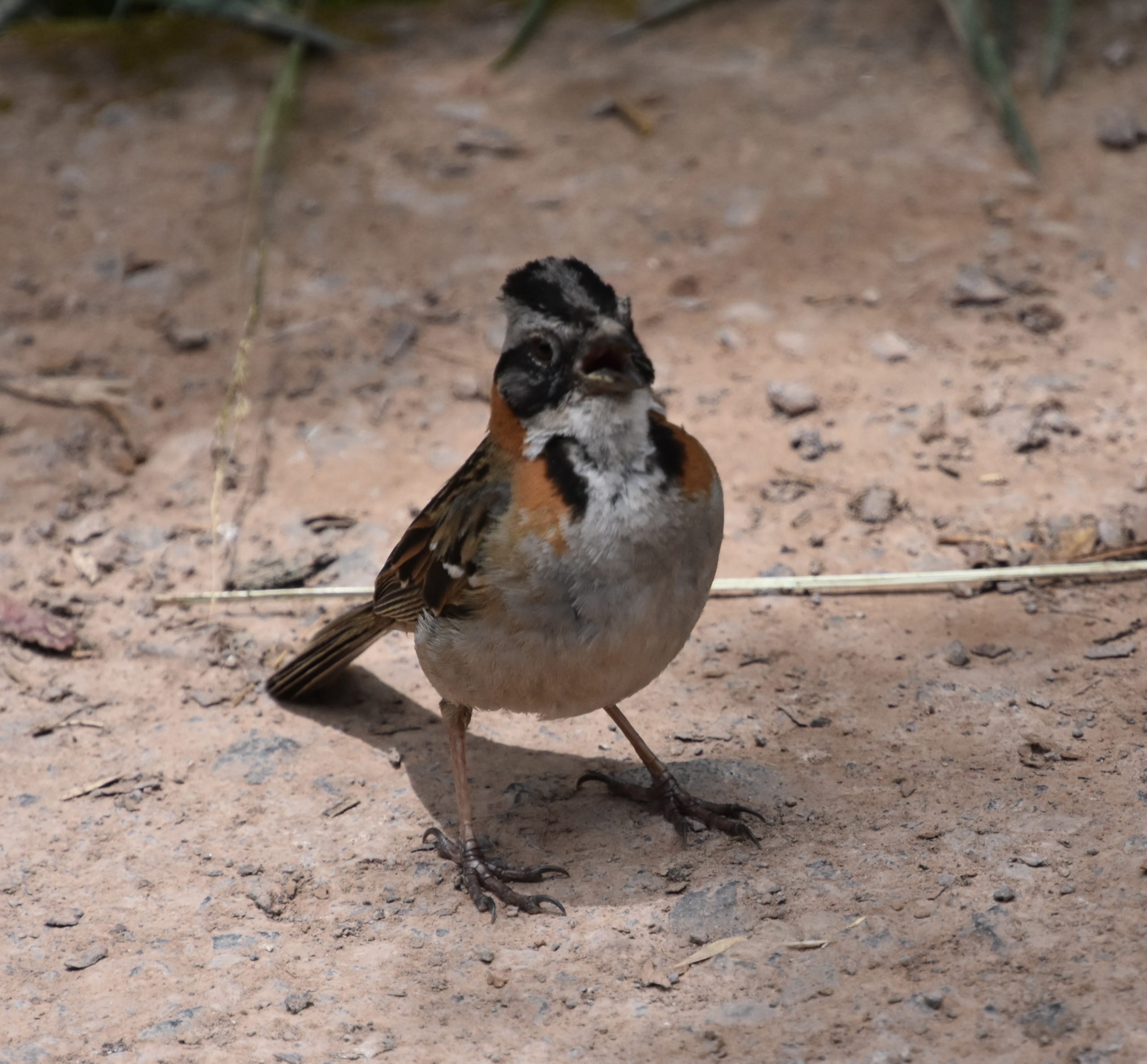
It is about a 500 metre (1640 feet) walk up a gentle incline from the parking lot to the site which is no big deal, but it does sit at 3,700 metres (12,100 feet) so you don’t want to sprint there. Slow and steady is rewarded by some very nice birding along the way such as this rufous collared sparrow.
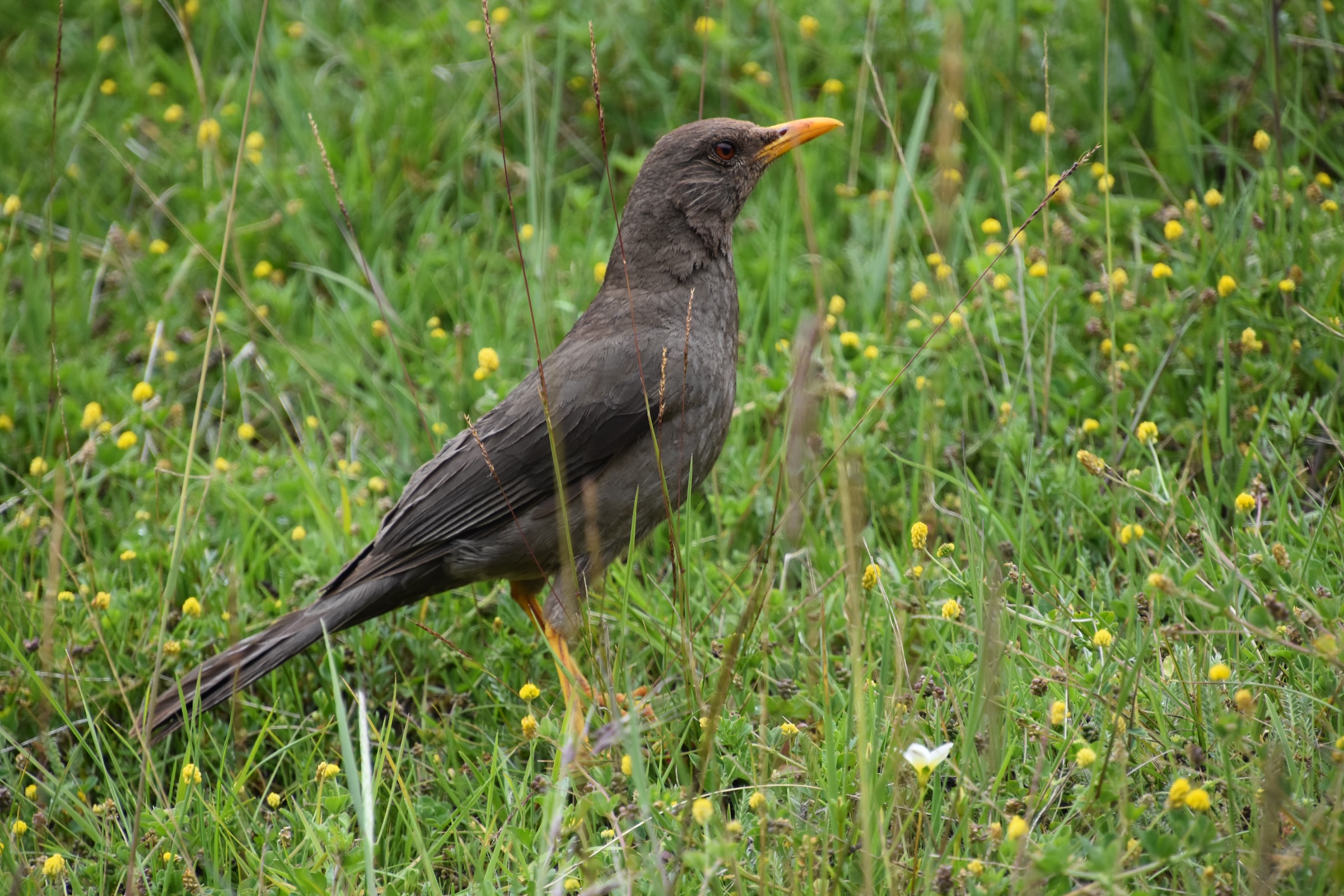
And this Chiguano thrush which has a beautiful song.
At the site you have the opportunity to climb a tower that faces the fountains which only two us took advantage of.
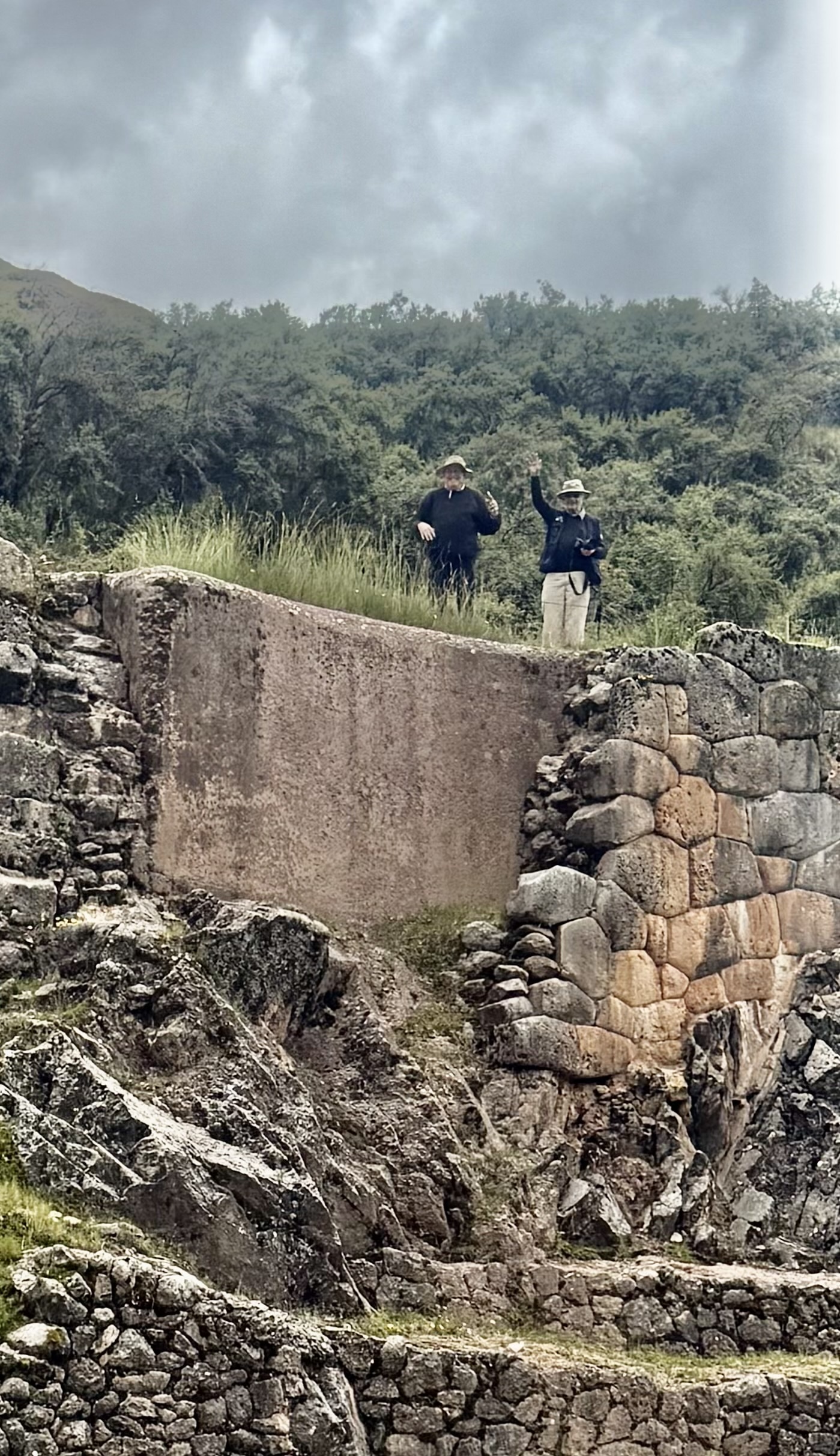
From here I got a look at the rest of the AA group and once again was struck by how green and pastoral looking the landscape is in the Andes at elevations that would be covered by glaciers in North America. Also note that once again, we are the only tourists here, confirming once again that February is the best time of year to visit the Incan sites of Peru.
Raqchi
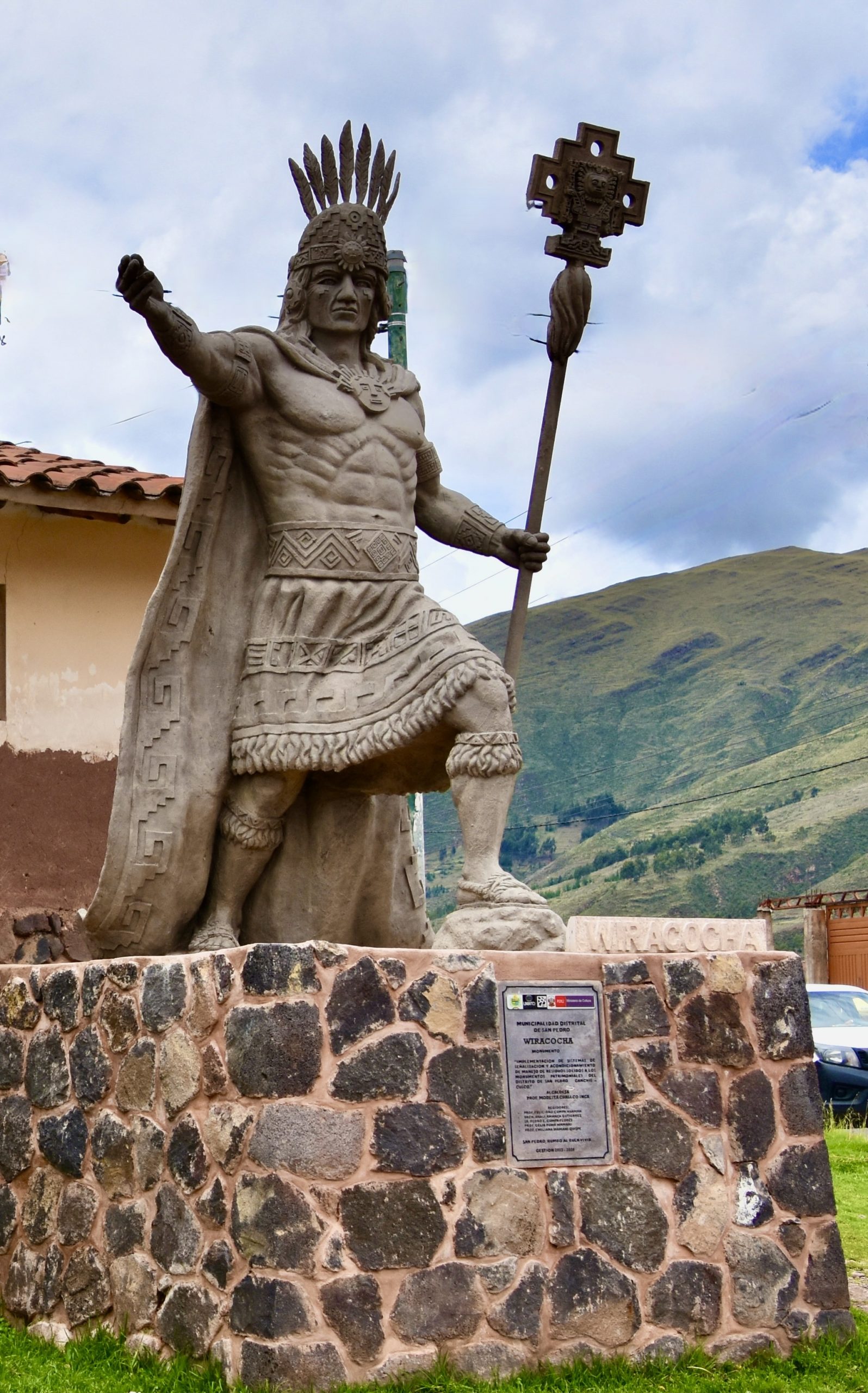
Raqchi was the one site in Peru that I was totally unprepared for in terms of its architecture and significance. Although it is just off the main road from Cusco to Lake Titicaca, the Ruta del Sol (Route of the Sun) that dates back to Incan times, it gets only about 80,000 visitors a year. Compare that to Machu Picchu’s 1.5 million. So not surprisingly we were the only ones here.
The statue above is not one of the Incan Emperors, but rather the supreme deity of the Incas, Wiracocha, a god who has been around as long or longer that the god of Christians, Jews and Muslims. He is credited with creating everything in the universe including at first a race of giants who rebelled against him and whom he had to destroy in a great flood. Sound familiar? He then scaled back his plans and created human beings out of pebbles. Apparently we have been compliant ever since.
Confusingly, the eighth Incan Emperor was also called Wiracocha and he may well have been the one who built the amazing Temple of Wiracocha we are here to see.
Everything Incan we have seen to date has been built of stone so I was surprised to say the least about the appearance of the Temple of Wiracocha, but let’s not get ahead of ourselves.
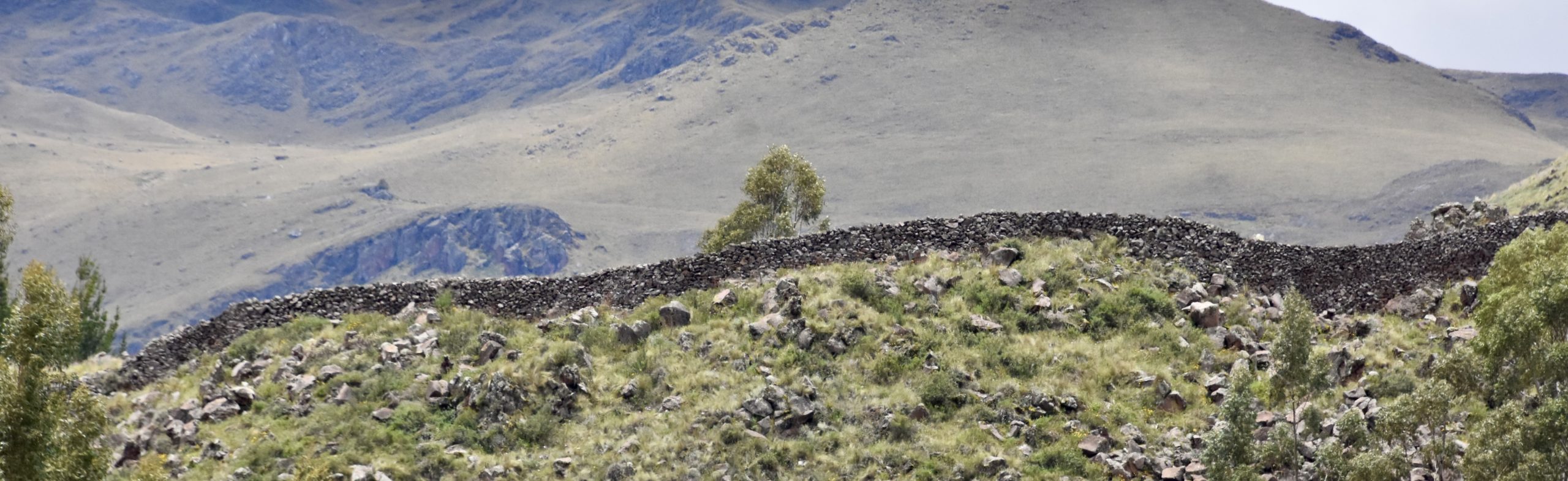
The first thing to note is that Raqchi has a 4 km. (2.5 mile) wall that encloses an area of over 1,000 hectares (2,470 acres).
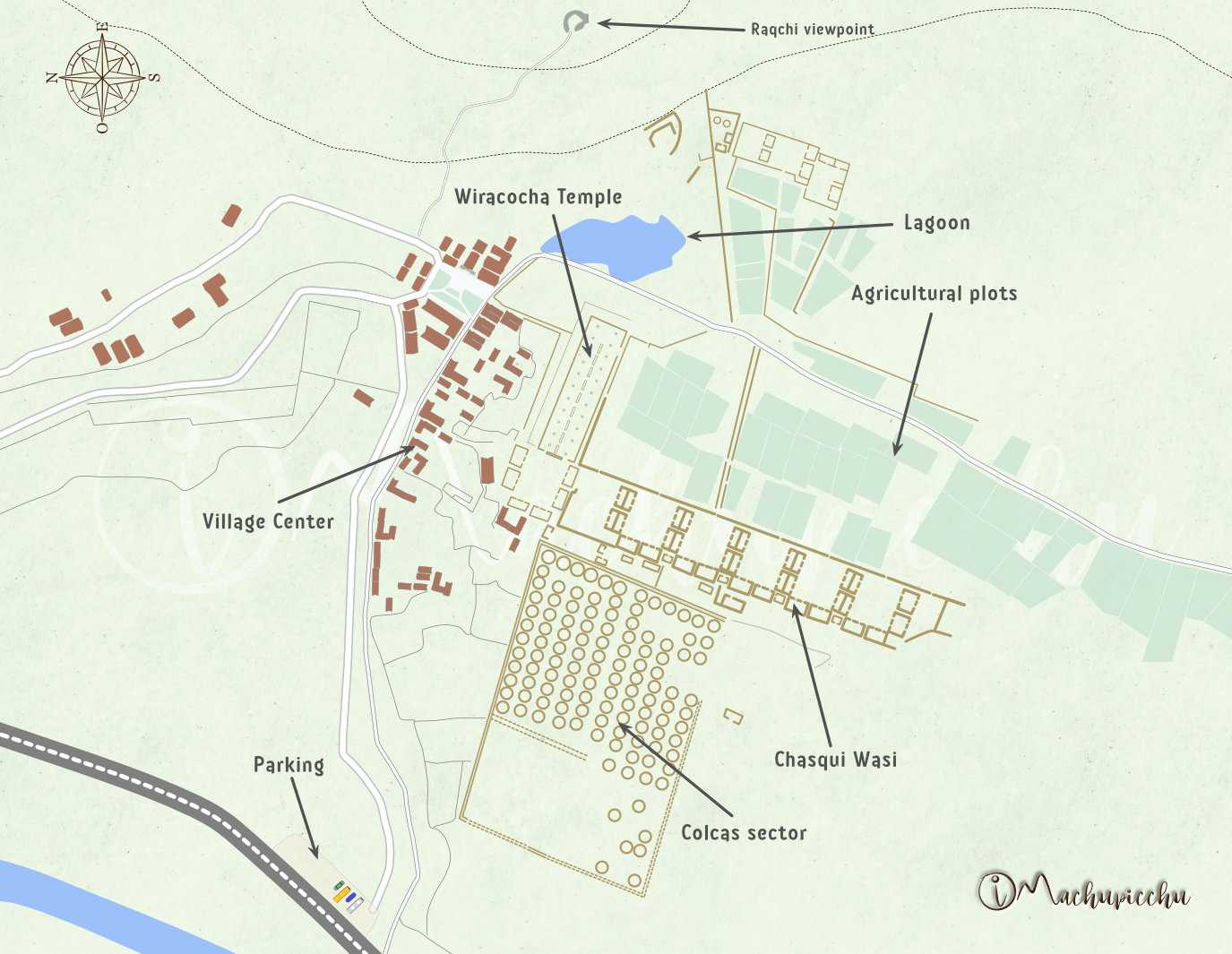
So it’s a huge site with a lot to see as this map attests.
From the parking lot you take this path to get to the site.
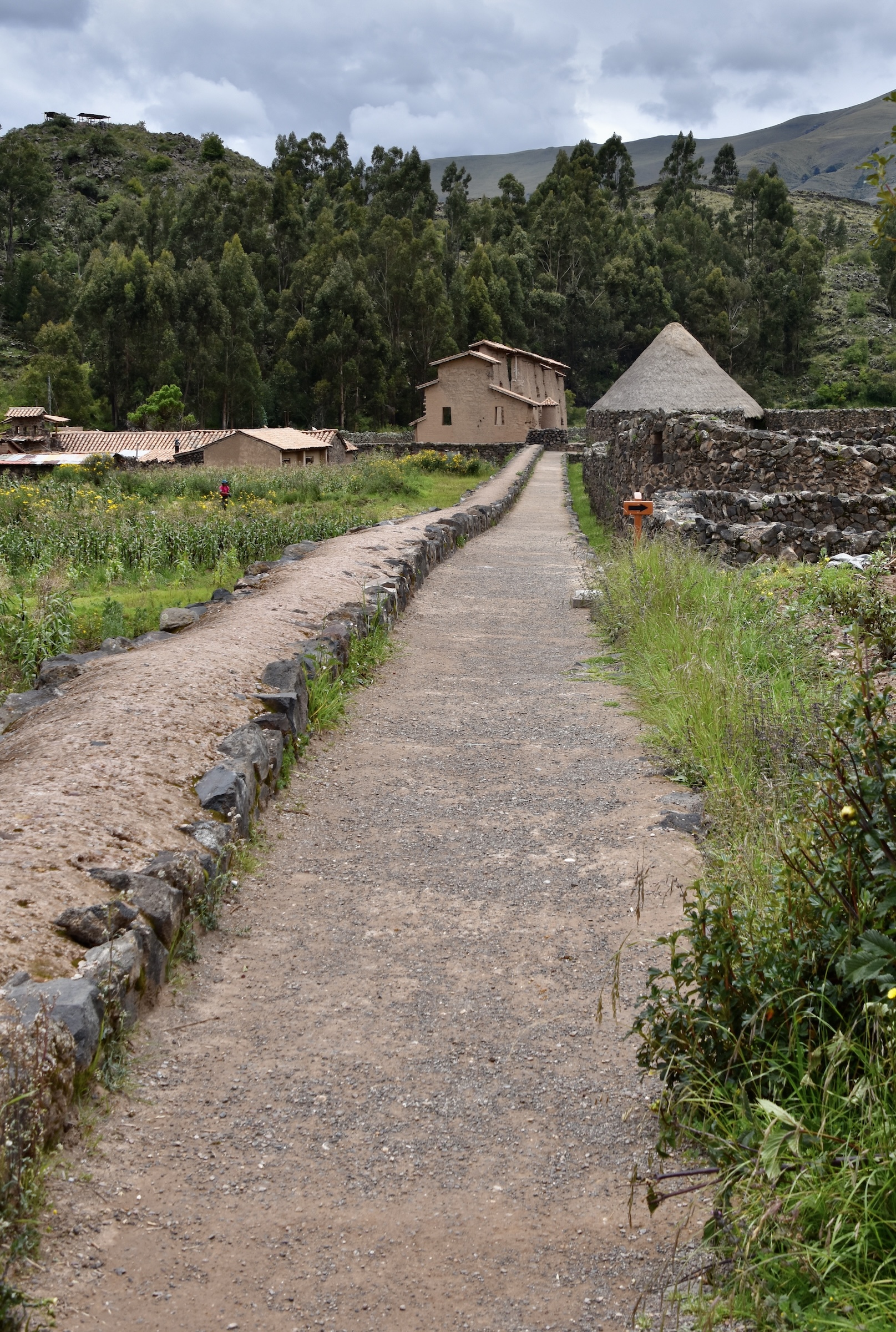
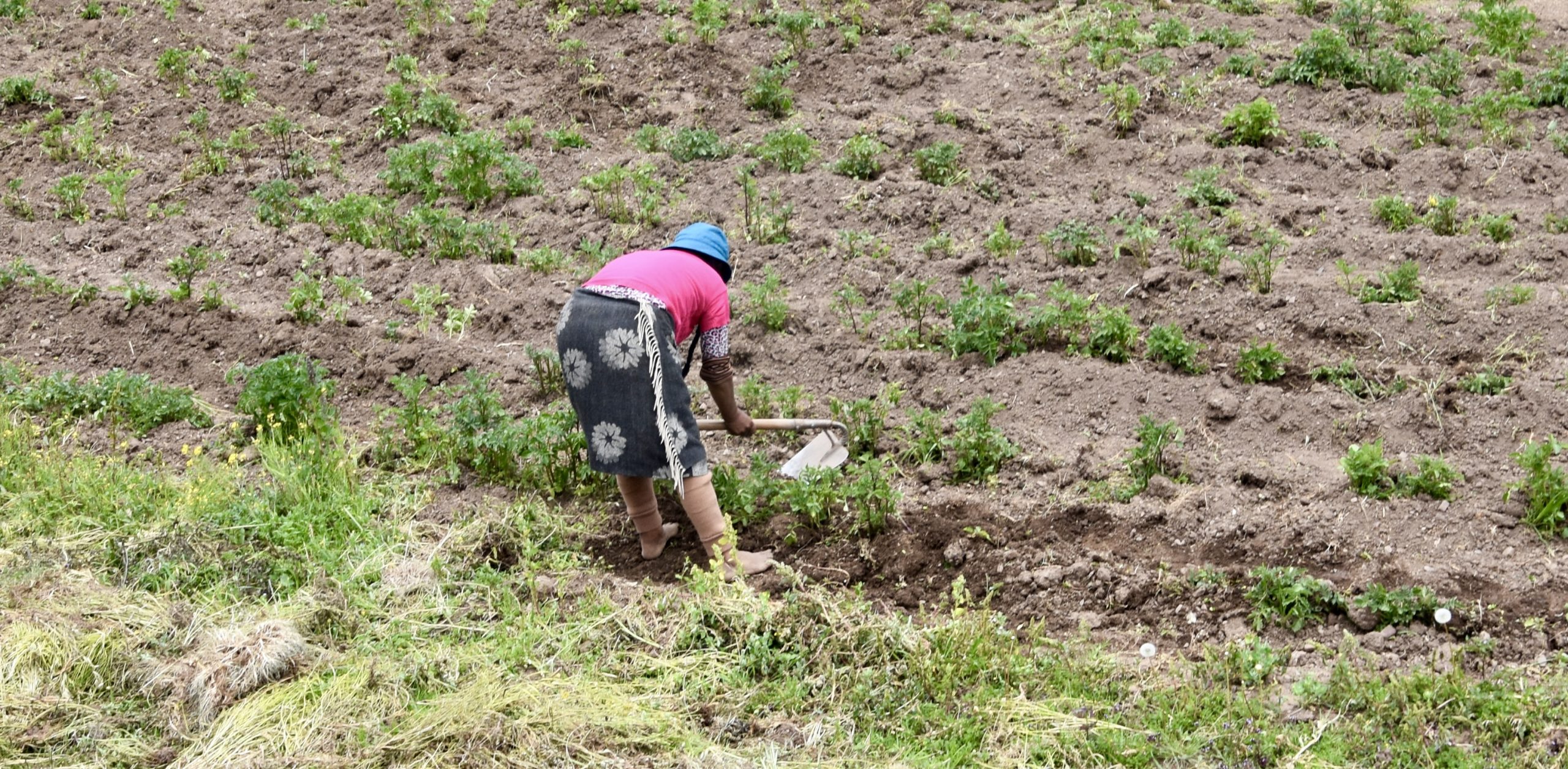
Passing this woman hoeing her field much as would have been done for thousands of years.
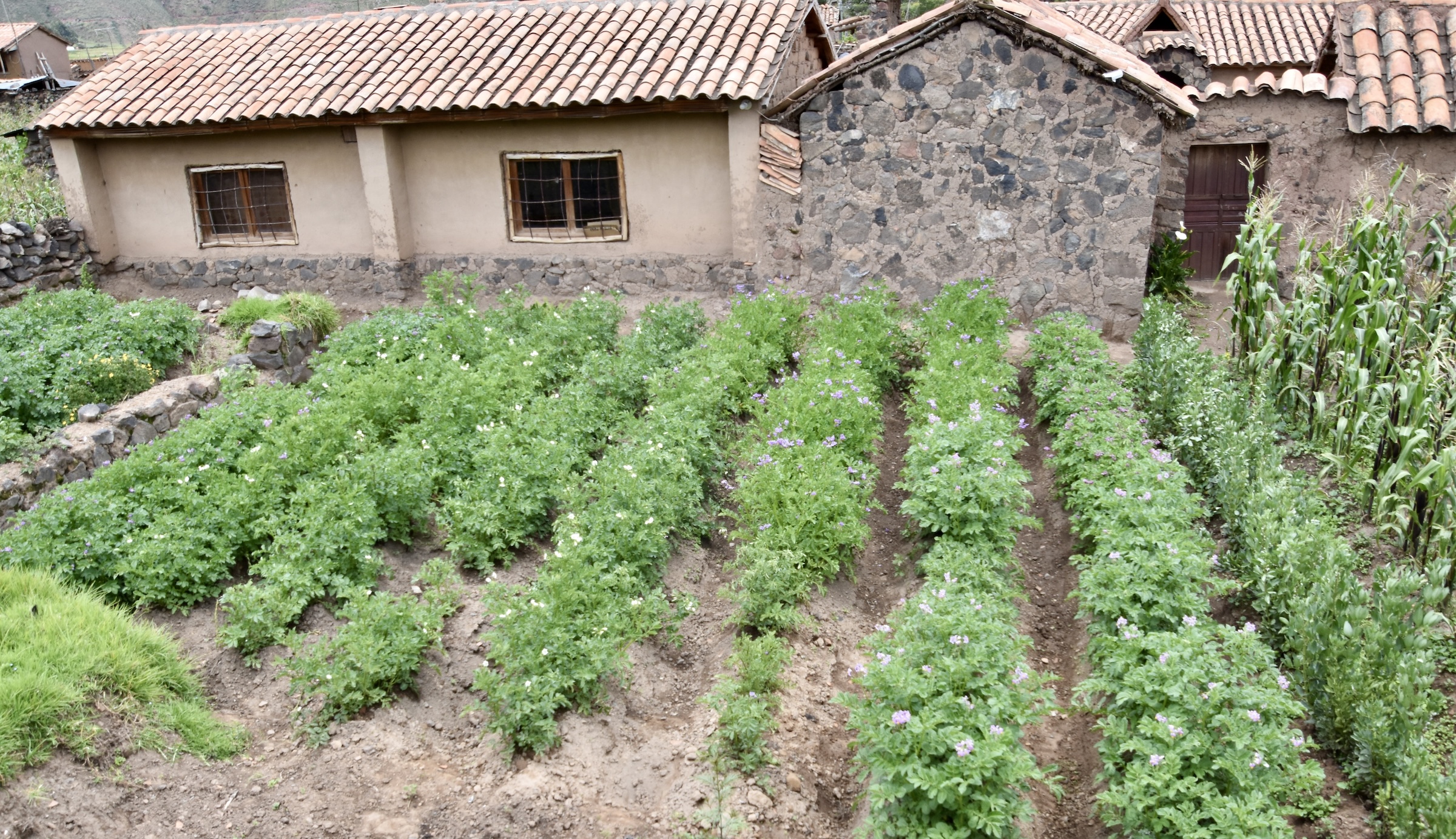
Growing many varieties of potatoes and corn.
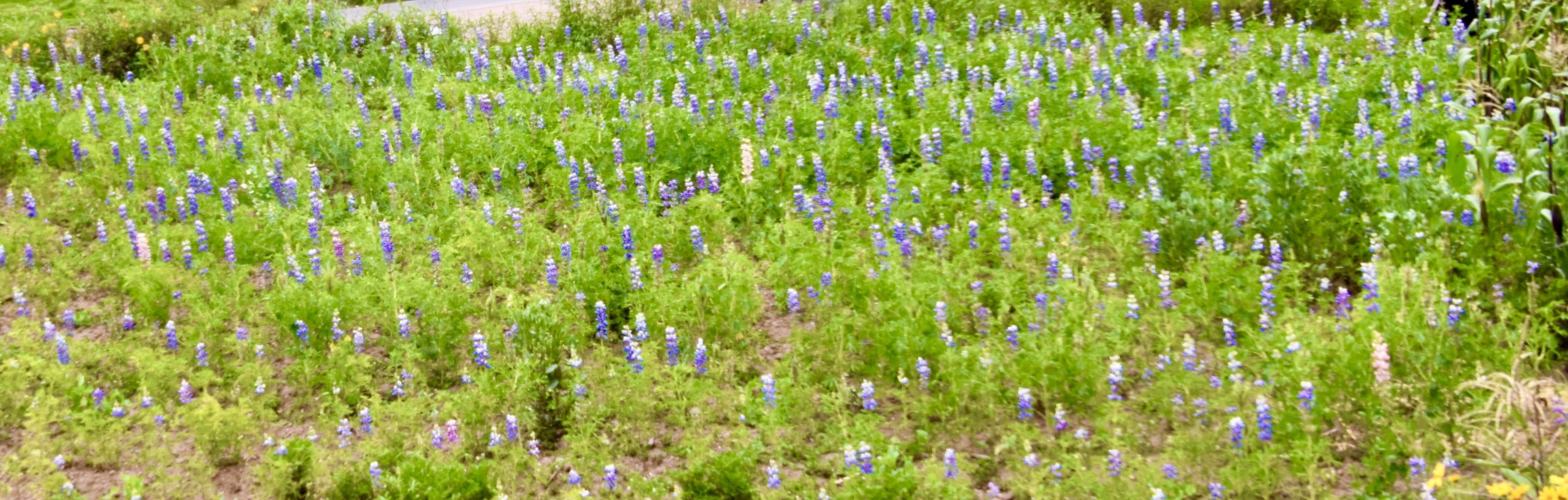
There are commercial lupin fields here as well.
And even a topiary llama.
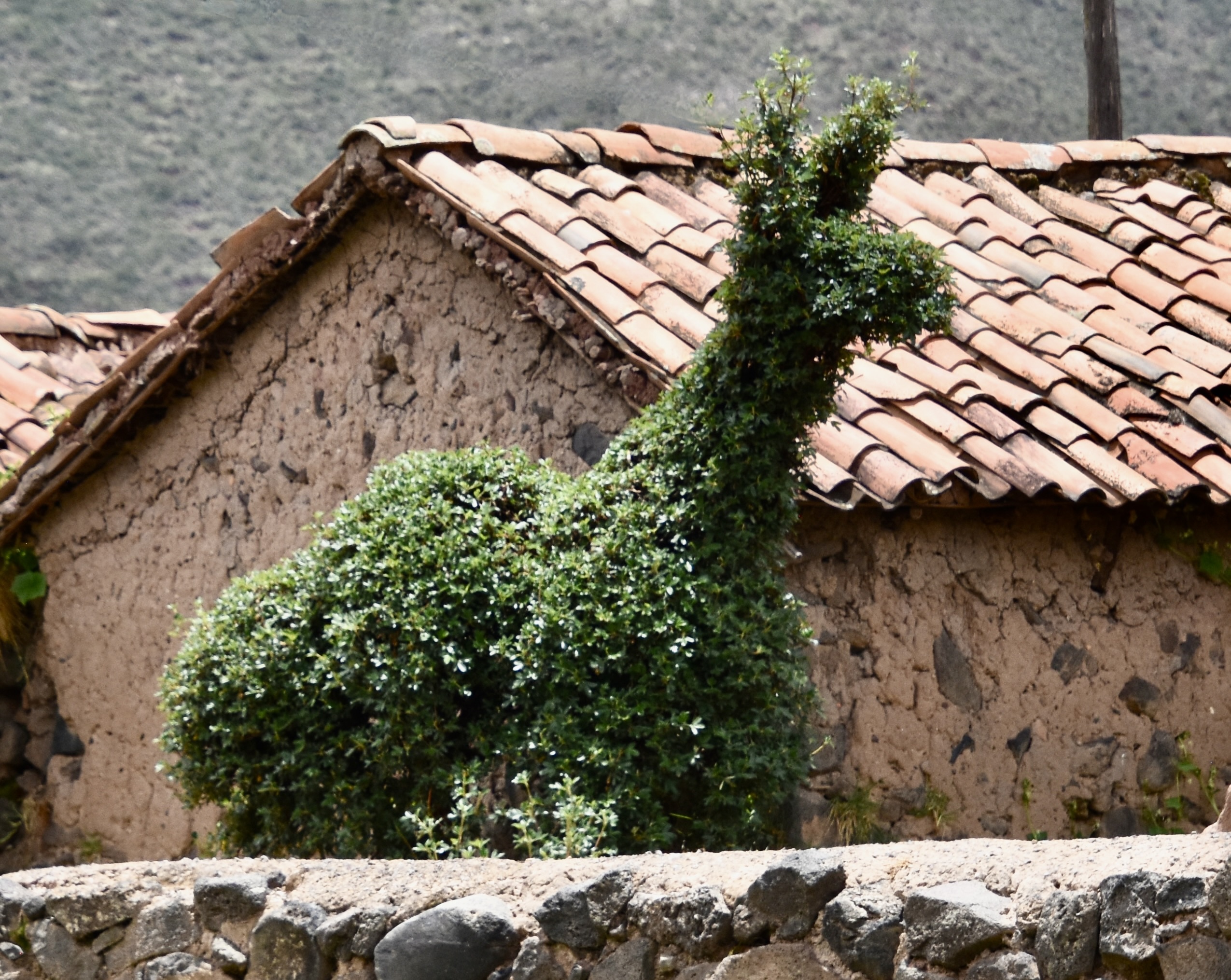
It’s really a very pleasant walk and then you come to this. What the heck?
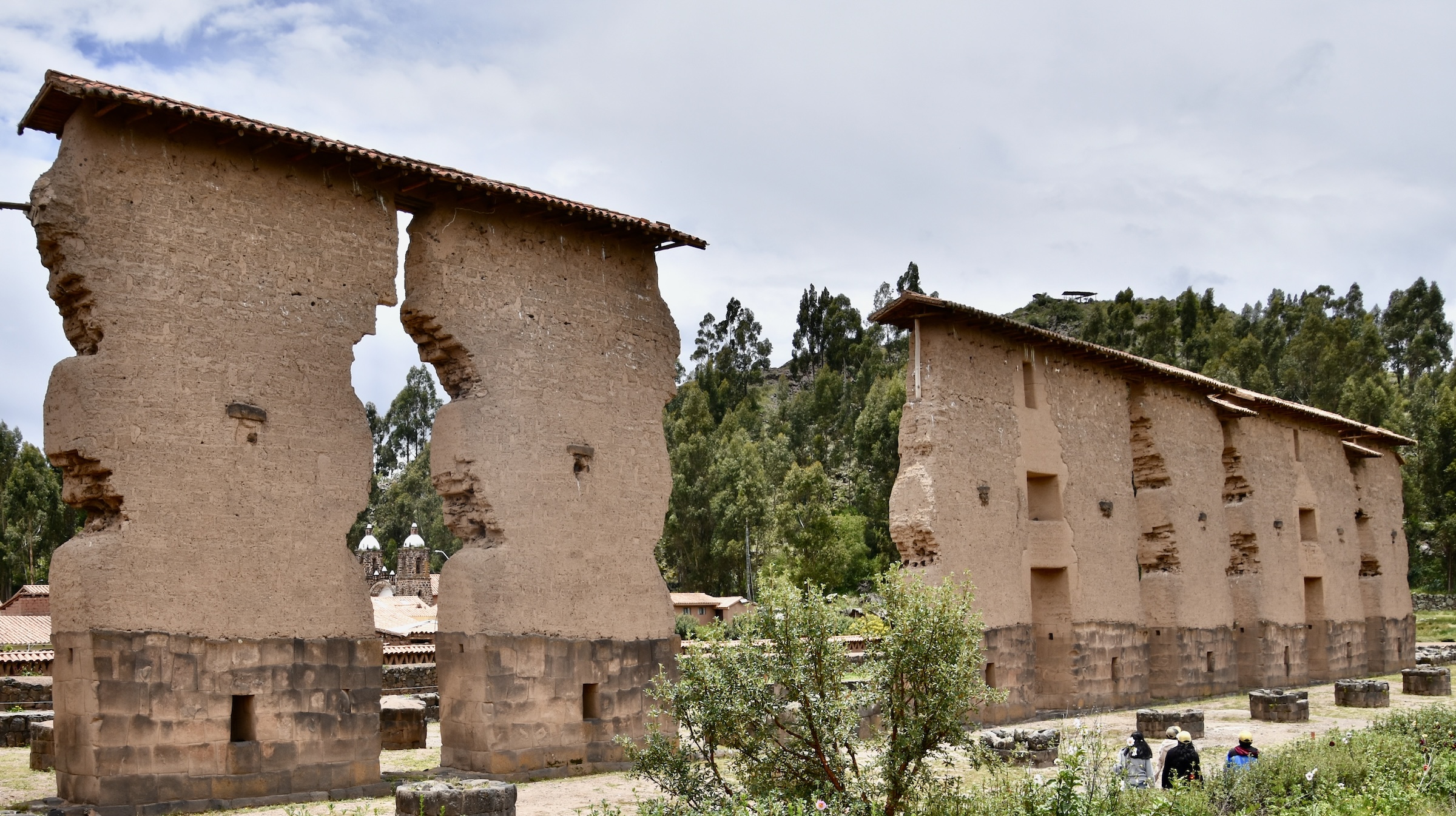
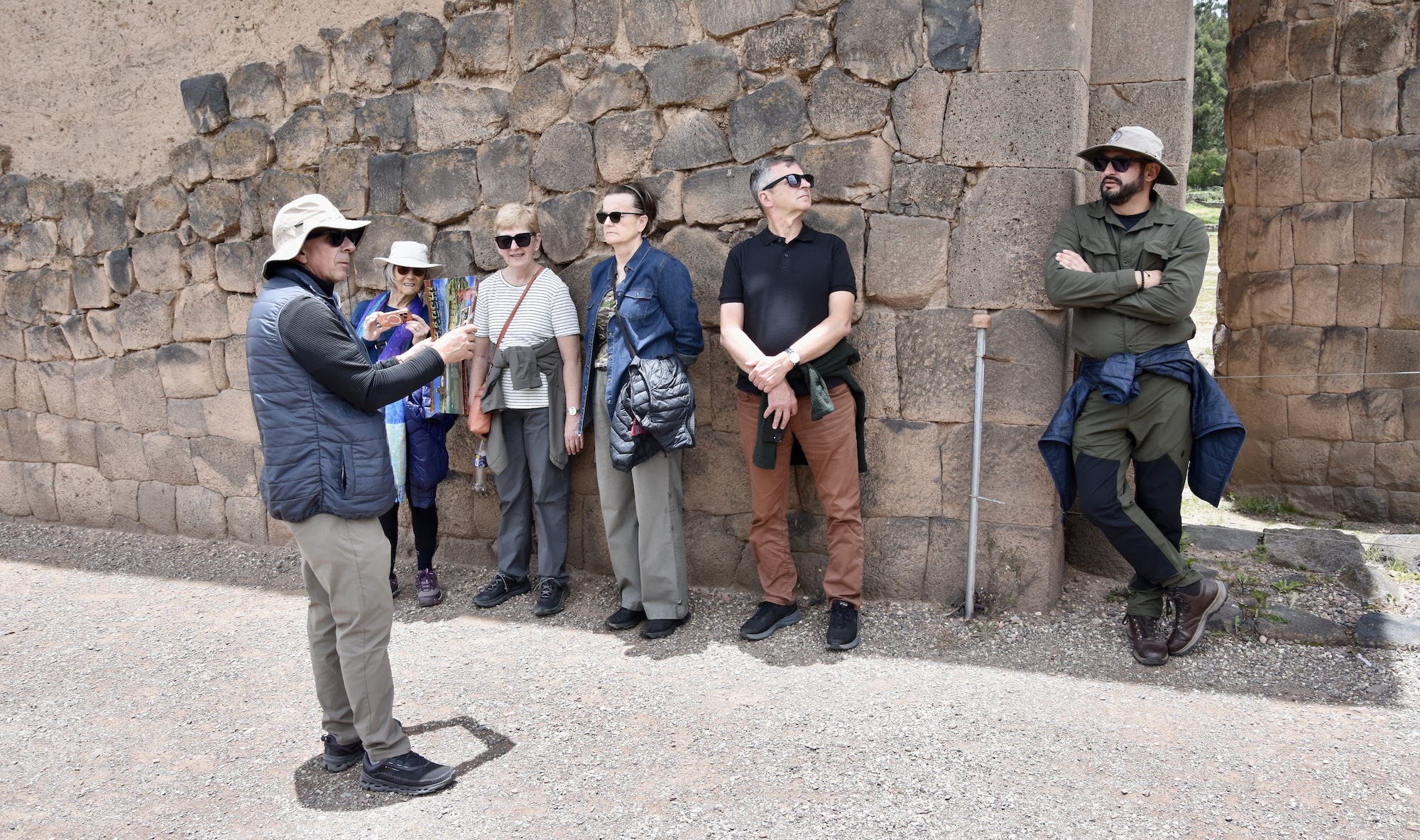
As Carlos, our local guide explains, we are at the foundations of the largest Inca building ever constructed. While it has the typical stonework foundation, the rest is unlike anything we’ve seen on this tour.
The walls are made of adobe bricks and there are the remnants of pillars that once held up a roof that was up to 25 metres (82 feet) high.
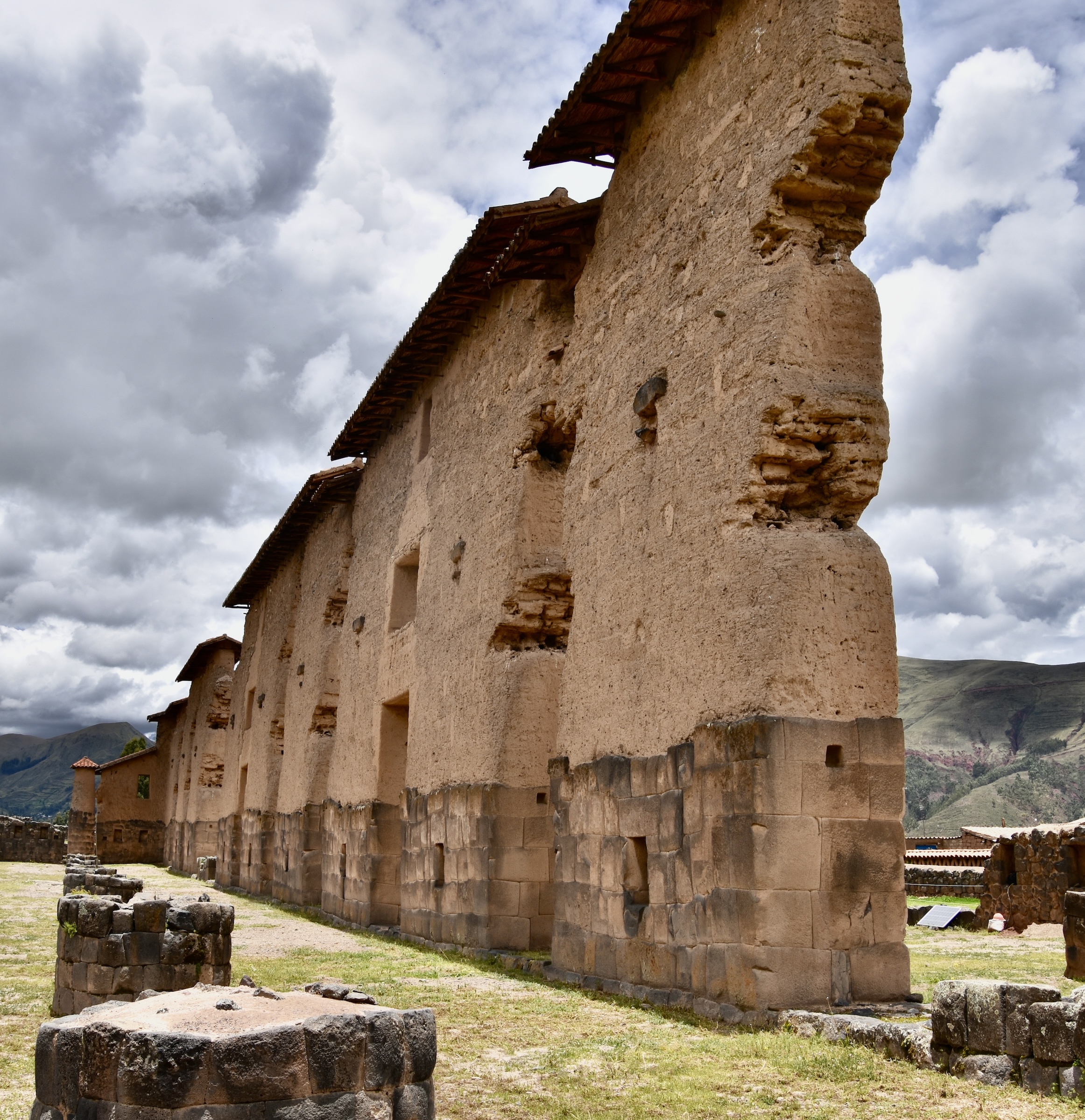
Raqchi certainly brought to mind Roman ruins or even the skeletons of ancient abbeys like Tintern and reminded me that only by travel to places like this do you get an appreciation that our European ancestors were not the only ones who knew how to erect grand edifices to gods long displaced.
And of course, the Spaniards destroyed it.
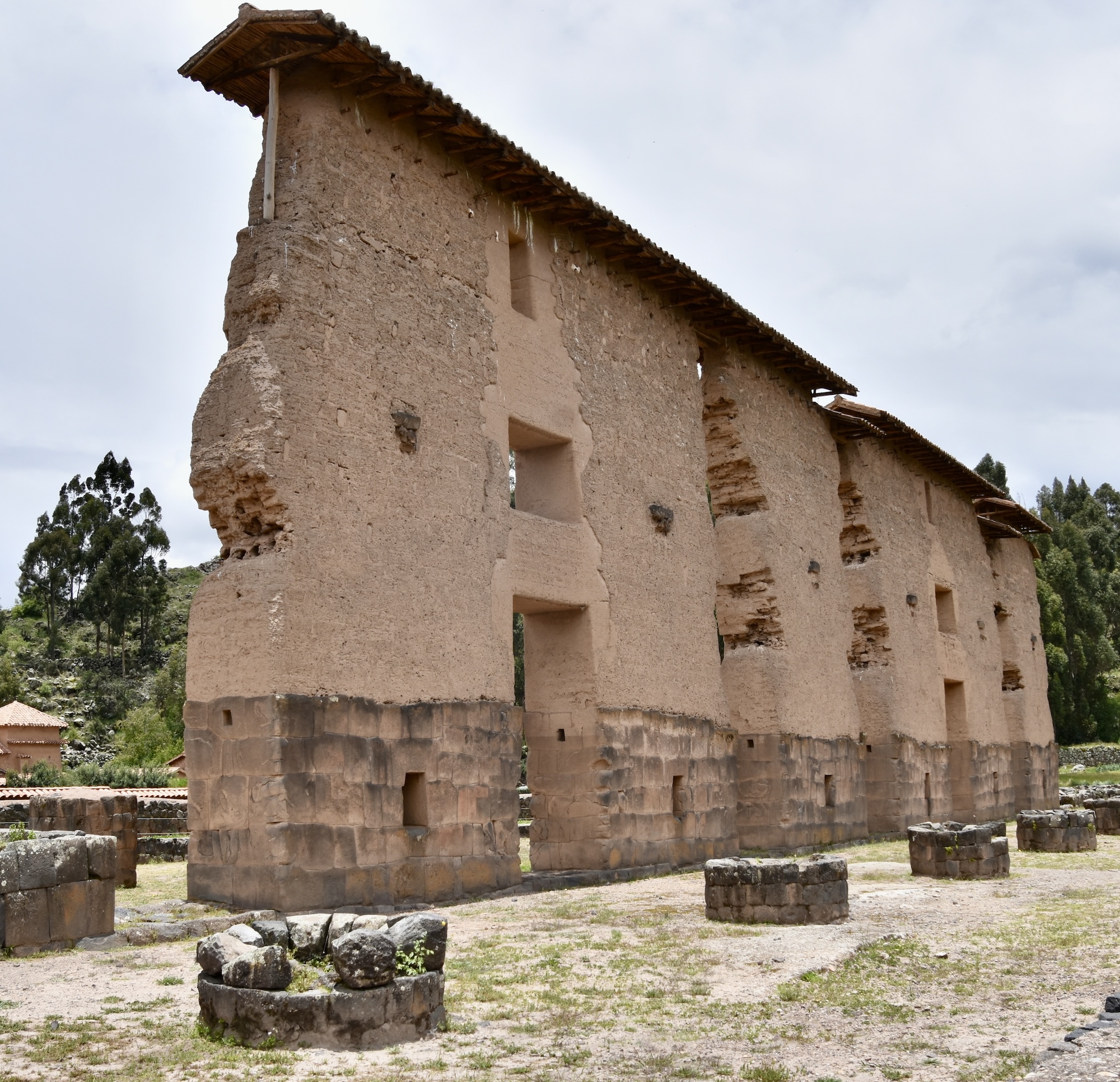
One can only wonder what this place must have looked like before the Spaniards threw their torches onto the thatched roof.
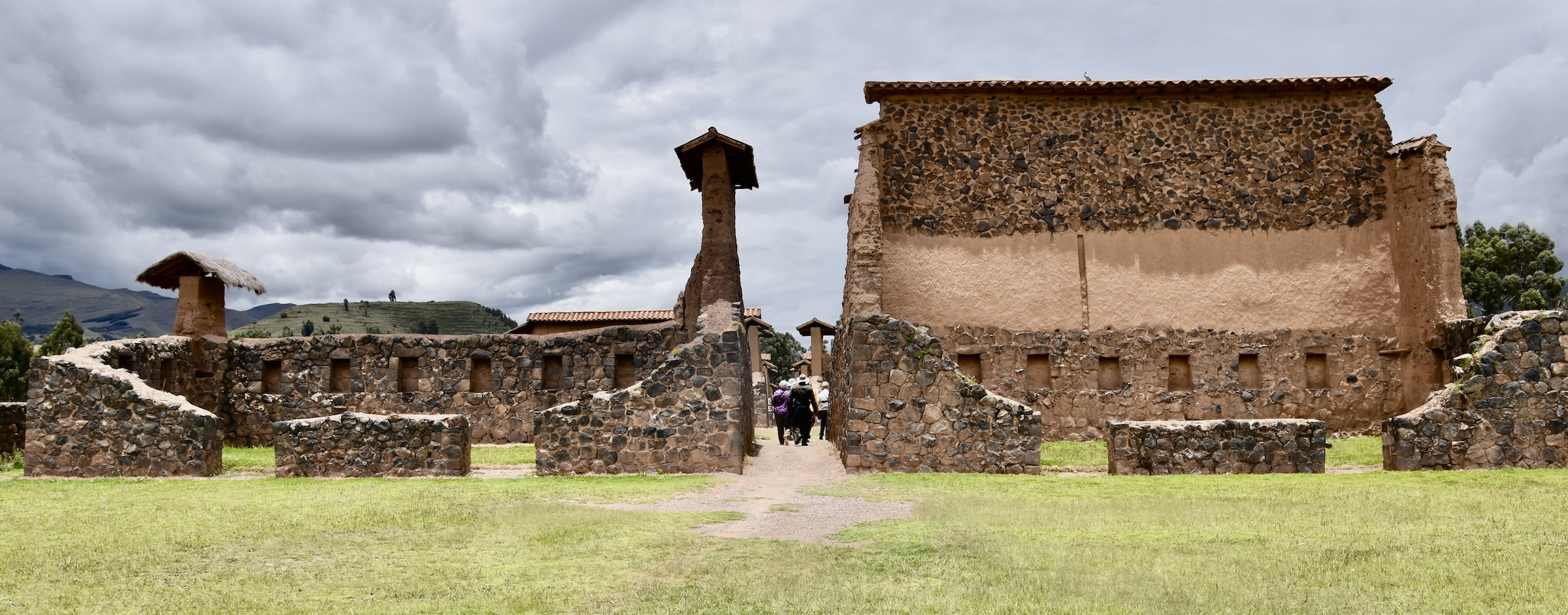
But, there is more to the Raqchi site than just the sad remnants of the temple. Carlos explained that the sun rises between these two buildings on the summer equinox, indicating that the Incas, like the Aztecs and Mayans, knew as much about astronomy as their Old World counterparts.
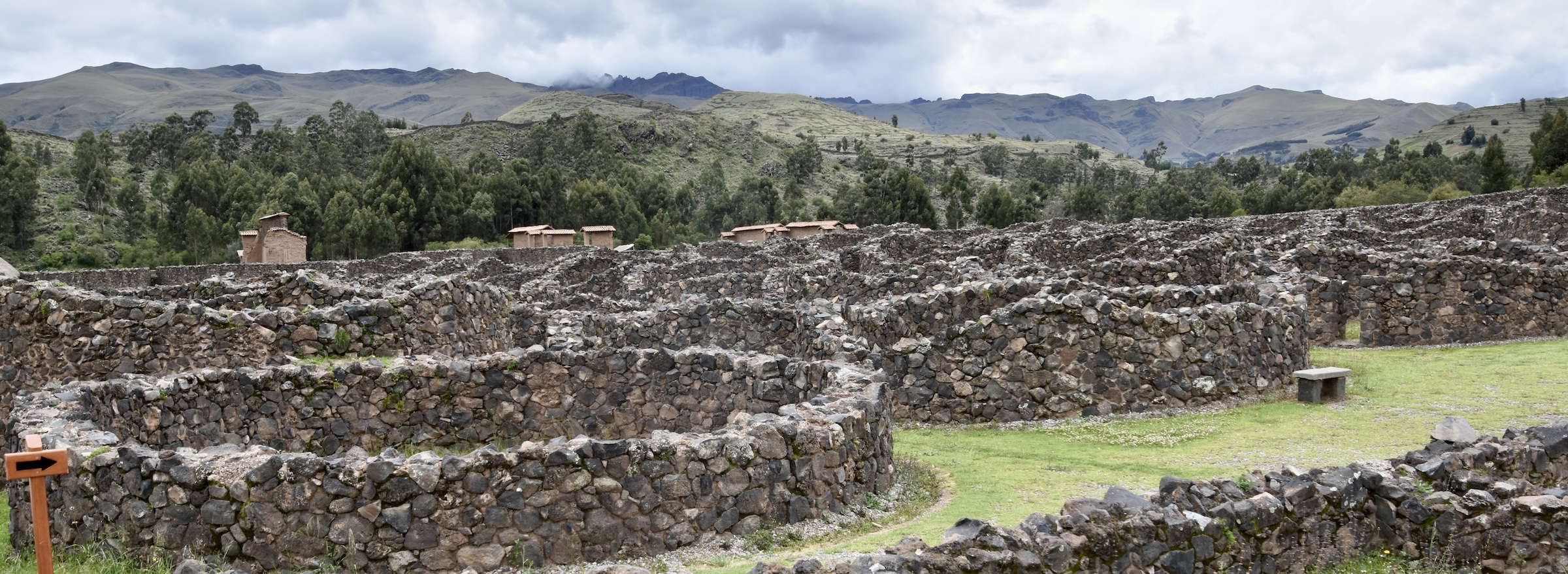
The other archaeological feature that makes Raqchi unique among Incan sites is the presence of 200 or so colcas, Incan storehouses.
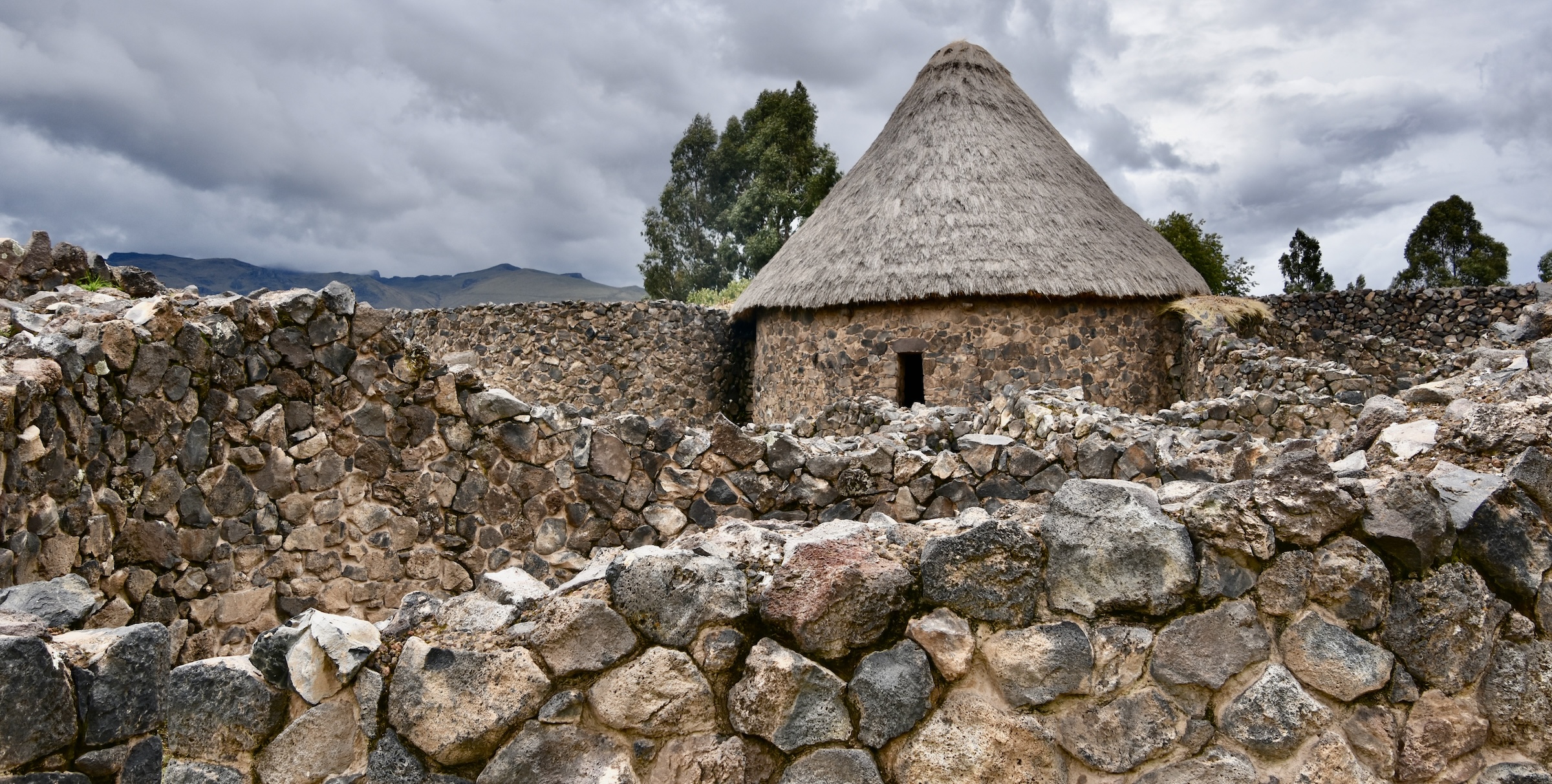
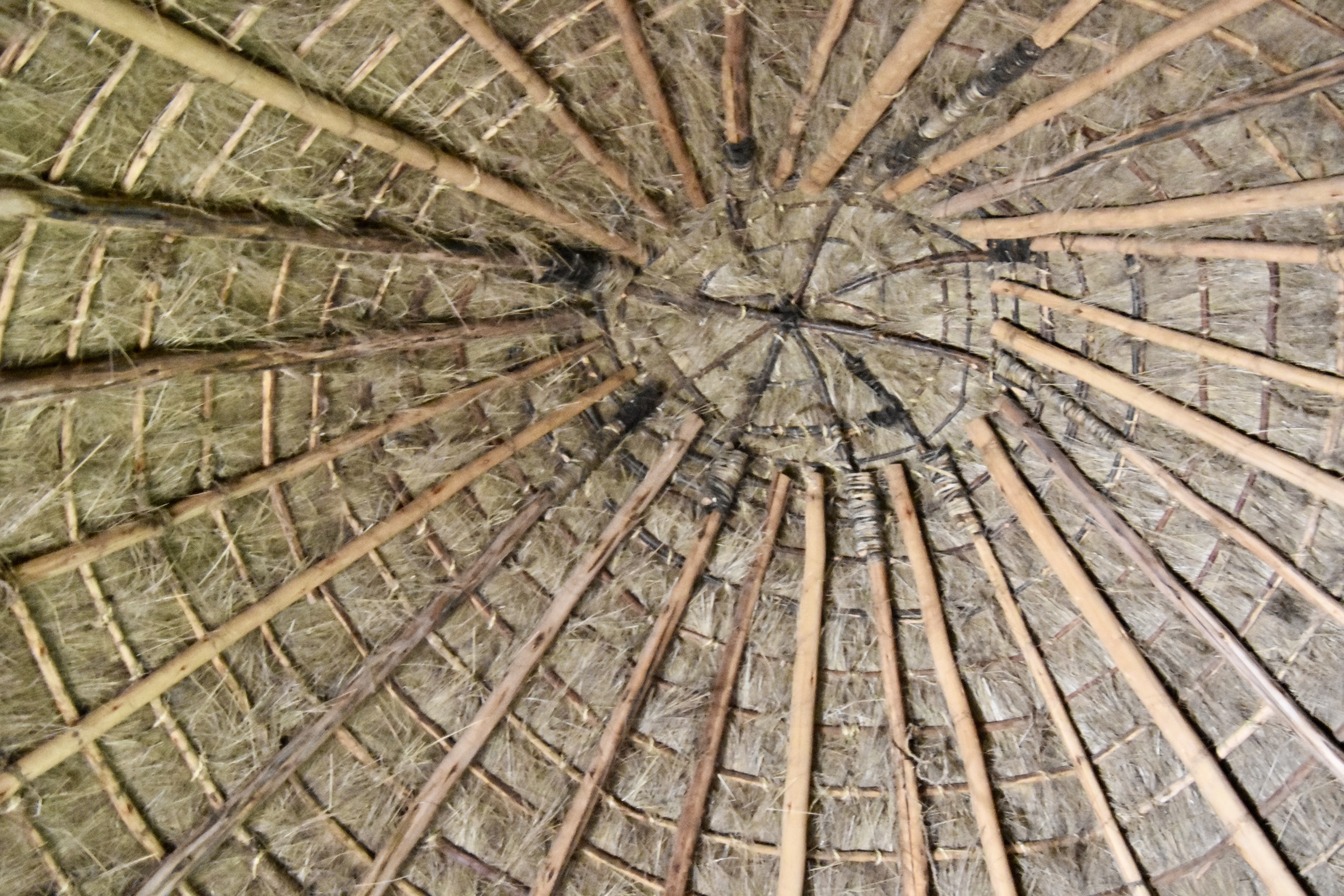
One of them has been reconstructed to appear as it would have 500 years ago.
This is a view of the ceiling from inside.
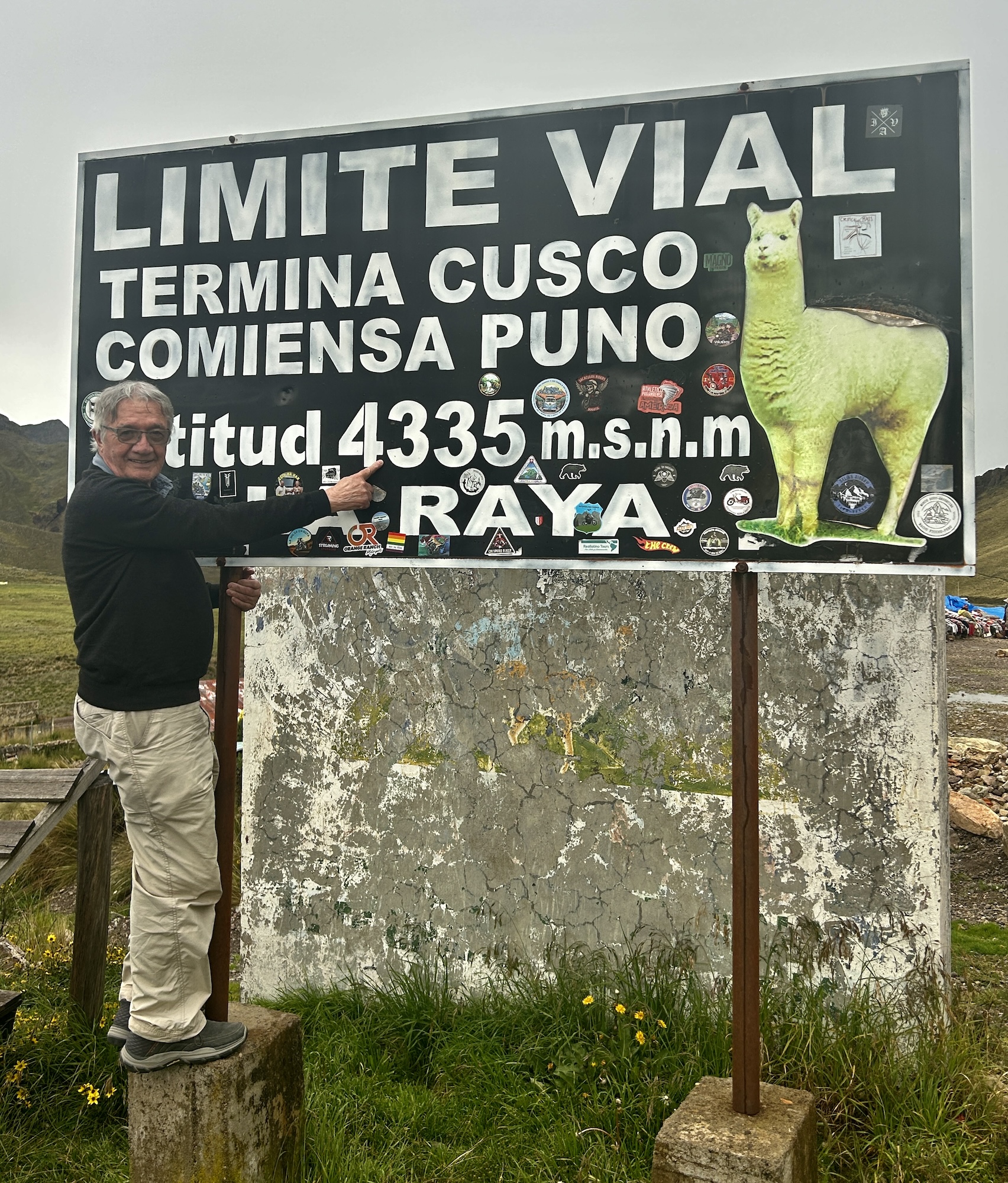
Saying farewell to Raqchi we recommenced our journey to Puno on Lake Titicaca climbing higher and higher until we reached La Raya Pass at an elevation of 4,335 metres (14,222 feet), the highest point on the tour.
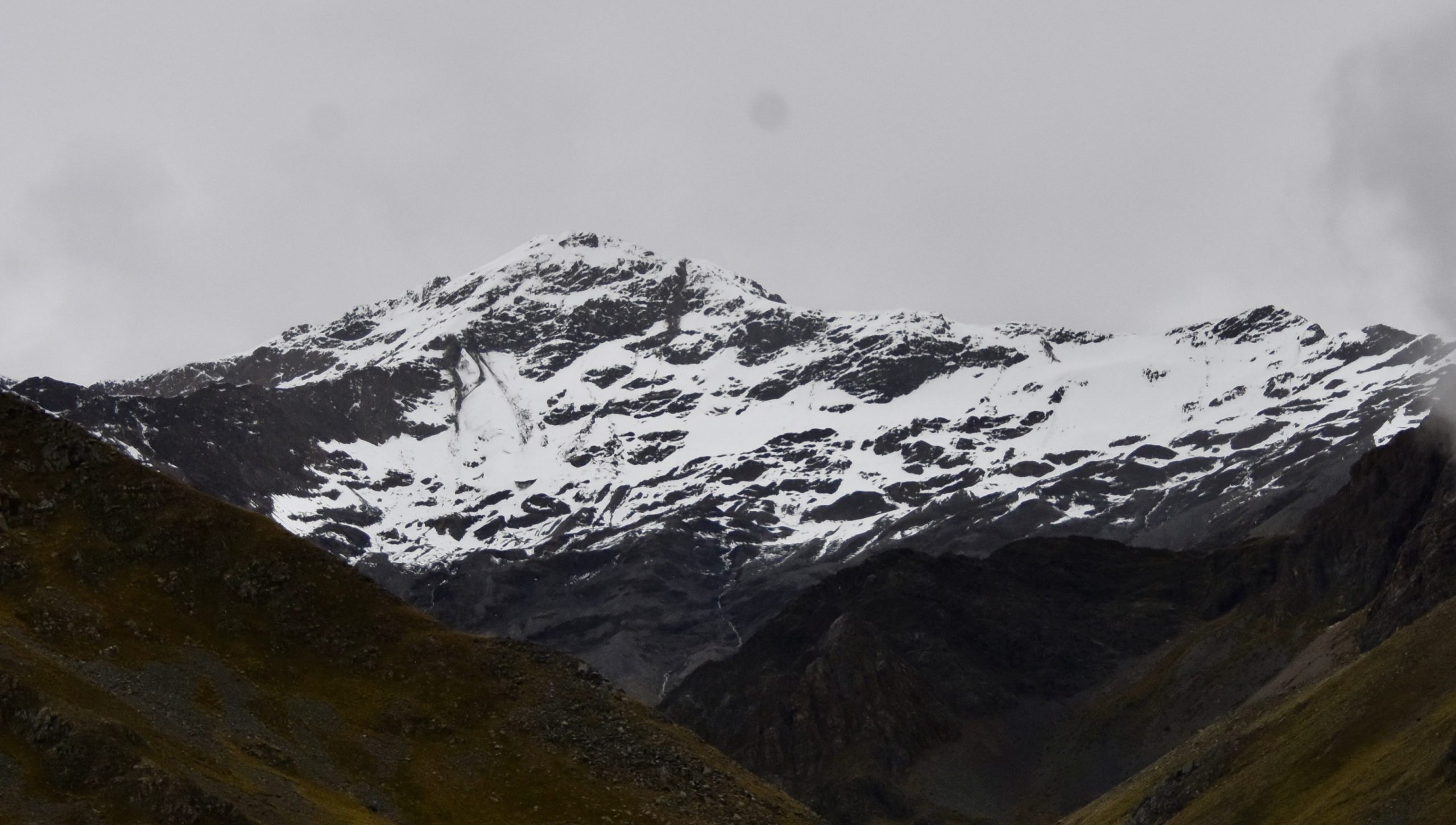
From here we had a clear look at Mount Chimboya, a sacred mountain that is 5,489 metres (18,009 feet) tall.
Then we began a gentle descent to the city of Puno on Lake Titicaca at a mere elevation of 3,827 metres (12,556 feet) where we will began our exploration of the world’s highest navigable lake in the next post. I hope you’ll hop aboard.