
Hamilton Gardens – A New Zealand Must Visit Attraction

In the last post from New Zealand Alison and I visited Whangarei almost by accident and found it to be a delightful place with a great riverside location. In this post we’re heading south to the city of Hamilton where we will visit New Zealand’s top botanical tourist attraction, Hamilton Gardens. I love visiting botanical gardens around the world and writing about them. Here are a few if you are interested – Butchart Gardens in Victoria, BC, Kingsbrae in St. Andrews, NB, Longwood in Philadelphia, Brookgreen in Myrtle Beach, SC and The Keukenhof in Holland. Let’s see if Hamilton Gardens measures up against these iconic places.
History of Hamilton Gardens
The site now occupied by Hamilton Gardens on the banks of the Waikato River was at one time the Maori village of Te Parapara where kumara and other crops had been grown for hundreds of years. In 1863 the British Governor George Grey initiated the Waikato Invasion which led to the forcible removal of many Maori from the area immediately south of Auckland and the founding of Hamilton in 1864. Named for Captain John Hamilton who was killed during one of the battles during the invasion, it quickly grew to be a modern European city and today is the fourth largest city in New Zealand with a population of just under 200,000.
The lands upon which the Hamilton Gardens sit today were once used as a rifle range, a sand quarry and even a garbage dump. It was not until the 1970s that the first gardens were planted on the site, but it took one man’s vision to create what is now recognized as one of the world’s best designed horticultural spaces. Dr. Peter Sergel was a landscape architect who developed a long range plan that would see over two dozen separate themed gardens that would tell the story of horticulture from 5,000 years ago to the present. The gardens would fall under three distinct categories and here I can do no better to describe them than to take this description directly from the Hamilton Gardens website:
- Paradise gardens reflect idealised visions of nature – peaceful, harmonious, and spiritual – and the attempt to create a paradise on earth. These gardens often evoke a sense of tranquillity or order and structure.
- Fantasy gardens celebrate imagination and storytelling, sparking curiosity and wonder.
- Productive gardens show how humans have cultivated plants for food, medicine, and daily life
As of 2026 there are 18 completed gardens with another two under construction and more planned for the future. Here is a map of the gardens which allows you to see how the categories are linked. The pink gardens make up the Paradise gardens, the purple the Fantasy gardens and the green the Productive gardens.
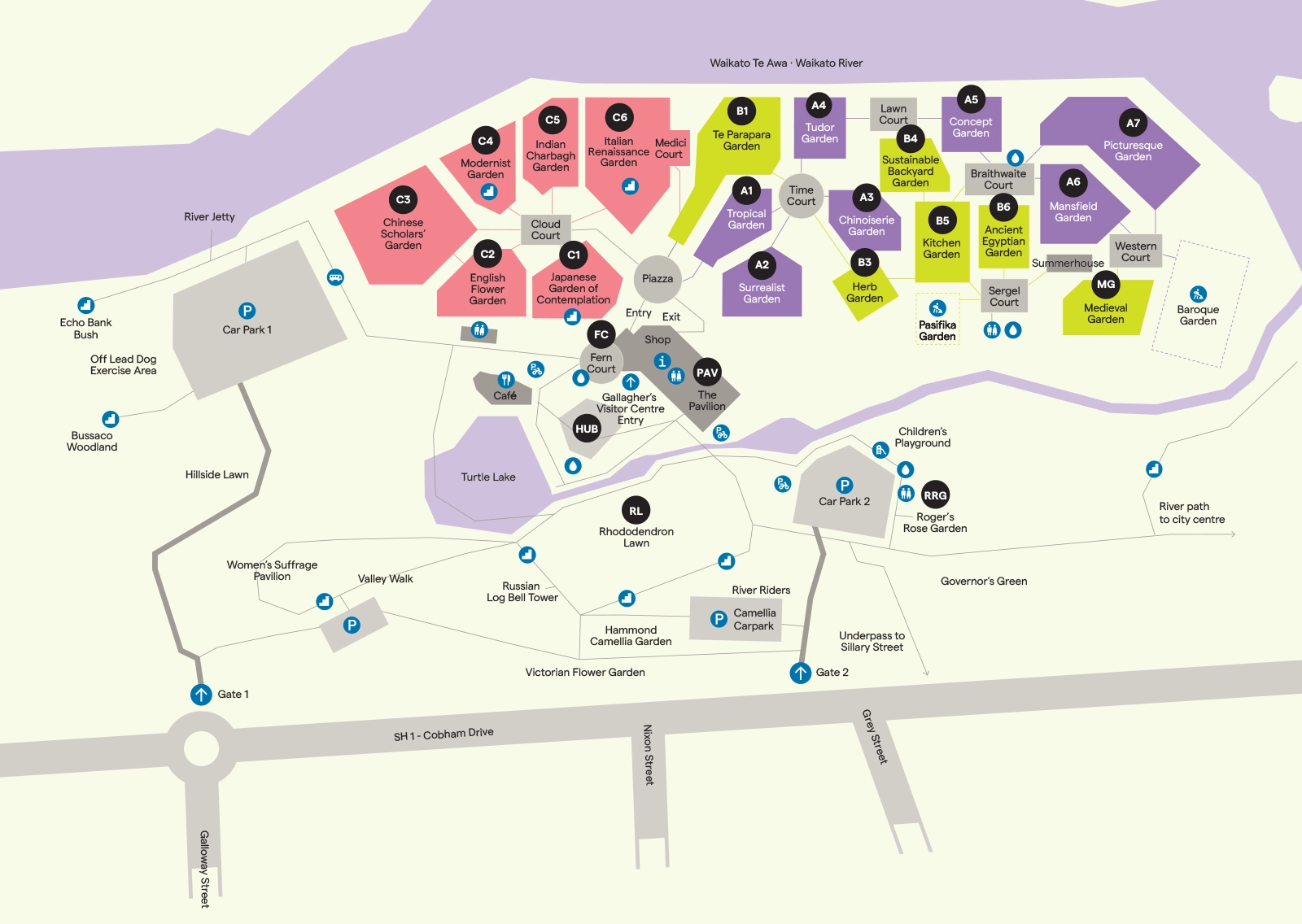
We’ve got a lot to see so let’s get going.
You can buy your tickets online at the Hamilton Gardens website. I regret not getting the audioguide which costs just $5.00 NZD more than the general admission ticket. Don’t make the same mistake. You can also book a 75 minute guided highlights tour which I am sure is worth it.
But for now, Alison and I will tour on our own.
After passing through the entry pavilion we opted to start with the Paradise gardens. These are six separate areas all connected to the Cloud Court which is a rectangular reflecting pool surrounded by ten foot high hedges. The first thing we noticed is that Hamilton Gardens was not overrun with visitors and in many places we were the only ones in any particular garden.
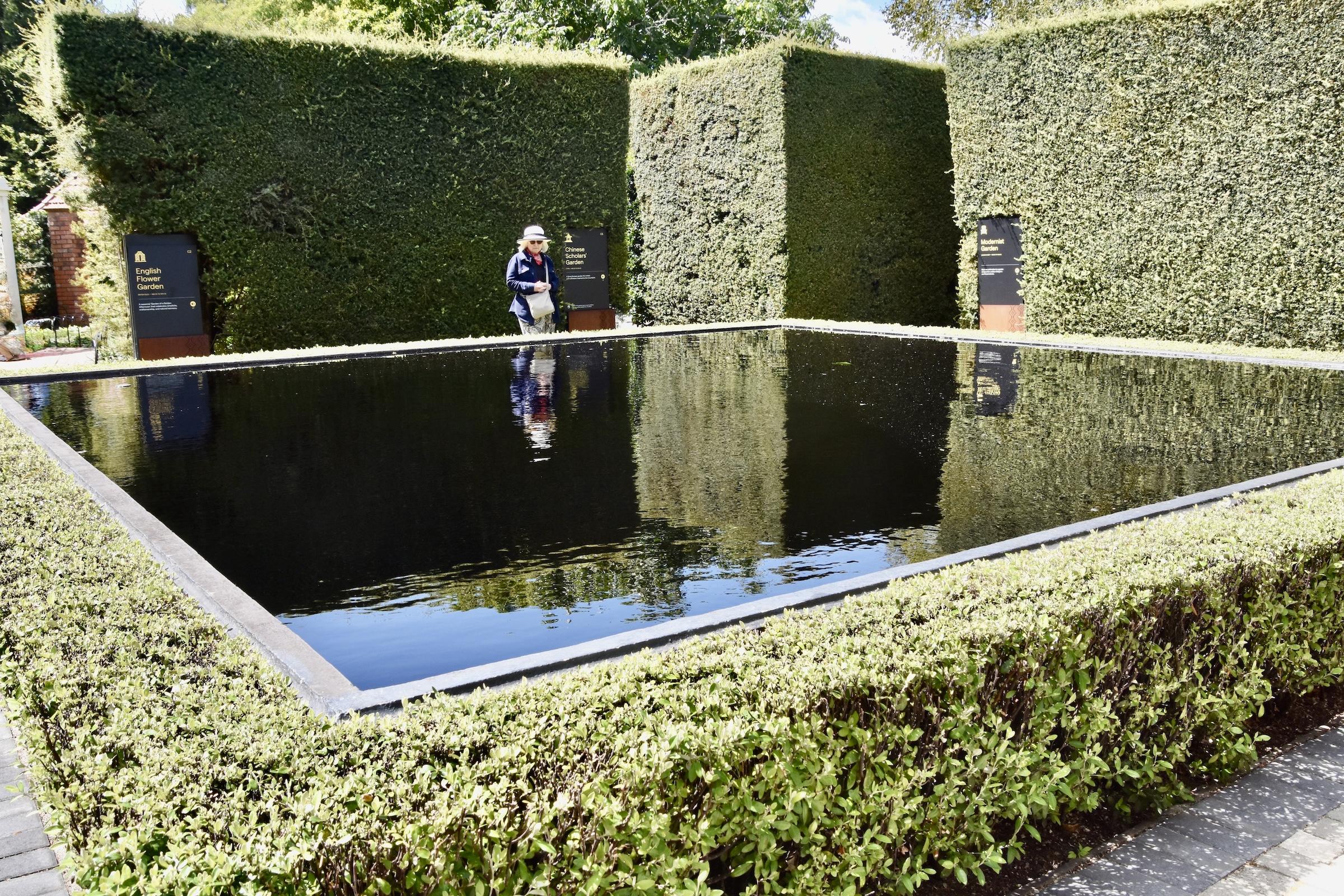
Our first garden was the Japanese Garden of Contemplation which was exactly that – beautiful, understated and designed to bring about a state of calm mindedness.
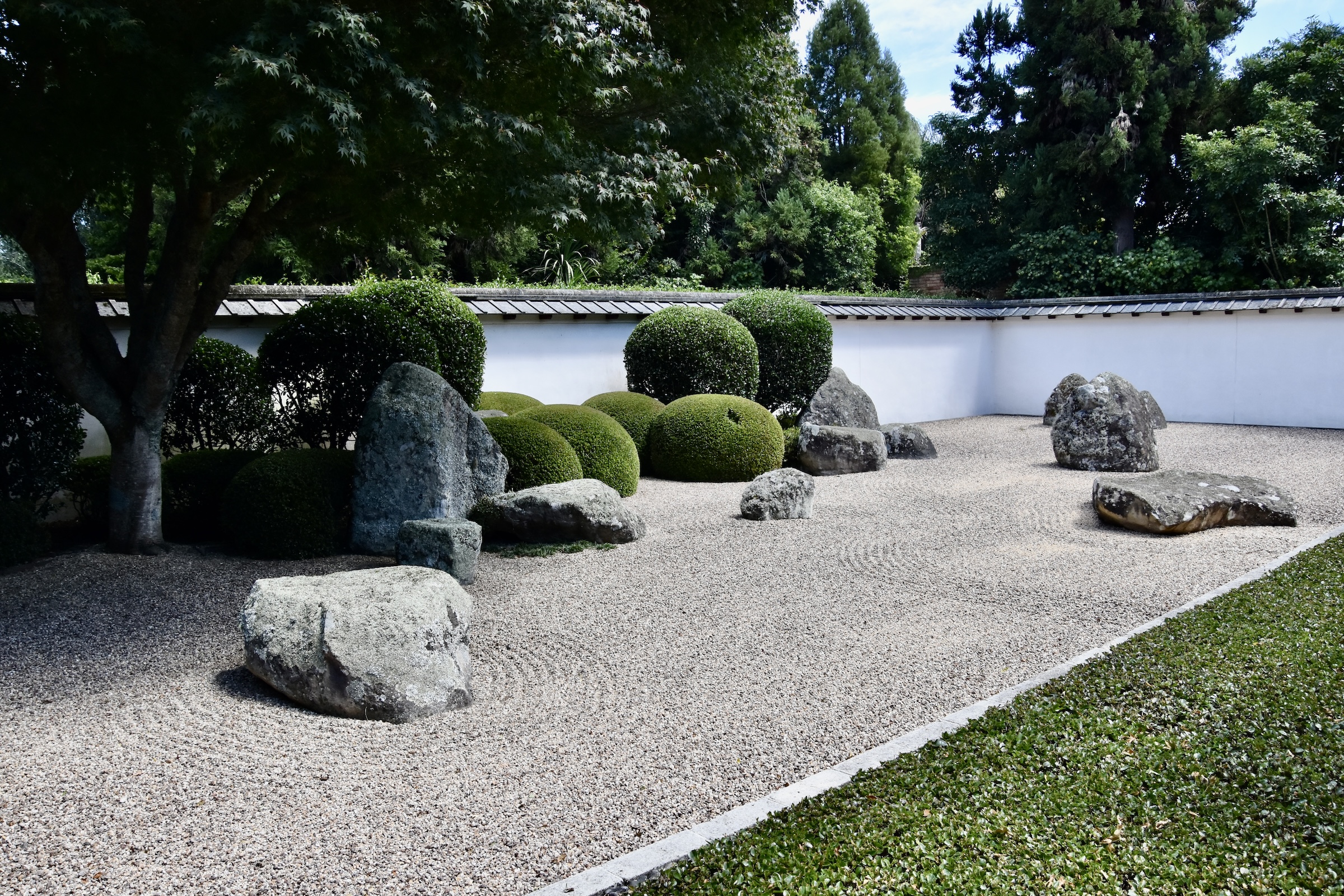
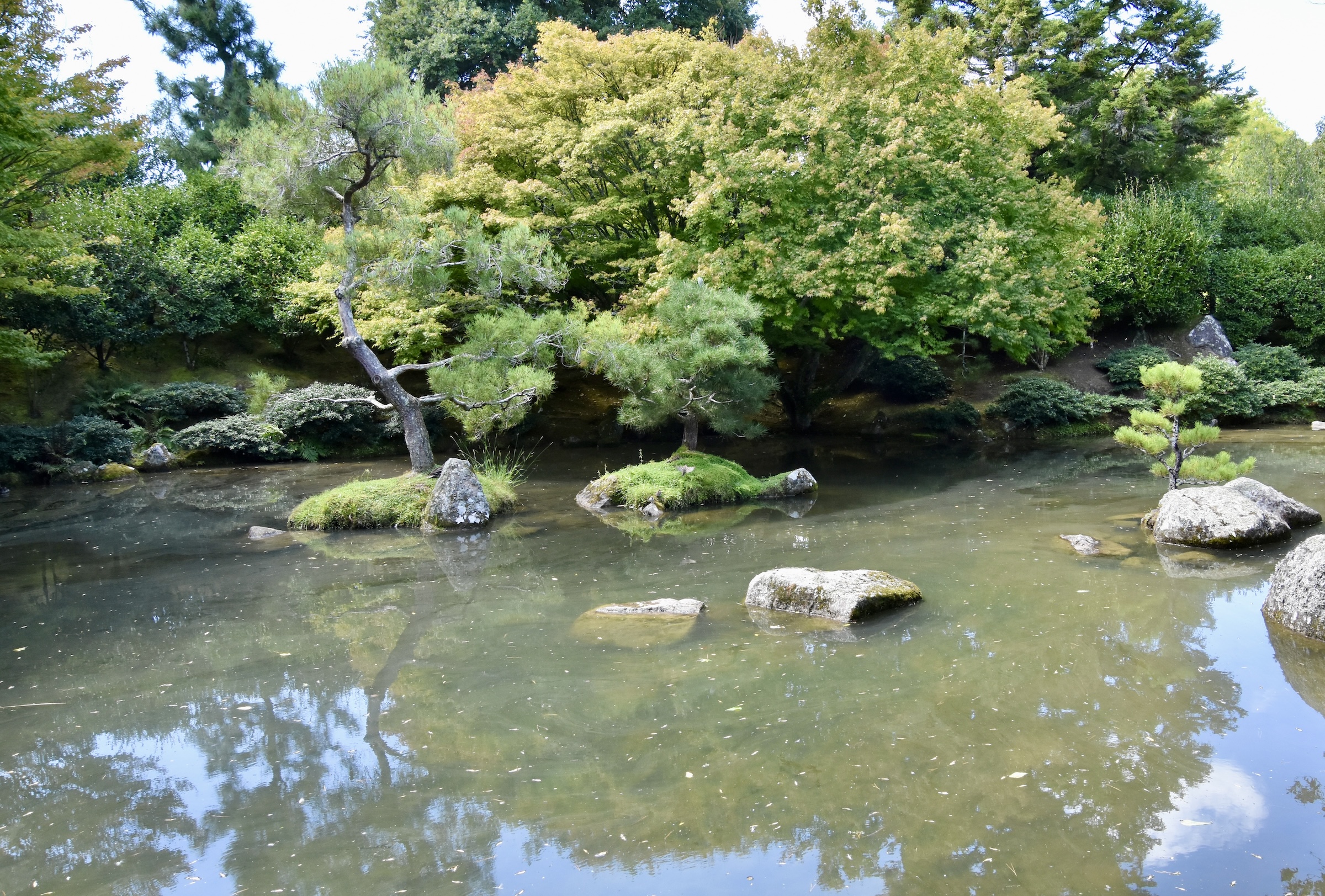
The water in the garden was a perfect adjunct to the stone and gravel, all done without a single flower.
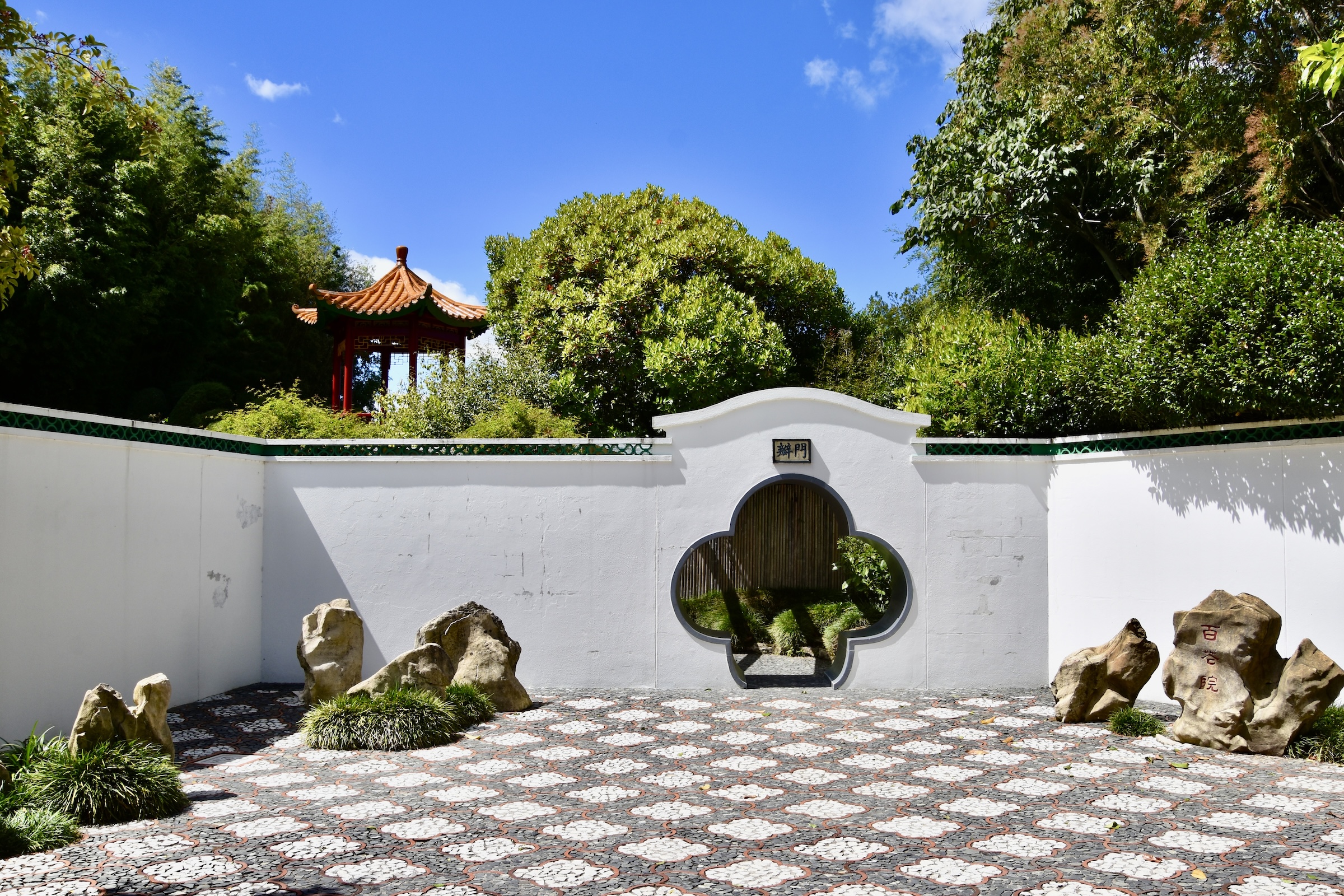
Next up was the Chinese Scholar’s Garden which is described thusly on the website:
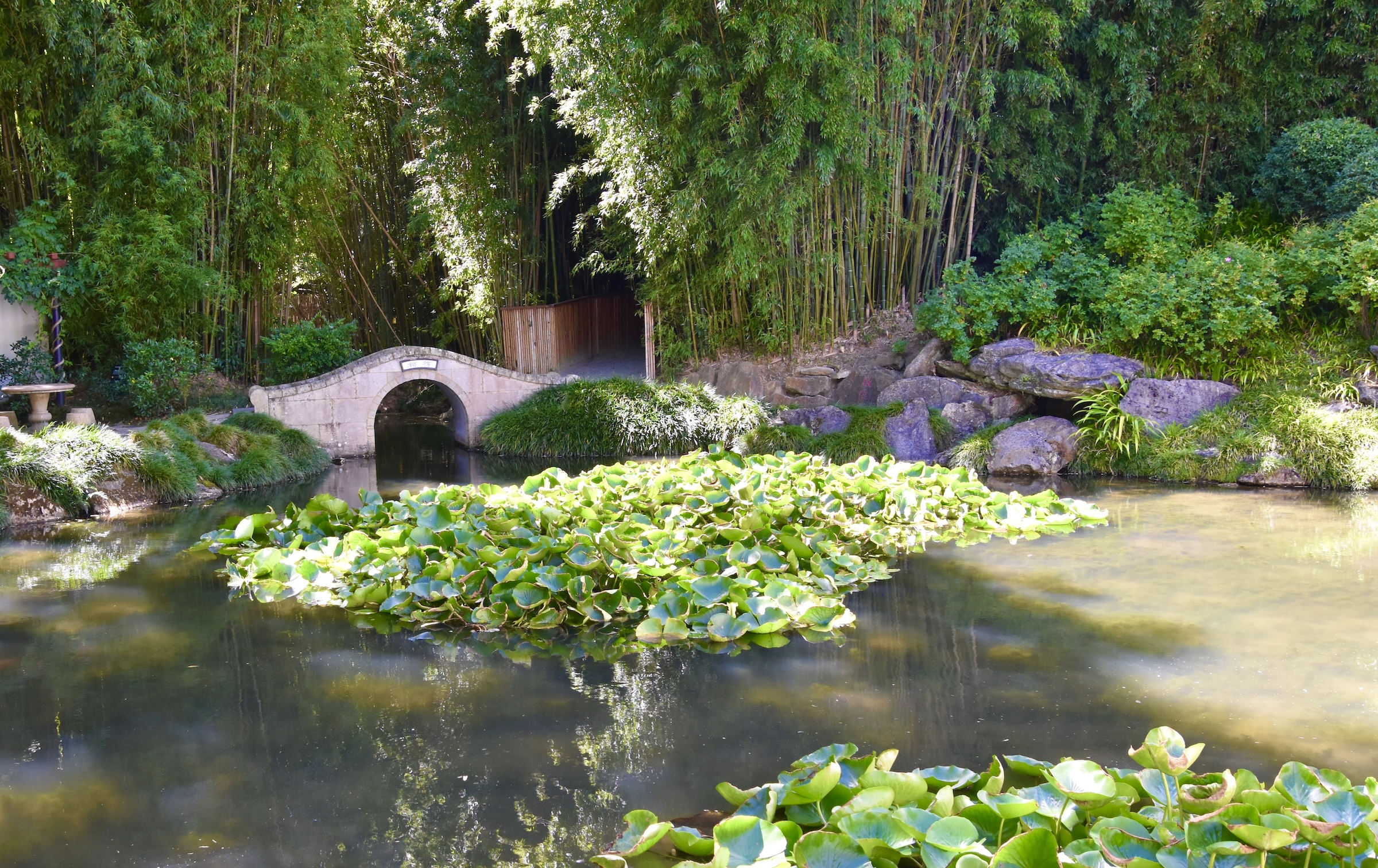
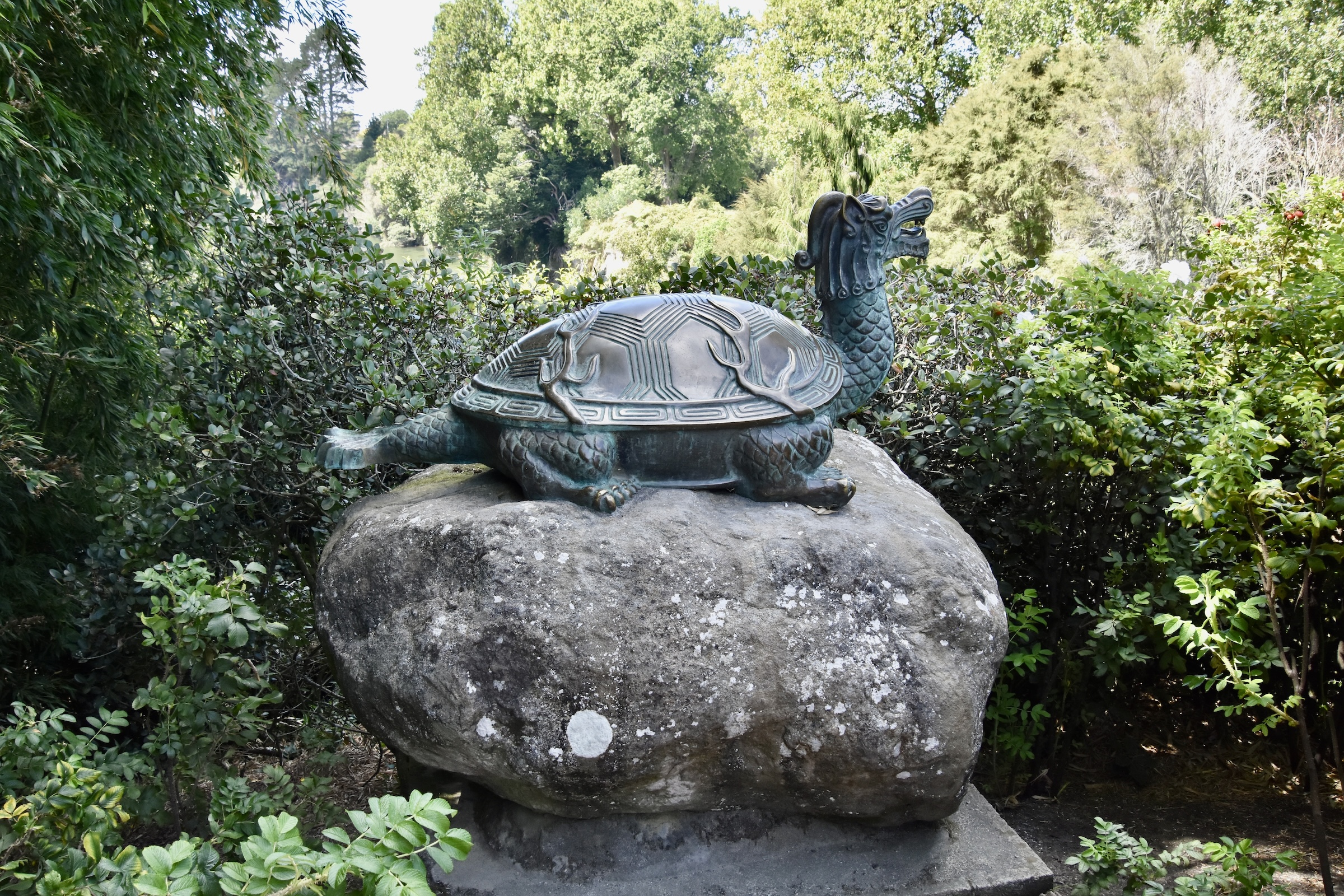
Follow the winding and zig-zag path of this garden where every element is meant to awaken the senses and fill the imagination with stories and landscapes. Listen to the clattering of bamboo, watch ripples run across the water, and breathe in the scent of almond blossom. Pause at the hilltop pavilion where a bronze turtle, a gift from Wuxi city in China, keeps the gardens safe from floods. This is a garden rich in symbols, contrast, and hidden meaning.
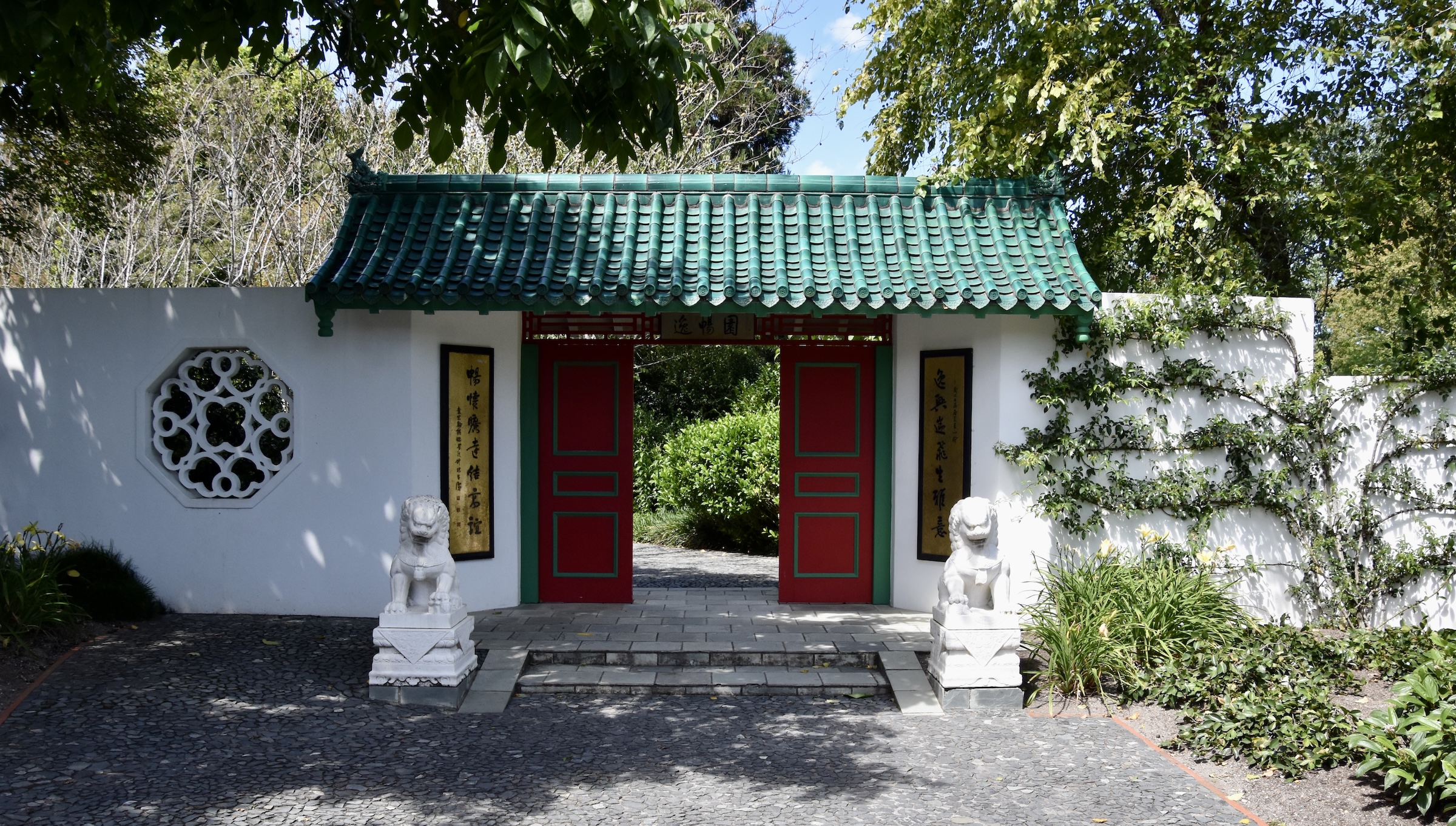
You enter through this gate and follow the path to the red bridge.
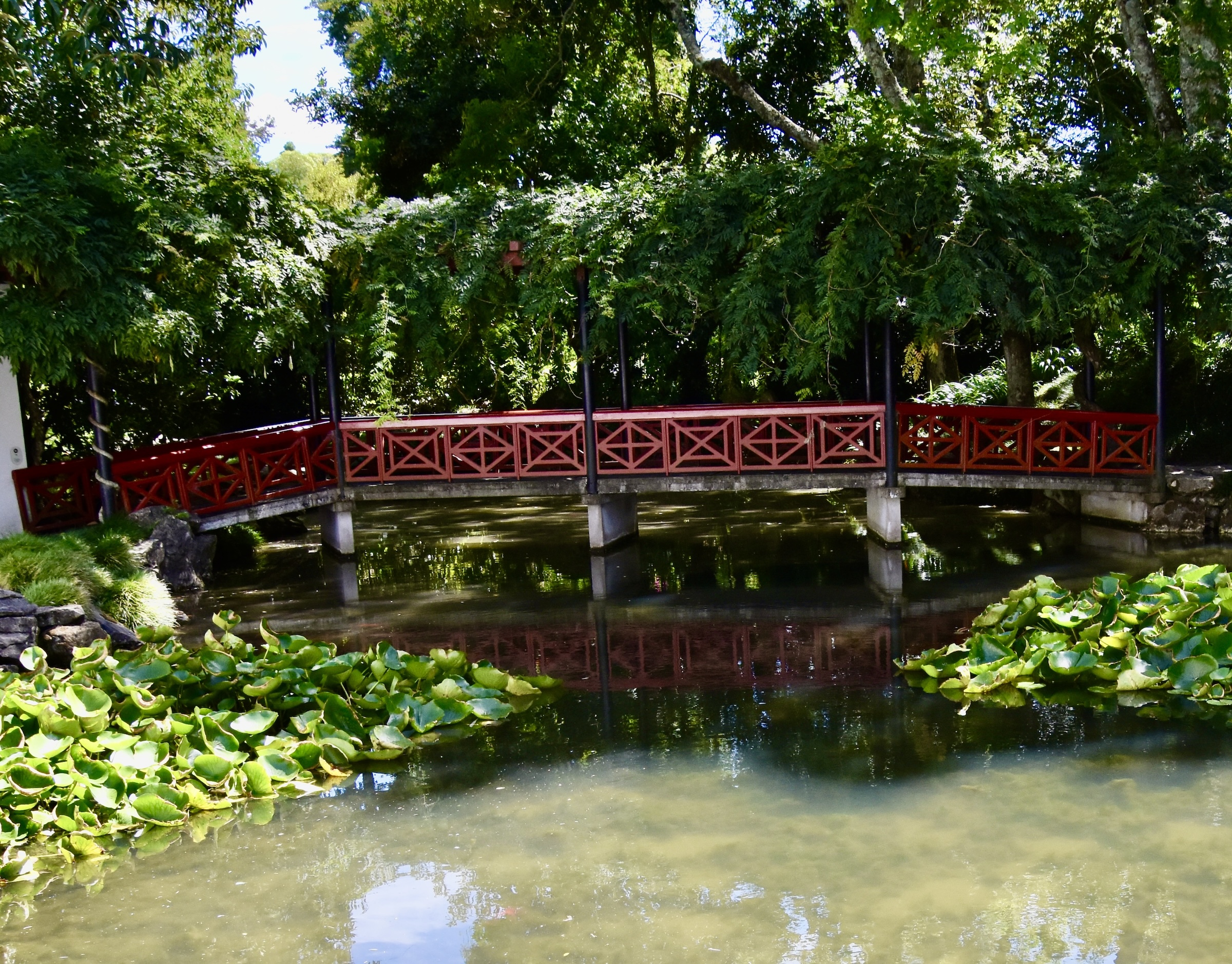
From the bridge you get this look back.
And there is the turtle guarding the Hamilton Gardens from flooding. He has the head of a dragon.
These first two gardens put you in an almost zen-like trance they are so soothing to the nerves.
The Chinese Garden is one of only two in the Paradise Gardens section that has a separate entry and exit point.
The English Flower Garden is based upon what is described as a ‘garden of the golden afternoon’ in a style that was popular in pre-WWI Britain.
It’s really too big to capture its effect without a wide-angle or even fisheye lens so I’ve taken this video instead.
In retrospect, if you are looking for pure flower power this is the garden that has it in spades.
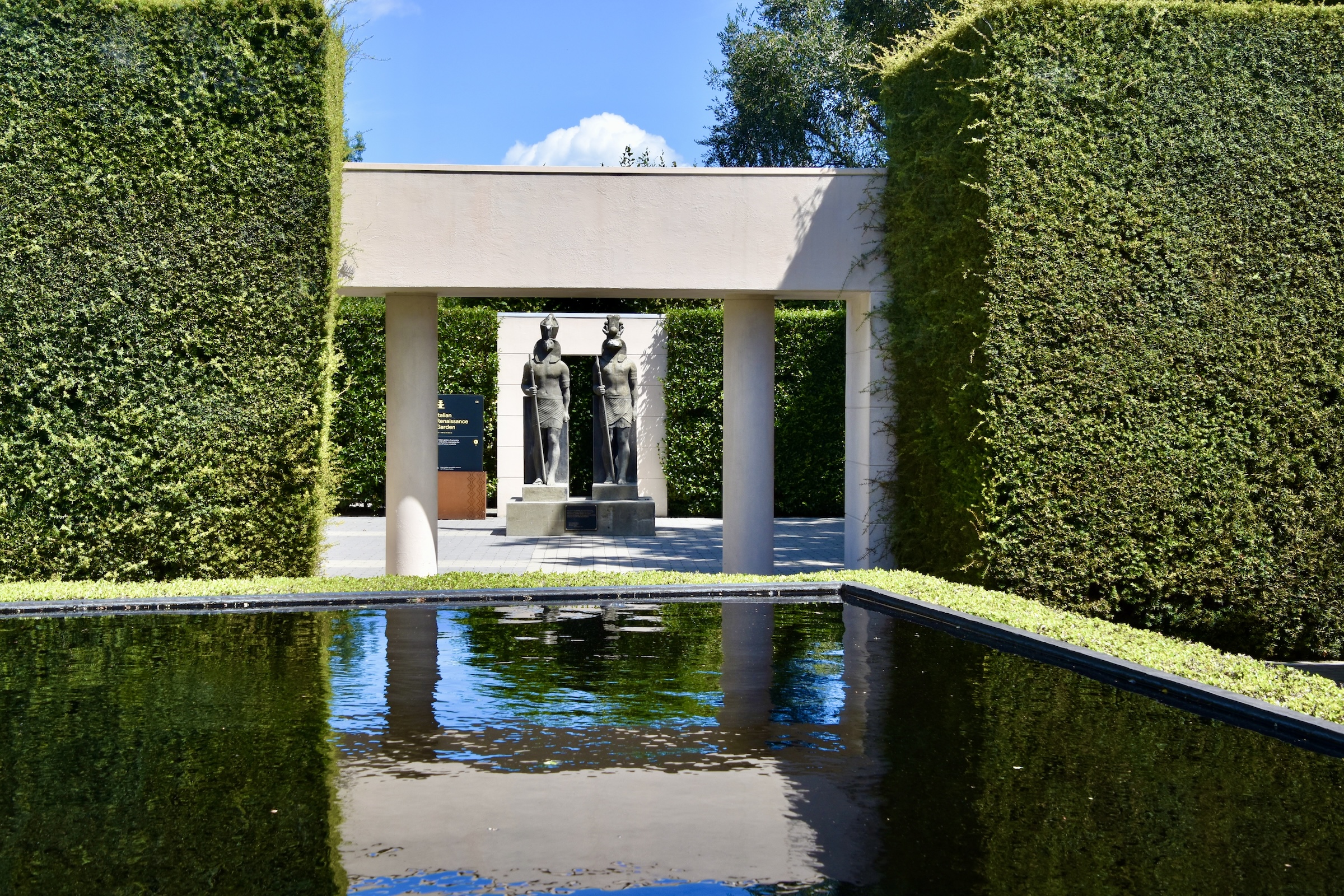
Returning to the Cloud Court from the English Garden you get this view across to the statues of the Egyptian gods Horus and Sobek, oddly placed in front of the Italian Renaissance Garden and not the Egyptian Garden which is in the Productive Gardens district.
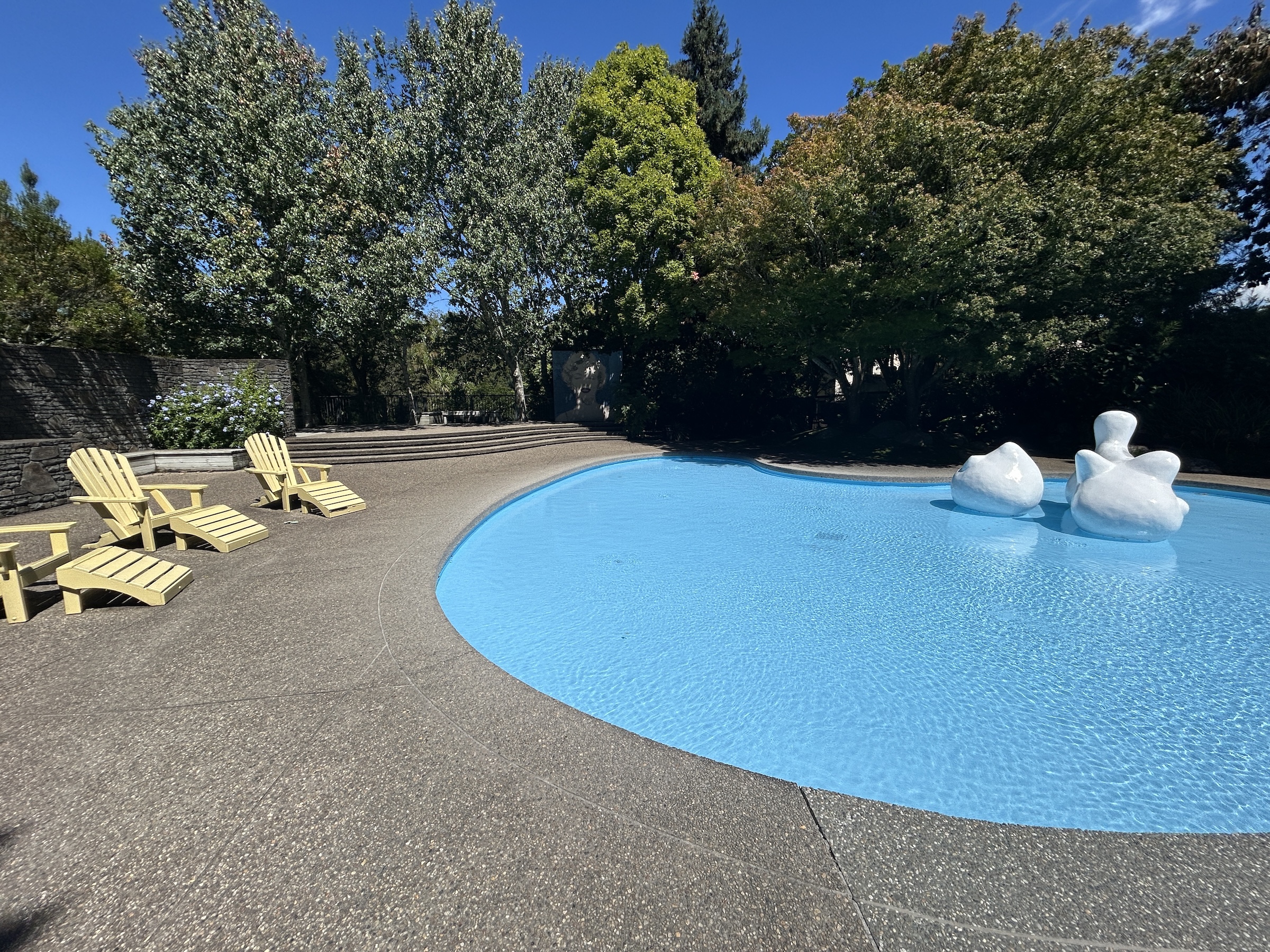
Our fourth visit at Hamilton Gardens takes us into the Modernist Garden which is based upon a California lifestyle that featured a swimming pool as the dominating theme.
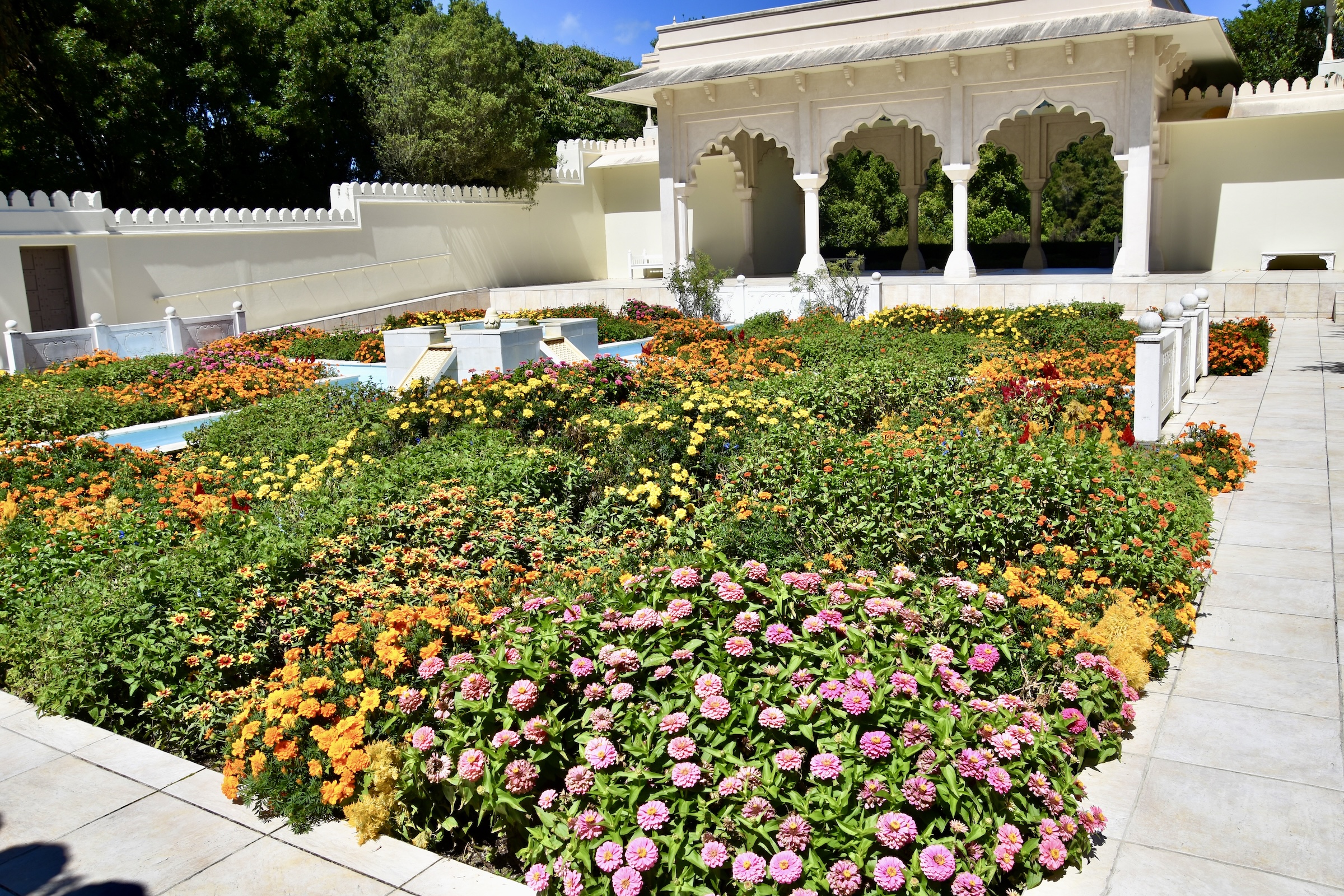
Garden number five was a complete surprise and very different from any of the others at Hamilton Gardens. This is the Indian Char Bagh Garden and it is based upon an actual garden in northern India during the Muslim Mughal Empire. The Quran was the inspiration for this garden, which describes the four gardens of paradise, and paradise it is.
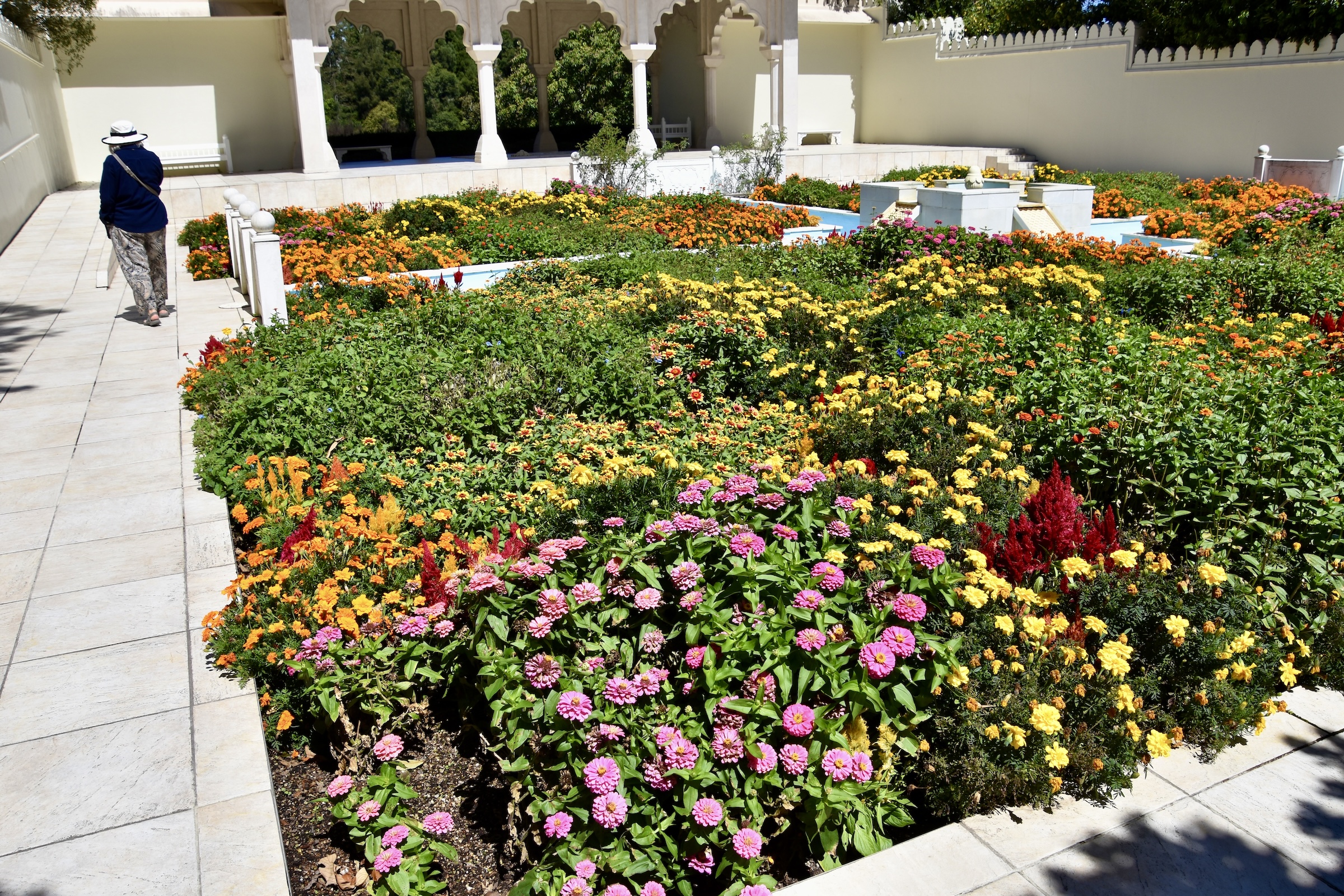
Here is another look.
And another.
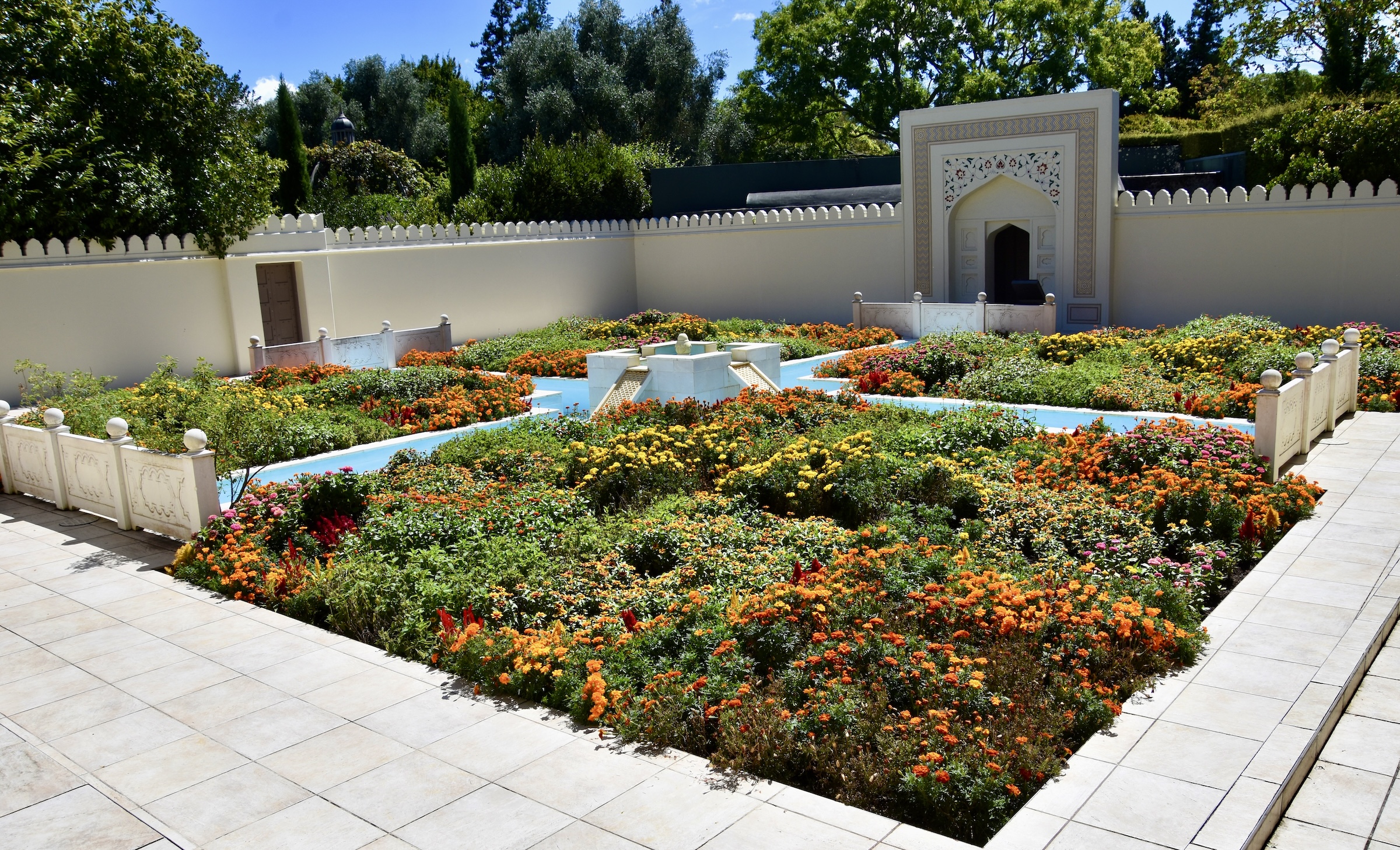
Simply stunning and we were the only ones enjoying it.
The final Paradise district garden was another stunner. I’ve been to a number of Italian Renaissance gardens and I honestly can’t remember if they looked as good as the one at Hamilton Gardens.
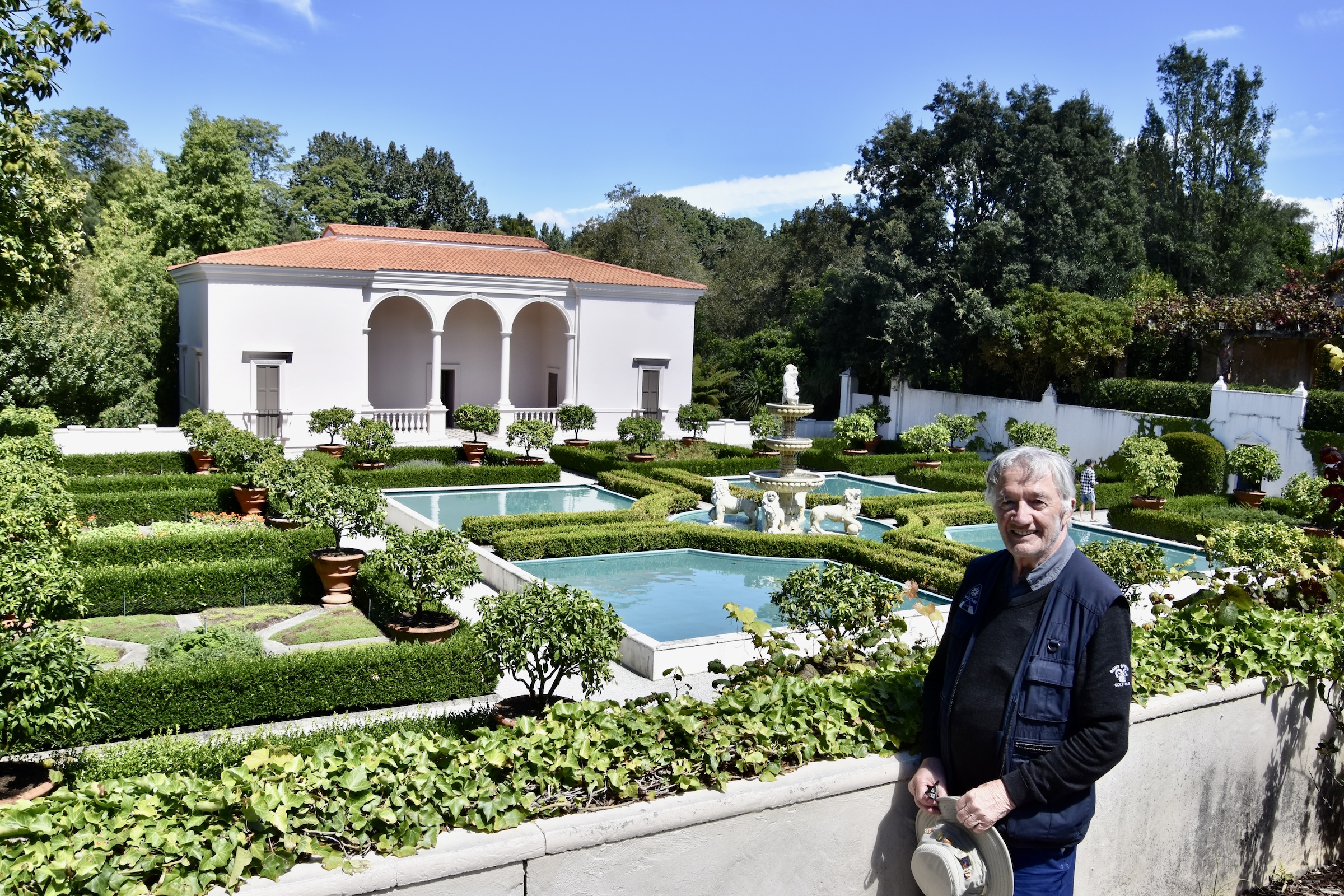
Here’s the view from below.
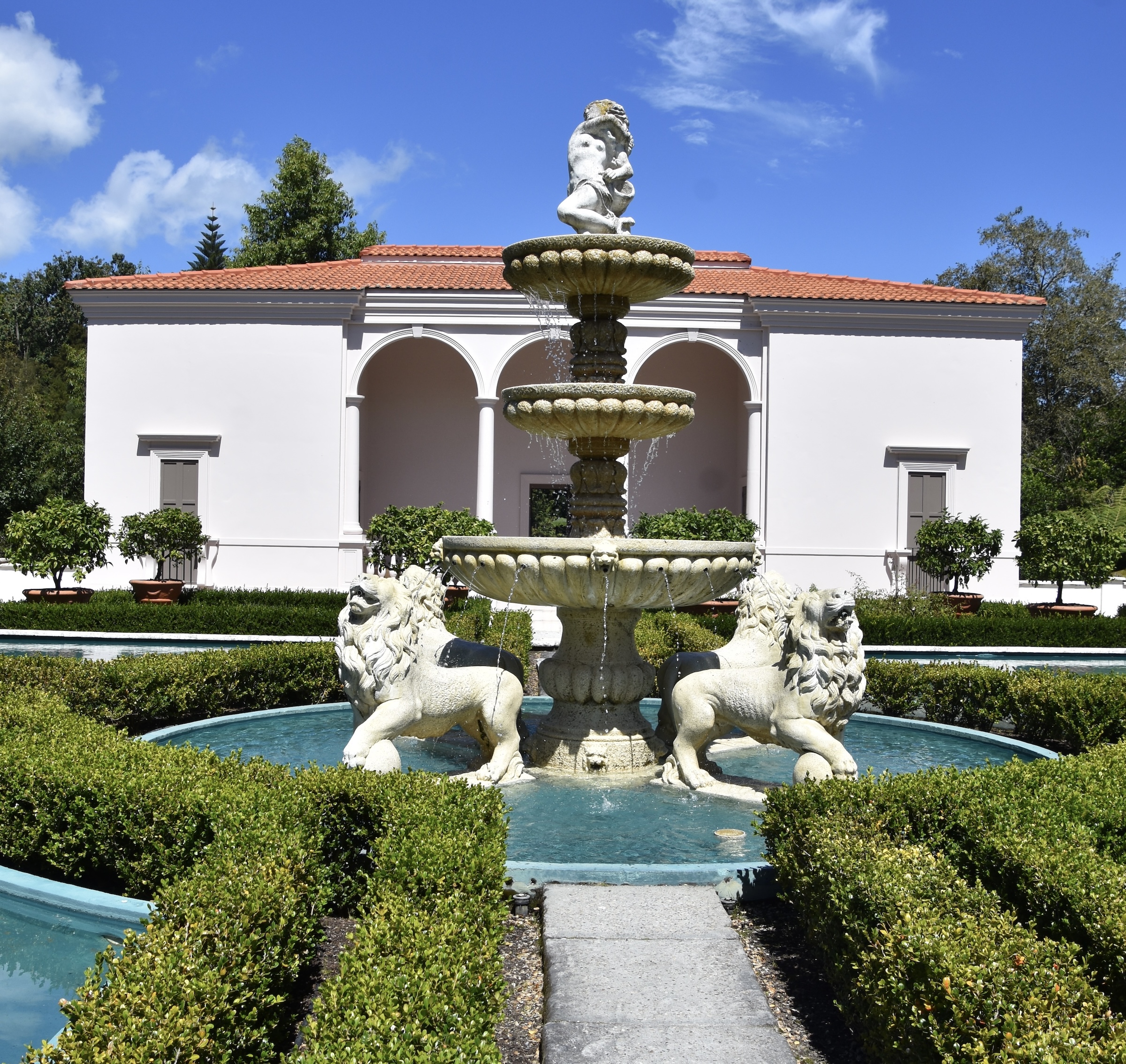
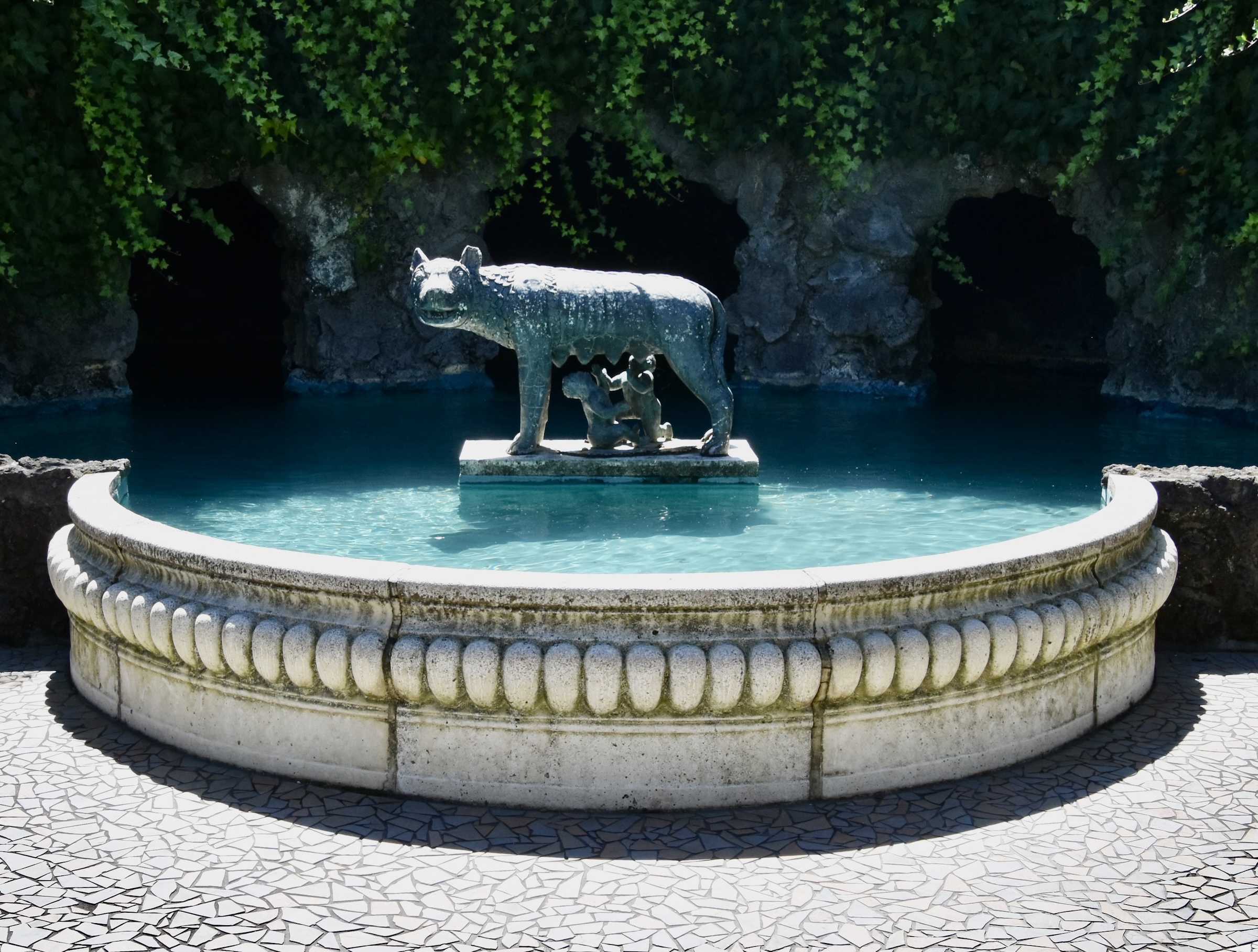
I certainly would have thought I more than got my money’s worth if the entire Hamilton Gardens was just the Paradise district yet there’s much more to come.
Unlike the Paradise gardens the Productive and Fantasy gardens are not grouped into one cohesive formation. Some are connected around one central point like four of the Fantasy gardens branching off from Time Court while others like Te Parapara are almost completely separate and only connected to one other garden, in that case the Renaissance garden. We’ll go there next.
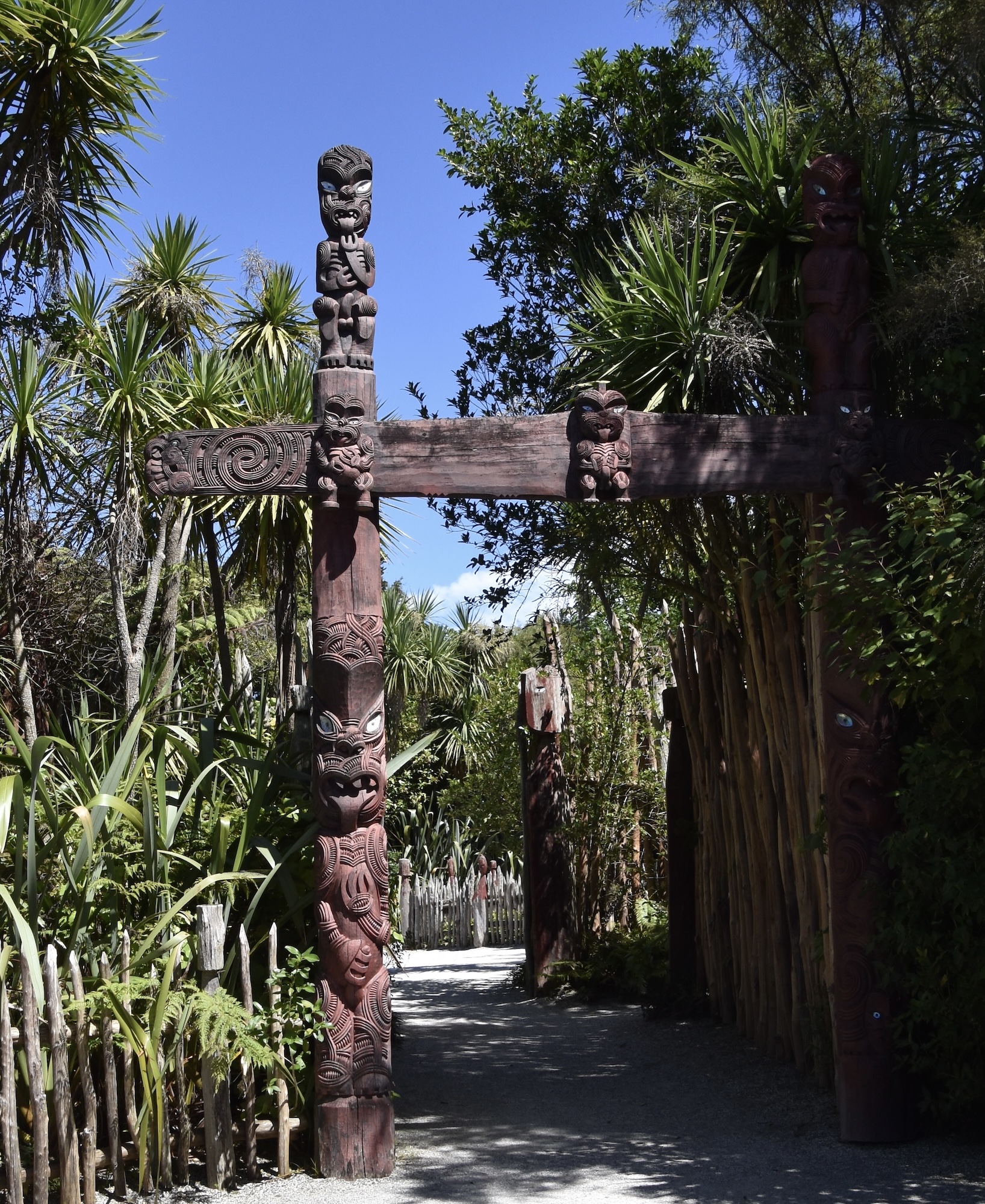
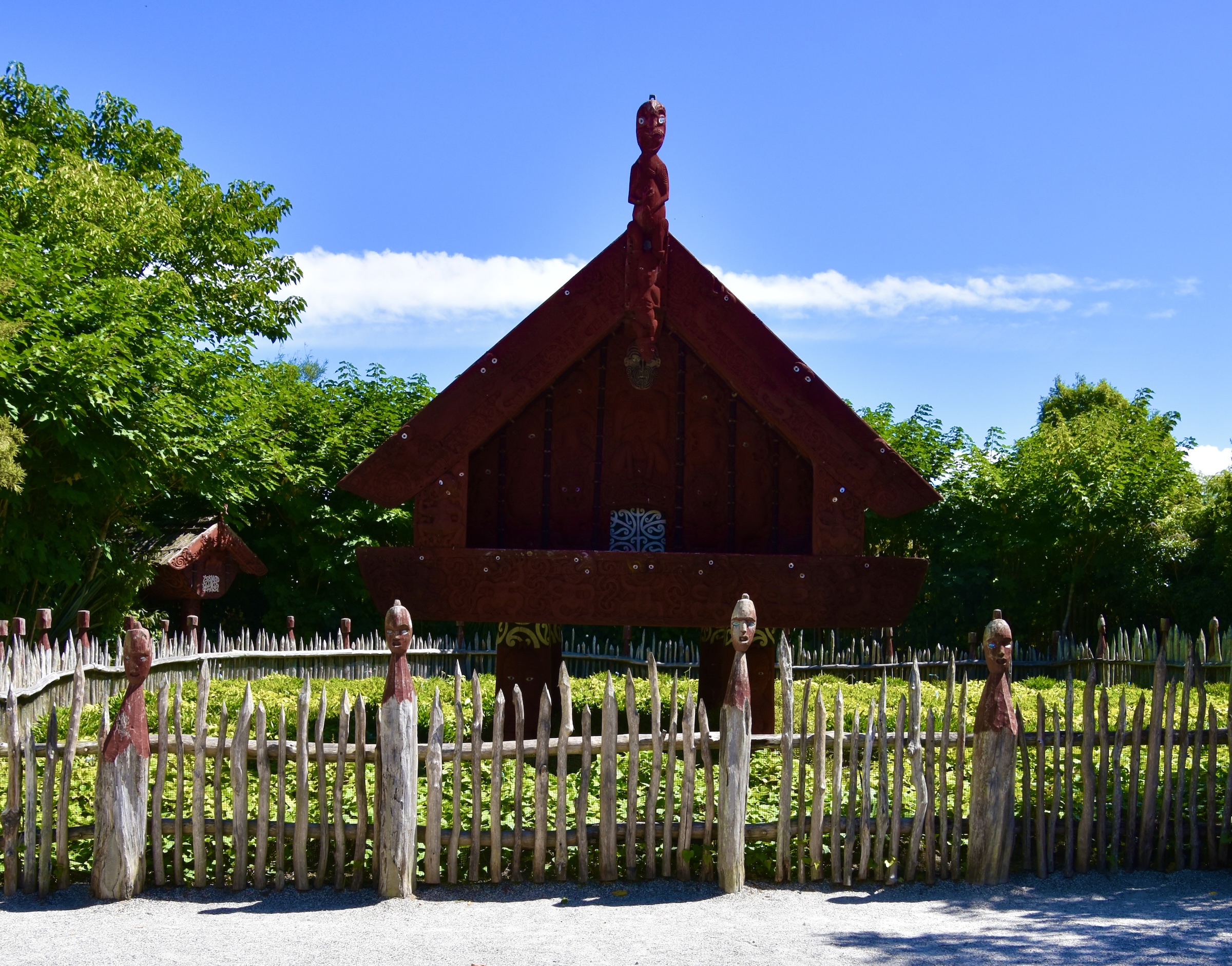
Te Parapara was the name of the Maori settlement on this site before the British invaded the area. There were extensive kumara farms along the banks of the river and this is the only garden in the world that demonstrates growing techniques developed by the Maoris over centuries. BTW kumaras are a sweet potato that originated in Ecuador and the consensus today among scholars is that there had to have been contact between the Polynesians and South America at some point that led to the widespread cultivation of this plant throughout the Polynesian islands.
Next we head to the four Fantasy gardens that surround Time Court, but not before stopping to greet Alice and the Mad Hatter who have taken up residence there along with the white rabbit.
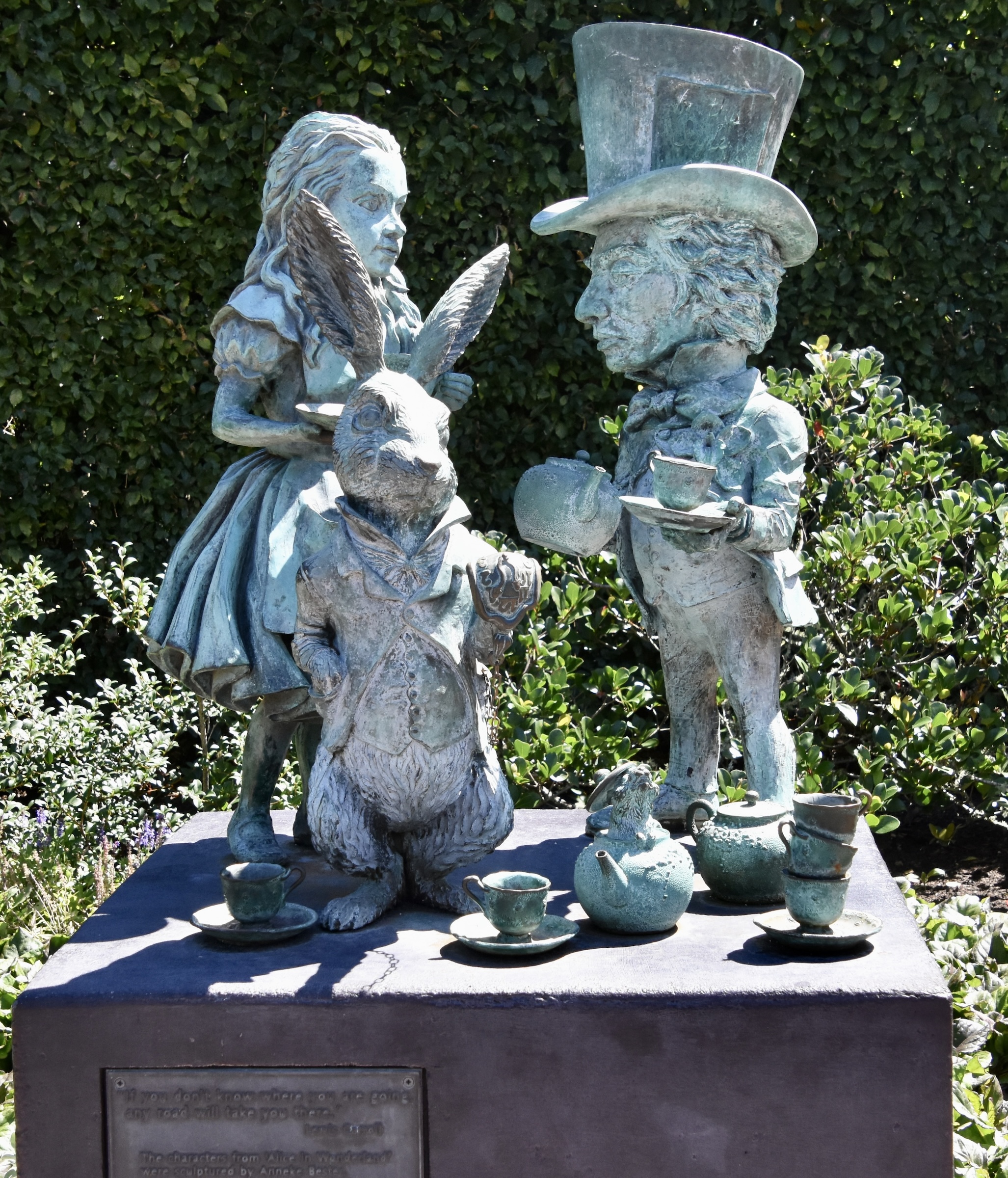
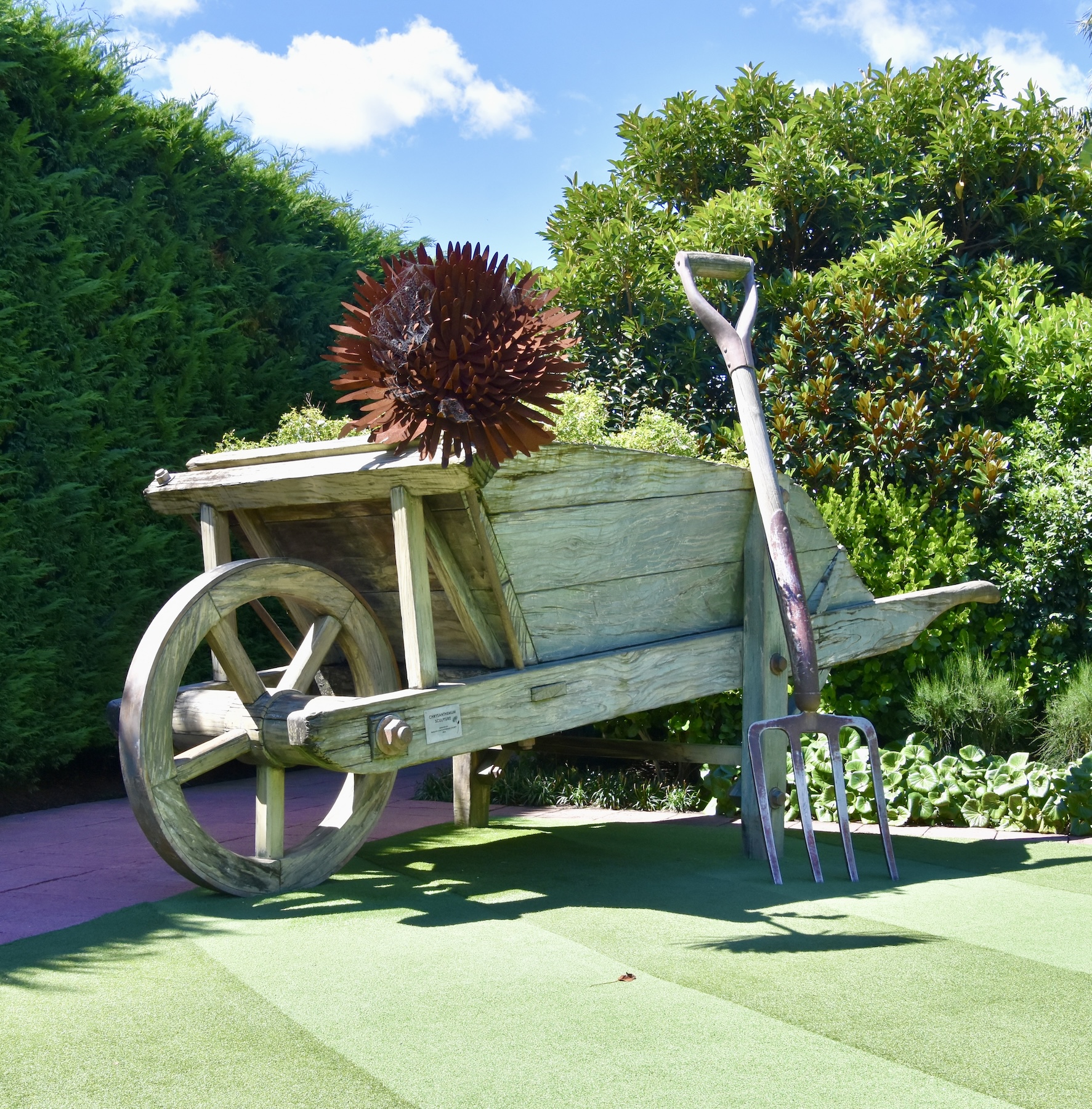
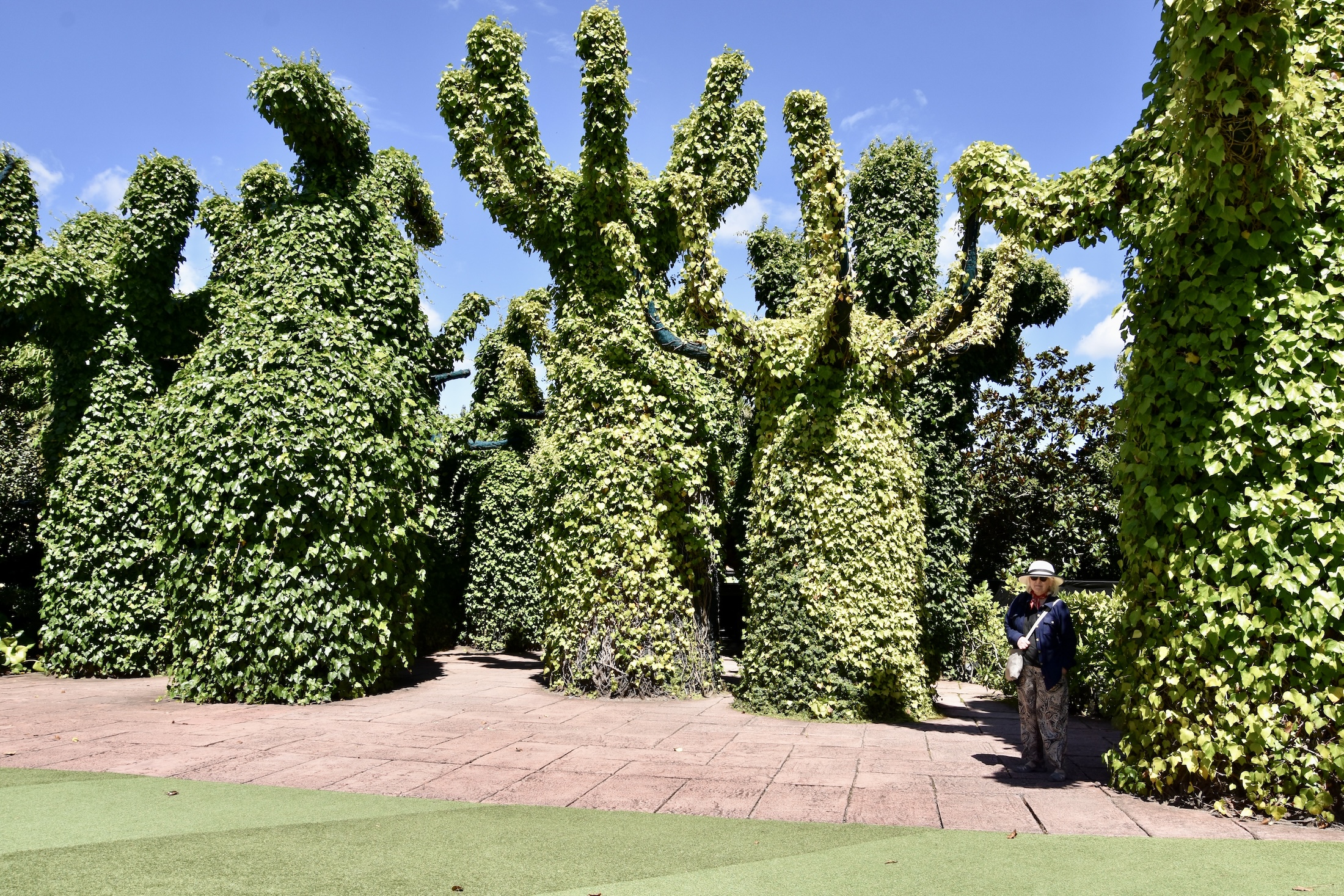
The Surrealist Garden plays into the Alice in Wonderland theme with everything inside five times normal size giving you the feeling that you have somehow shrunk, just like Alice.
The trees here are also weirdly misshapen with the roots seemingly in the air and the trunk upside down. This is definitely a place you won’t forget.
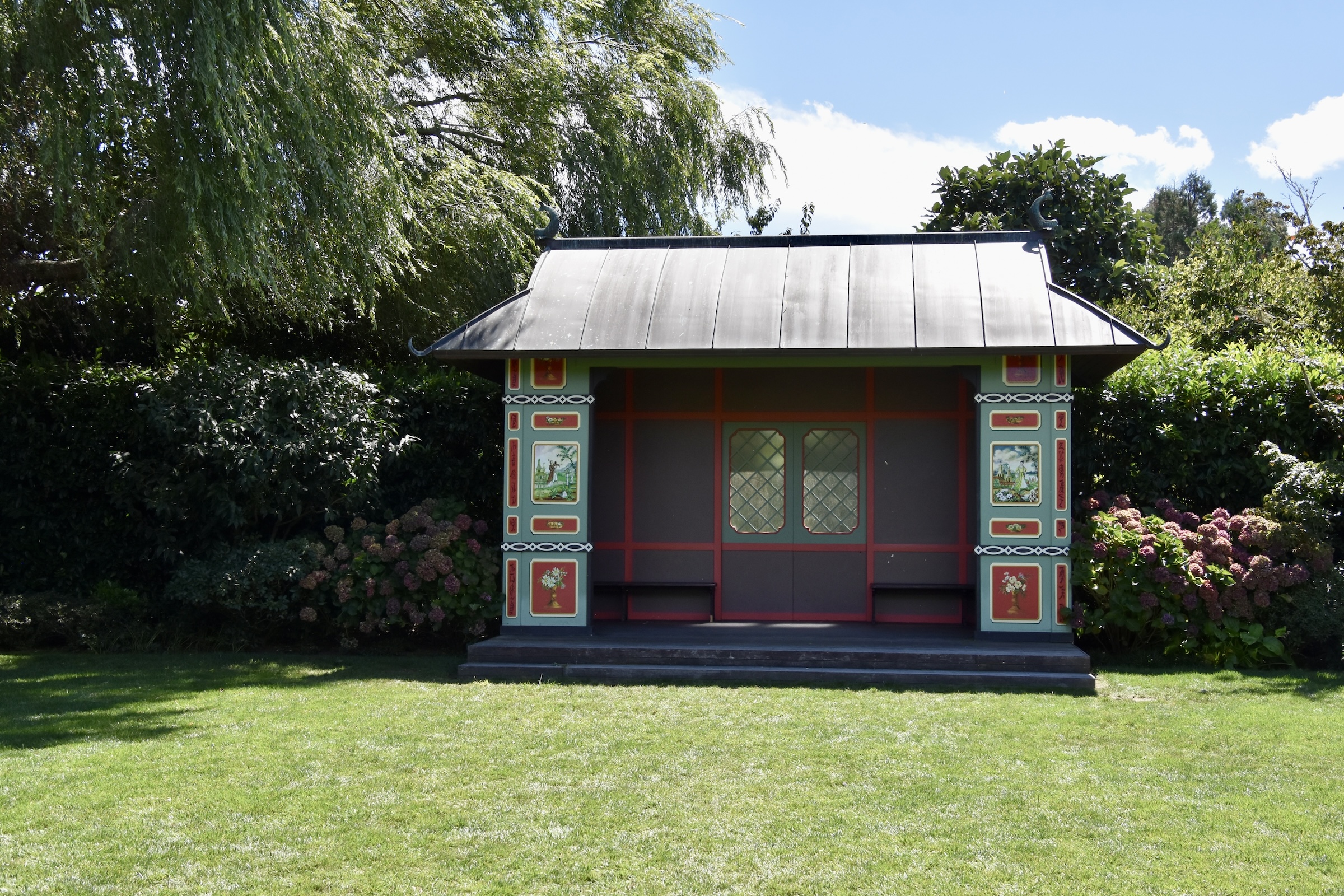
From here we took a quick duck into the Chinoiserie Garden which is based upon the 17th century fascination with all things Chinese. The highlight is this pavilion which is based on one from built it an English garden in 1738.
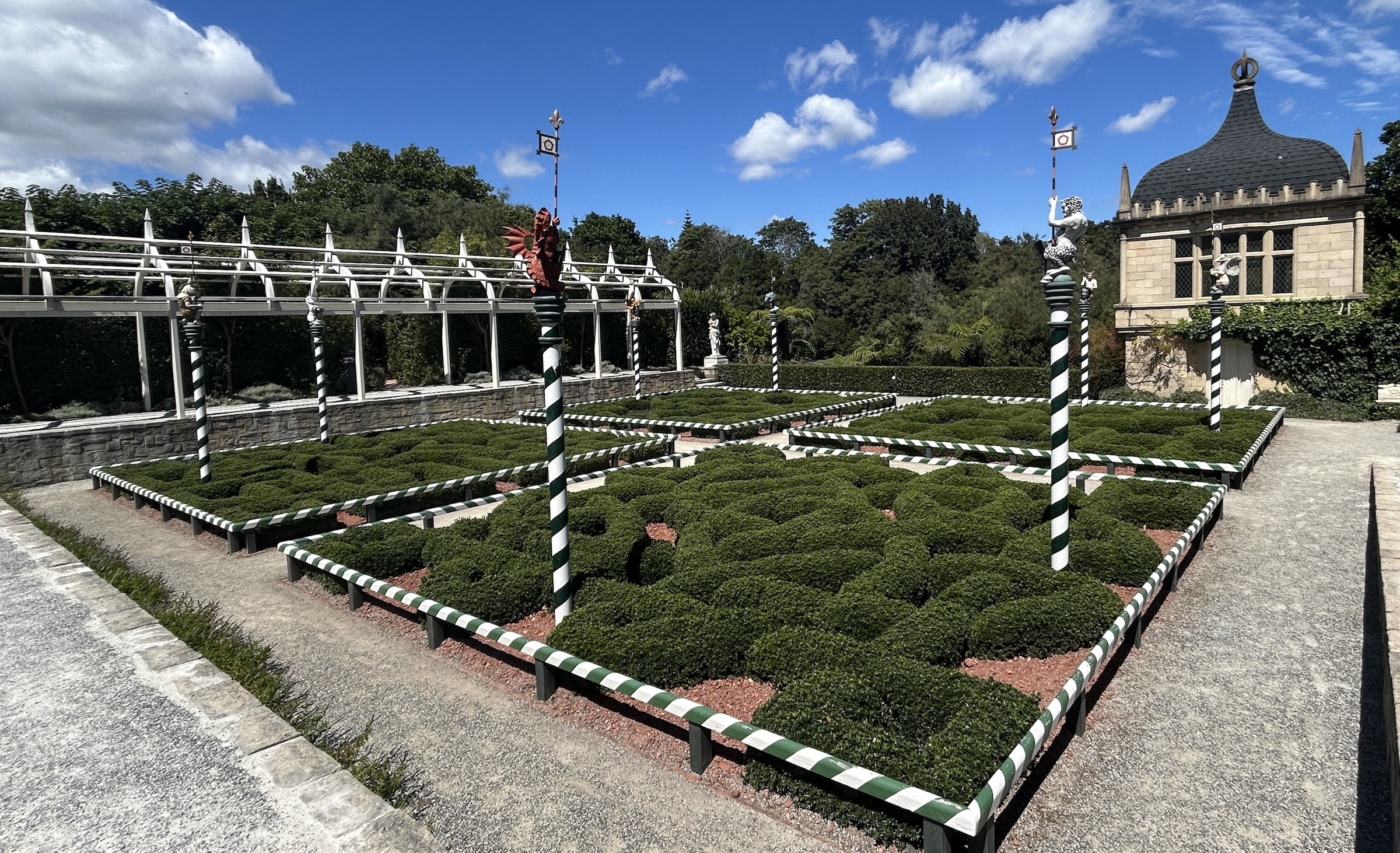
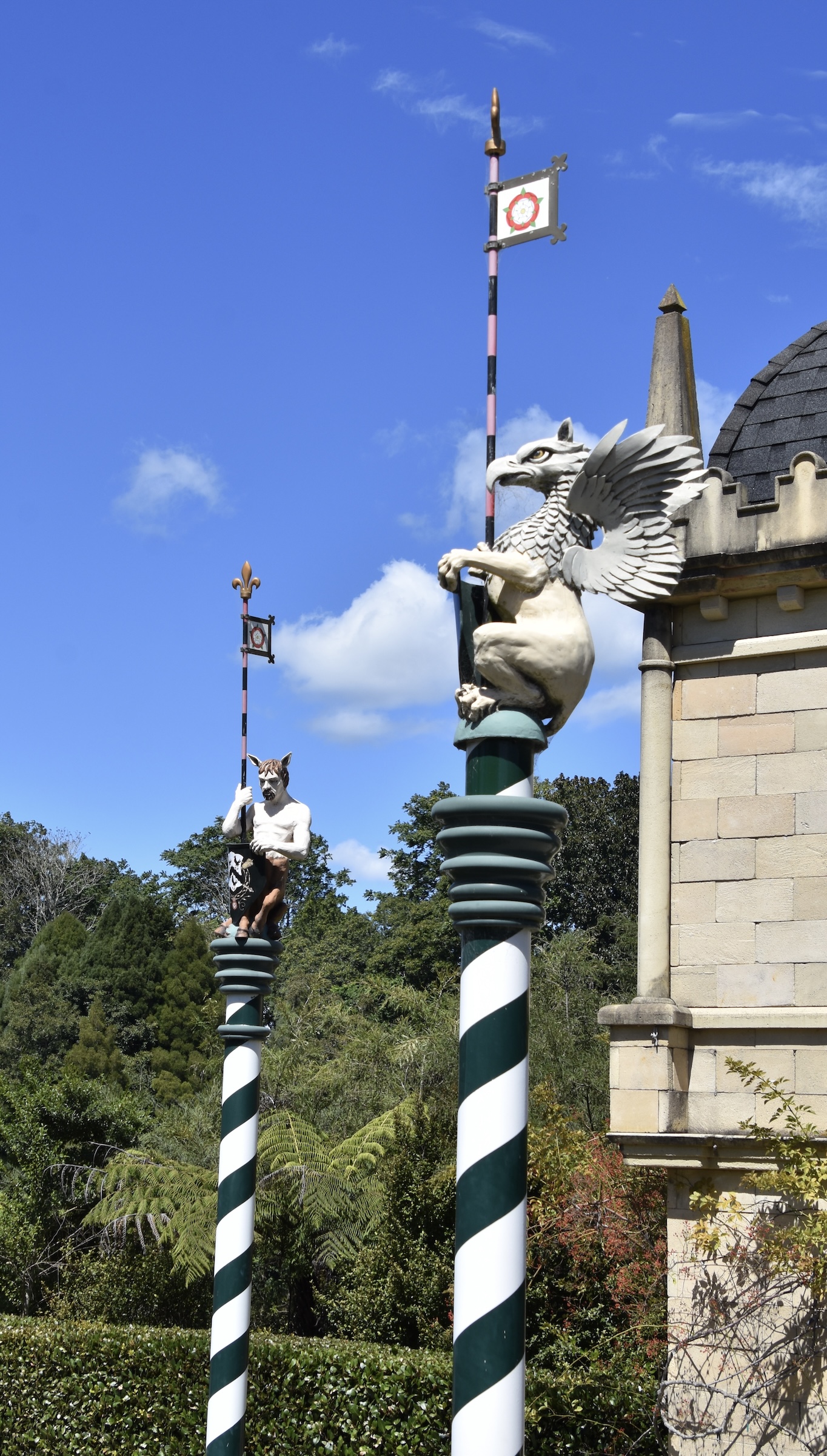
Next up was one of my favourites at Hamilton Gardens, the Tudor Garden which features knot gardens, fantasy beasts and a pudding house, which was another name for a garden pavilion during the reigns of Henry VIII and Elizabeth I.
This is a closer look at a couple of the phantasmagorical figures that surround the Tudor Garden.
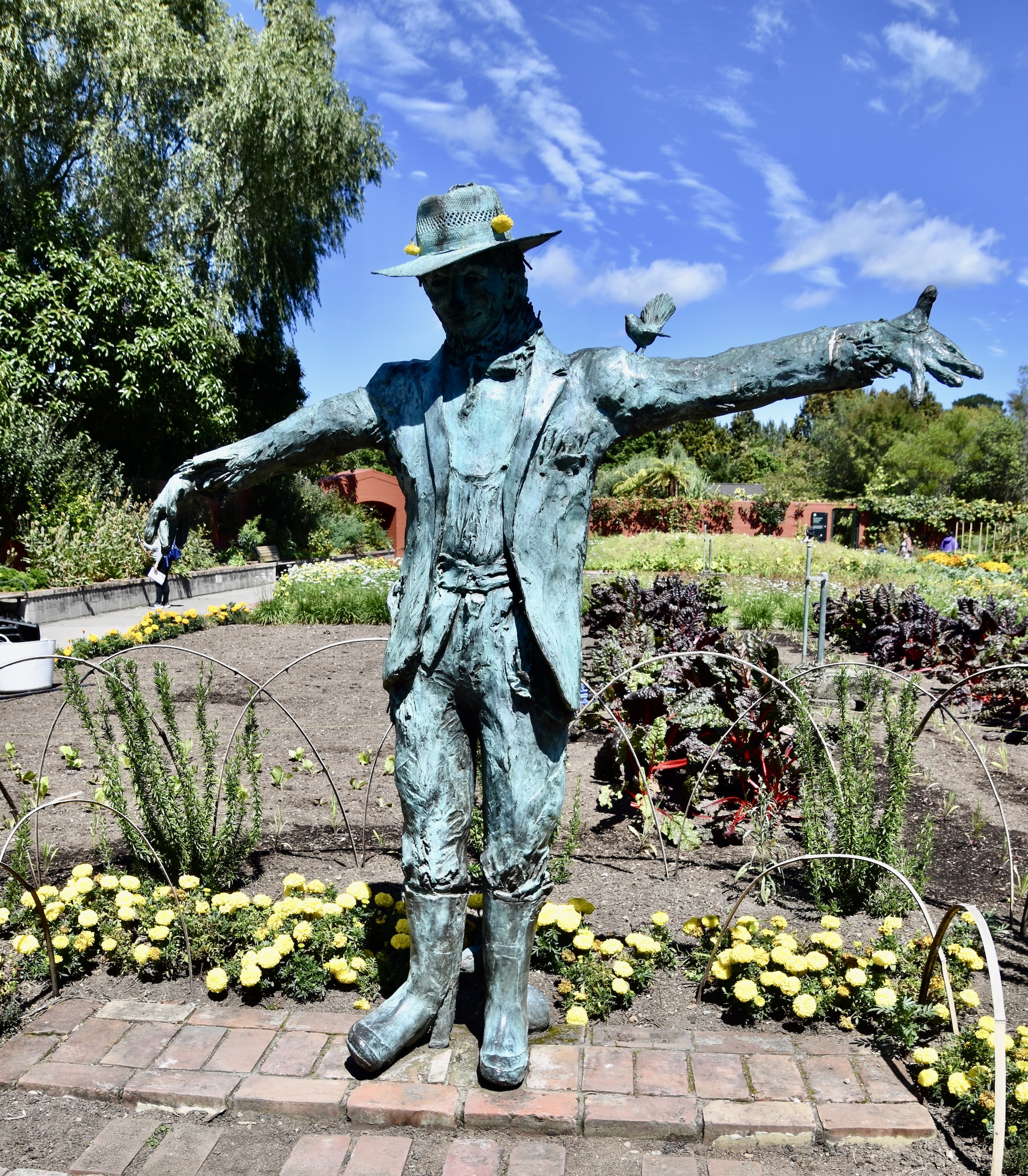
From the Tudor Garden we made our way through a number of the Productive Gardens which are definitely productive, but not that photogenic except for this great looking scarecrow in the Kitchen Garden.
Next up was the Concept Garden which is described as this on the Hamilton Gardens website:
Concept Gardens are a very recent style of garden and draw inspiration from an idea or central theme. Ours explores New Zealand’s relationship with the land in the past, present, and future. The planted grid is inspired by map legends from old school atlases while two whakatauki (Maaori proverbs) ask deeper questions about nature and our attempts to control it.
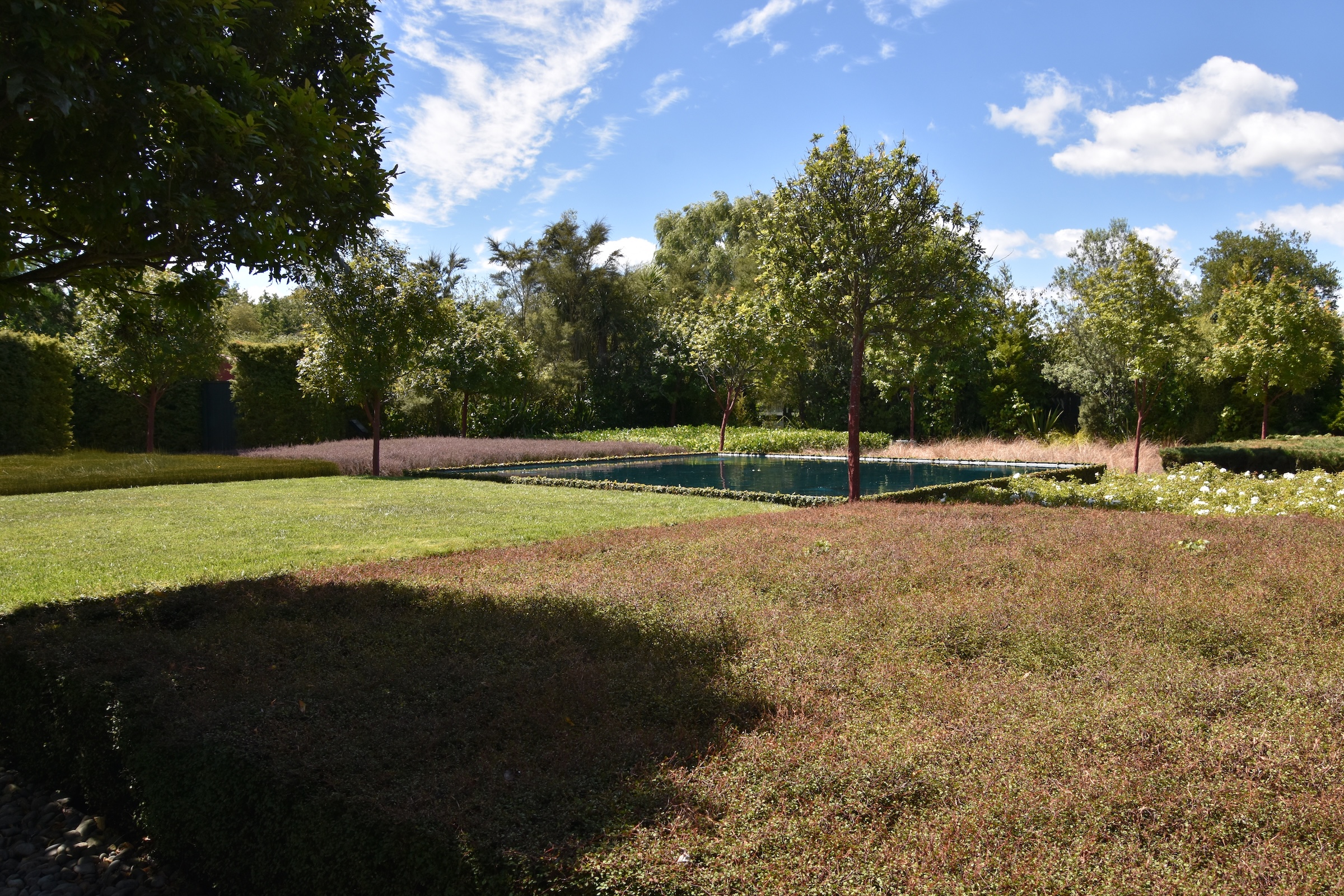
I’ll be honest and say that I really didn’t get the concept and began to wonder if Hamilton Gardens was running out of steam. I couldn’t have been more wrong as there were some real blockbusters coming up starting with the Egyptian Garden.
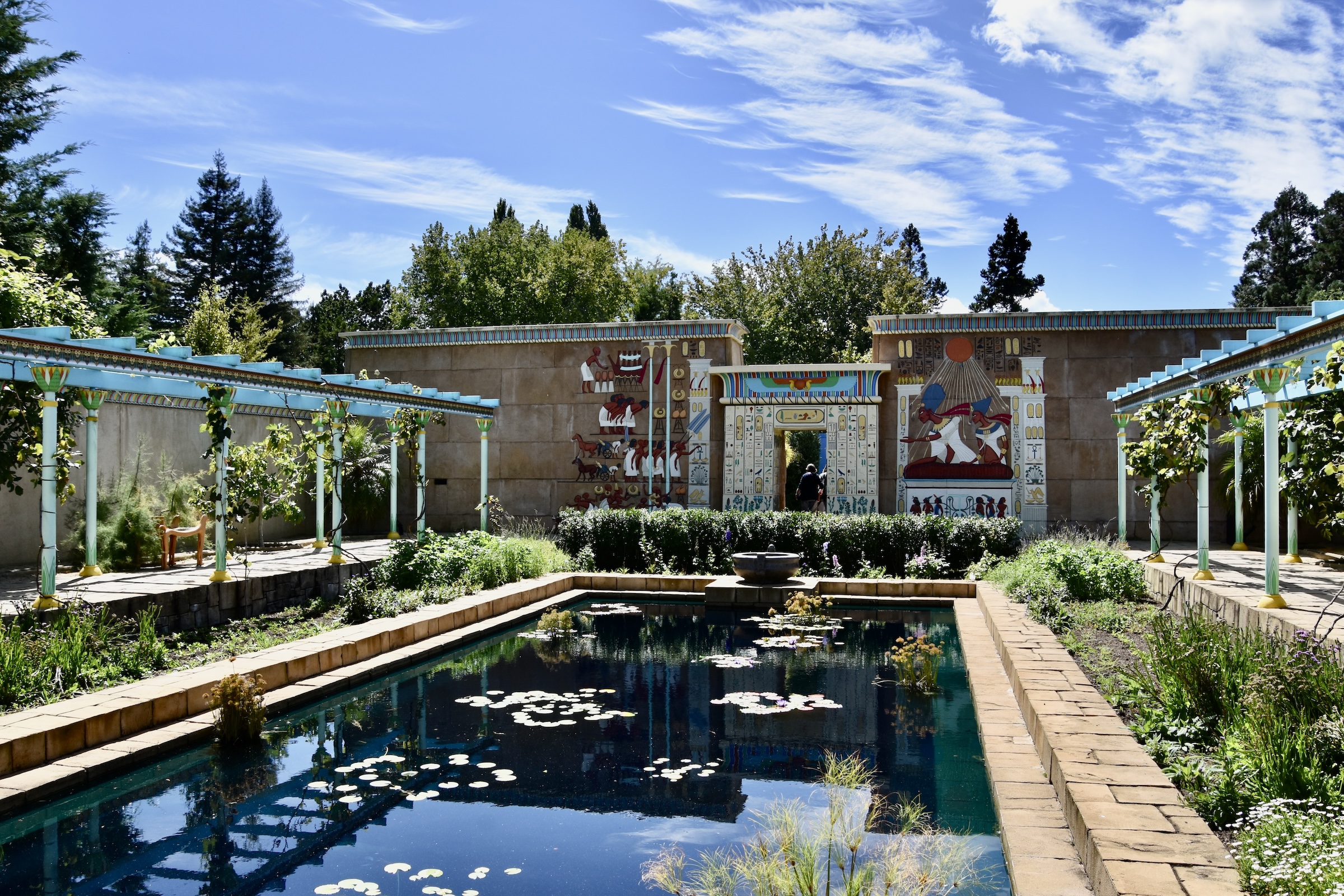
This is the world’s first attempt to accurately replicate a garden that would have been found inside an Egyptian temple 4,000 years ago. This is simply amazing to see in person.
This is what you see as you enter.
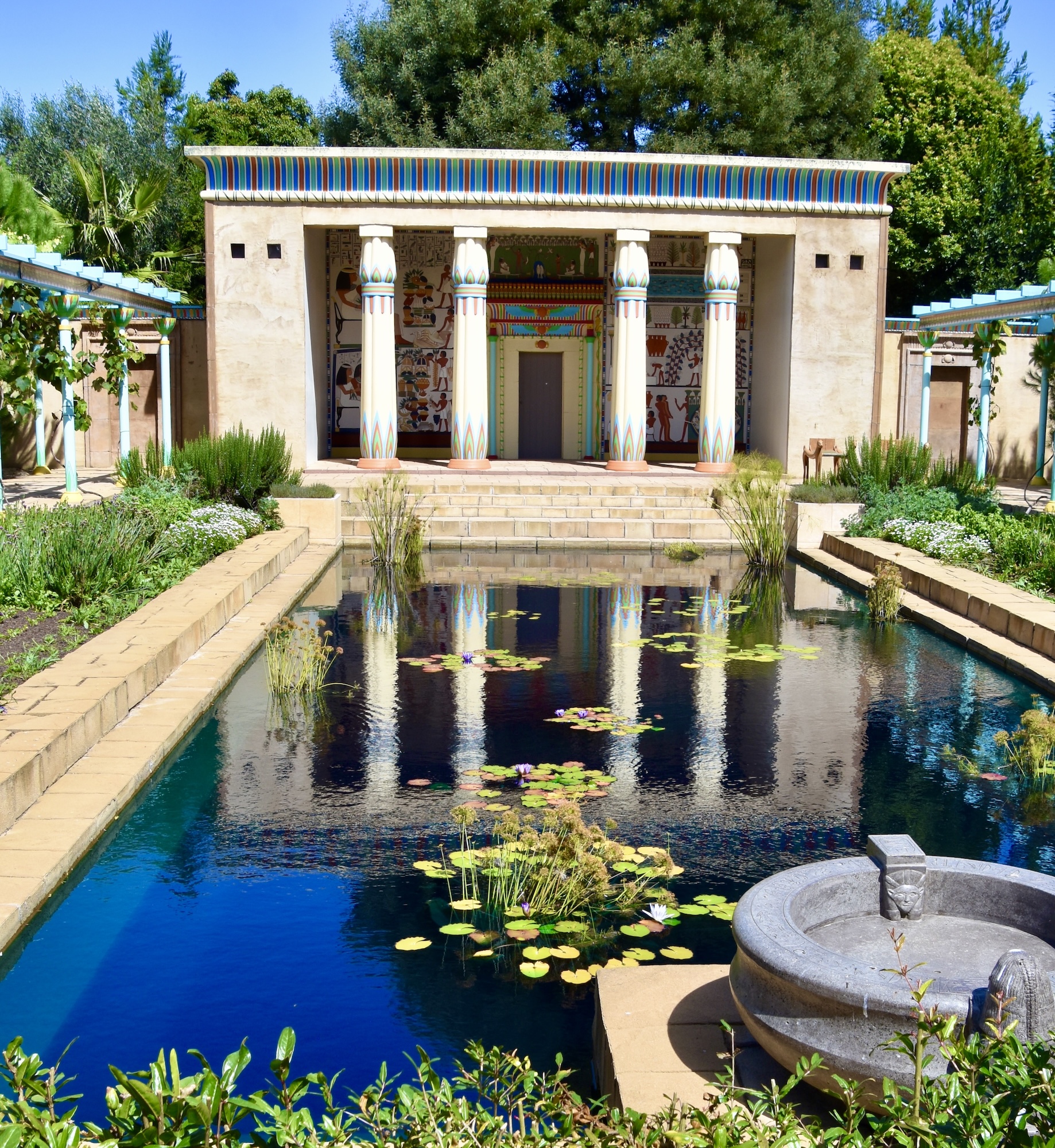
And this is the view looking toward the entrance.
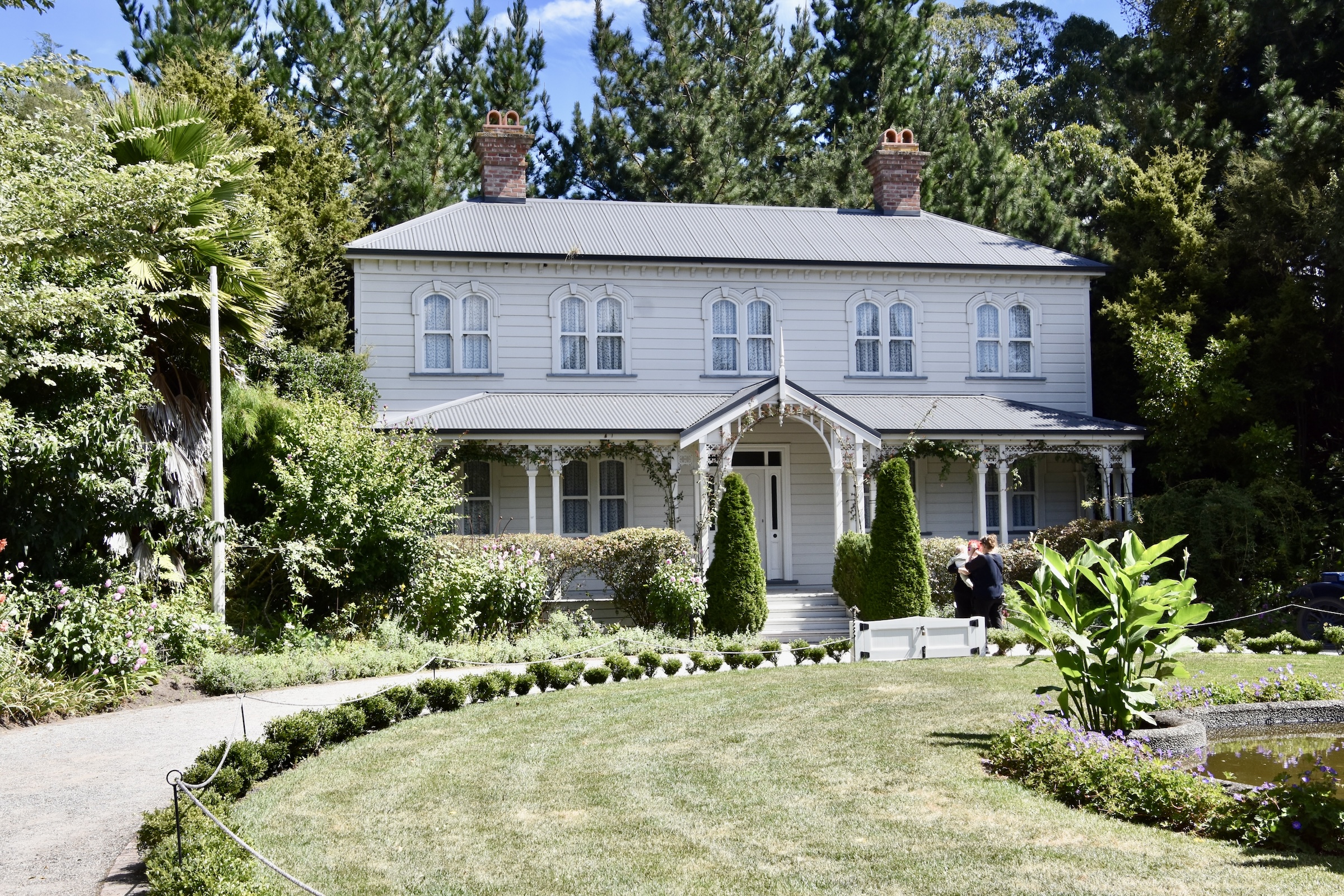
Fast forwarding 4,000 years we come to a recreation of Mansfield House and its garden. This garden is based on the short story ‘The Garden Party’ by New Zealand author Katharine Mansfield
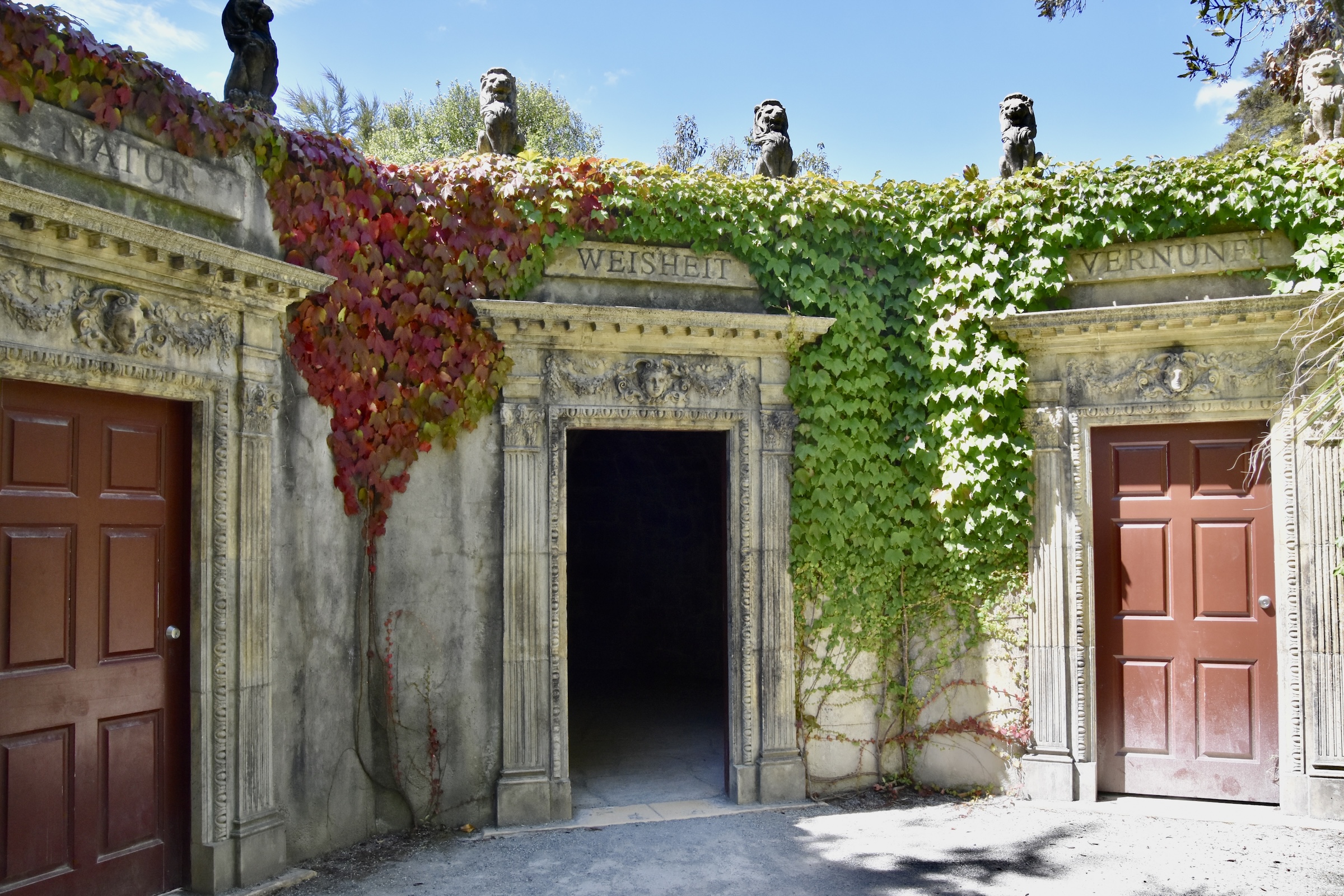
Our final garden visit at Hamilton Gardens is to the Picturesque Garden which features secret symbols and characters from Mozart’s opera ‘The Magic Flute’ and is based on an 18th century theme was was popular at the time.
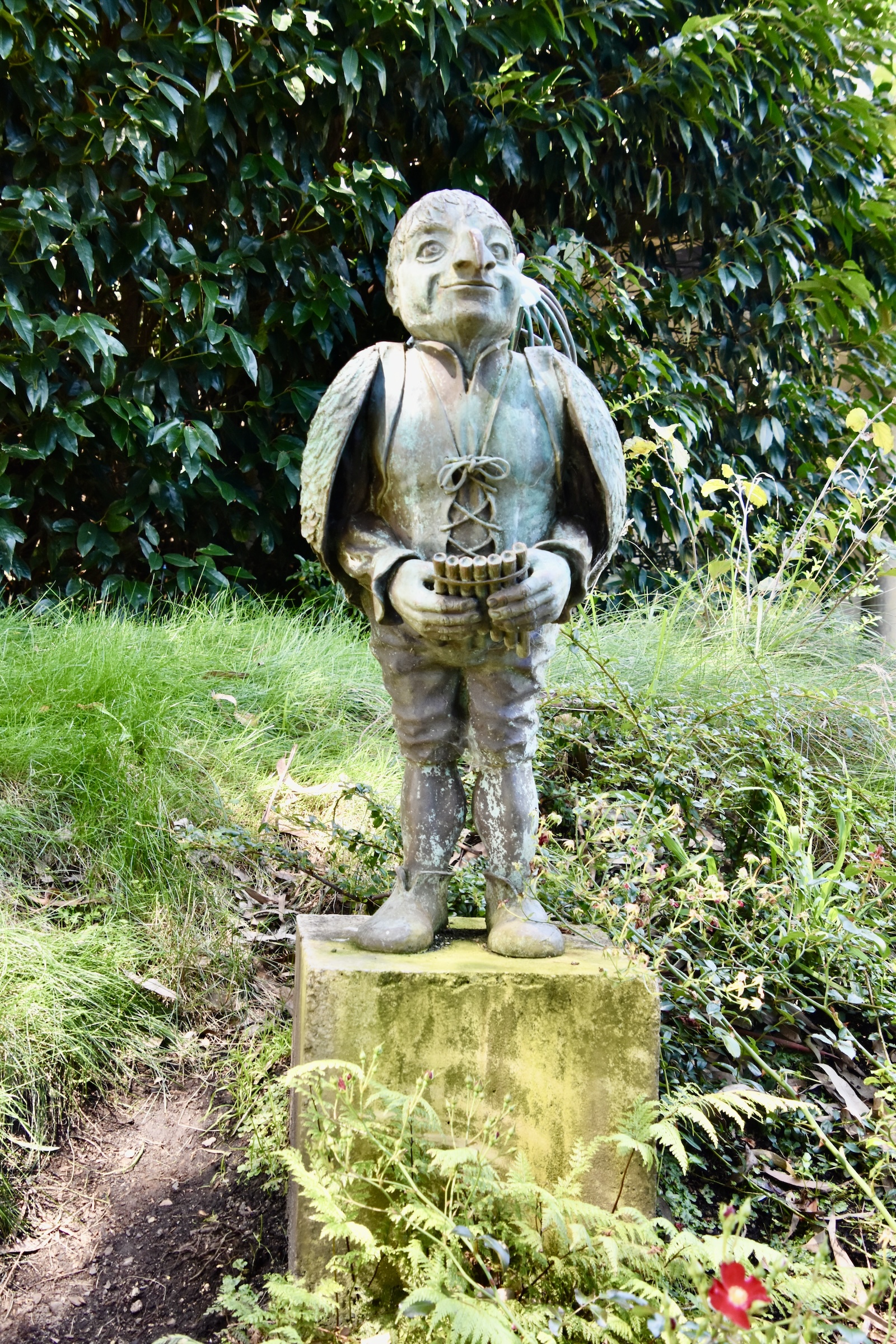
This is Papageno one of the major characters in the opera.
As if these gardens I have described were not enough there are two more to explore in the near future. One, the Medieval Garden is opening soon and the Baroque Garden is listed as under fundraising.
Hamilton Gardens is truly one of the must visit places on the North Island of New Zealand.
In the next post we’ll visit one of New Zealand’s most famous waterfalls Bridal Veil, and then move on to Kapiti Island. I hope you’ll join us.