
Around Cusco – Alpacas and Inca Ruins

In the last post on this Adventures Abroad Kingdoms of the Andes tour we visited the fabled Incan capital city of Cusco where we toured the Plaza Mayor and ran into a carnival parade. It was a real unexpected treat, but there’s a lot more to see in the area so please join Diego, Carlos and the rest of us as we explore the Incan sites around Cusco. But first we’ll make a stop at a local community enterprise where we’ll meet all four members of the South American camelid family.
Manos de la Comunidad
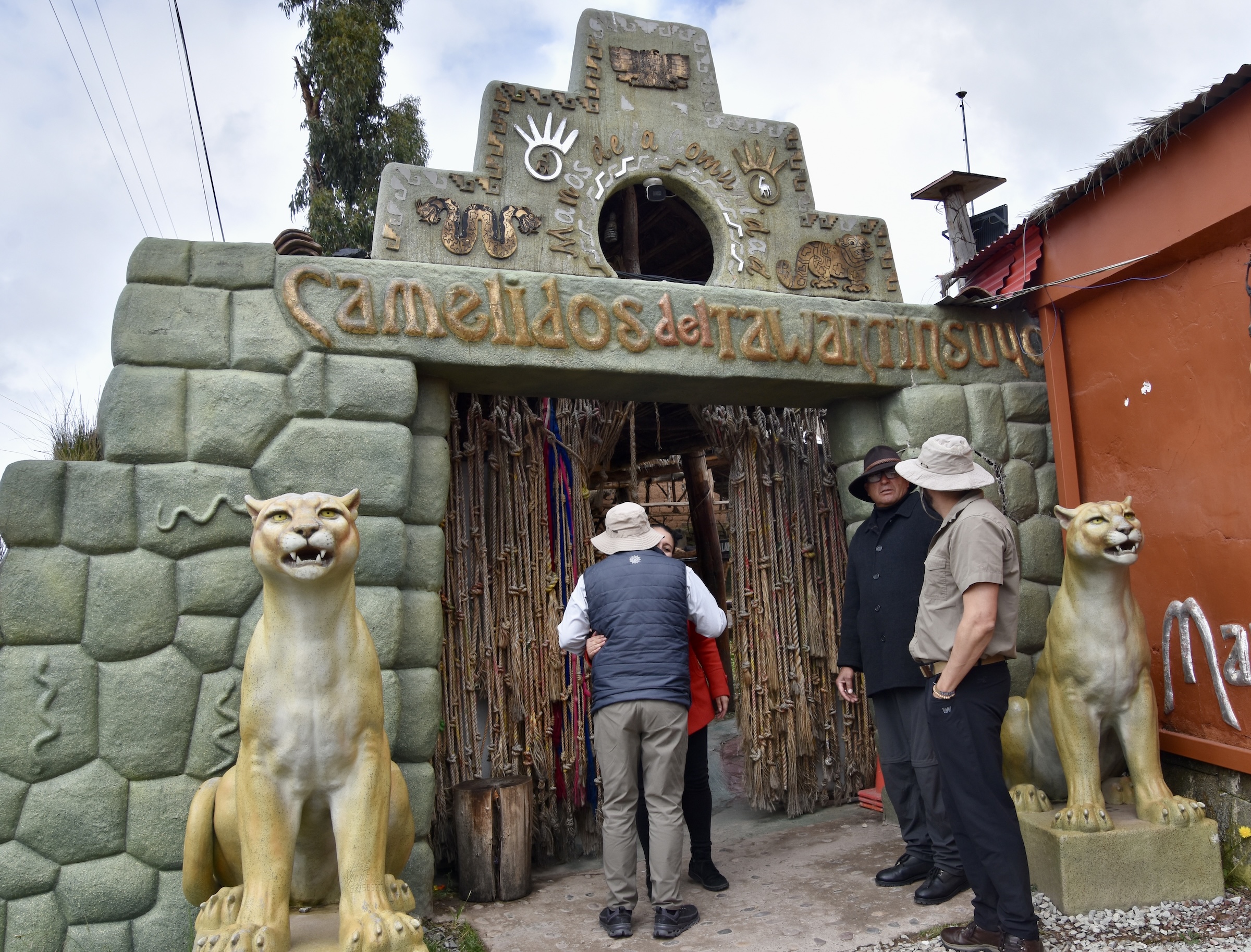
Our first stop of the day around Cusco is at Manos de la Comunidad, a community owned concern that raises alpacas and vicunas for their wool and makes them into some of the finest garments you can find anywhere. However, that is not our main purpose in visiting, although we will check out the wares at the end of our visit. We are primarily here to see and interact with all four species of South American camelids. For those who might not know, there are two domesticated South American camelids, the llama and the alpaca and two that are not domesticated, the vicuna and the guanaco. In my previous travels in South America I have seen vicunas in the wild in Ecuador and guanacos in Patagonian Chile.
In the photo above Carlos and Diego are being welcomed by the commune managers.
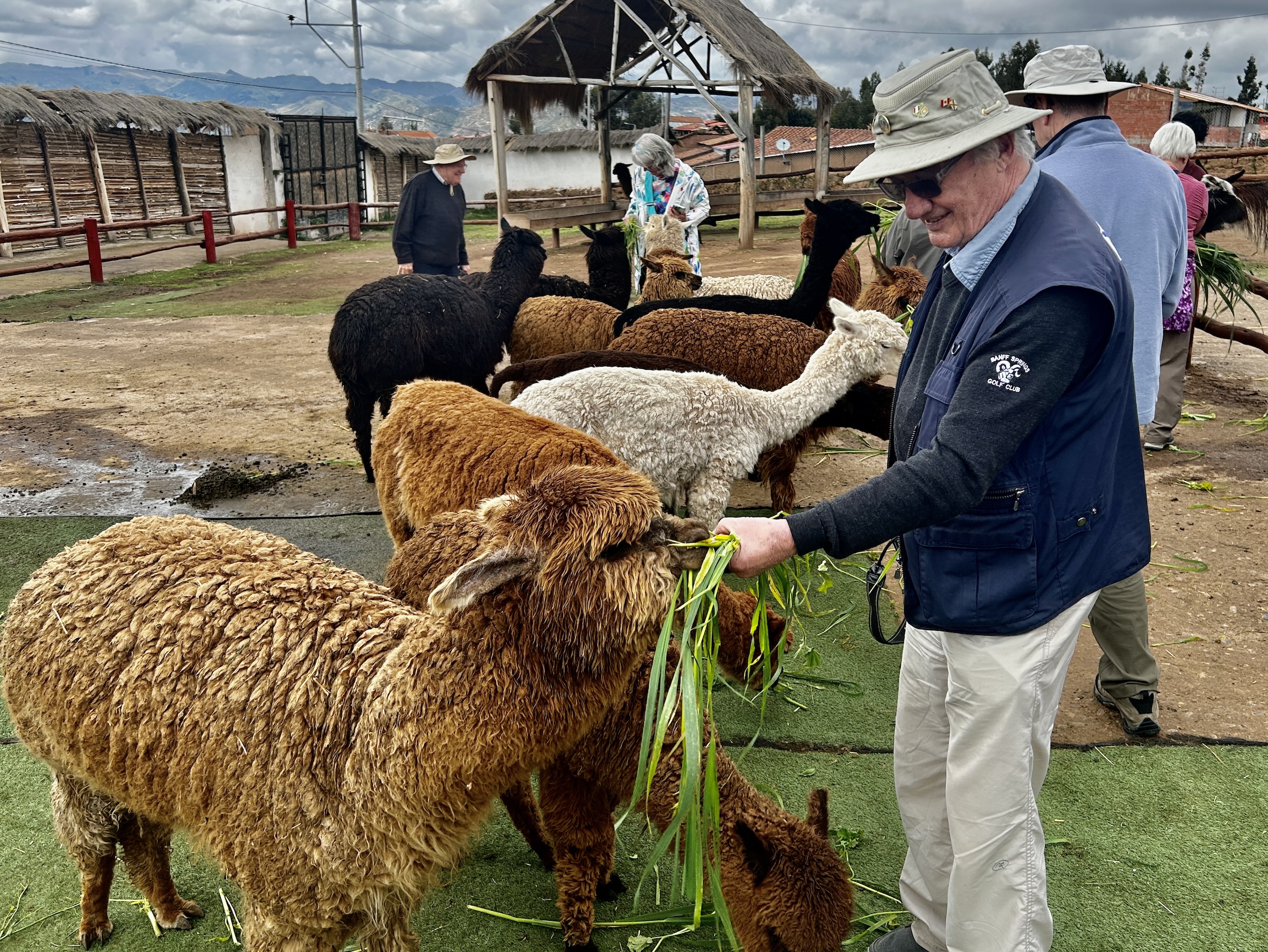
Today’s visit starts with a tour of the llama and alpaca corrals where they are happy to see us because we are bringing treats.
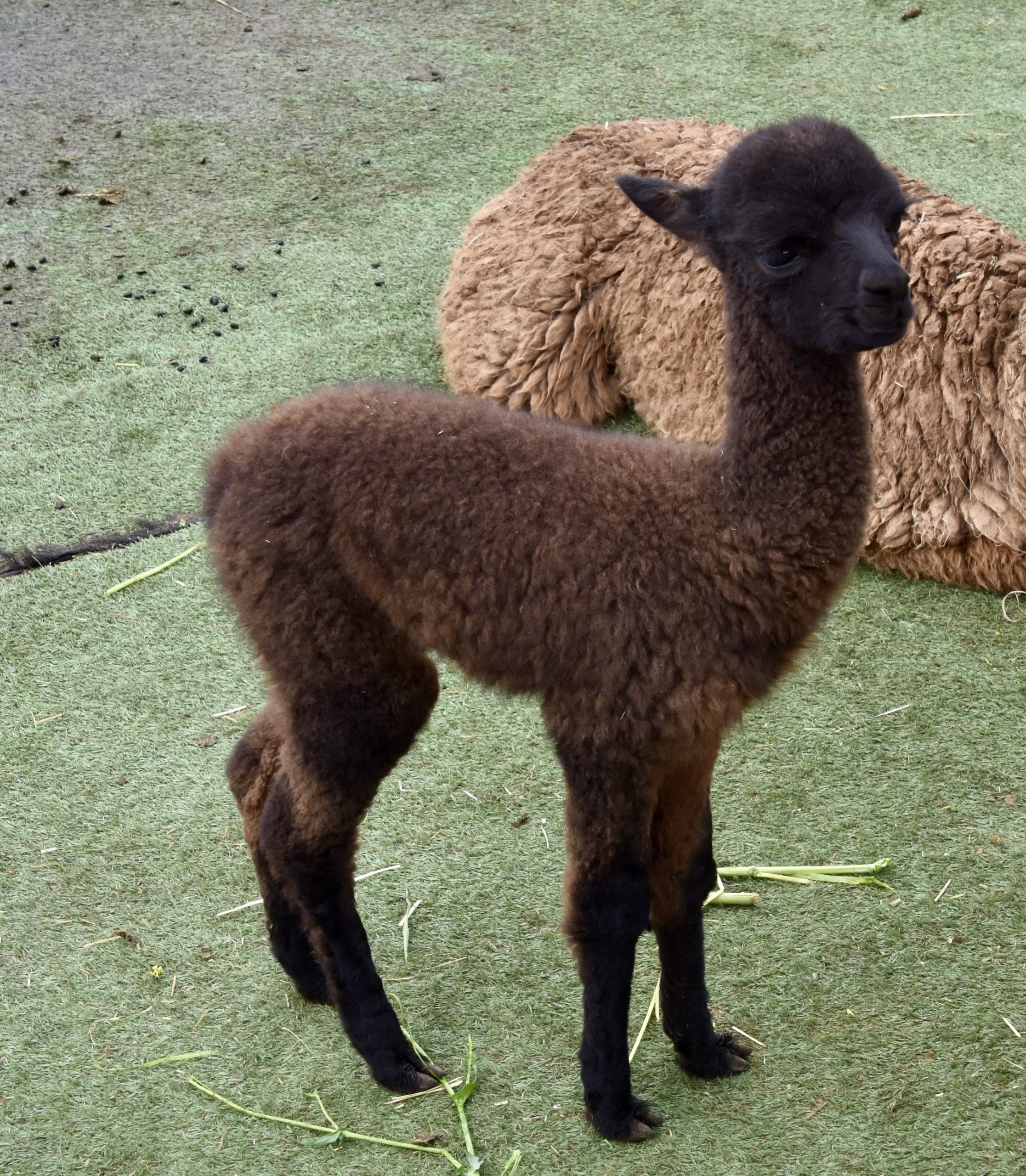
If there’s any animal that’s cuter than a baby alpaca please let me know, because this little guy is adorable.
The llamas and alpacas come in a great variety of sizes and hair styles. Here is a gallery of just a few. Double click to open a photo and double click again to enlarge.
-
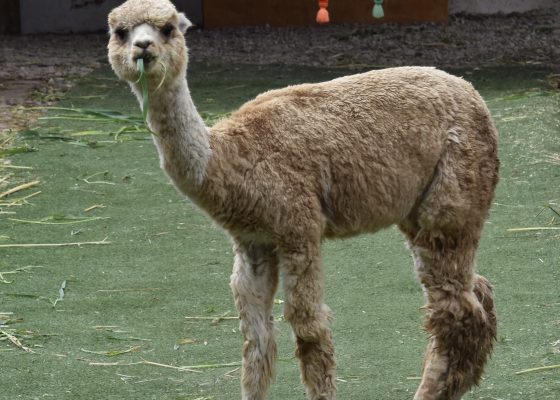
- Curious Alpaca
-
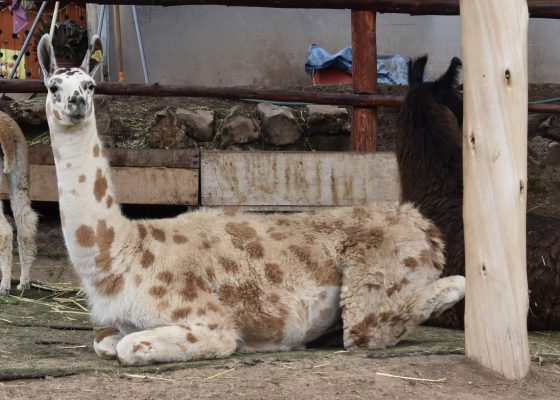
- Giant Llama
-
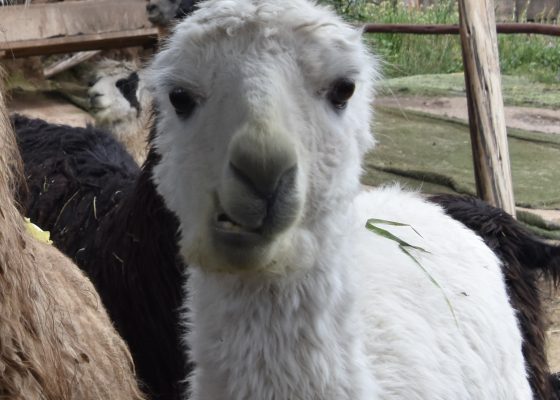
- Eye to Eye
-
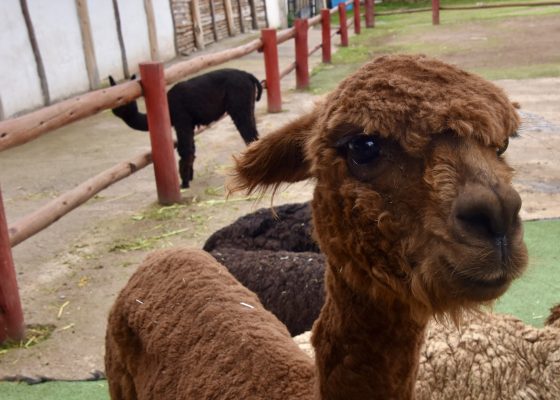
- Hello
-
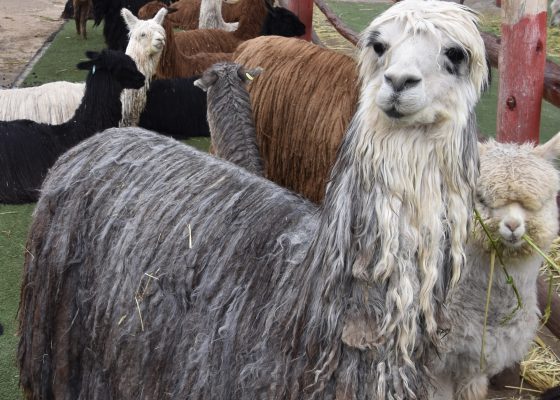
- Shaggy Alpaca
-
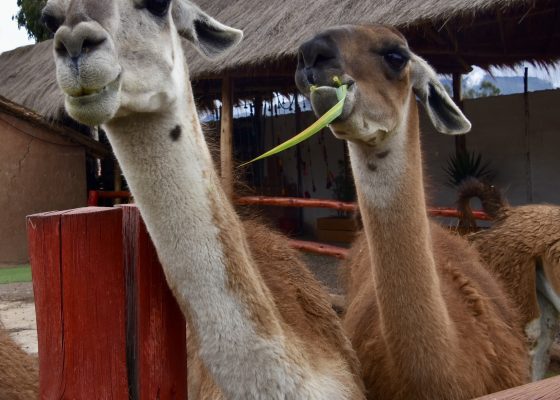
- What’s Up
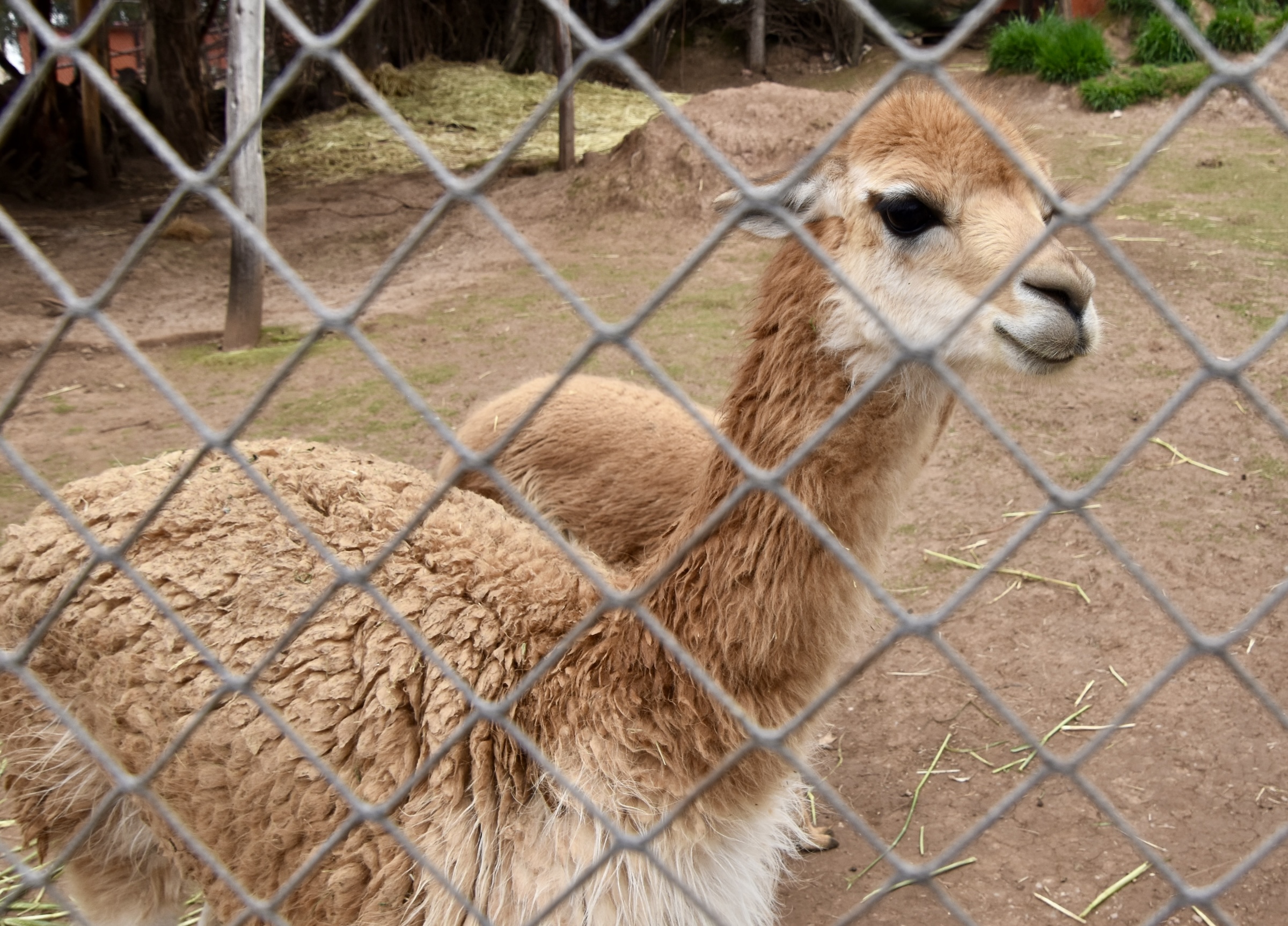
We also get to see a vicuna which is behind a fence because, despite their peaceful appearance, they are likely to spit at you and even bite if you get too close. Vicunas have the finest natural animal fiber in the world and are sheared in the wild once every two years. Not surprisingly, garments made from vicuna wool are ultra expensive.
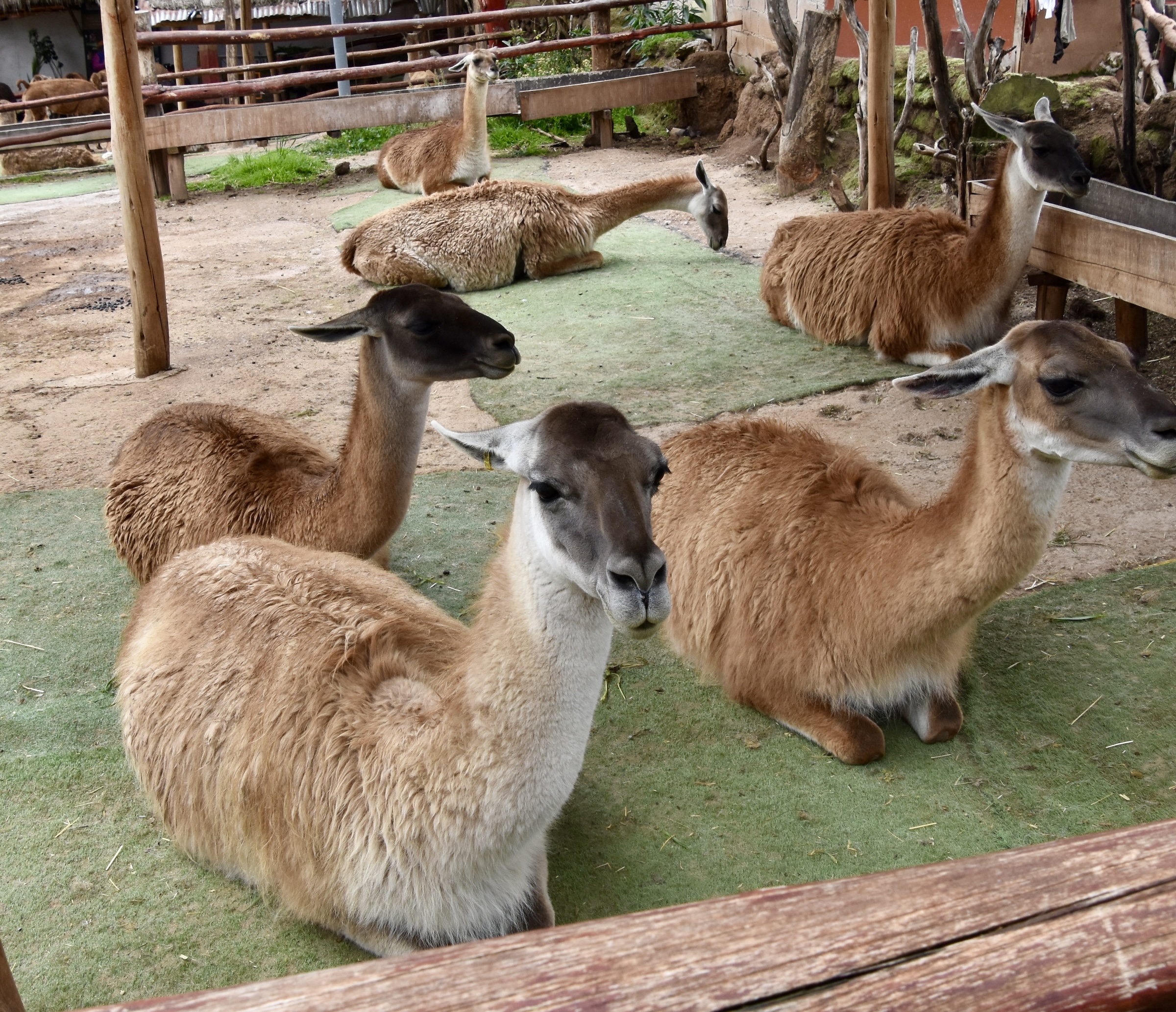
Largest of the camelids is the guanaco which also has very fine hair and is rounded up from the wild like the vicunas, sheared and released back into their natural habitat. However the guanacos at Manos de la Cominudad seem quite content to remain in captivity where they are safe from their only predator, the mountain lion.
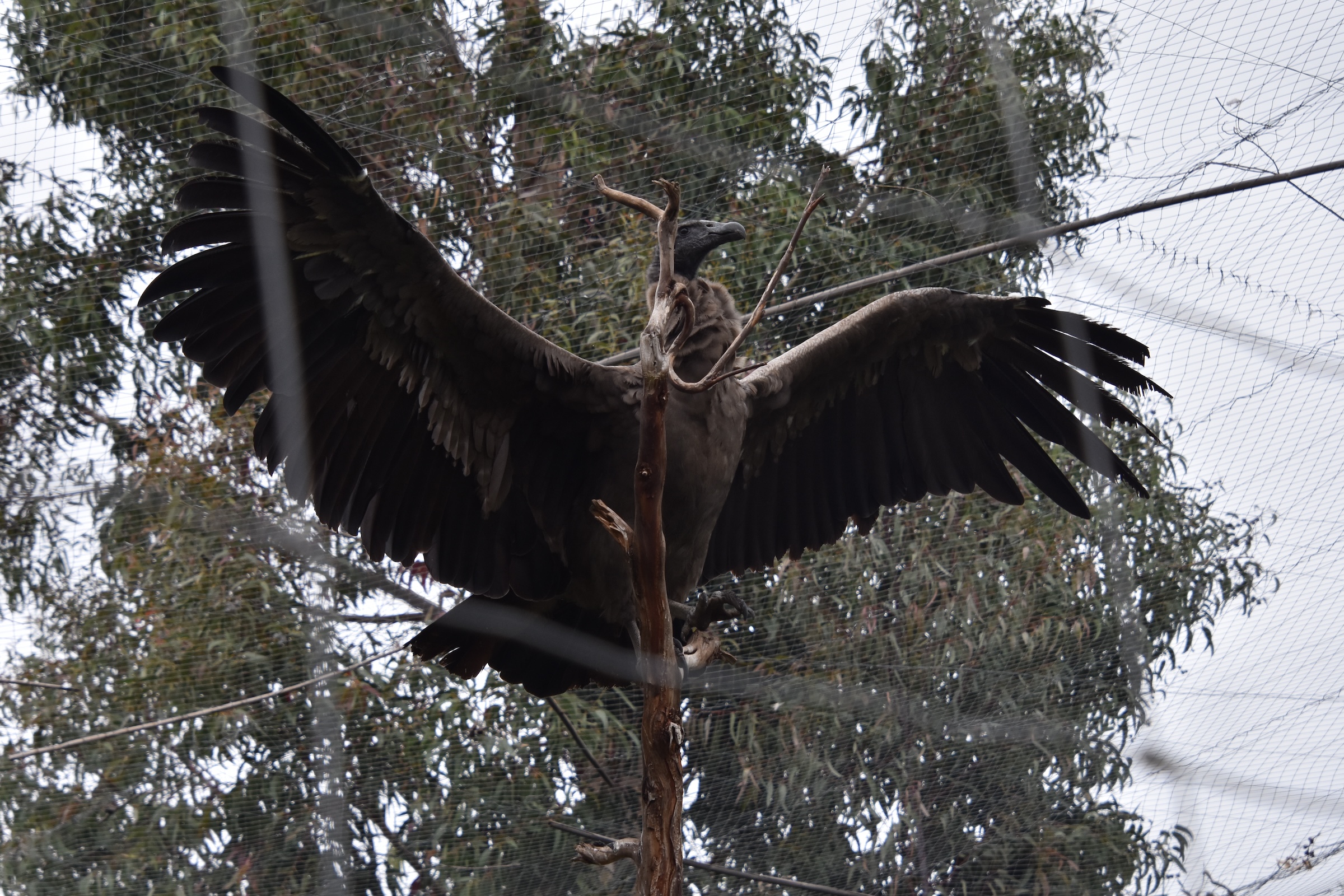
The final animal we meet is the Andean condor, of which there are less than 7,000 in the wild. Manos de la Comindad has a couple that have been injured and won’t return to soar over the Andes again. They have a wingspan of over 10 feet and can live up to 80 years in captivity.
The primary purpose of the Manos de la Comunidad is to create employment for local craftswomen who make some of the planet’s finest garments from the wool of the animals raised here.
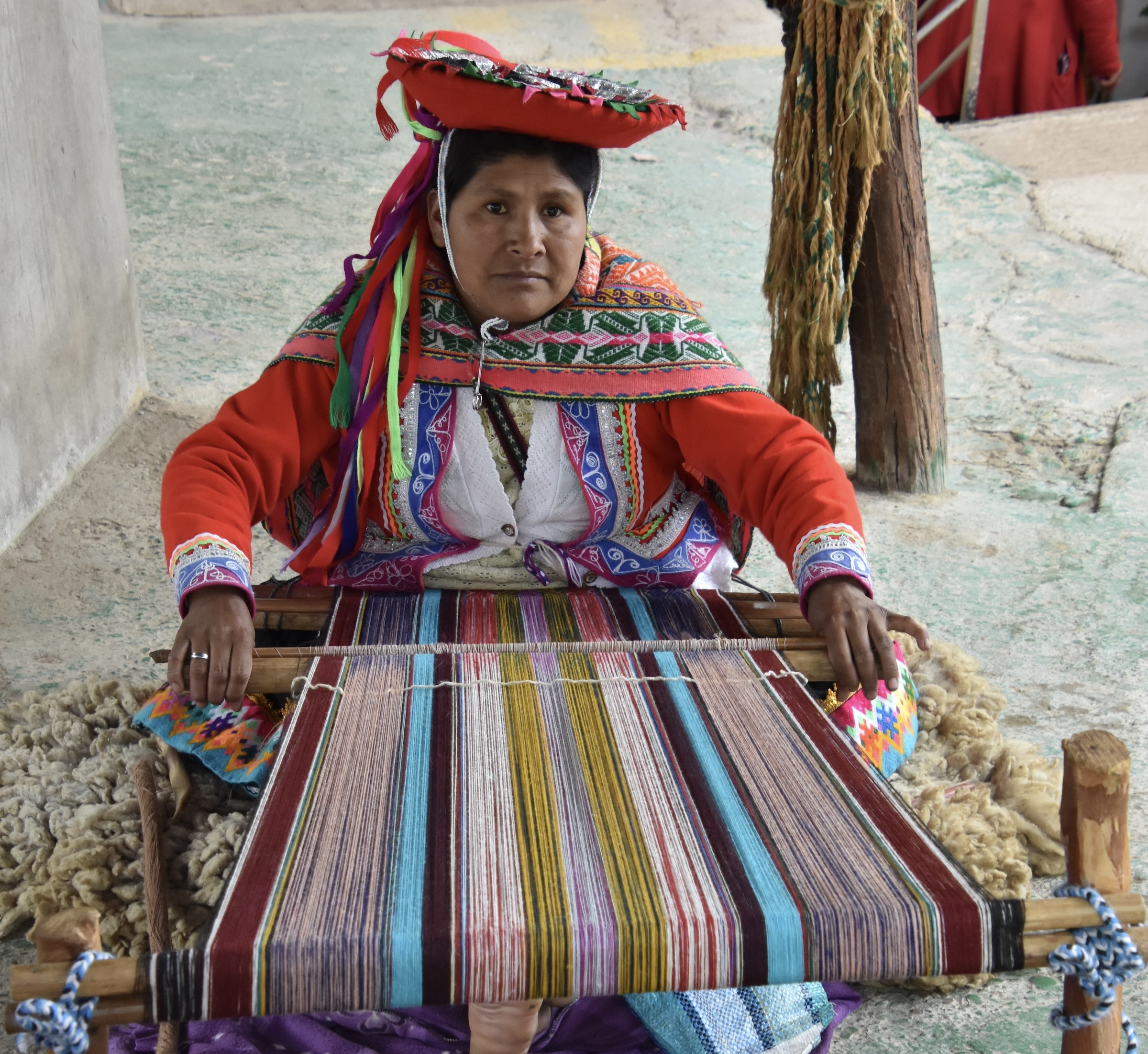
As shown above, the method of production is traditional and time consuming, but the final products are works of art that will last for centuries if properly cared for.
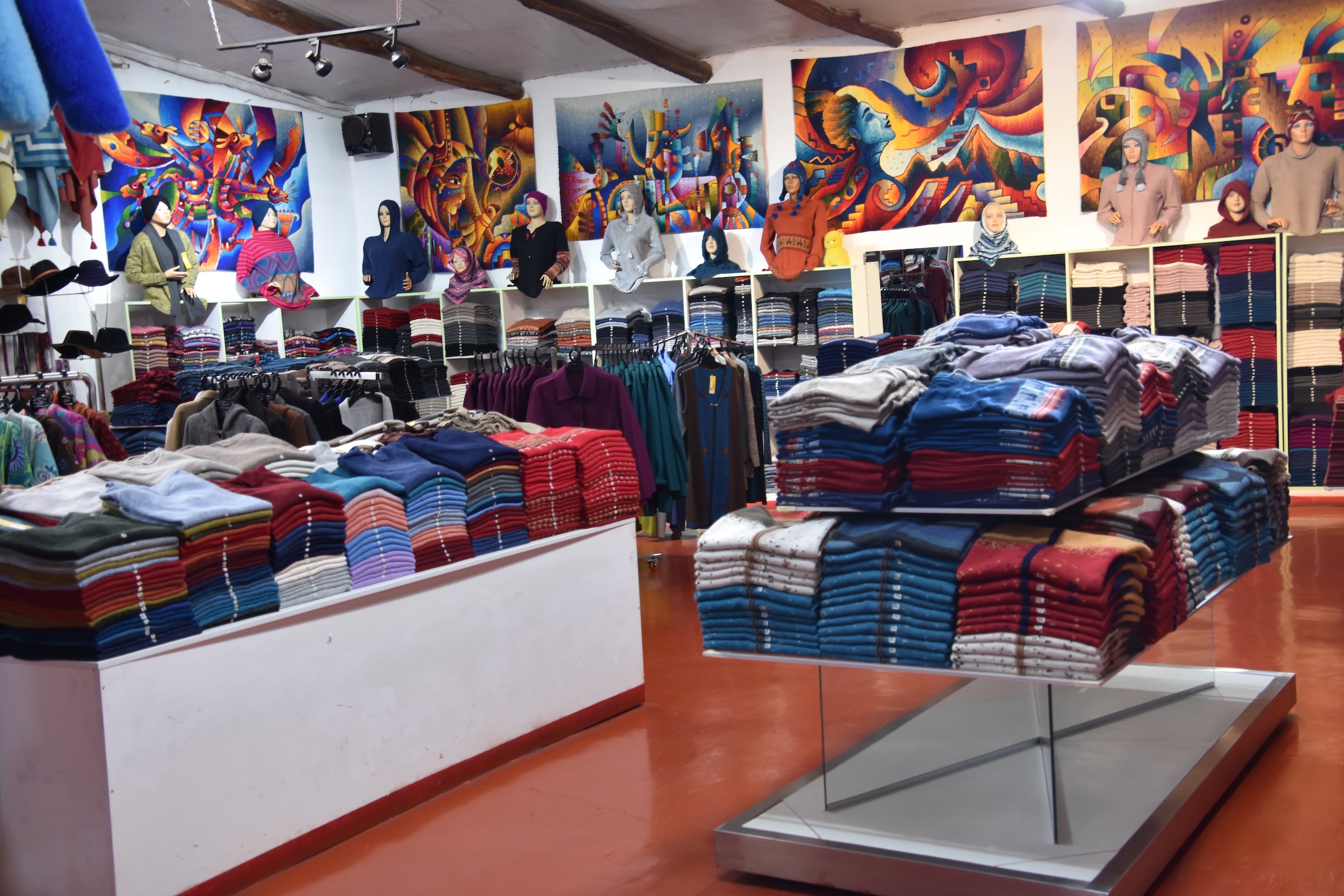
I’m not a shopper, but the display of goods at the Manos de la Comunidad was exceptional to look at including a display of various historical wall hanging designs.
-
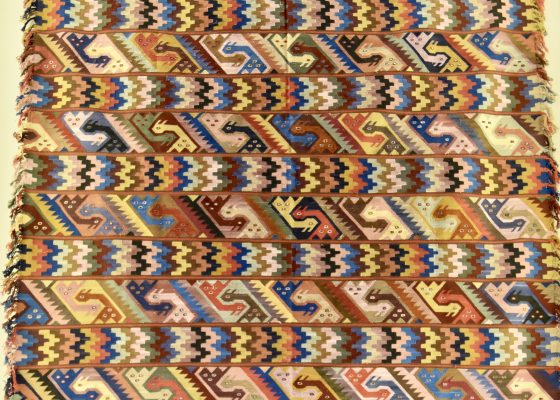
- Huari Design
-
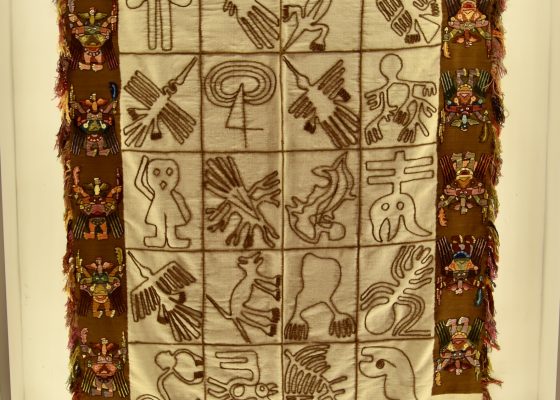
- Nazca Design
-
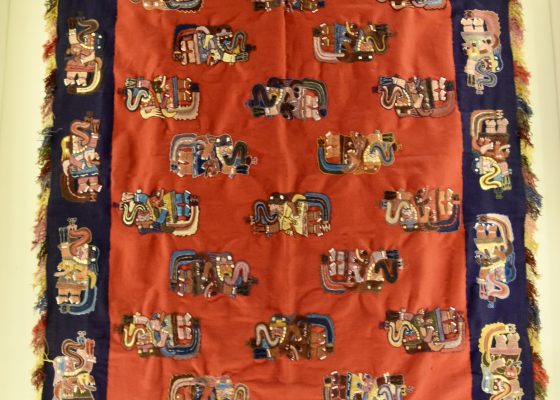
- Paracas Design
-
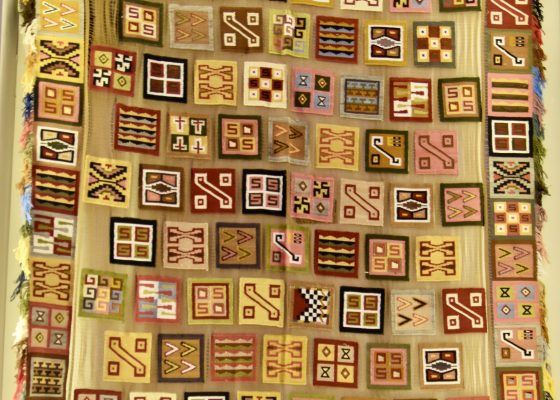
- Inca Design
-
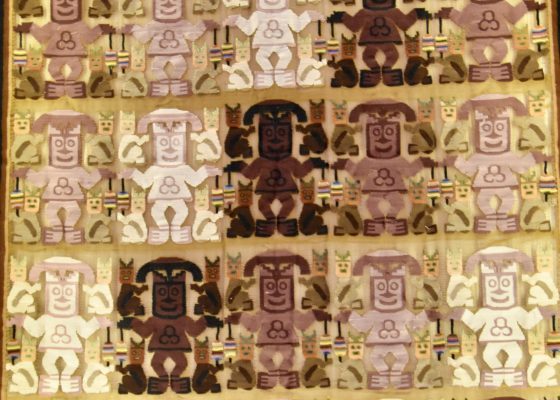
- Chancay Design
And a series of modern wall hangings that were incredibly vibrant and related various Indigenous myths.
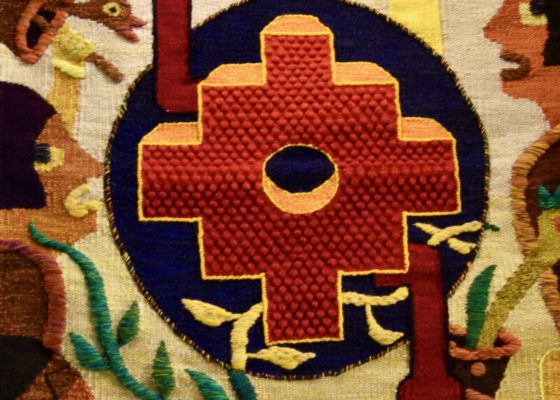
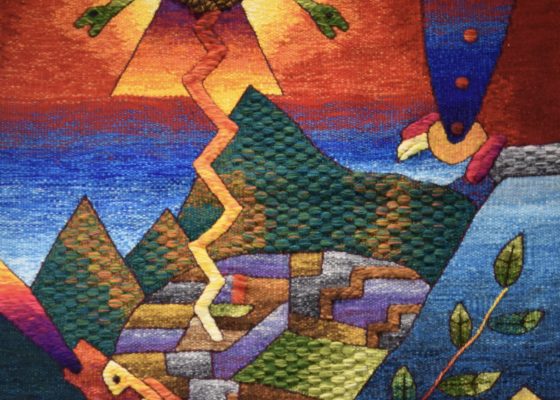
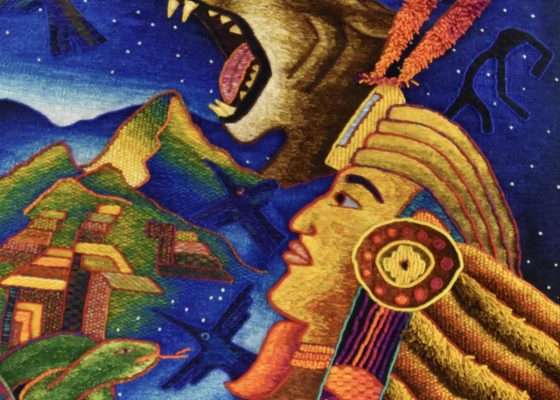
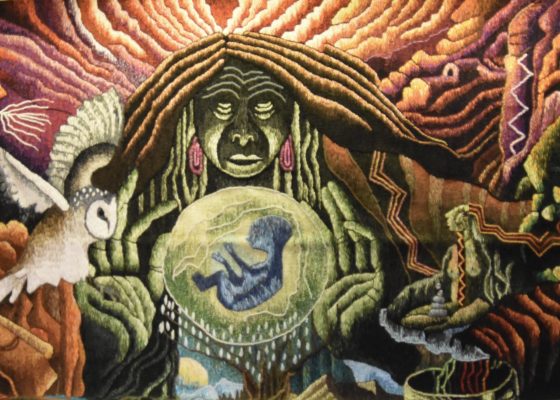
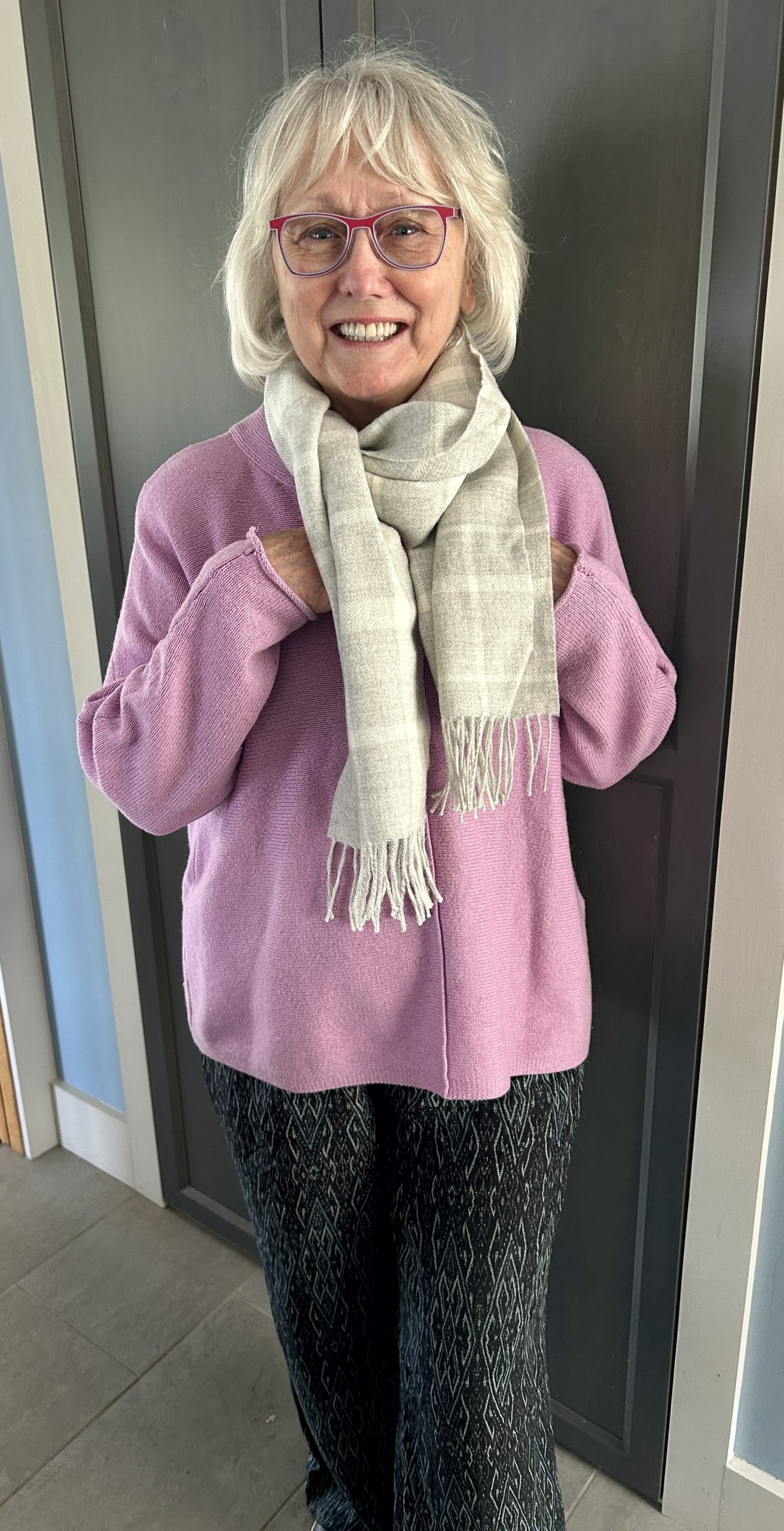
Adventures Abroad has a policy of not taking its clients to places just to shop, but while our primary reason for visiting Manos de la Comunidad was to commune with the animals, I was glad we had a chance to see the amazing goods on offer here. In fact, I even did some shopping of my own, buying this beautifully fine vicuna scarf as a present for Alison who for the first time in over 20 trips with AA was not accompanying me.
Our next three stops around Cusco all featured Incan sites that had different historical significance which I will explain as we visit each one in turn.
Around Cusco – Pukapukara
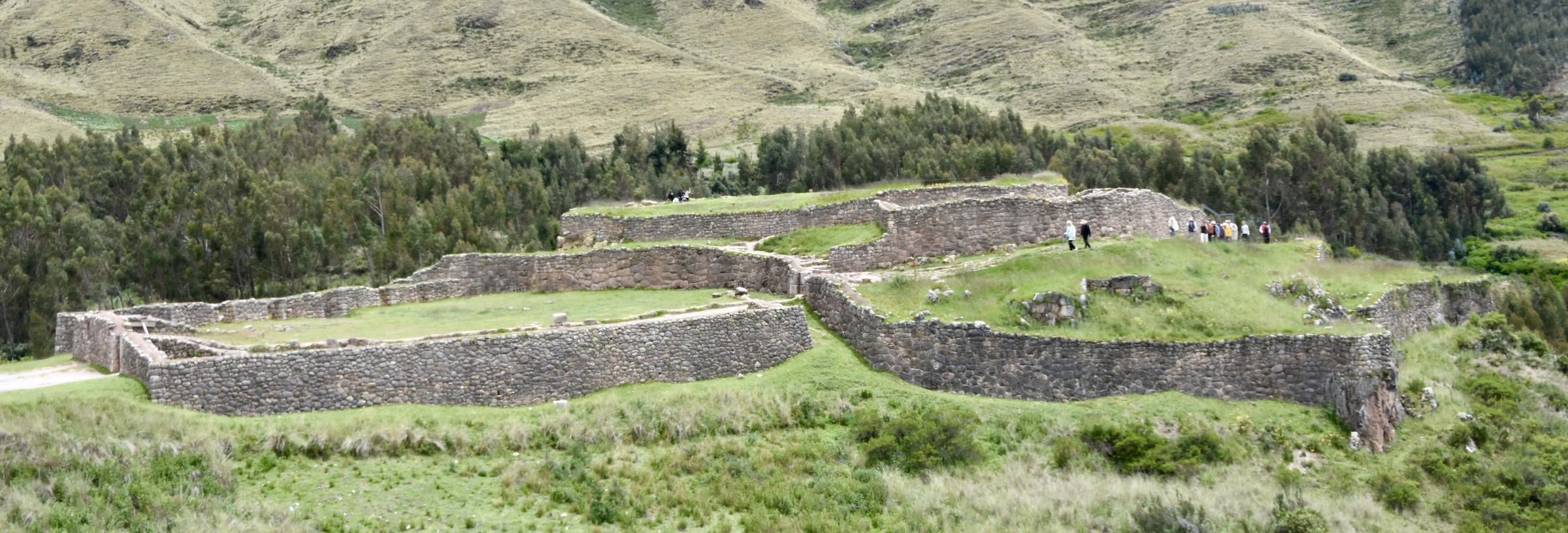
Pukapukara translates as the Red Fortress and although it was definitely a military installation, not much is known about who constructed it or why. It lies some six kilometres from the centre of Cusco at an altitude of 3,580 metres (11,745 feet) so it’s considerably higher than the city below. In all likelihood it was designed as way point on the important road leading toward the Sacred Valley. The photo shows our group exploring the ruins with nobody else around.
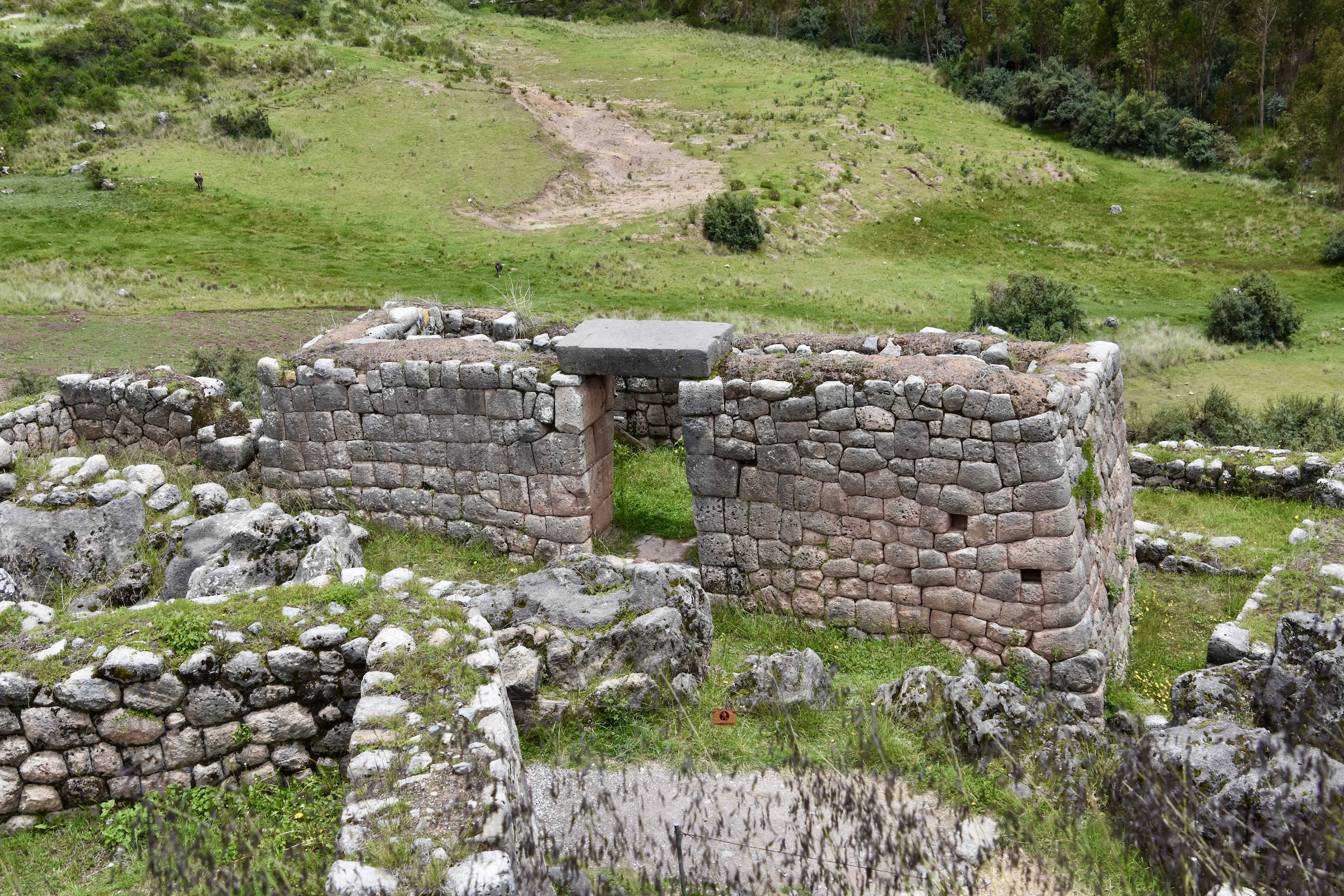
Closer up, you can see that the construction is not nearly as precise or grand as the stone walls we saw in Cusco and the theory is that Pukapukara was built in a hurry to secure the area around Cusco from possible invaders. Since it predates the arrival of the Spanish by many decades, it is only speculative as to what those perceived threats entailed.
Around Cusco – Q’enqo
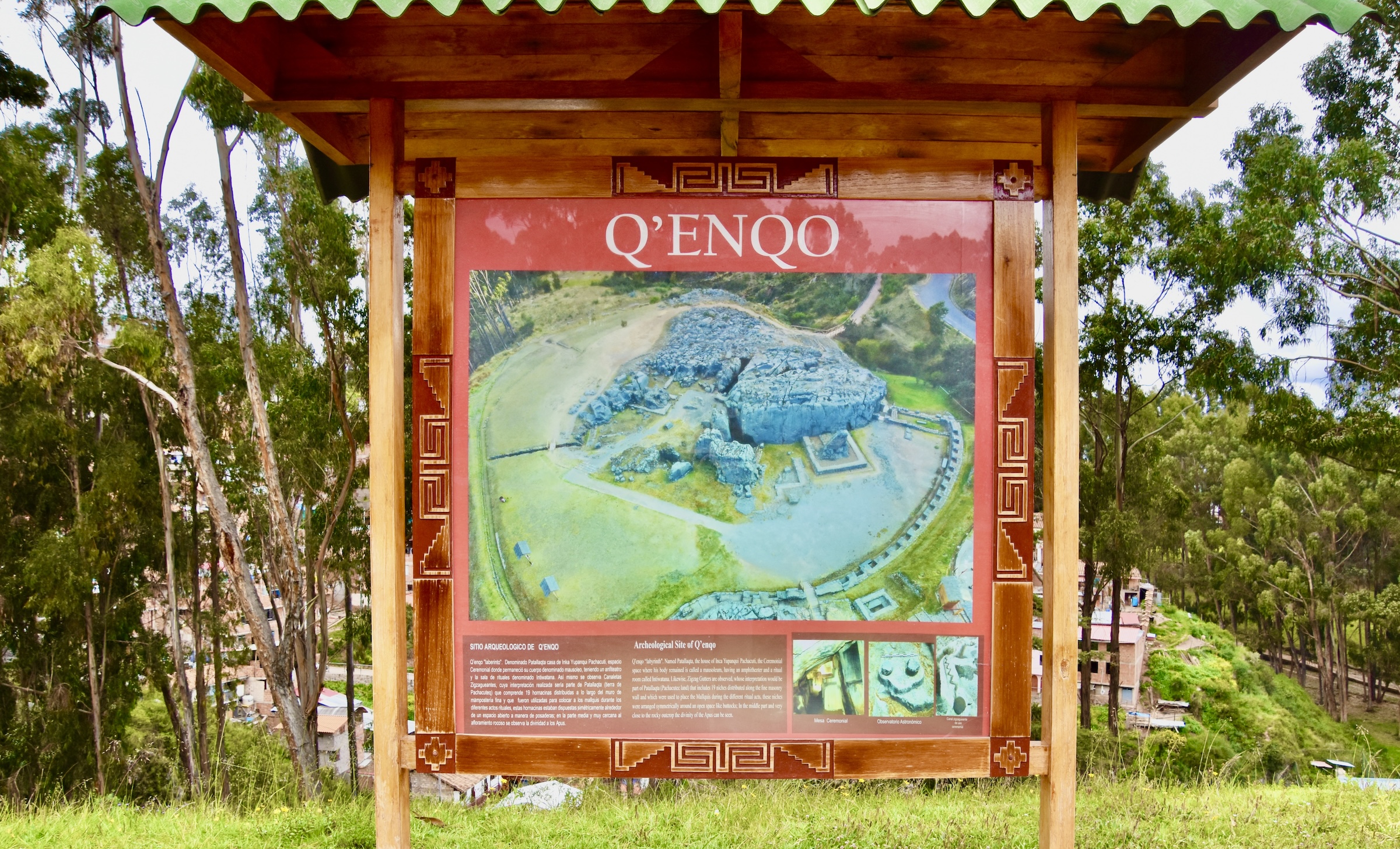
Our journey to sites around Cusco continues at the religious site of Q’enqo of which very little remains thanks to the deliberate destruction of the place by the Spanish invaders. The name translates as ‘labyrinth’ and at one time there were tunnels and underground chambers here, although that is difficult to picture today. It was originally carved out of one huge stone making it completely different from any other Incan site we have seen or will see on this tour.
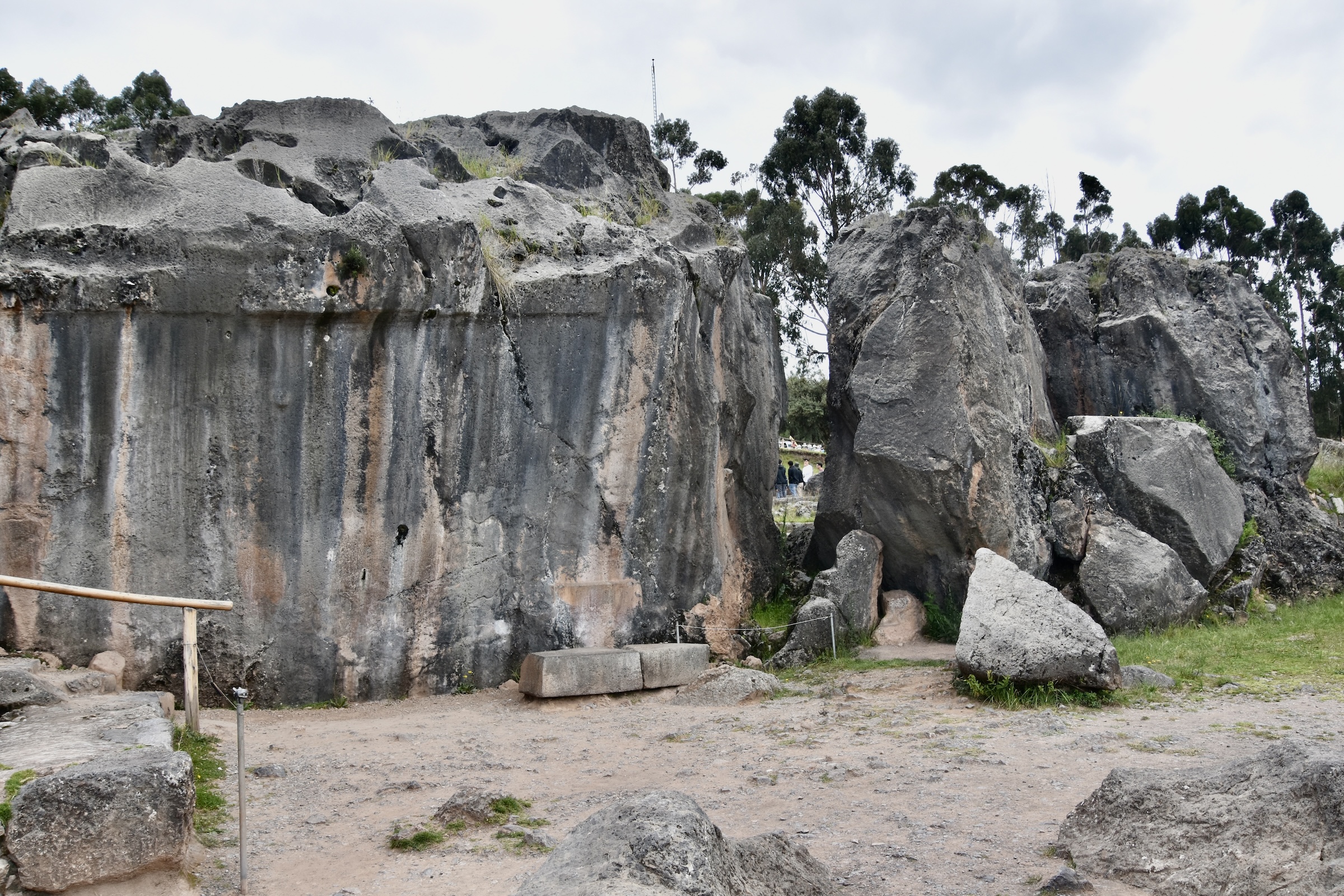
Here you can see that the rough edge of the stone has been sheered off to create a smooth surface.
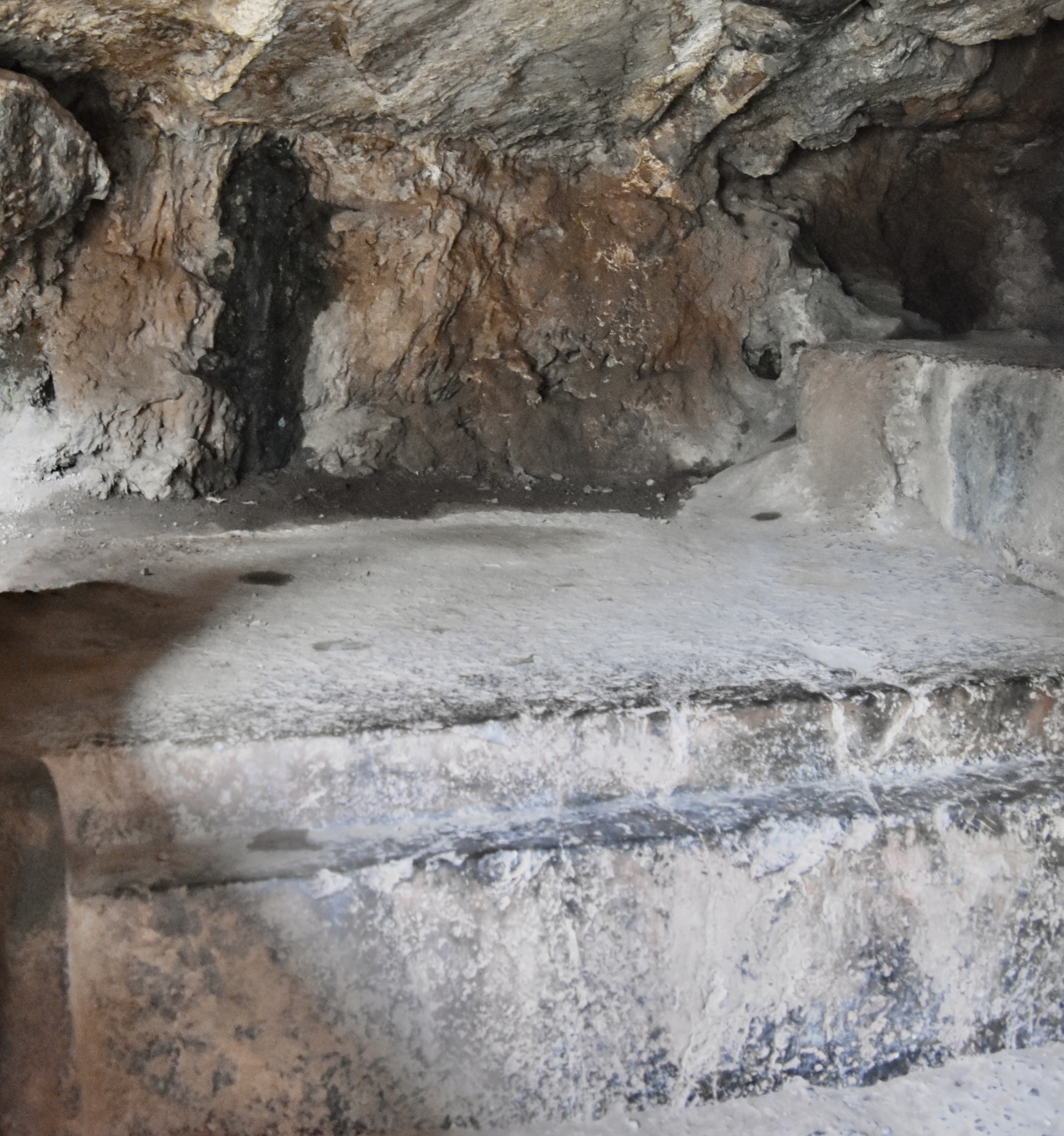
There is a short underground passage that has this carved bed where it is speculated that sacrifices were made, both human and animal and also that deceased Incan nobles were placed here so that their bodies would mummify by way of desiccation in the cold mountain climate.
Frankly Q’enqo was a difficult site to appreciate given its state of destruction, but there was an open area below it where locals were enjoying a picnic and that was something I could appreciate.
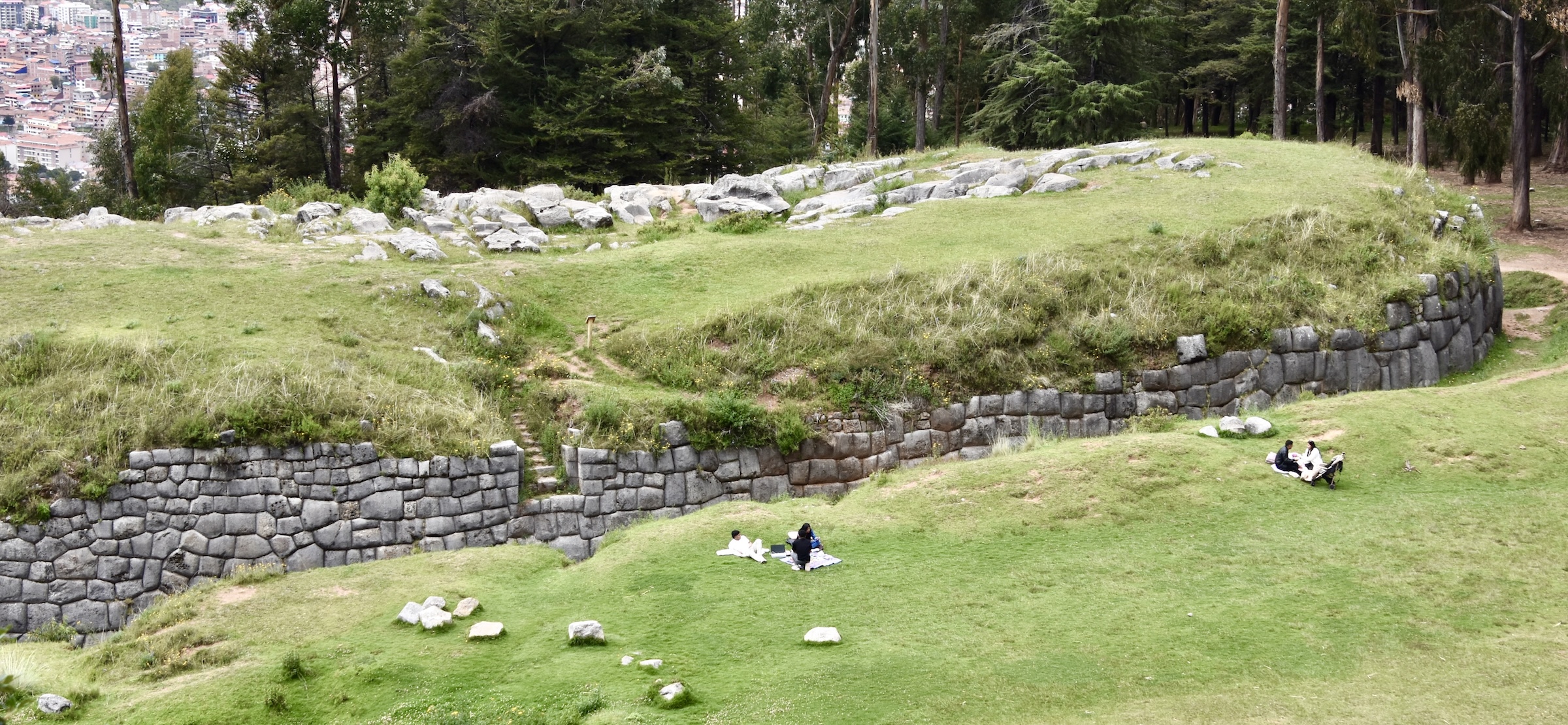
From Q’enqo there is a very pleasant walk through a eucalyptus forest that leads to a modern monument that is worth seeing.
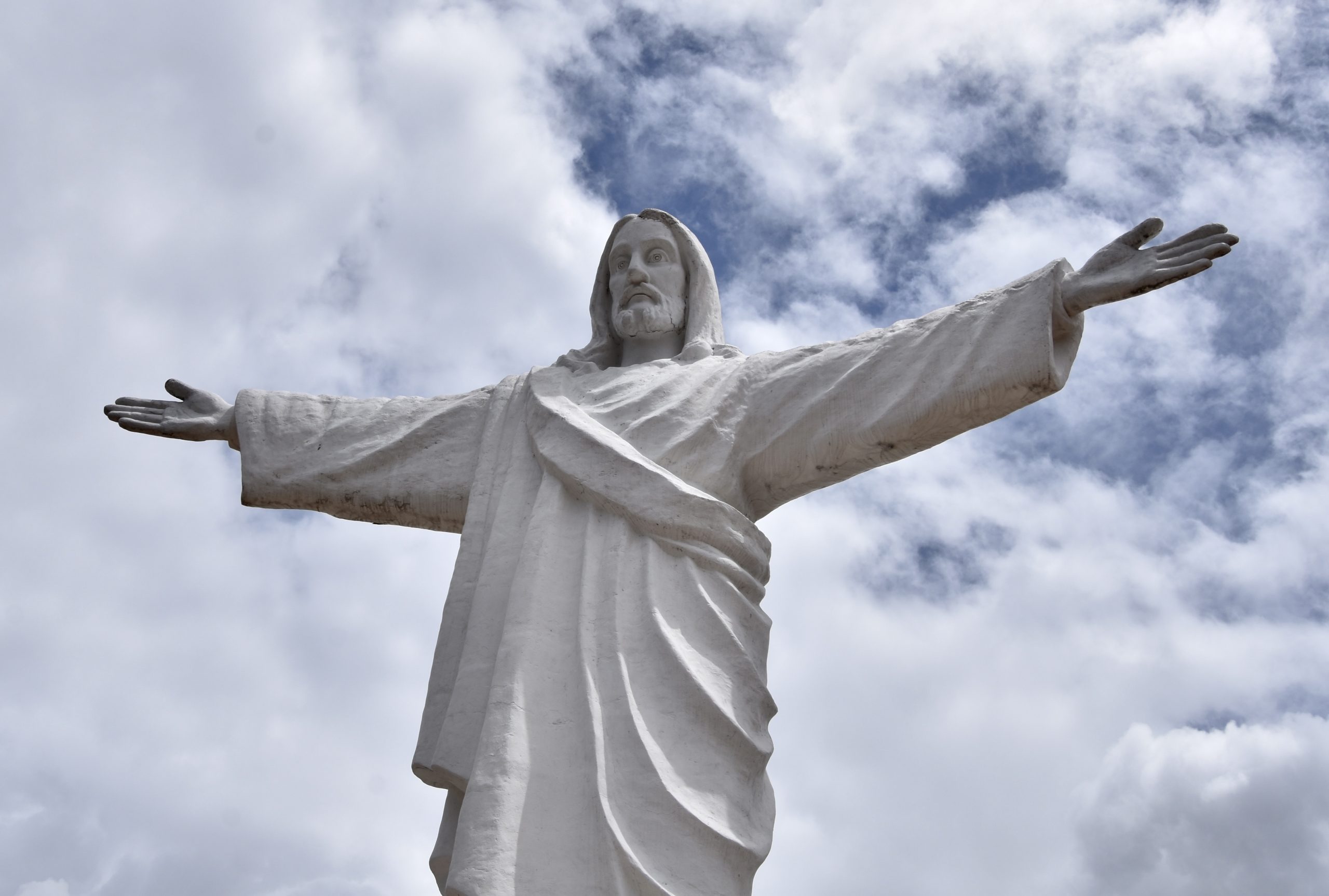
This the white Christ of Cusco that looks down on the city and its origins are surprising. It was a gift from Palestinian Arabs who came to Cusco as refugees after WWII. It is a smaller version of the more famous statue in Rio, but is still impressive in its own right.
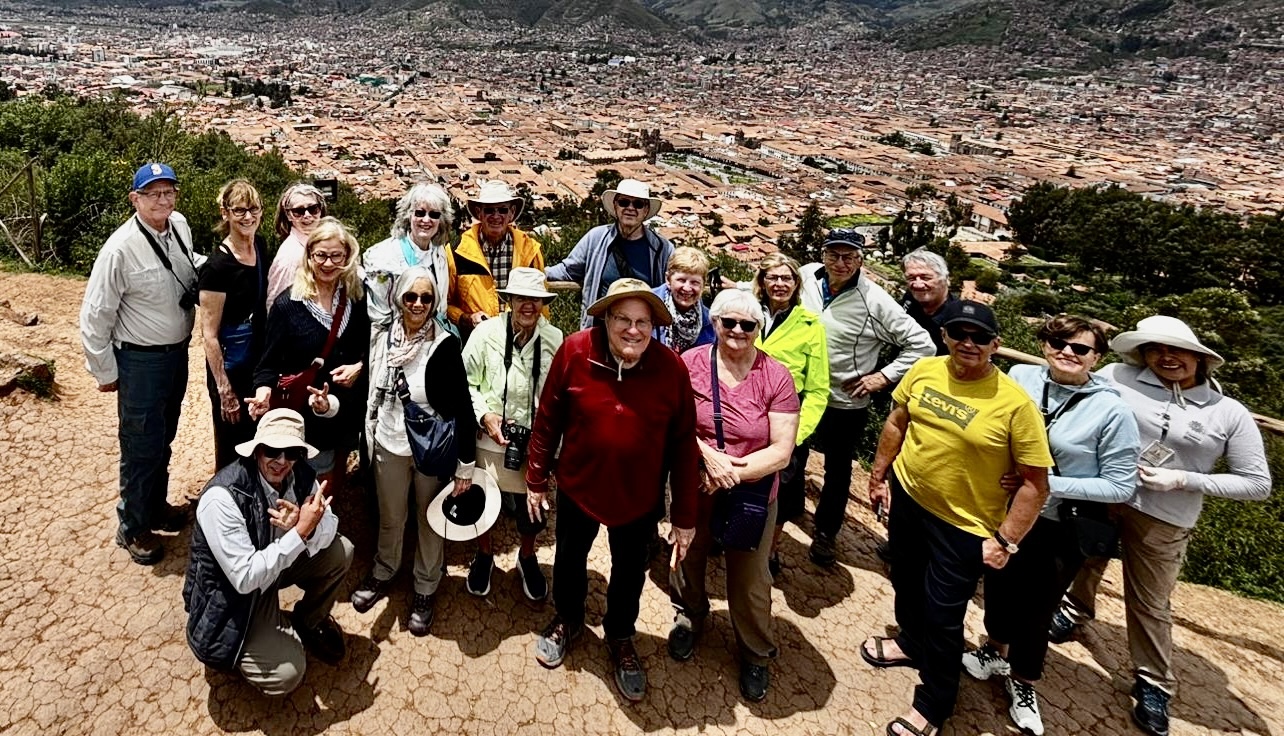
More impressive still is the view from the statue looking down over the city of Cuzco. This our group looking up at Diego who took the photo from the base of the statue.
Saqsaywaman

I’ve saved the best Incan site for last in this post. Saqsaywaman aka Sexy Woman, is the largest and most important archaeological site around Cusco. It sits on a plain 3,701 metres (12,142 feet) high, well above the city and given the altitude, needs to be explored at a leisurely pace. Fortunately there’s a lot to see and we have the time to do it.
Although archaeological remains dating as far back as 900 have been found on the site, Saqsaywaman was primarily a 15th century construction by the Inca Pachacutec who was the one most responsible for turning Cusco into the grand city the Spanish came upon not that many years later. The name translates as ‘Fortress of the Royal Falcon’ and it was most definitely a fortress. The most notable feature can really only be appreciated from afar as the photo above demonstrates. These are the zigzag walls which stretch for more than 400 metres (1300+ feet) and reach heights of six metres (20 feet). There is nothing else like them in the world.
Once you get close to these walls you see another feature that is unmatched even in the walls of Cusco. The stones used in constructing Saqsaywaman were massive.
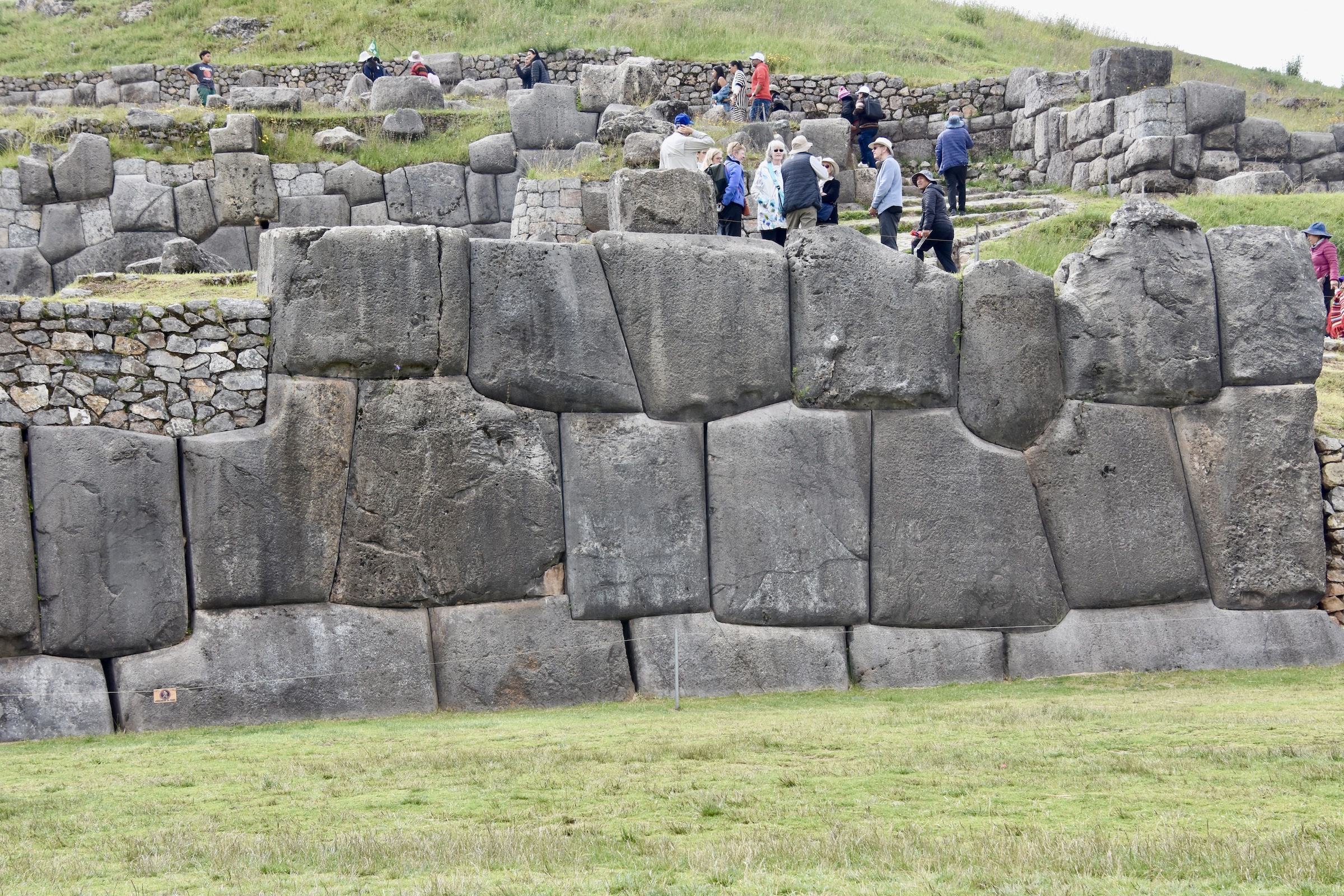
Some such as this one weighed up to 200 tons.
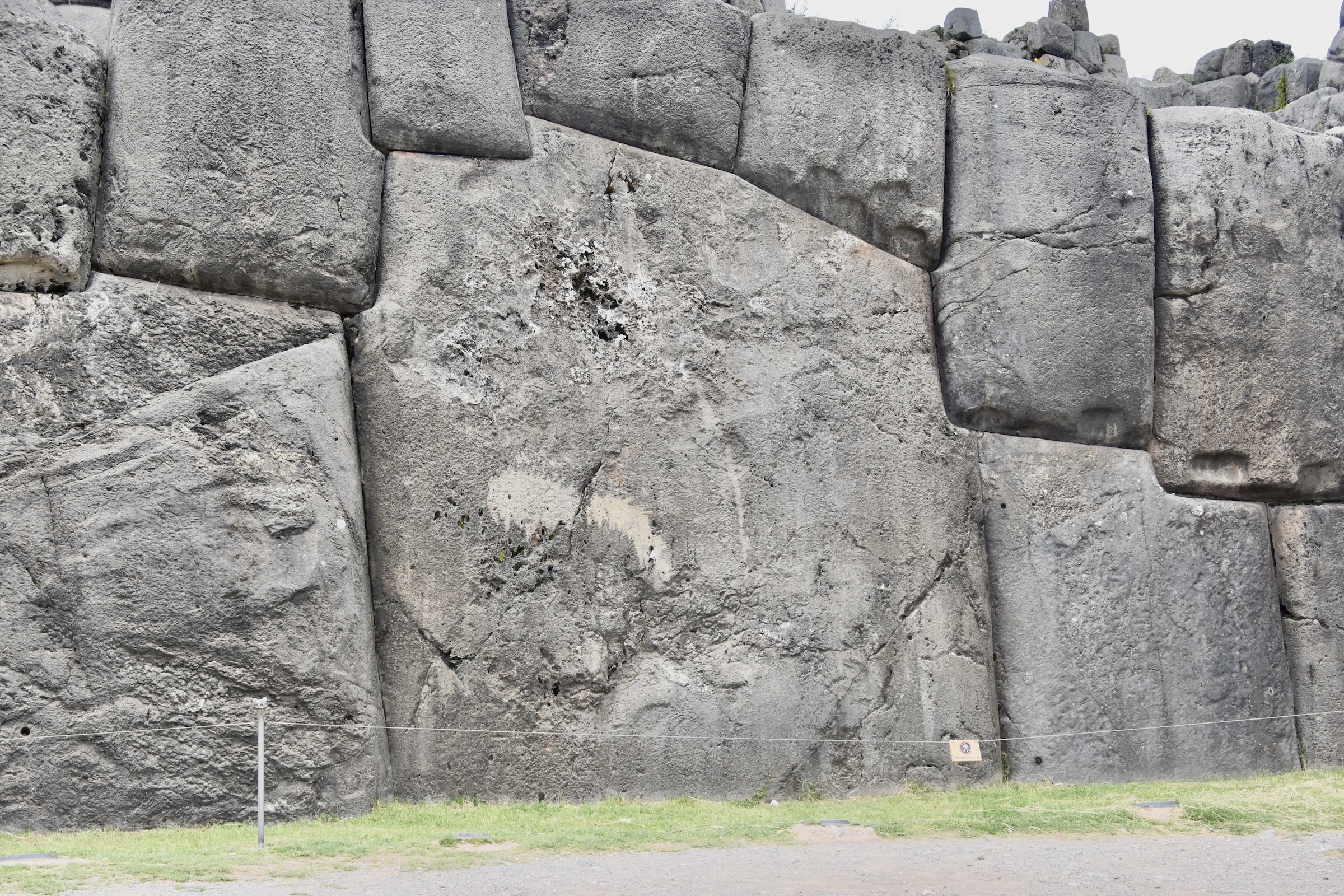
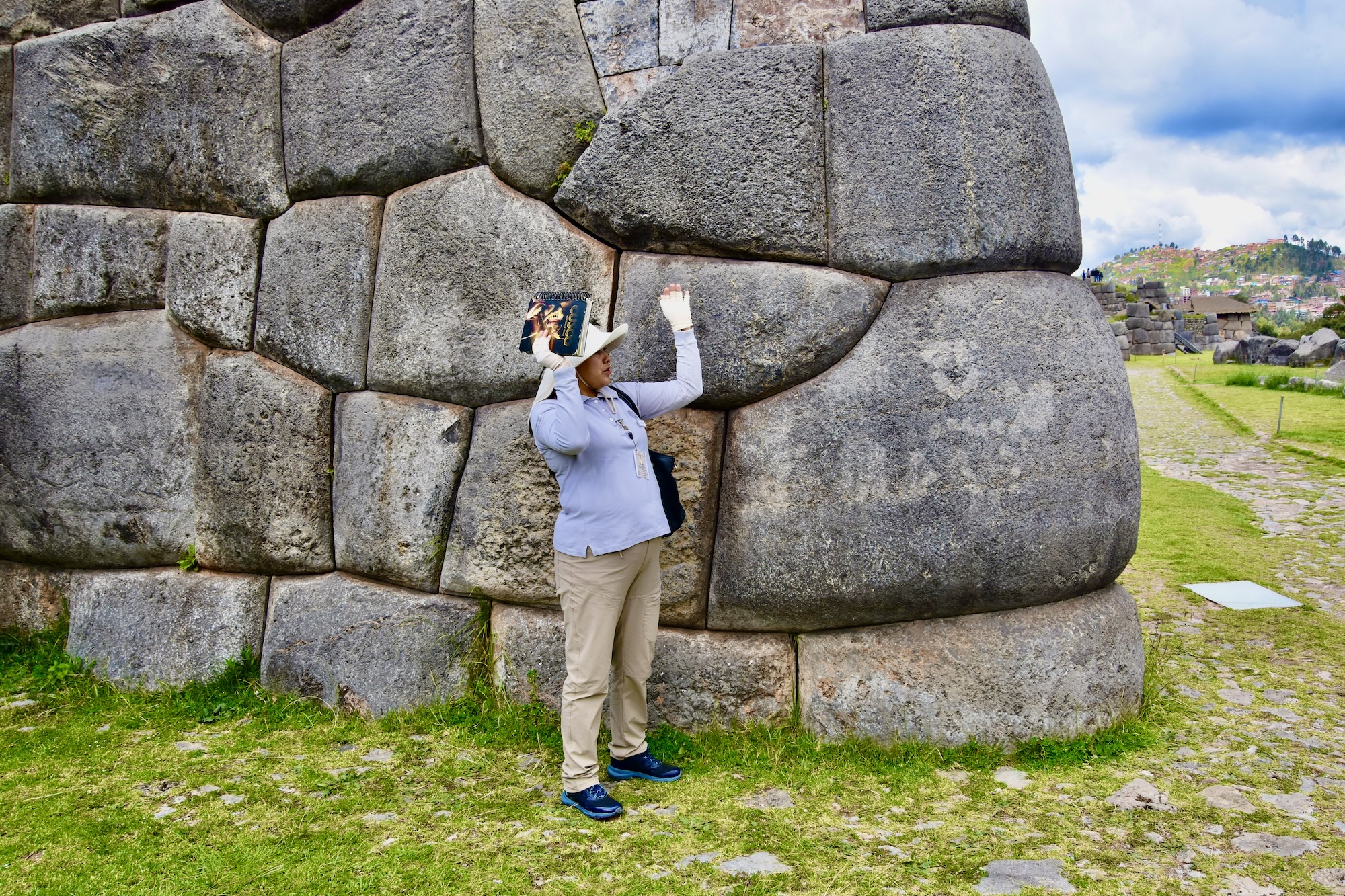
But it’s not just the size of the stones, it is the way they fit together. This is local guide Jacqui showing how precisely the stones were fitted together such that you cannot even slide a piece of paper between them. To this day nobody has figured out exactly how the Incas were able to make such precision workmanship without the wheel for transportation or steel or iron tools, although they did have much softer copper and bronze tools.
Now it would be hard enough just to build a straight wall this tight fitting, but what about the corners and projections required to create the zigzag shape?
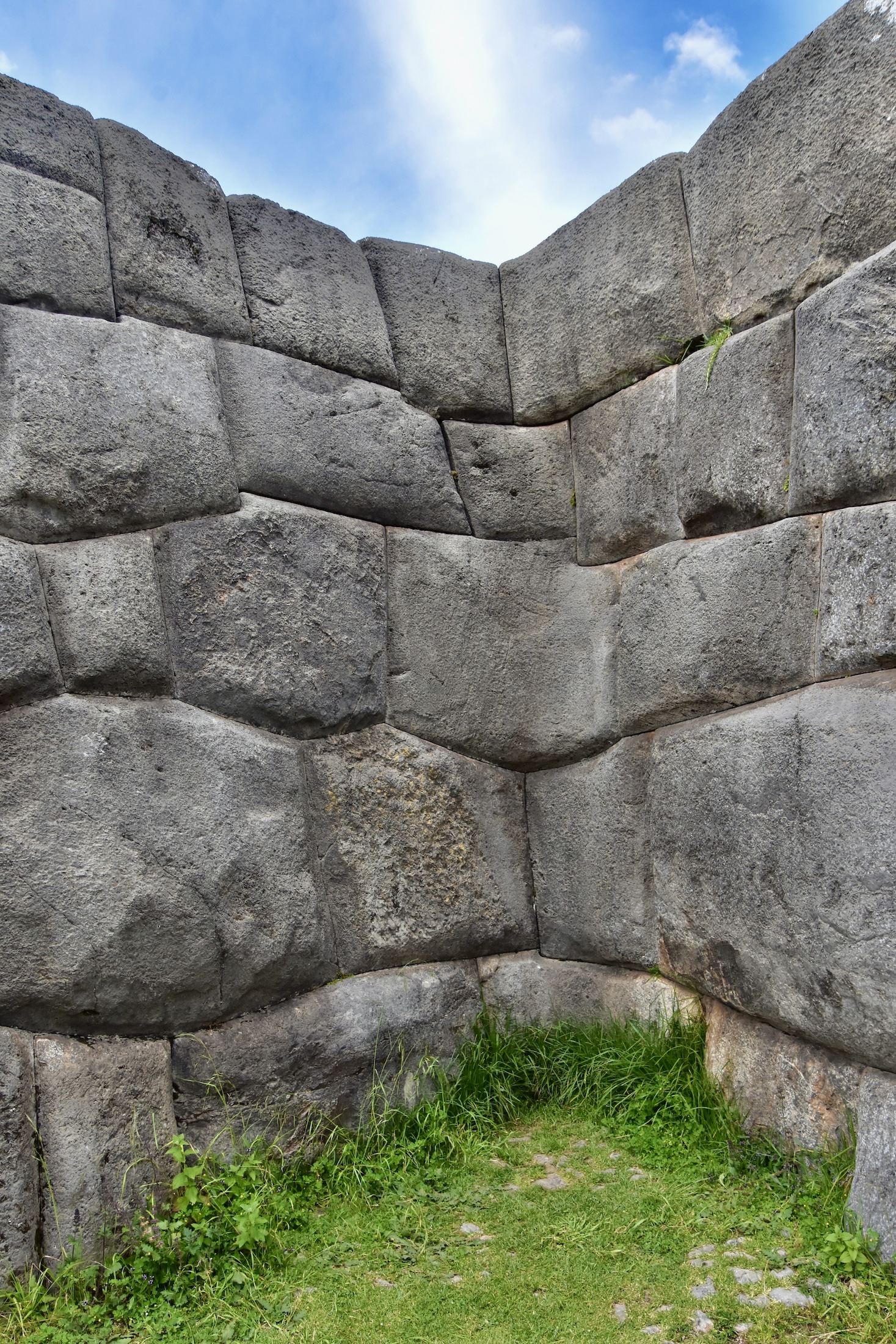
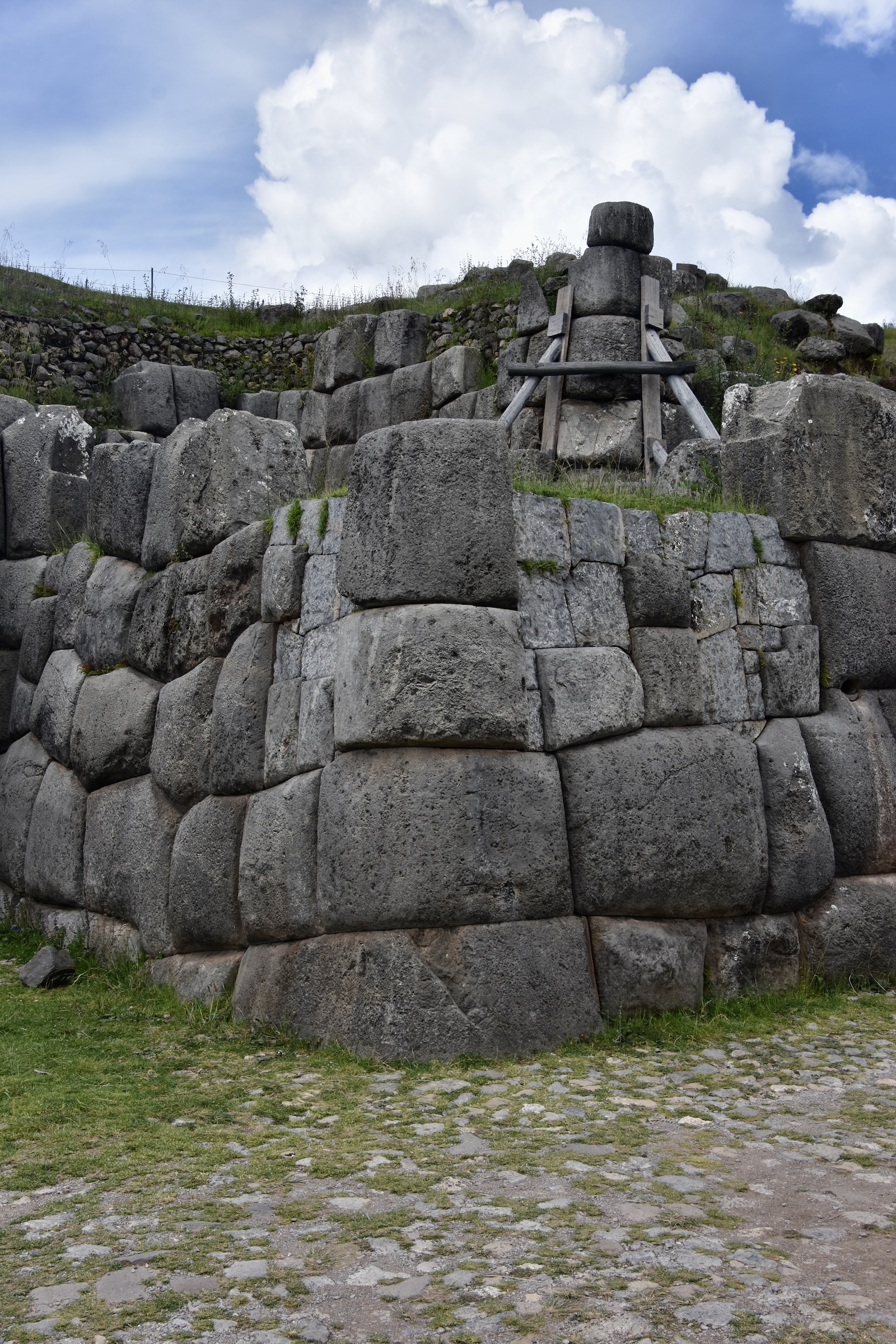
Saqsaywaman was one of the most amazing places we visited on this tour. It is truly awe inspiring, even though the Spanish dismantled much of it after the 1536 rebellion that was centred here.
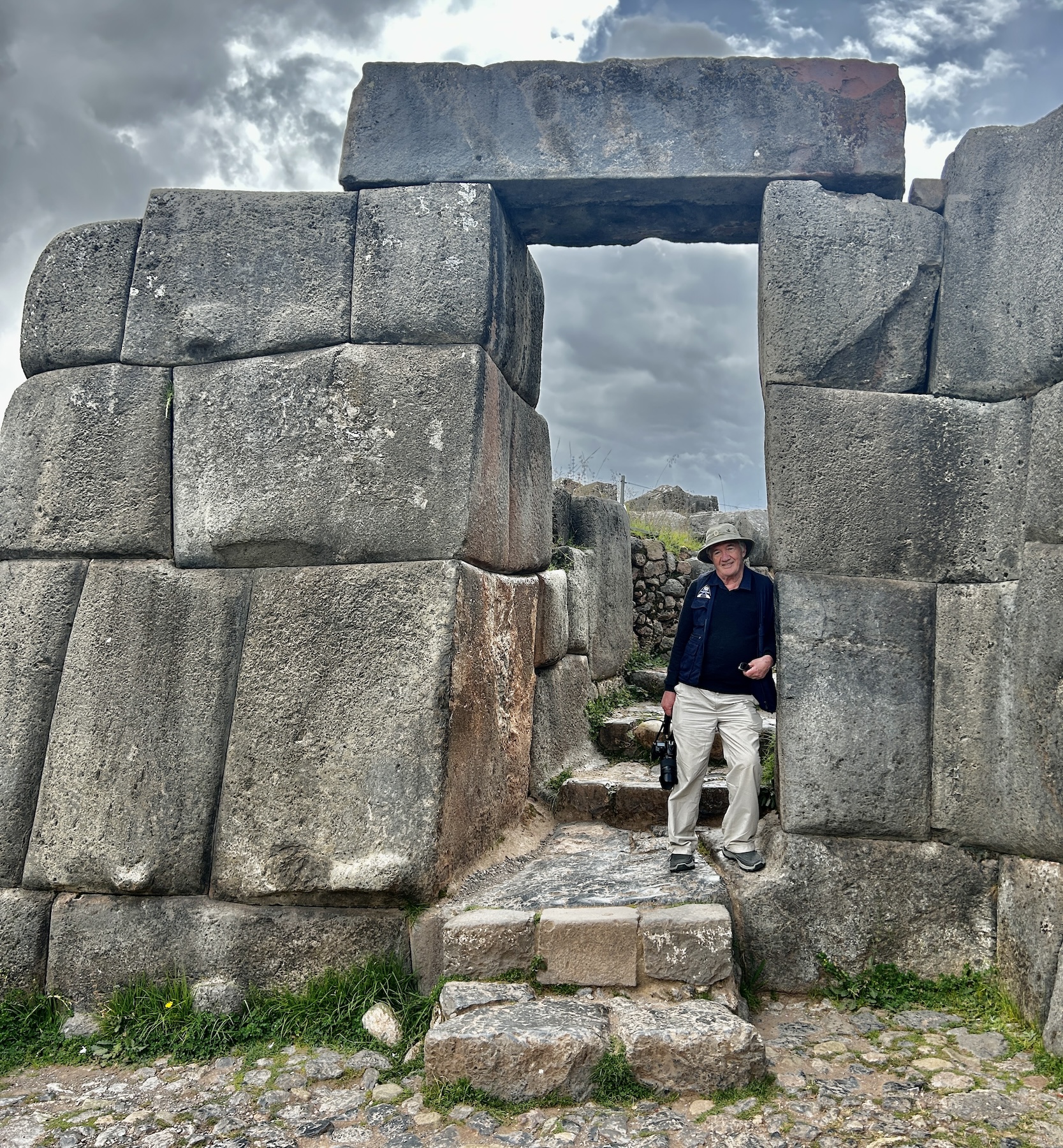
I’ll conclude the visit to Saqsaywaman with this short video that gives just an inkling of just how awe inspiring this place is.
Well that concludes our tour of places around Cusco. In the next post we’ll head for the Sacred Valley and our journey that will eventually lead us to Machu Picchu. I hope you’ll join us.