
Kapiti Island Nature Reserve

This is my final post from our second trip to New Zealand in February and March, 2026. It features a day trip to Kapiti Island Nature Reserve which is one of the islands off New Zealand that has been cleansed of non-native predators such as cats and rats. It is one of the few places in the world that you can find rare bird species such as kākā, kōkako, takahē and hihi or stitchbird. Its forests have been regenerated to the extent that you can get some idea of what these offshore islands would have been like before human settlement. So please join Alison and me for one last Kiwi adventure before we head to Australia.
In the last post we visited the amazing Hamilton Gardens before heading to the small coastal town of Raglan. On the way from Raglan to Paraparaumu Beach we stopped at Bridal Veil Falls and hiked from the top to the bottom. It’s a pleasant 20 minute walk from the parking lot to this initial viewing spot.
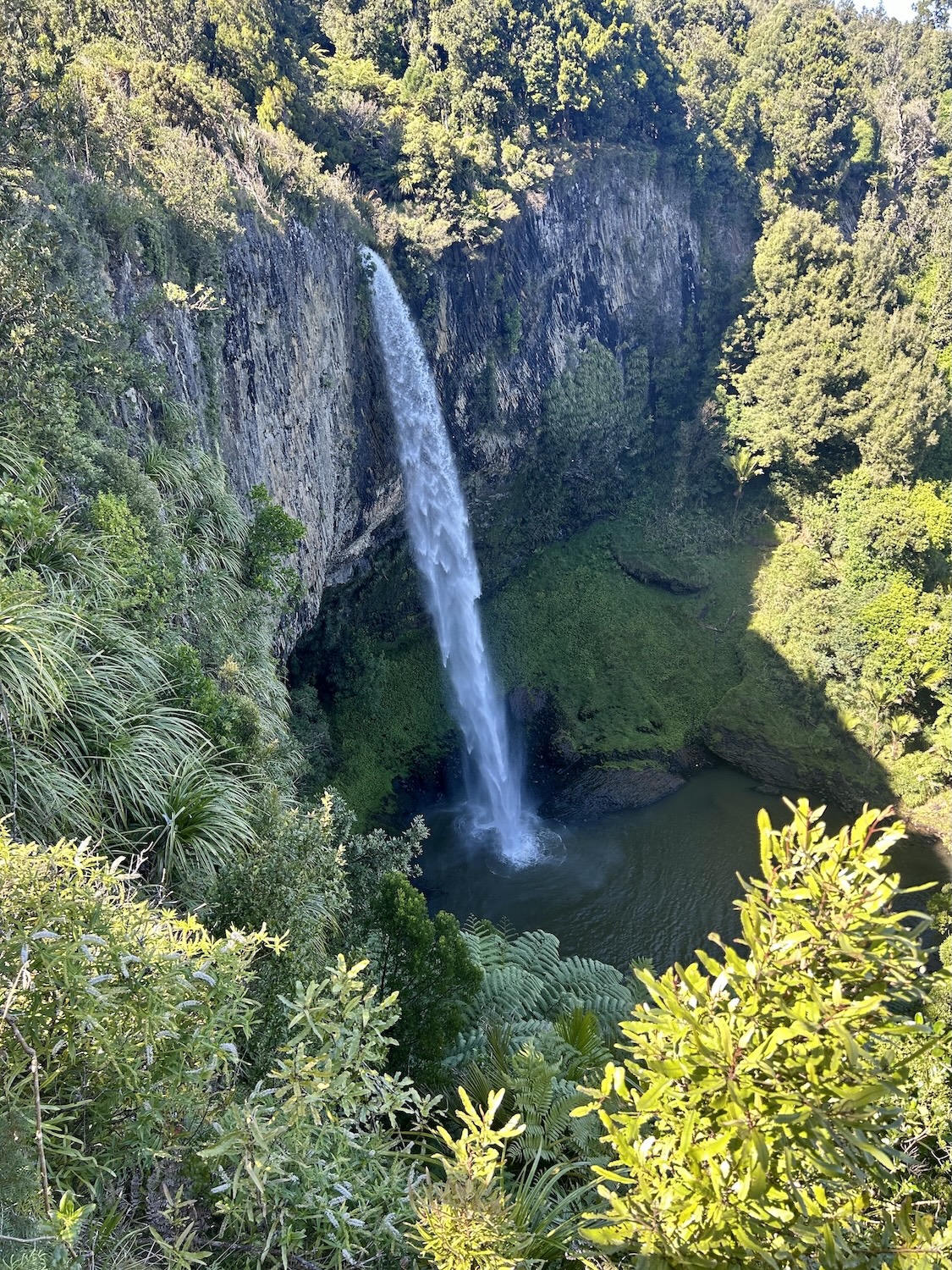
There are four viewing platforms from top to bottom with this one about halfway down giving the best vantage point for a video.
This is definitely a must visit site on the southwestern side of North Island.
Kapiti Island is a 20 minute boat ride from Paraparaumu Beach which is a resort town with a famous golf course which we played the day before our trip to the island. After golf we strolled the beautiful beach at Waikanae.
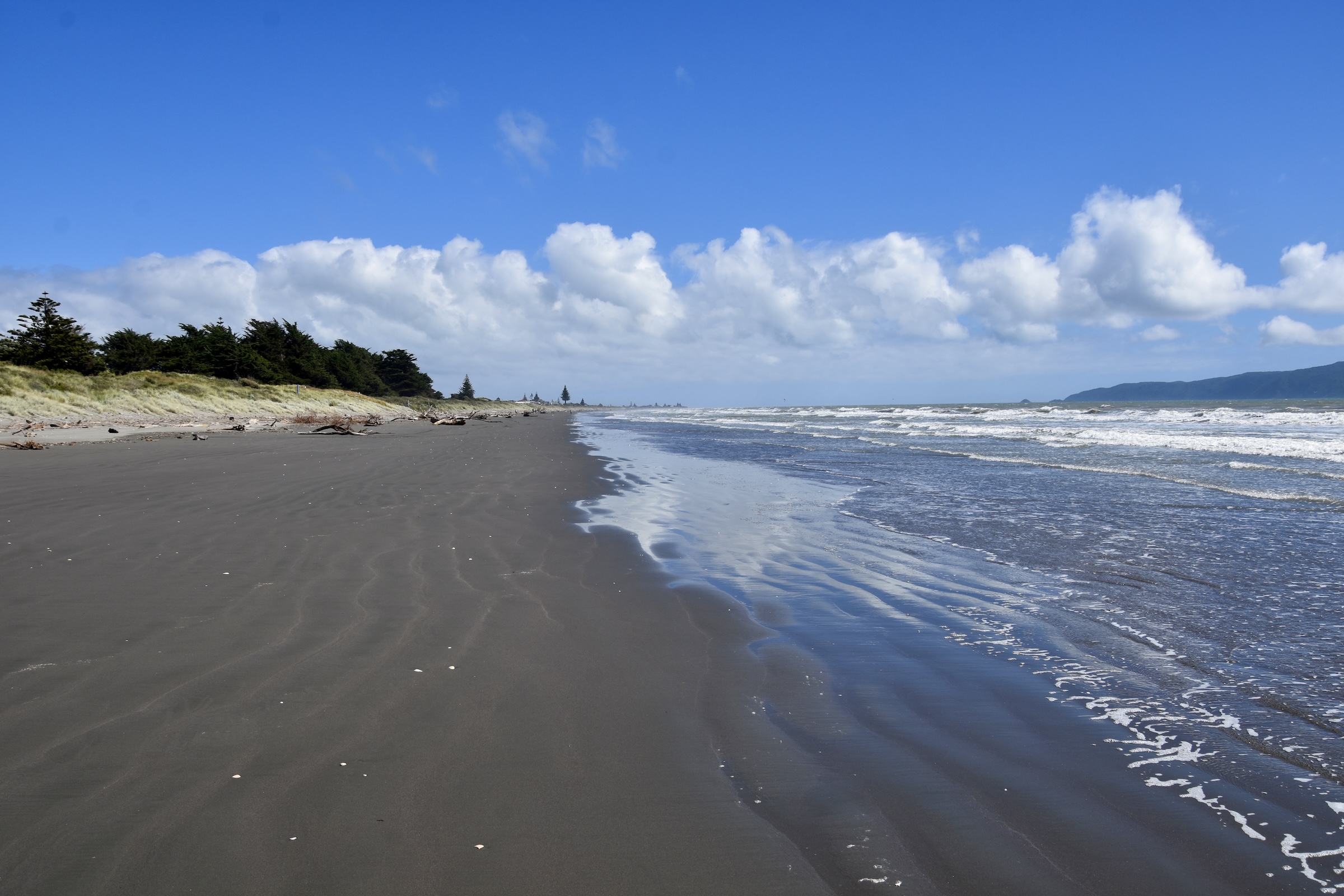
You can get a clear view of Kapiti Island from Waikanae.
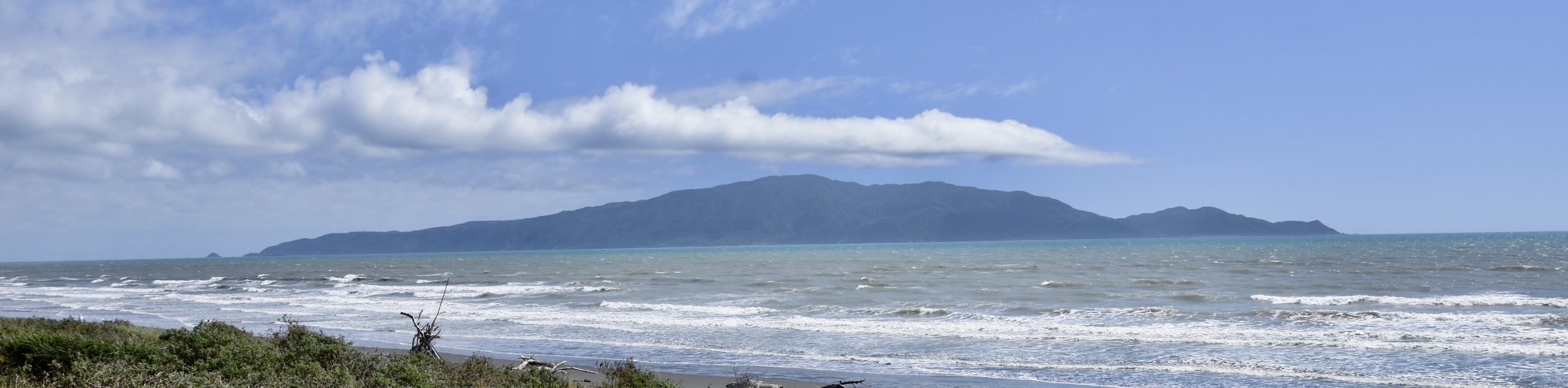
History of Kapiti Island
The Maori have occupied Kapiti Island for some 800 years and from 1820 to 1840 it was the stronghold of legendary chief Te Rauparaha who used it as a base to launch attacks across much of central New Zealand. Captain James Cook had named it Entry Island in 1770, but the Maori name of Kapiti prevailed. It became a hub for whalers in the 1830s who seem to have coexisted with the Maori on the island. In 1840 the Maori chiefs on Kapiti Island signed the Treaty of Waitangi which I wrote about in this post from our first visit. It is the foundational document in modern New Zealand history.
After the decline of whaling and hostilities between the Maori and Europeans, Kapiti Island was turned into pasture land for sheep with the resultant deforestation of all but the most remote parts of the island. The native bird species were decimated by the imported goats, cats and possums. However, as early as 1870 Kapiti Island was recognized as a potential bird sanctuary and in 1897 the government expropriated the island to establish it as a nature reserve. It took a full century before all the introduced species were fully eradicated and the forests allowed to regrow. In 2014 the government recognized that the 1897 expropriation was unlawful and returned ownership to the descendants of the former Maori families who had lived here for centuries. They in turn agreed to keep Kapiti Island as a nature reserve under the supervision of the Department of Conservation.
There is only one lawful way to visit Kapiti Island and that is through Kapiti Island Nature Tours, a Maori owned and operated company that provides both day and overnight trips to the island. We opted for the day tour that leaves Paraparaumu Beach at 8:00 AM and provides for 5½ hours to explore the island.
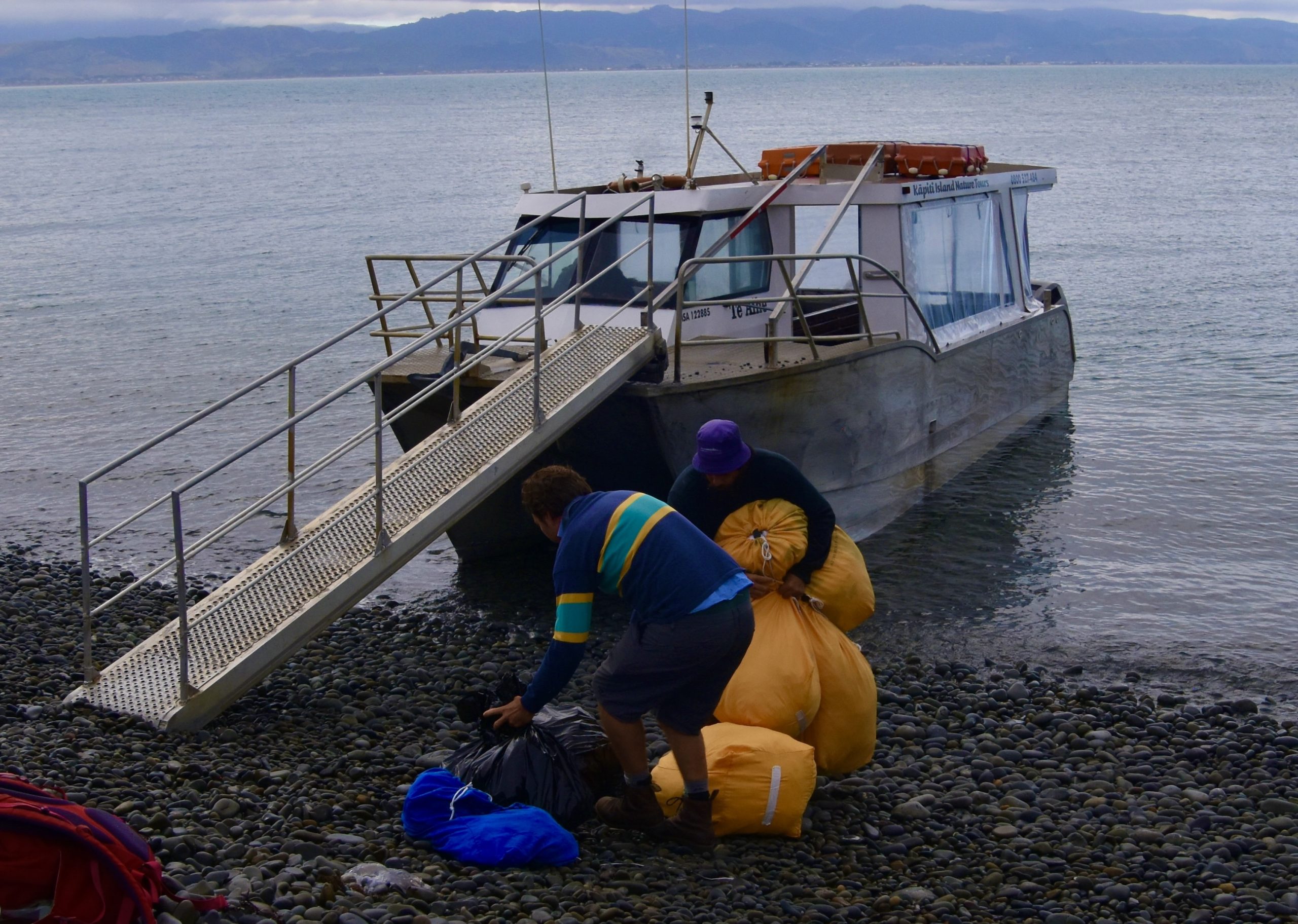
This is the small boat that ferries passengers from the mainland to Kapiti Island.
Before setting out on our own we were given an introduction to the island’s history and ecology by this member of the family that owns the island. He pointed out a number of the rare birds we might see and where they most likely were to be found. Spoiler alert – we didn’t see any of them, but that didn’t detract from the fun of looking for them.
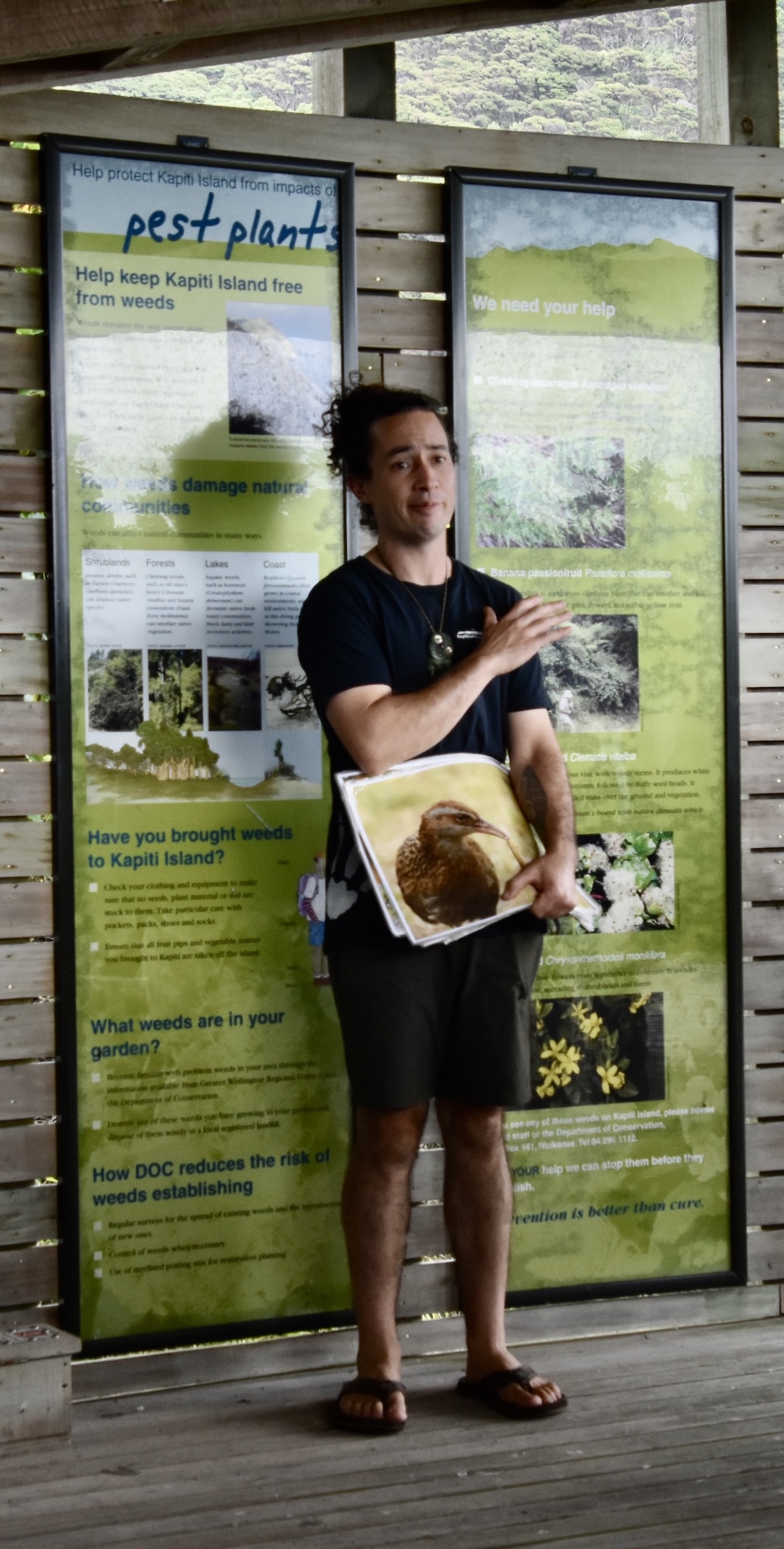
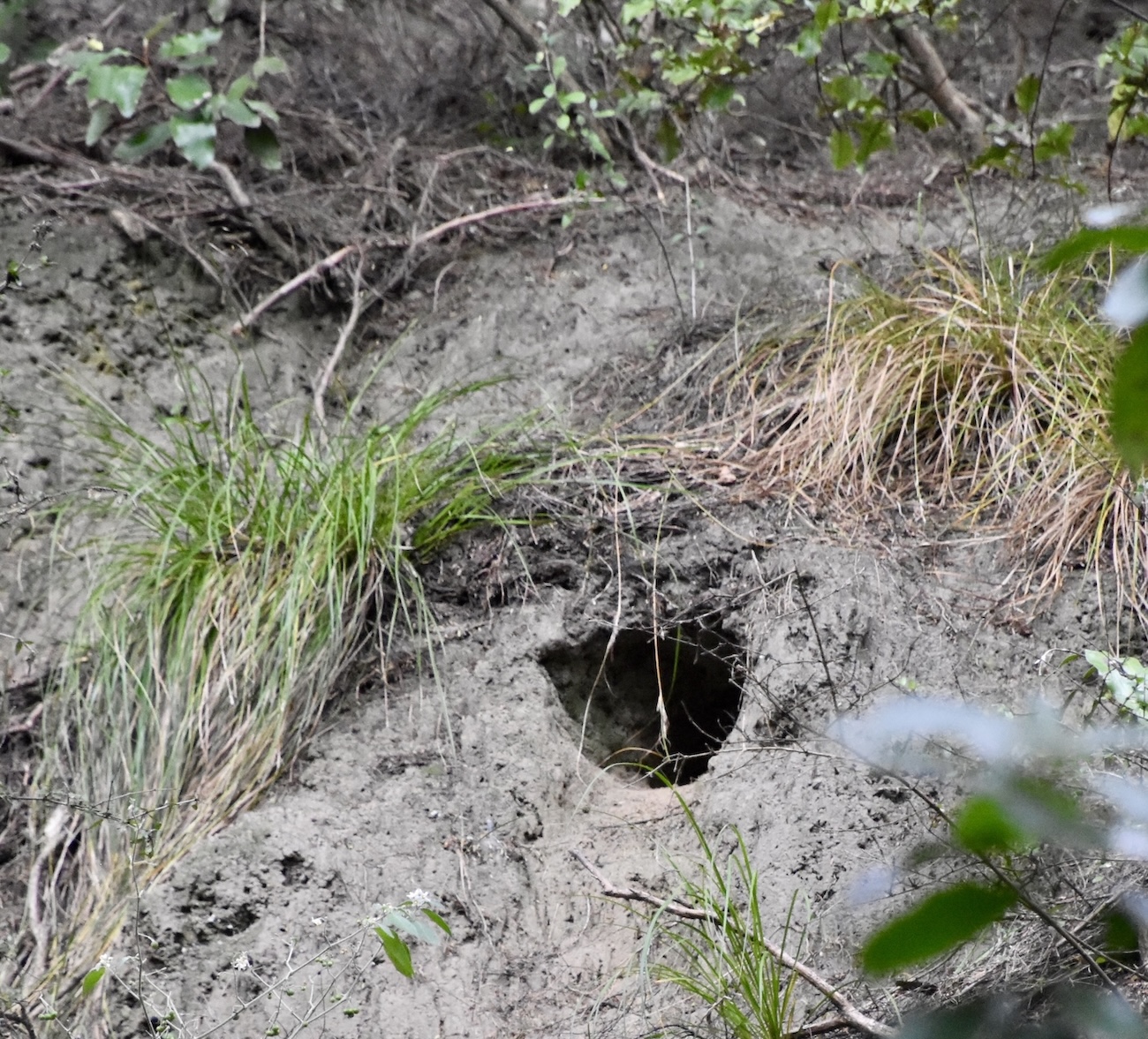
He also described the various trails on the island and their relative difficulty as well as accompanying us to the site of a little spotted kiwi den. Kiwis are nocturnal so you have to stay overnight to have any chance of seeing one in the flesh.
The main trail on Kapiti Island climbs some 521 metres (1709 feet) to Tūteremoana Summit and it’s basically a two hour hike via a loop trail that I would rate as medium difficulty.
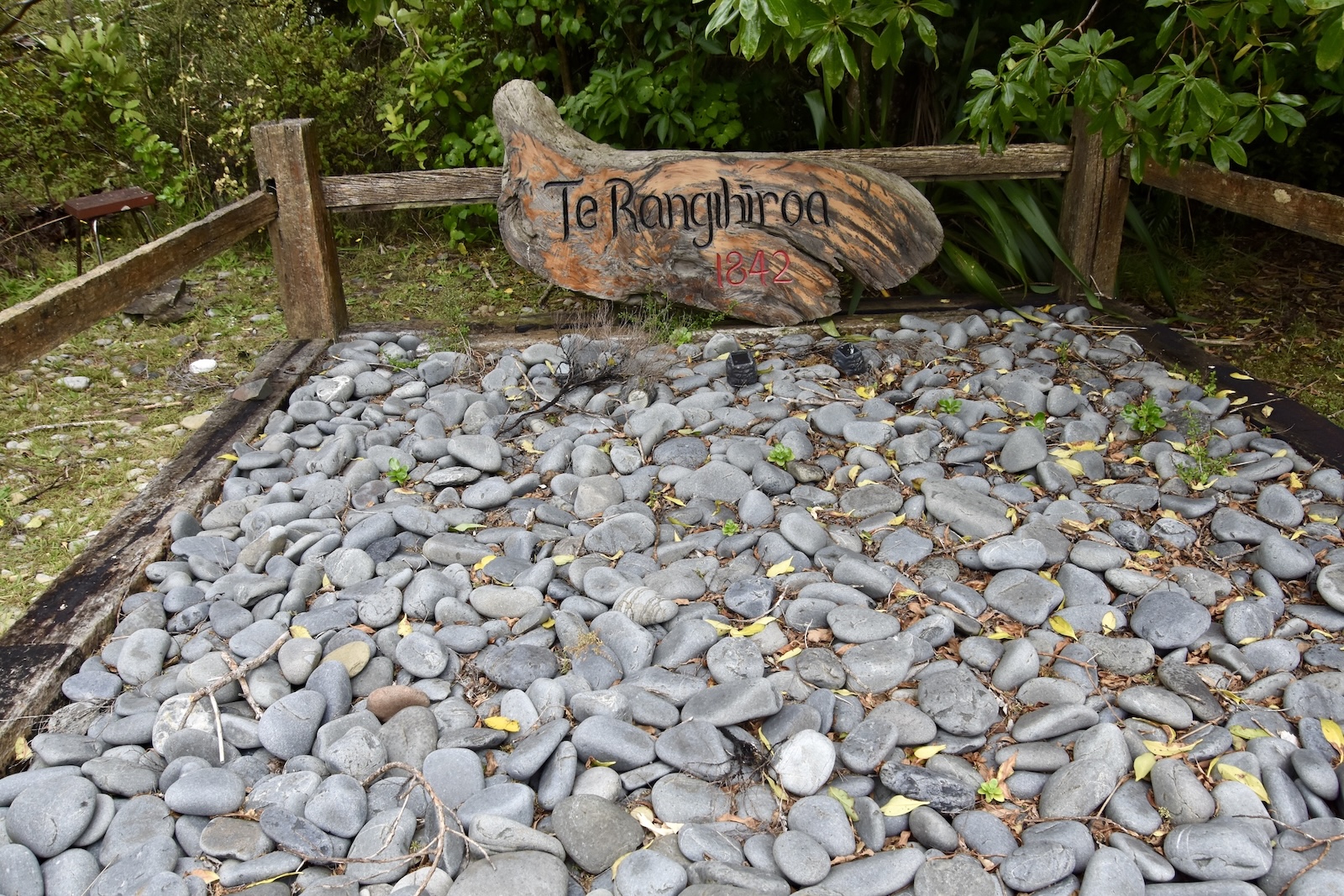
On the way you pass the grave of the Maori chief Te Rangihiroa, one of the signatories to the Waitangi Treaty.
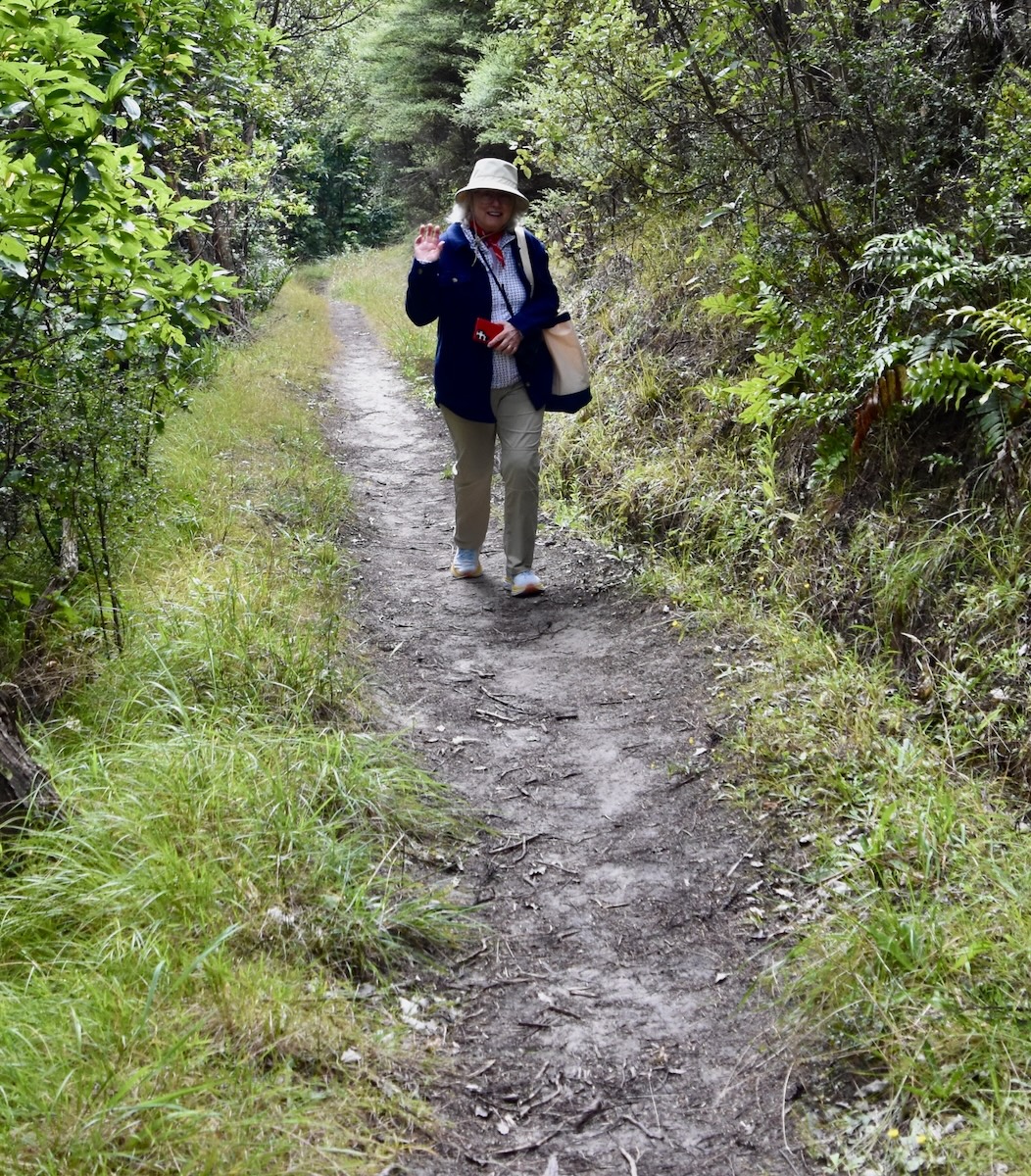
This photo gives a pretty good idea of the nature of the walk, except that it got a lot steeper shortly after I took this.
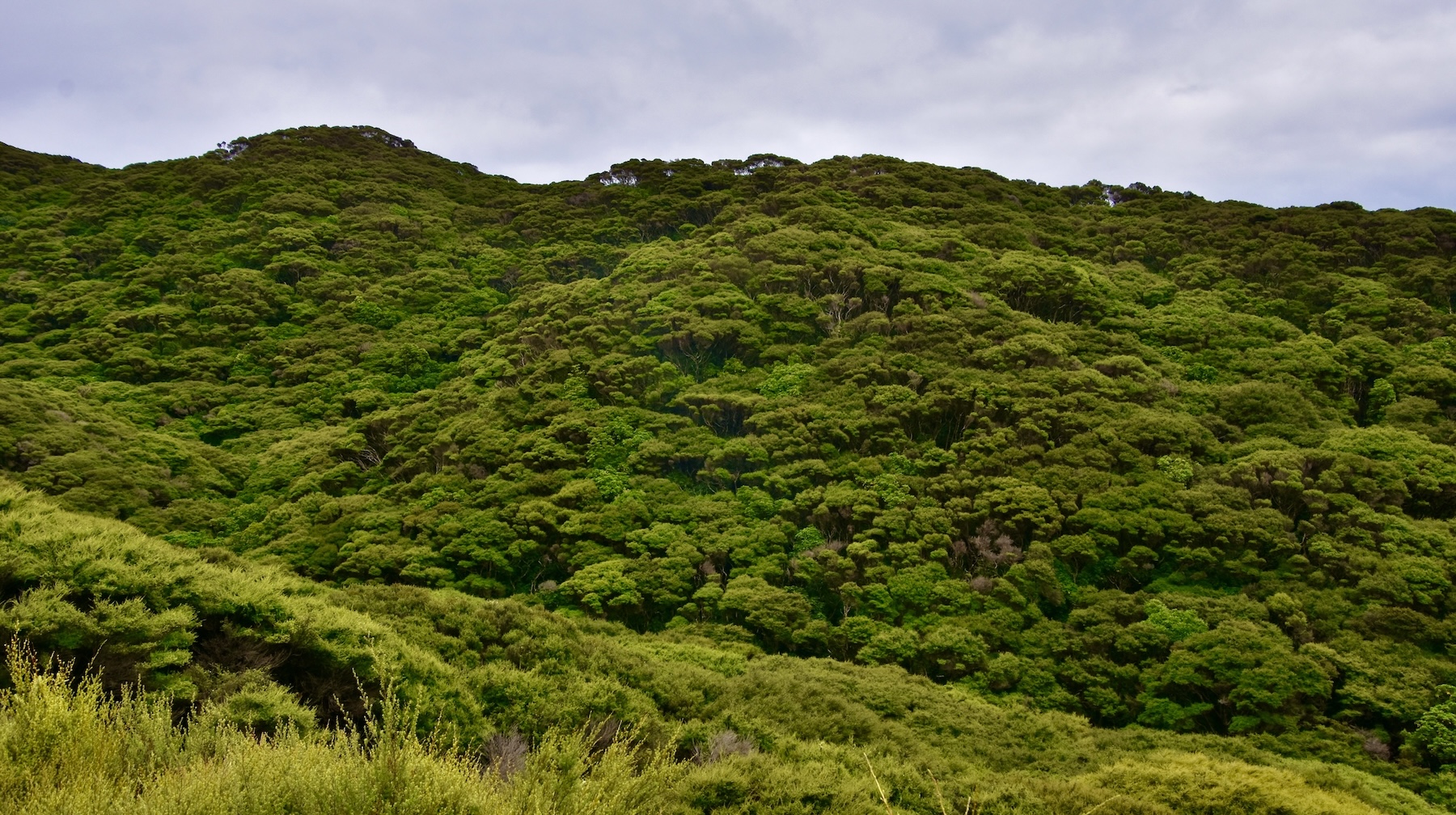
From the elevated heights of the trail you get a good look at what the island might have looked like a thousand years ago, before any human had set foot on it.
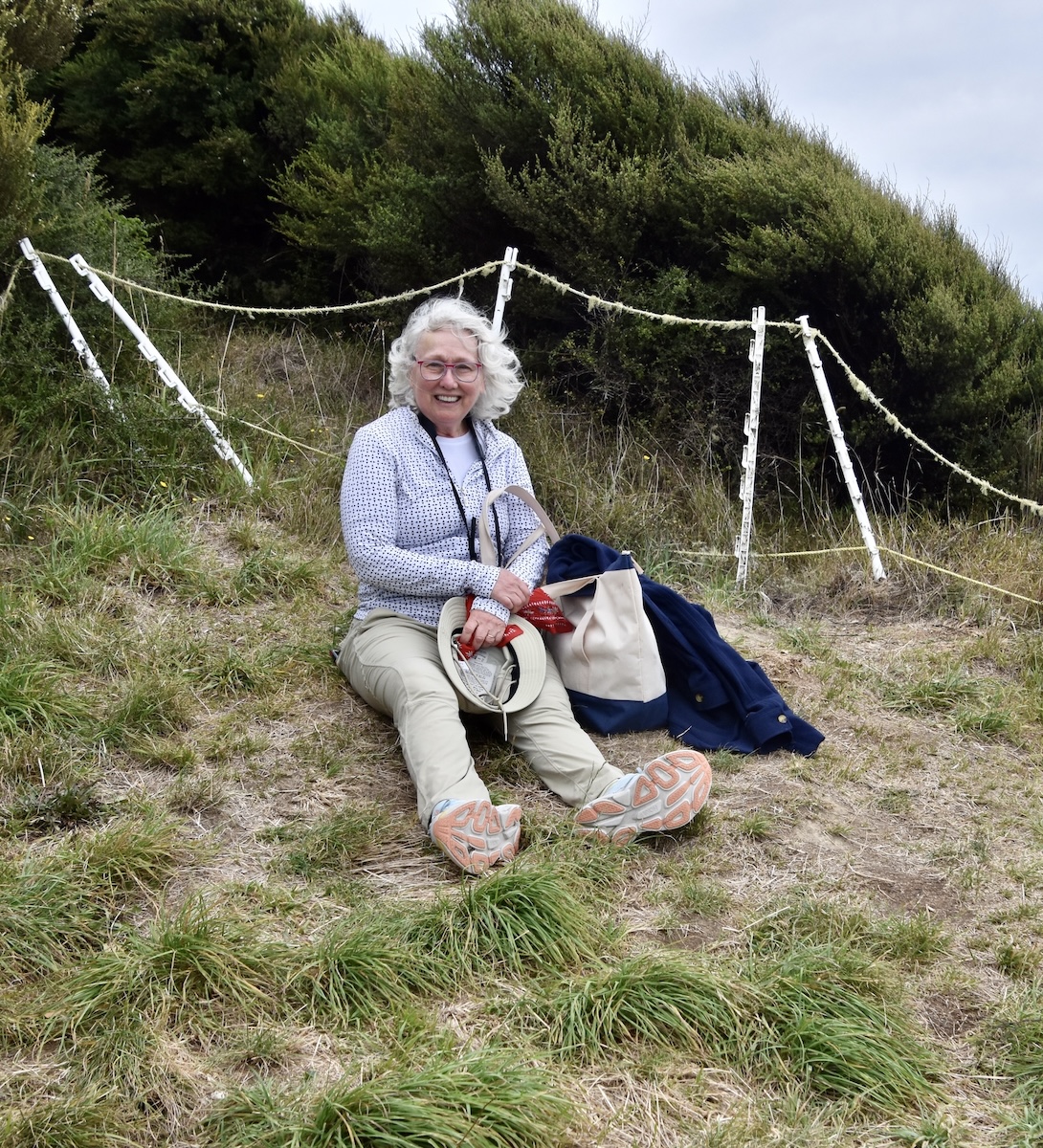
By the time you reach the summit you’ll be more than ready for a well deserved rest.
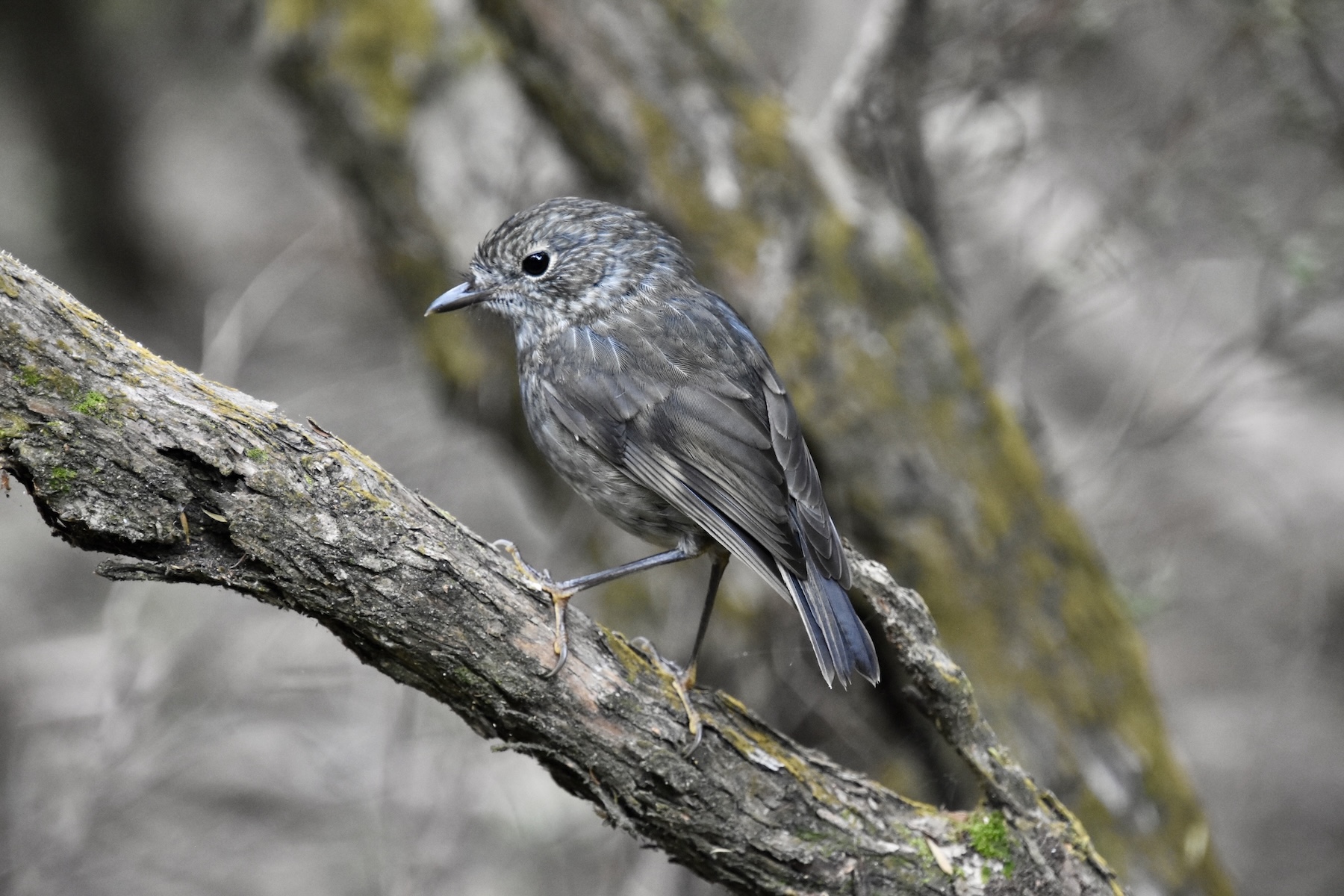
As noted we saw none of the rare birds of Kapiti Island, but did get a good look at this North Island Robin.
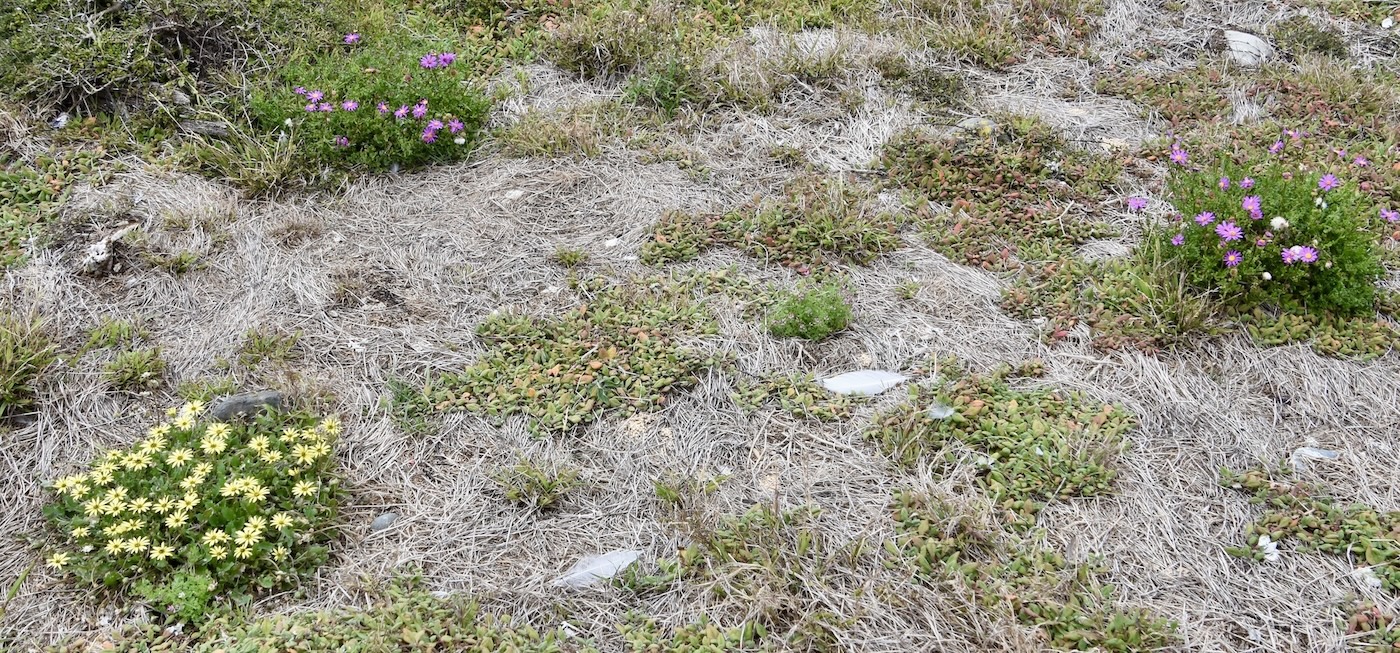
After completing the summit loop we still had plenty of time to do the Kapiti Island coastal loop as well. This features some nice wildflowers.
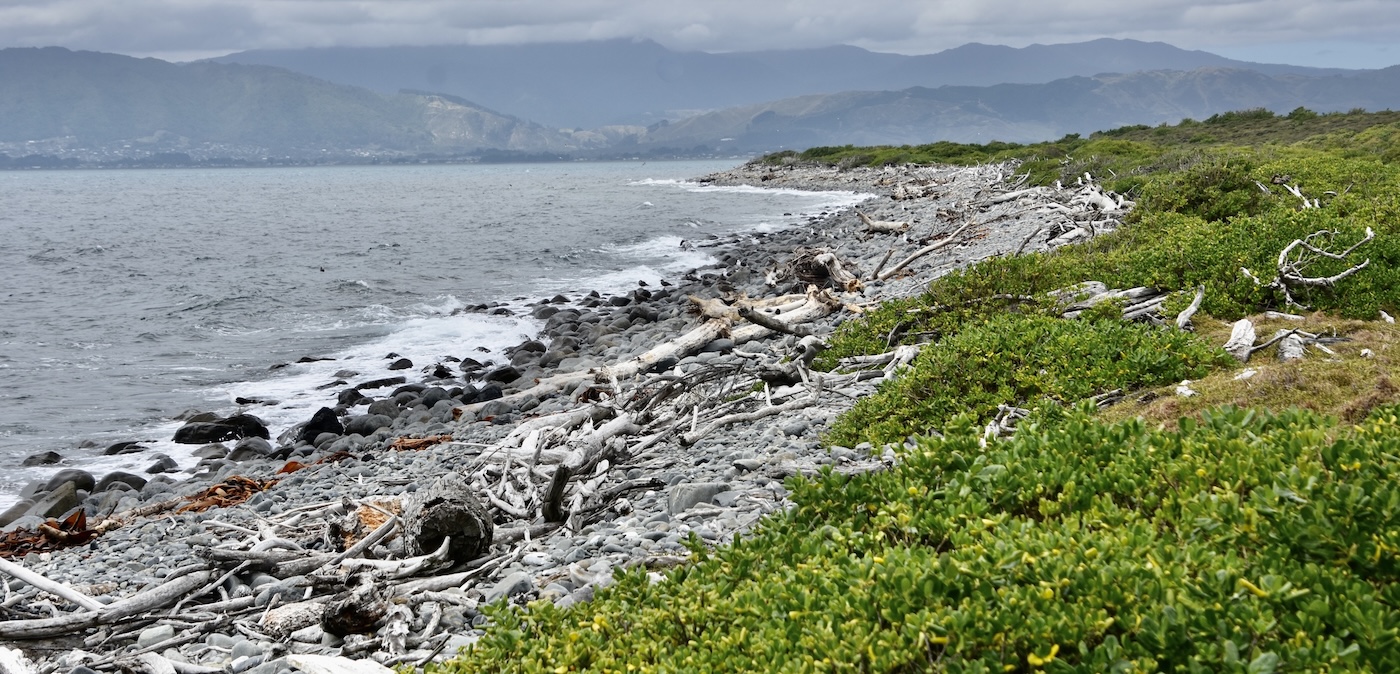
And boulder beaches covered in driftwood which we explored with no one else around.
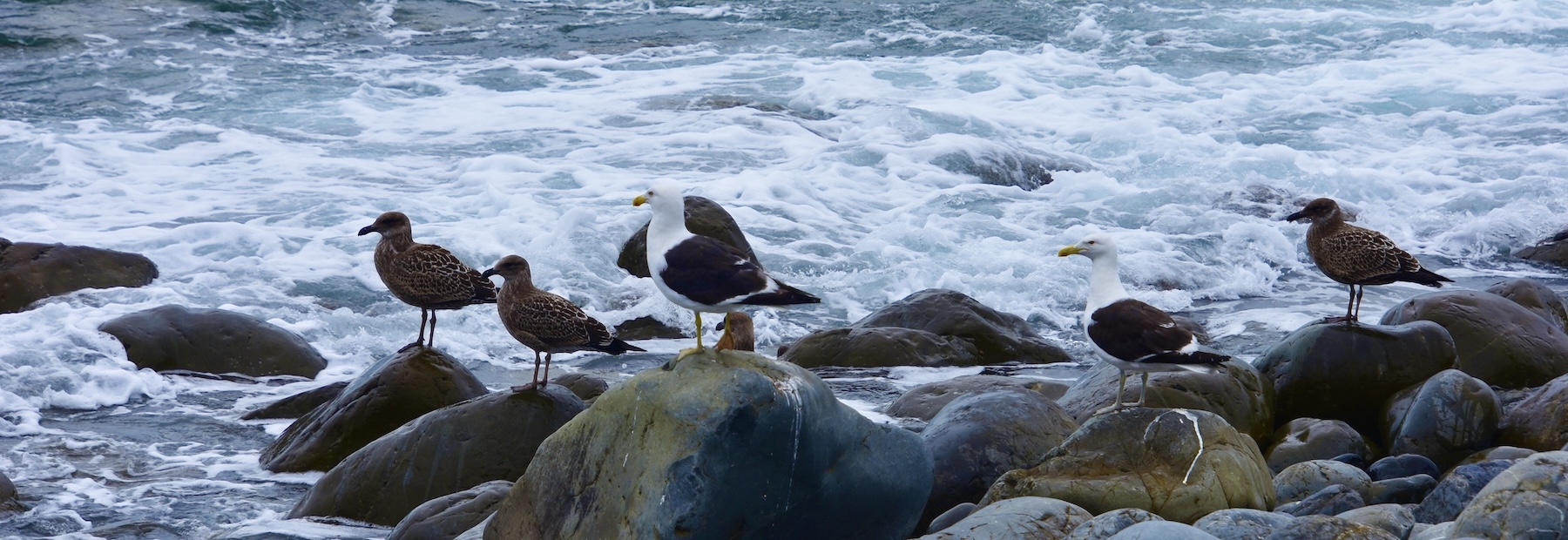
Except these adult and juvenile black-back gulls.
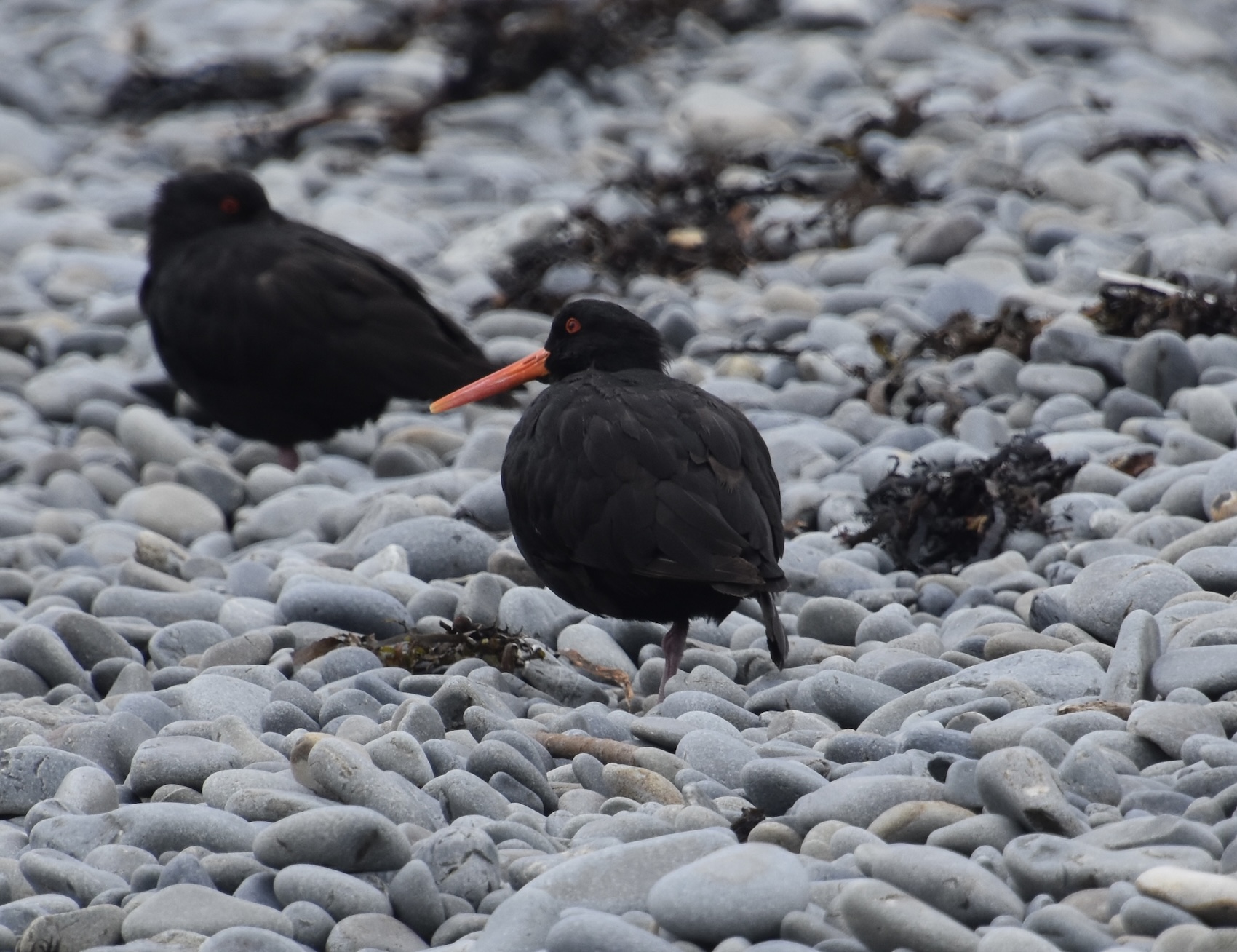
And the always photogenic variable oystercatcher.
Even if we didn’t see any of the rare birds of Kapiti Island it was still a day more than well spent as our time in New Zealand came to an end. I don’t know if we will ever get back to this most amazing and agreeable country, but if we don’t, we have more than enough memories to last us a lifetime.
From here we fly to Melbourne where we will spend a few days before joining the Adventures Abroad group for a introductory tour of this vast continent. I hope you’ll join us there.